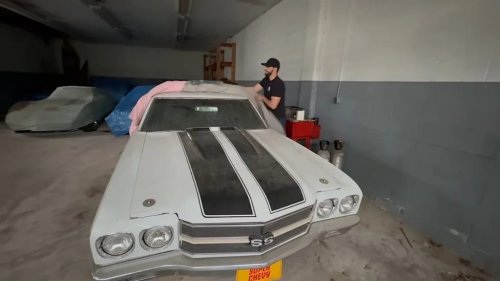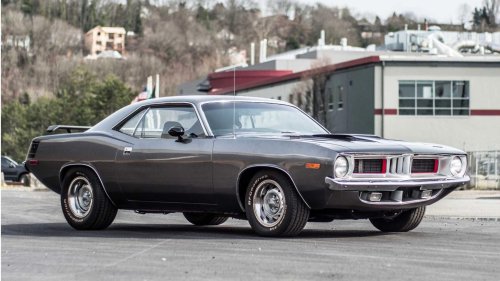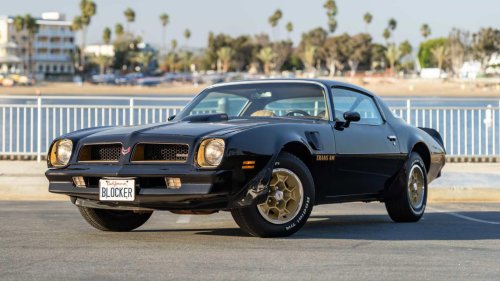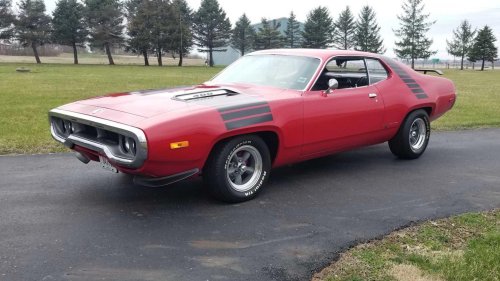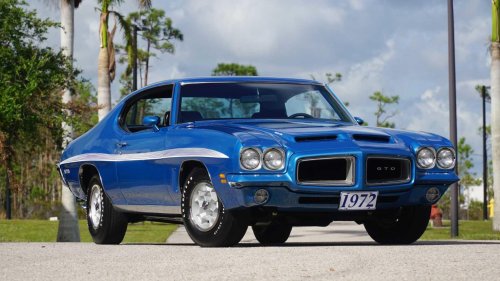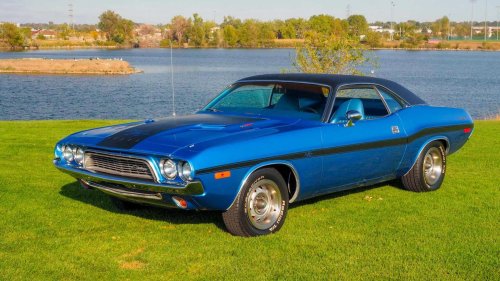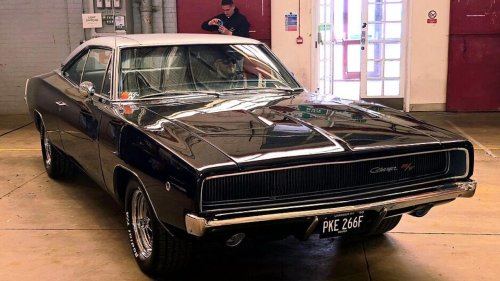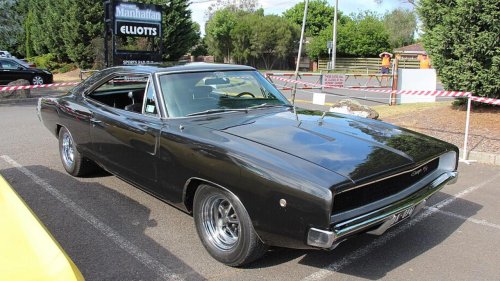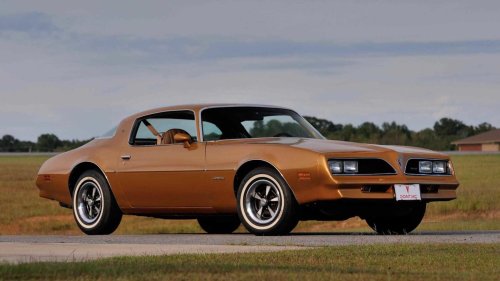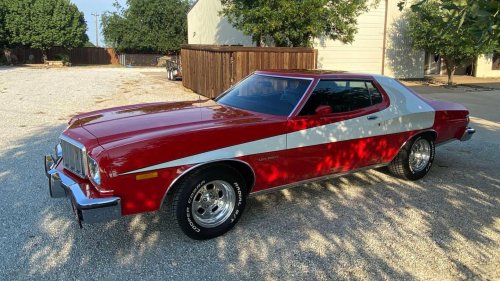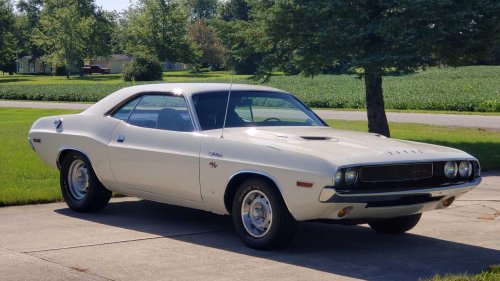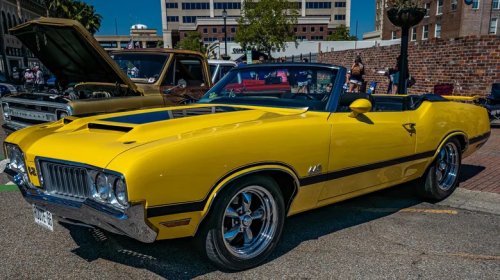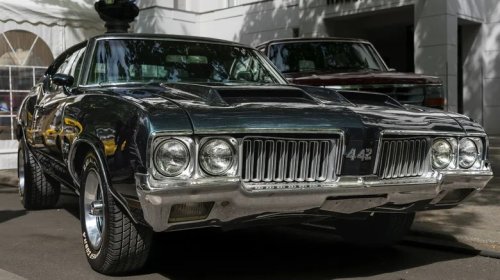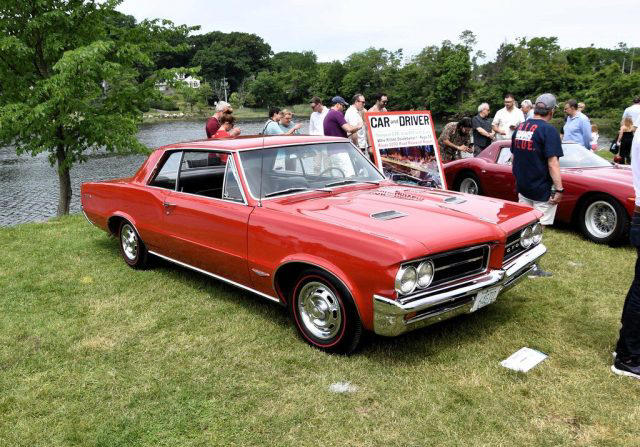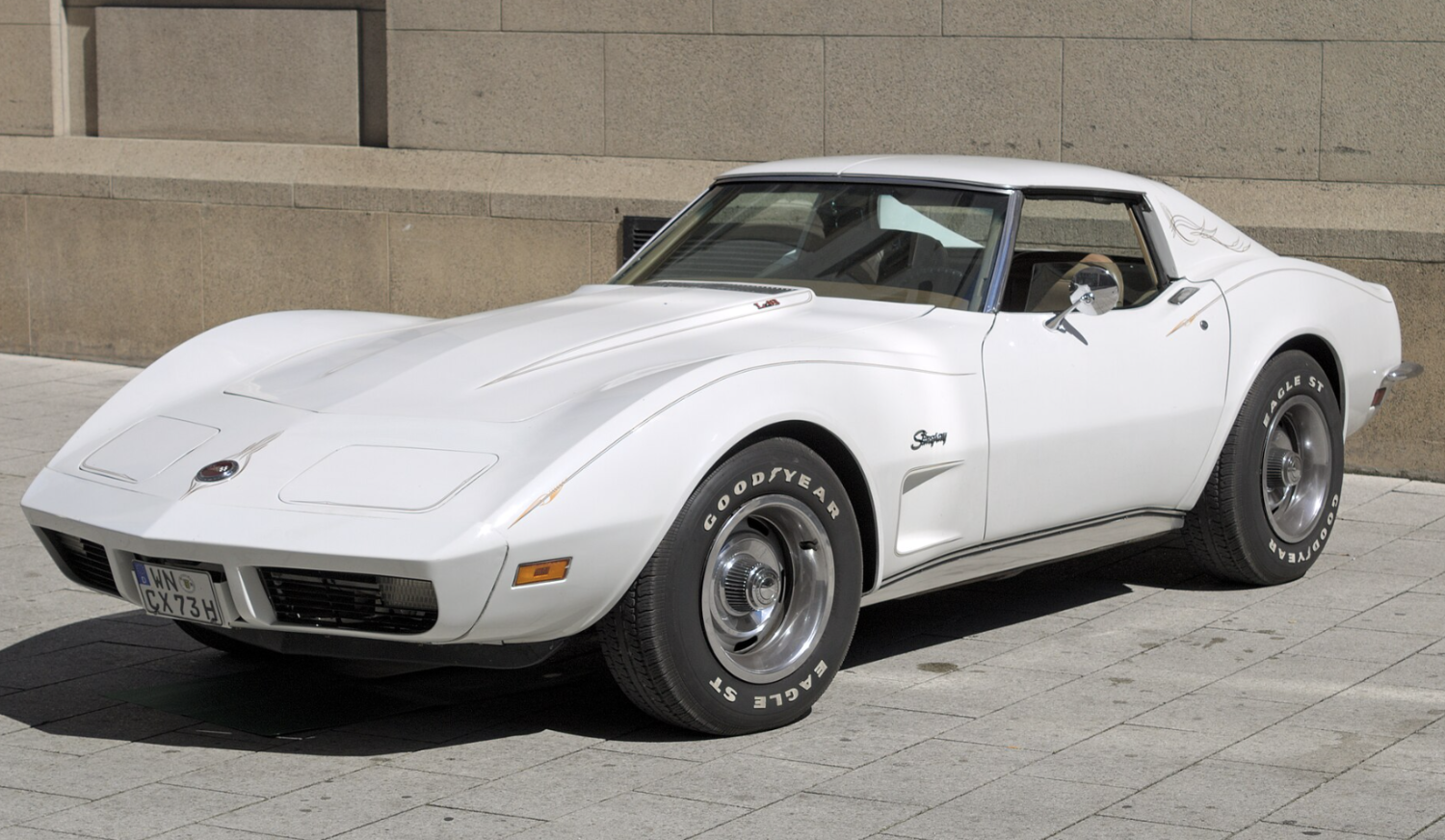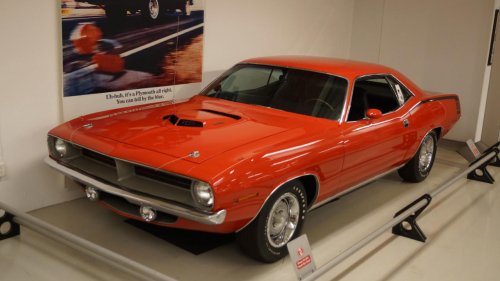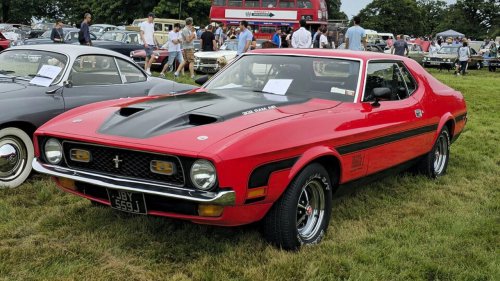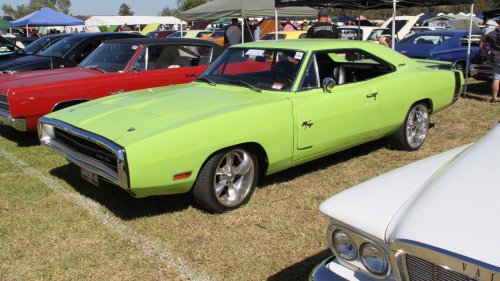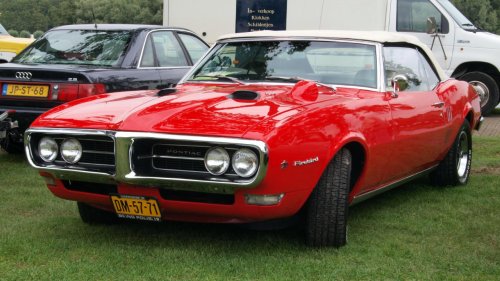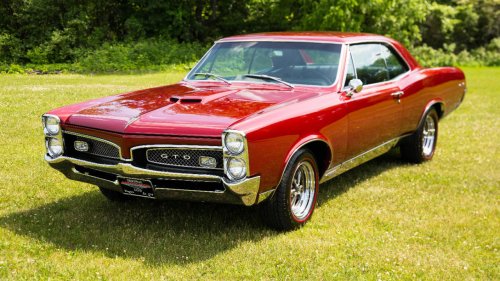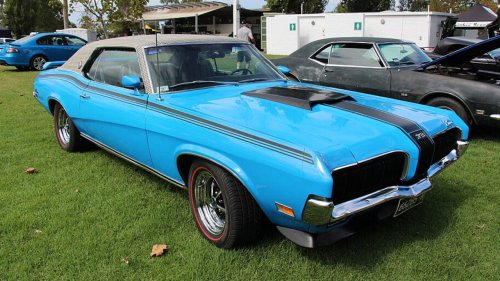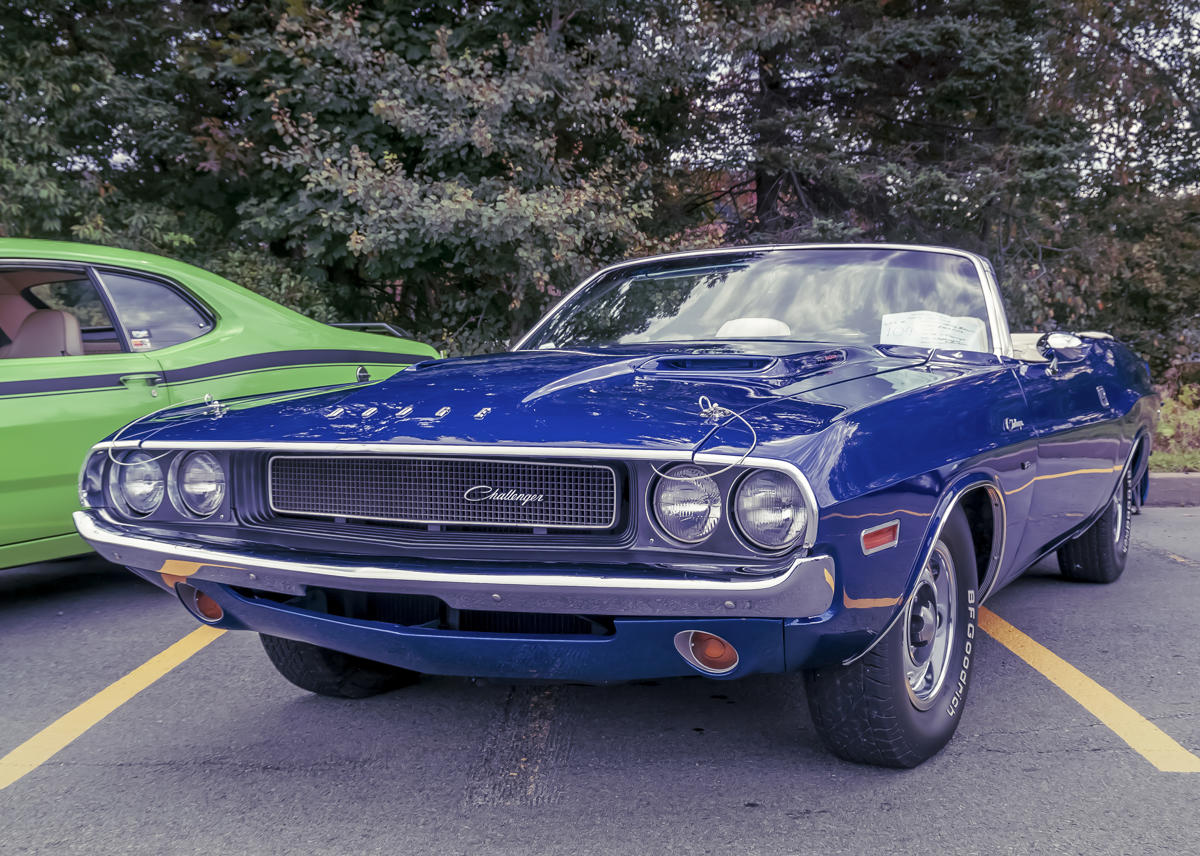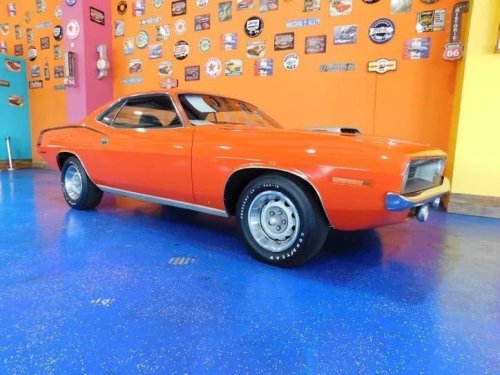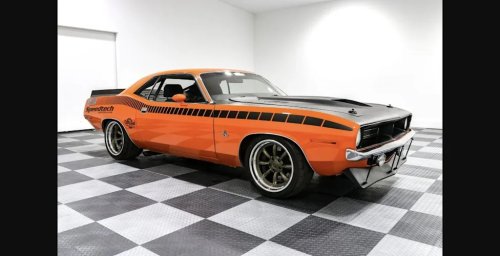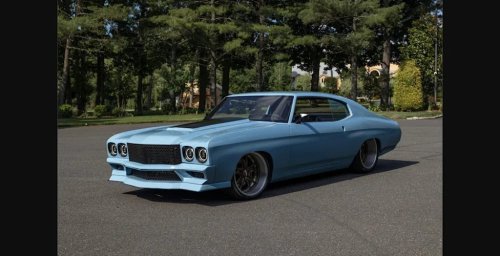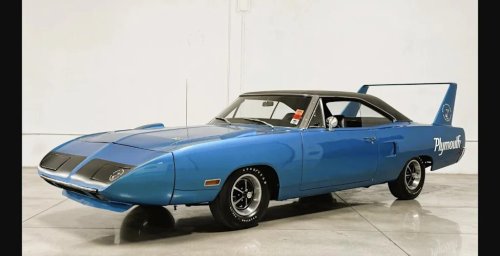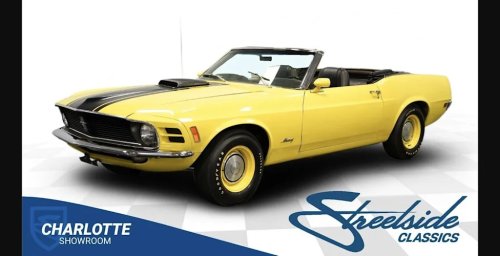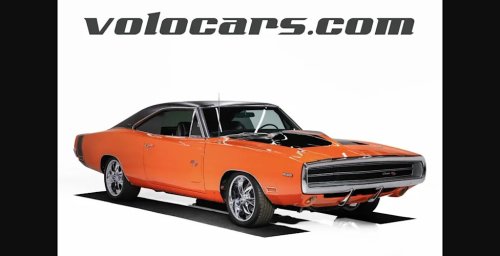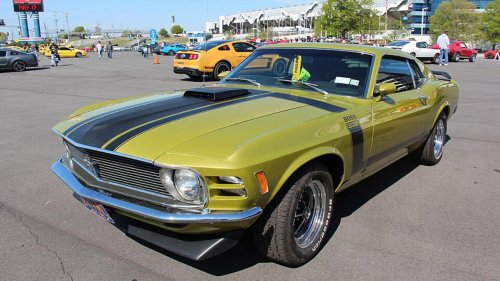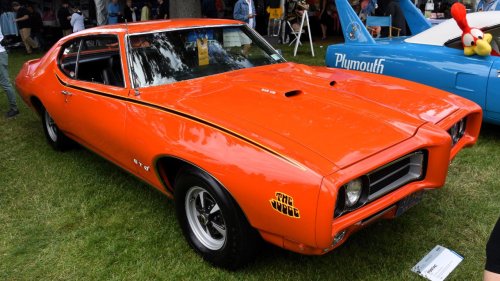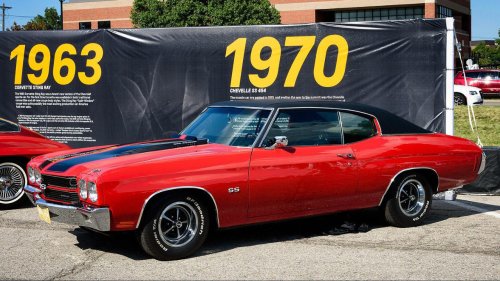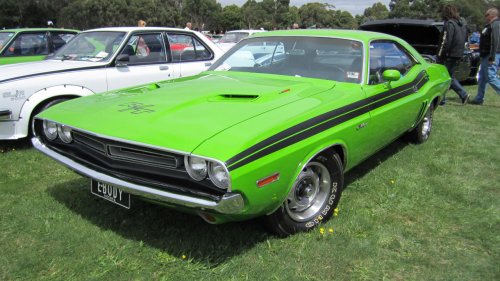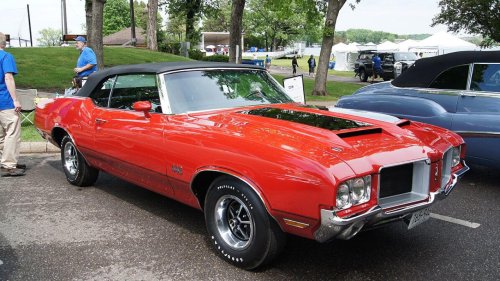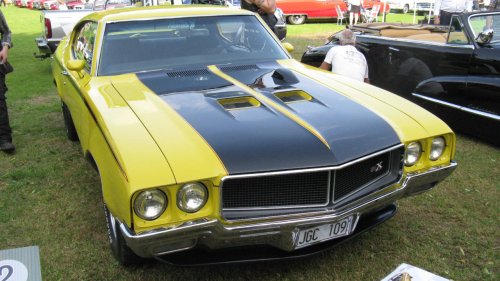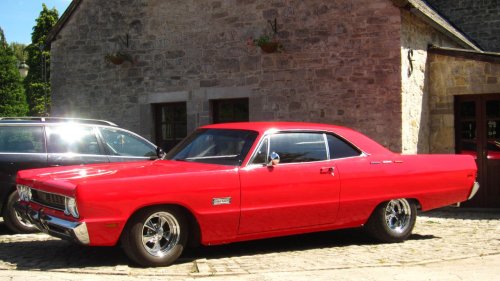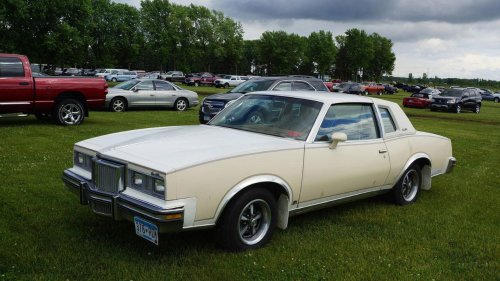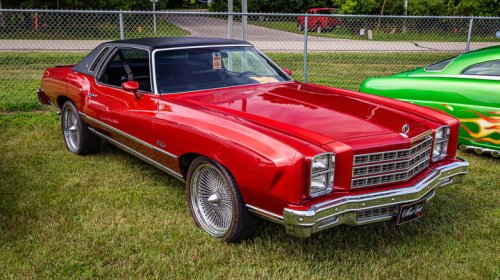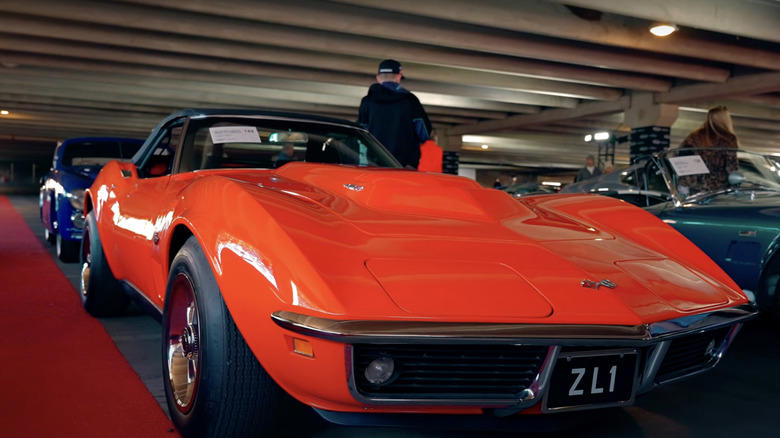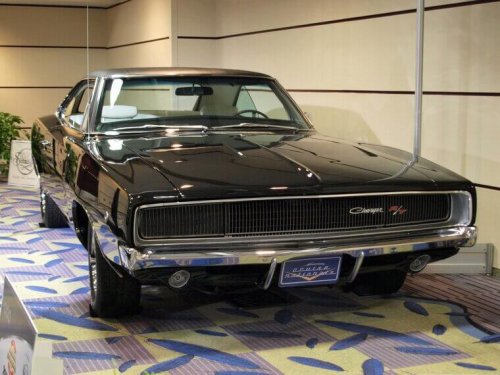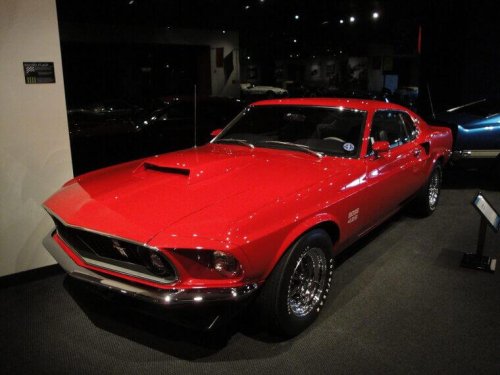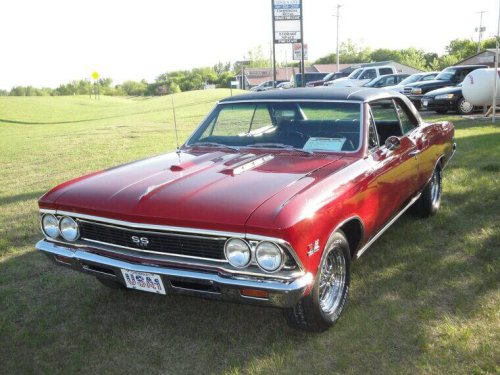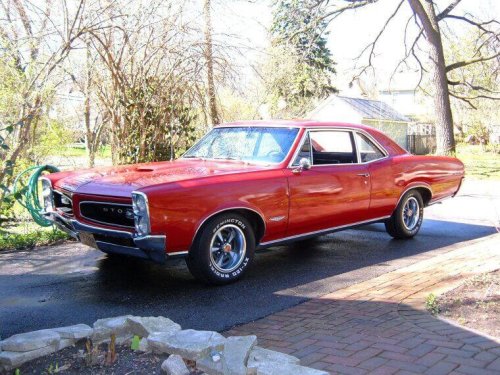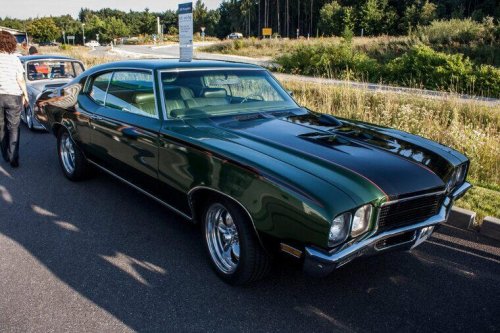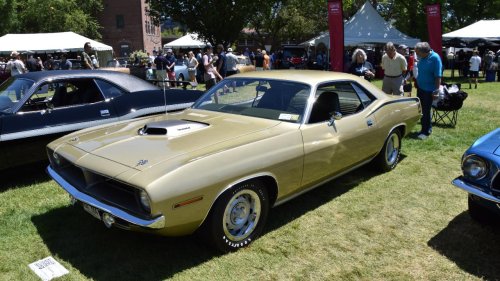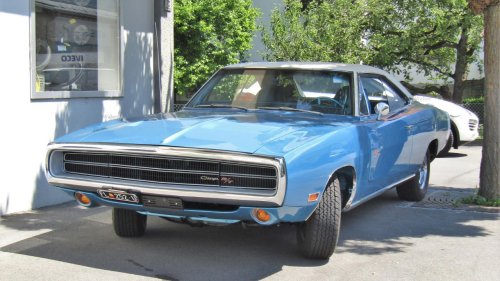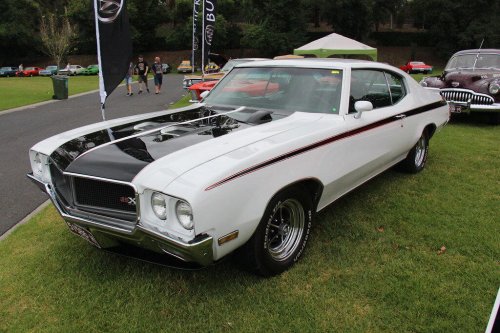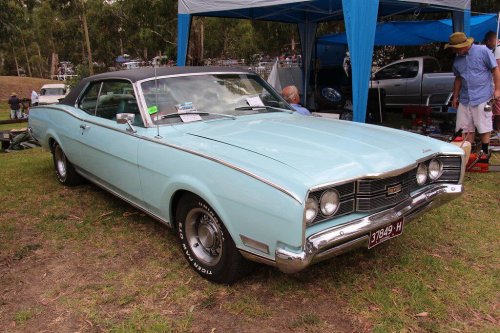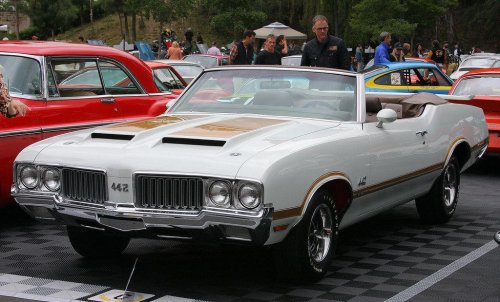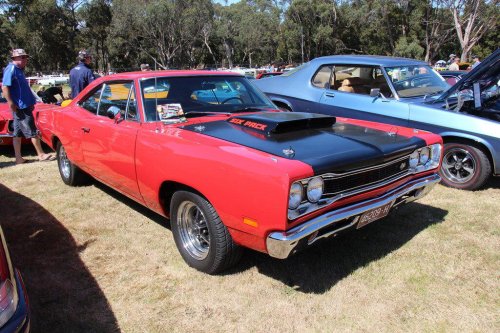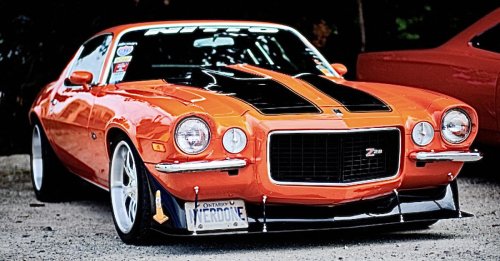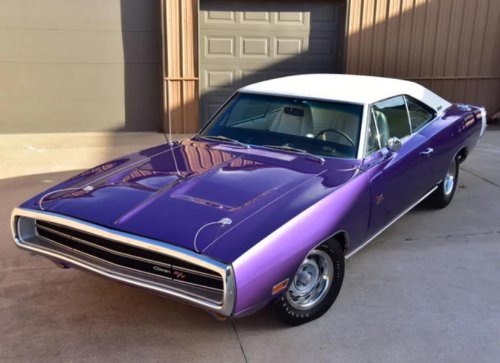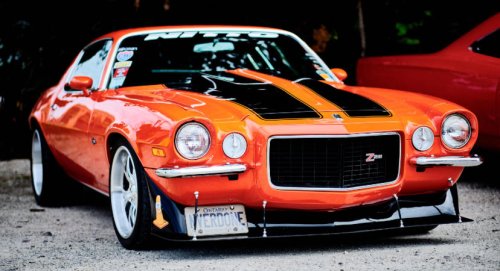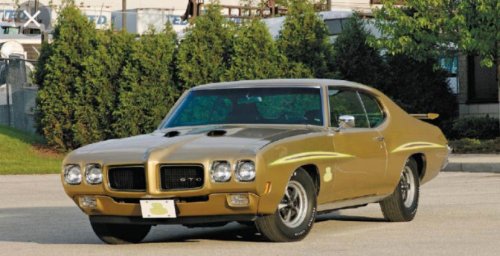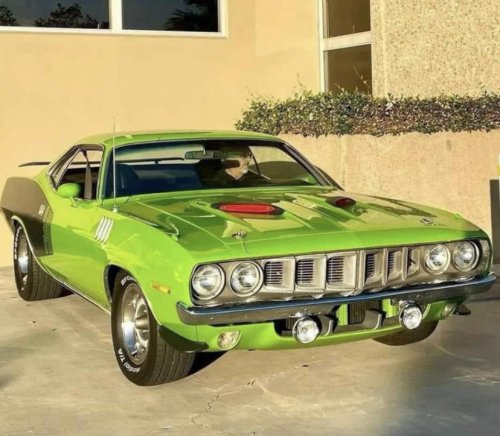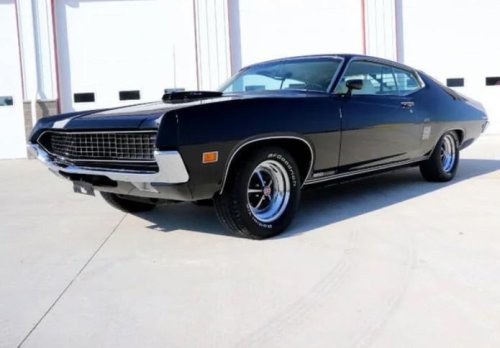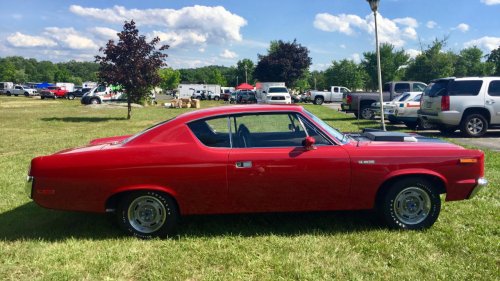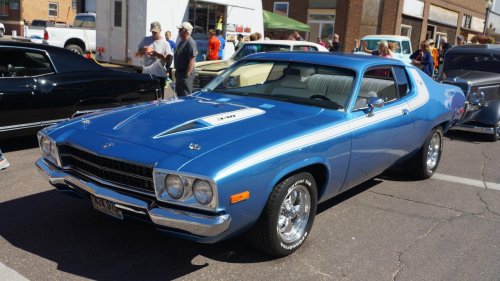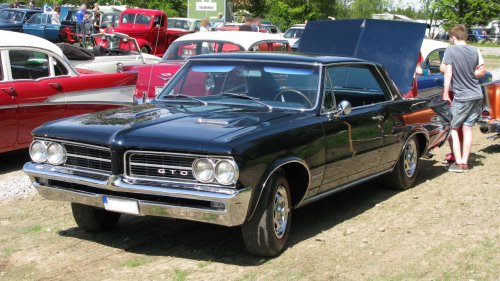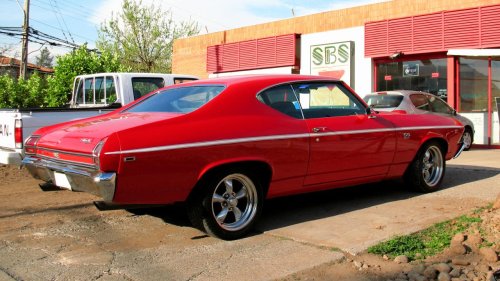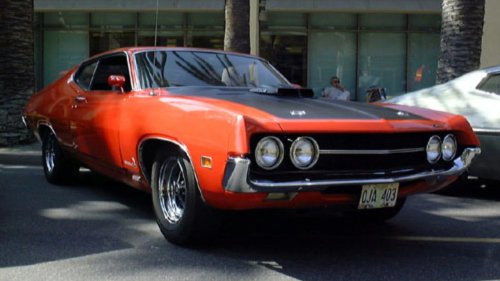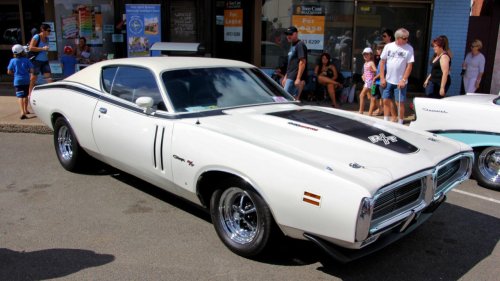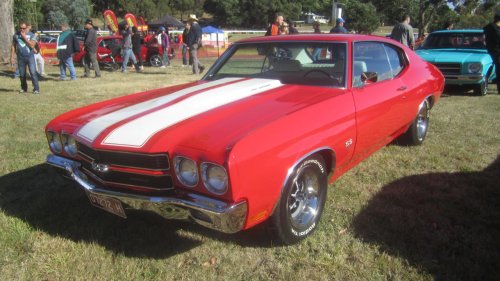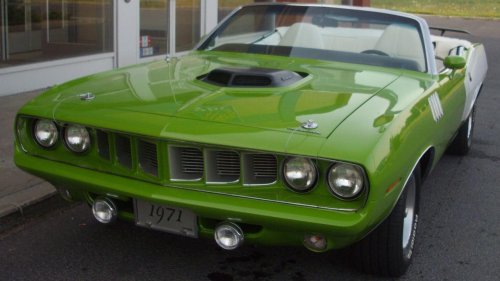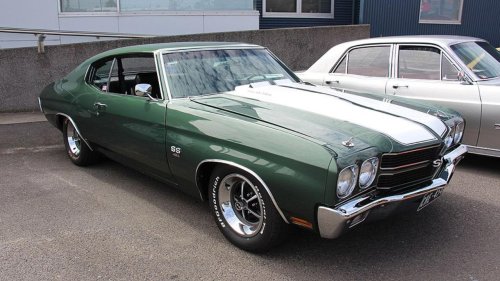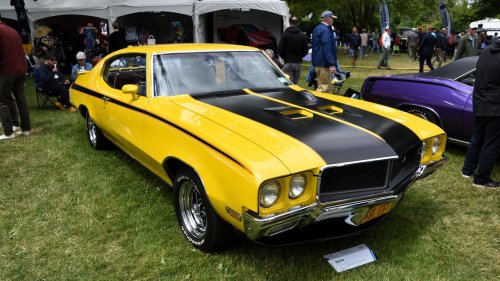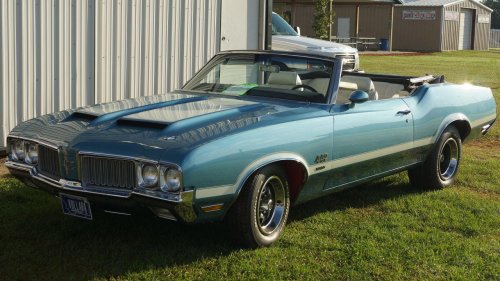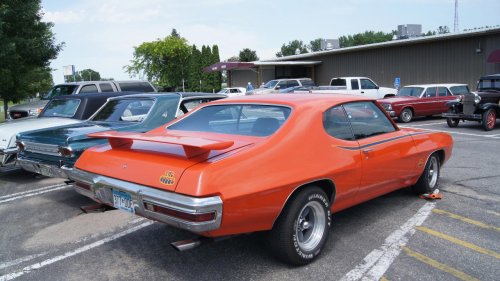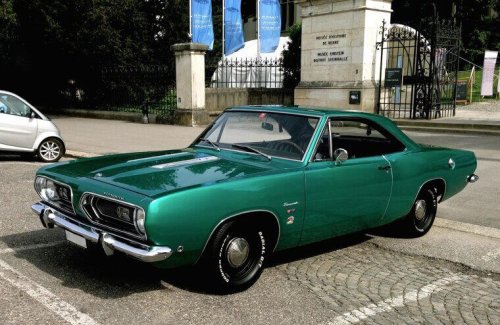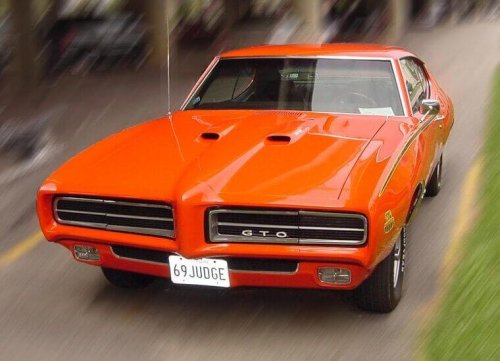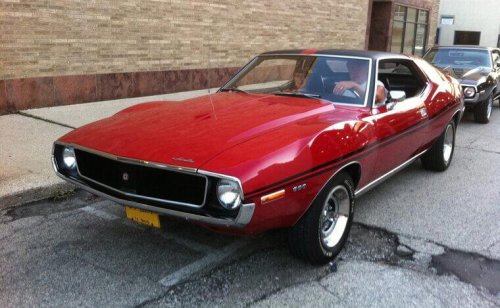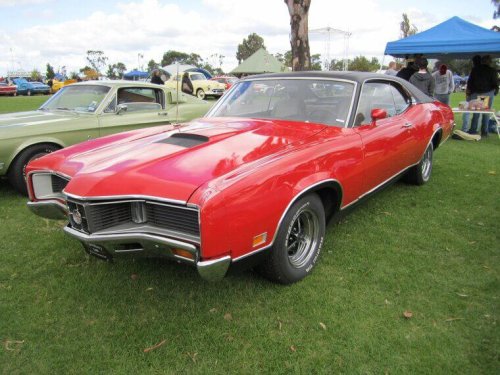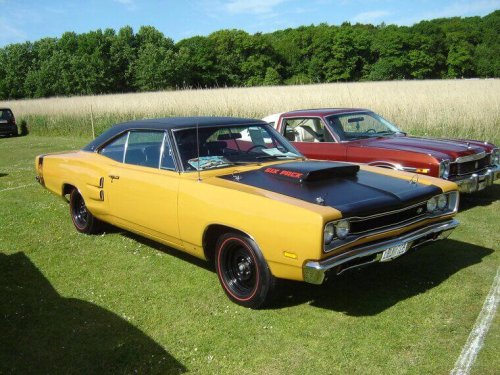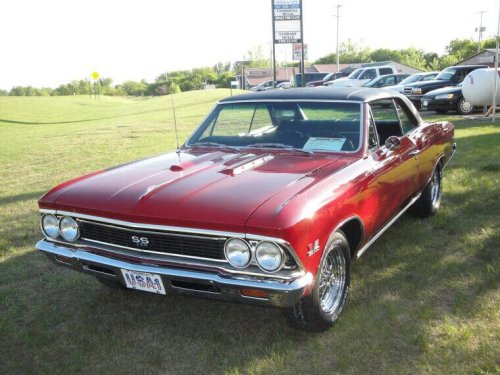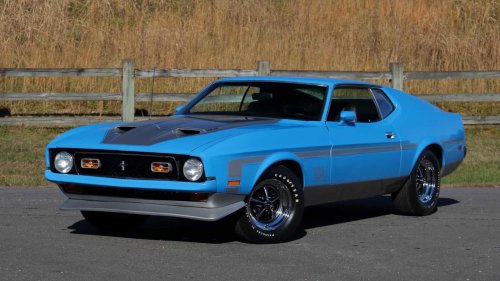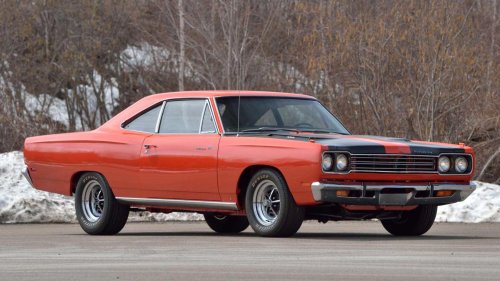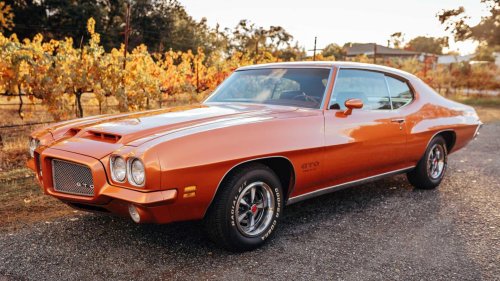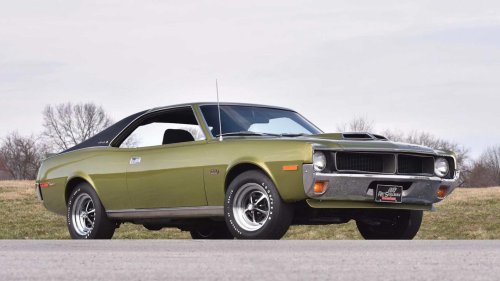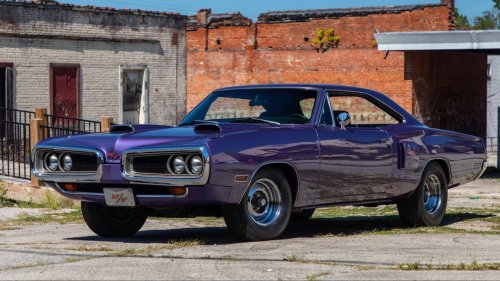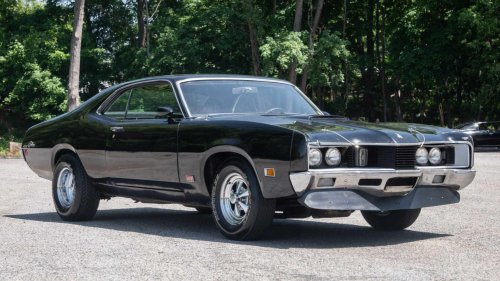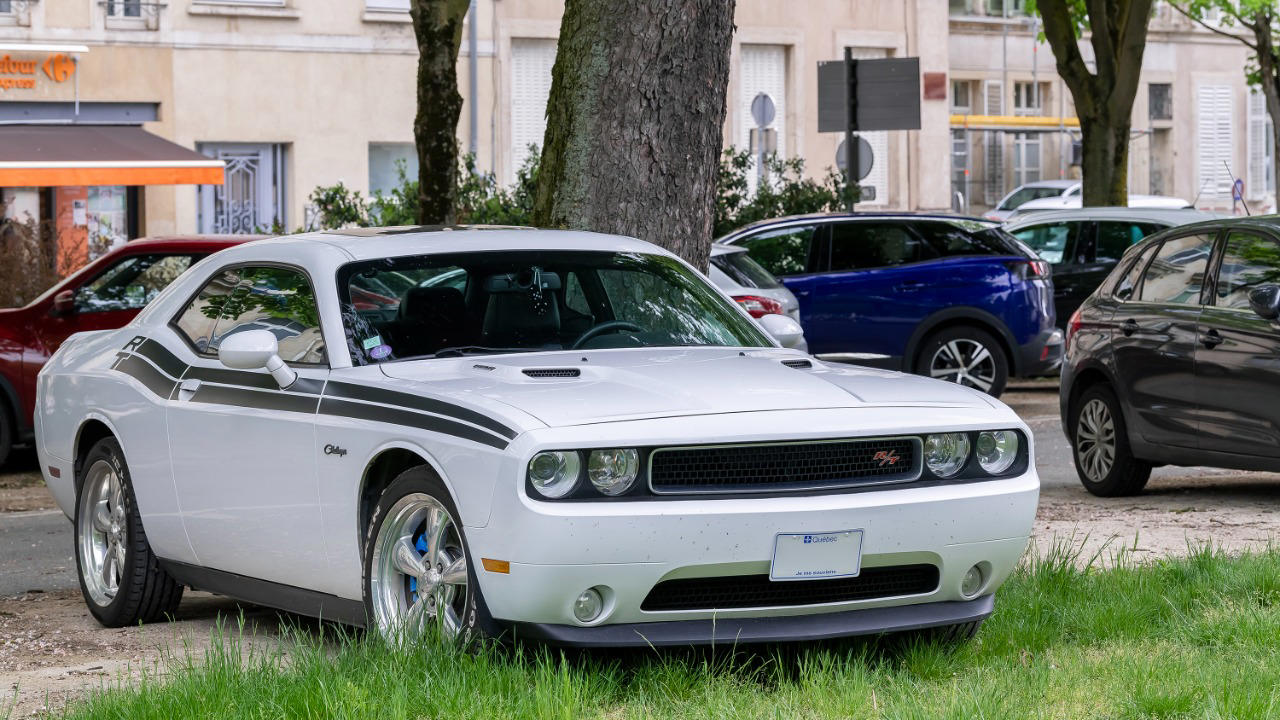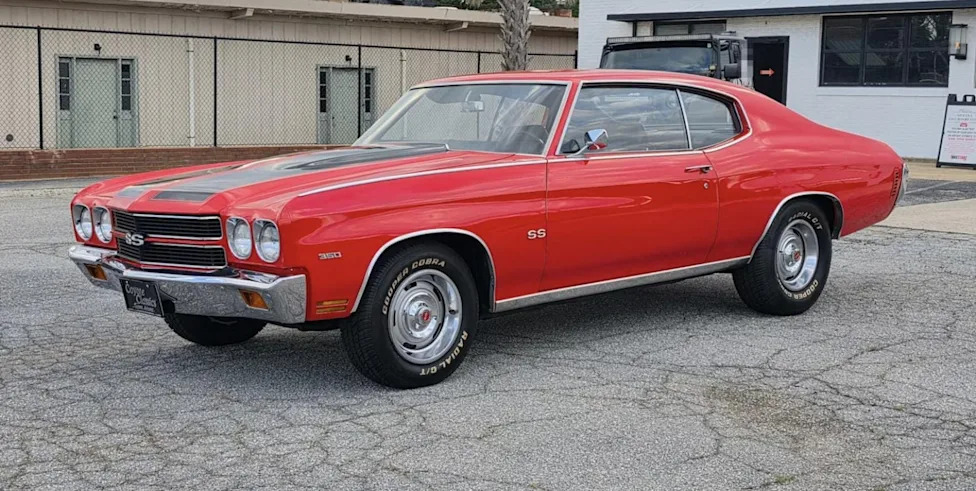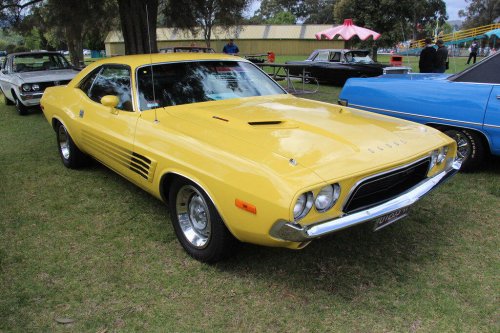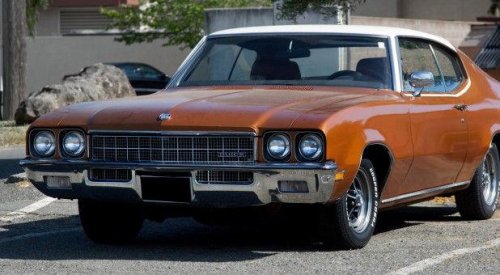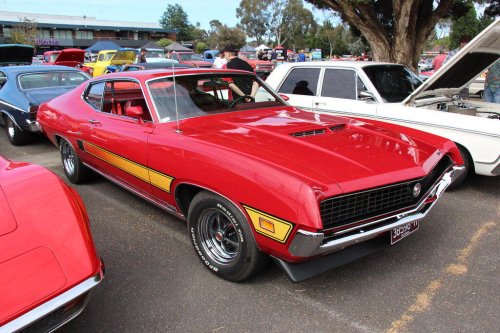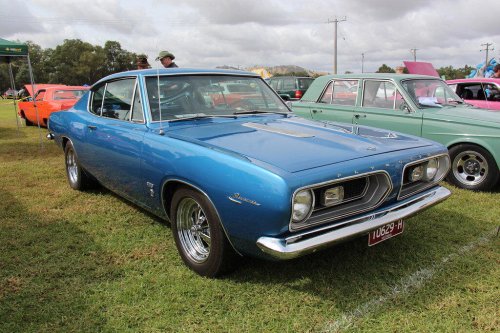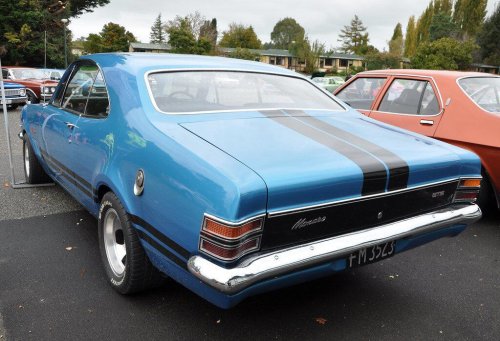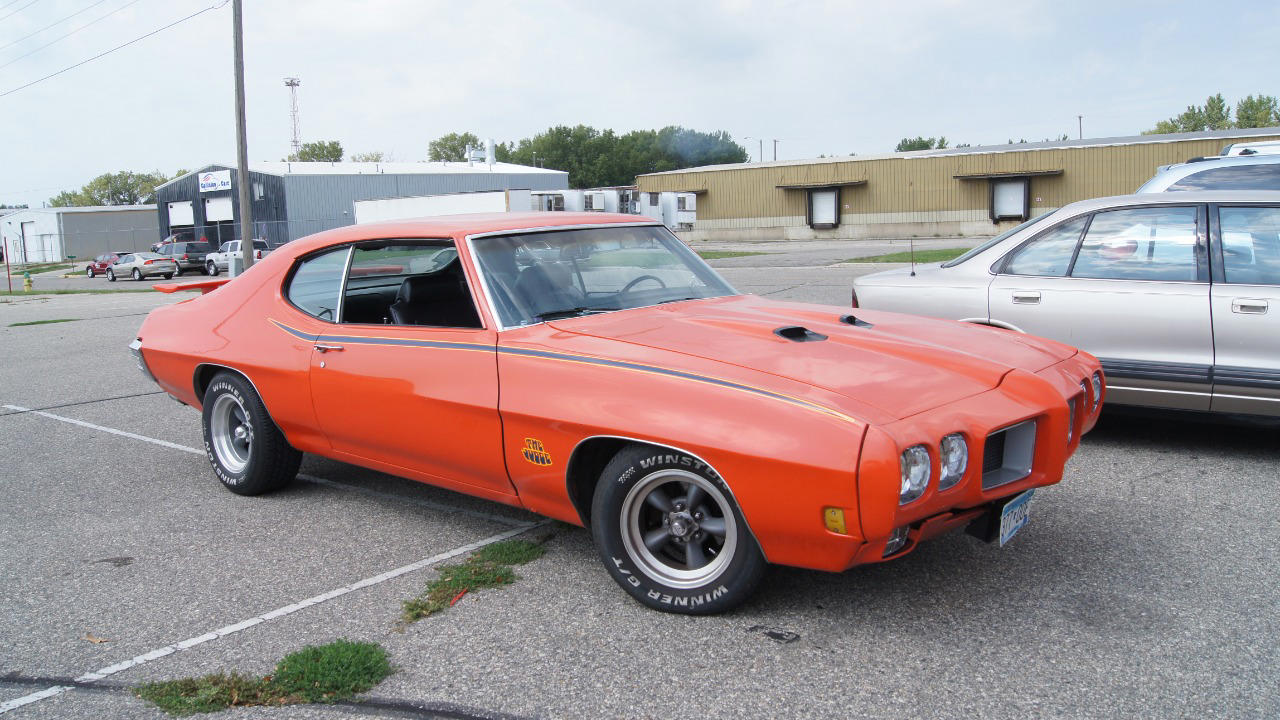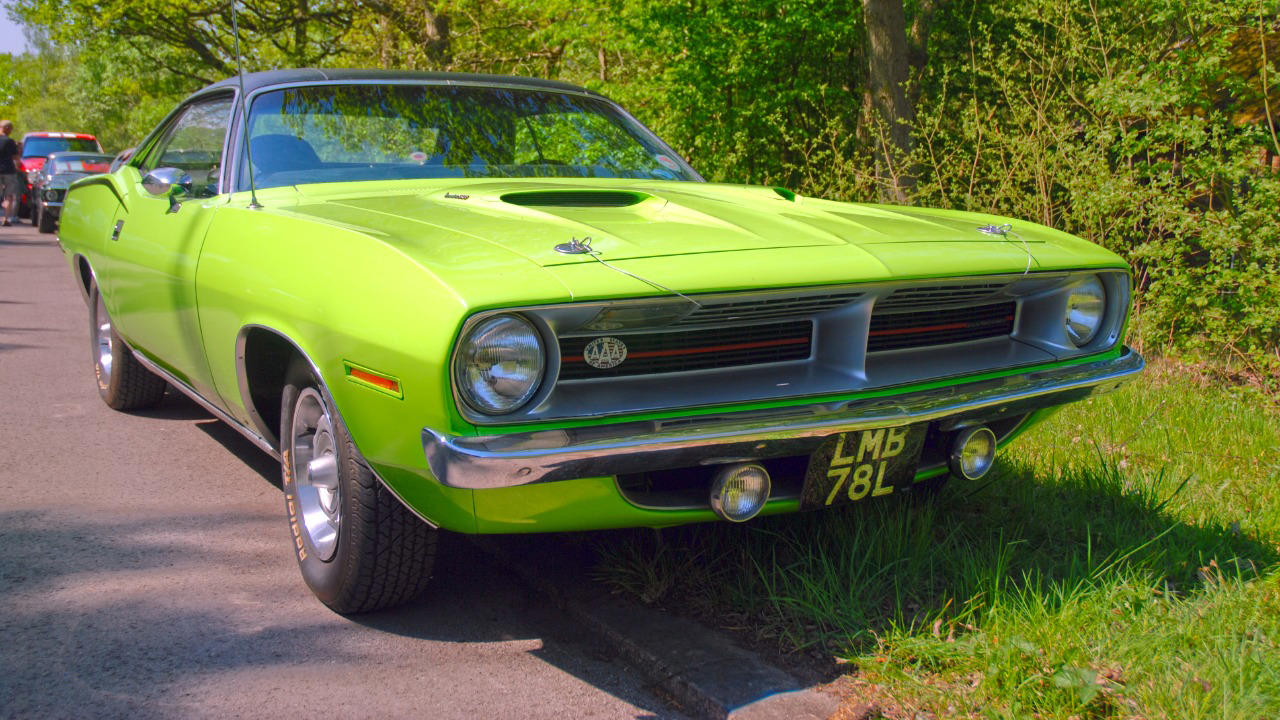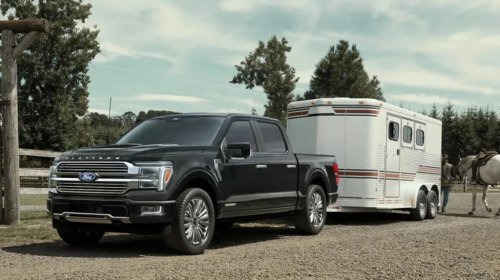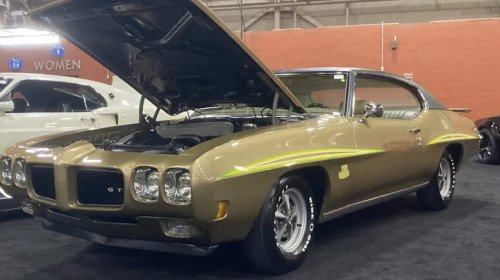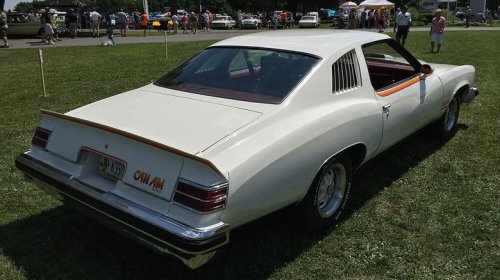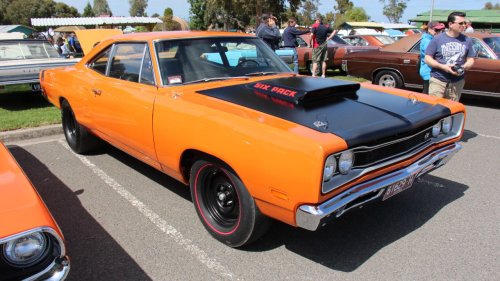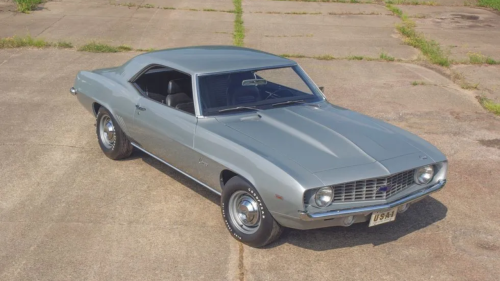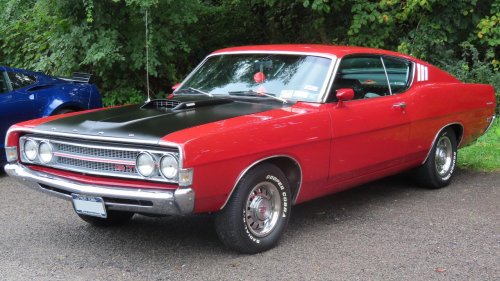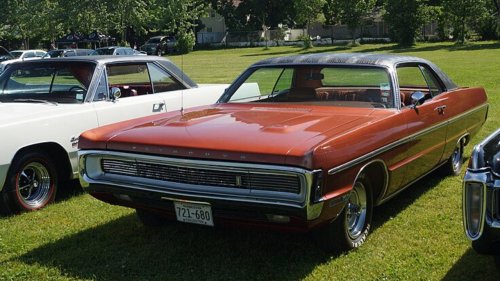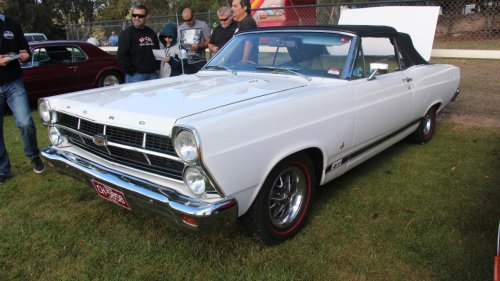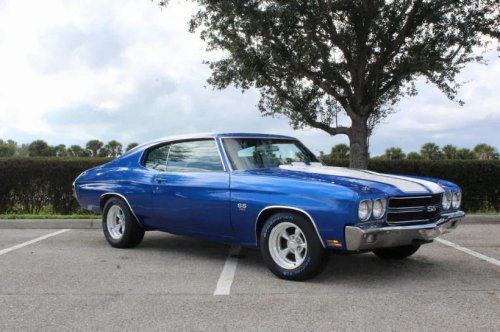
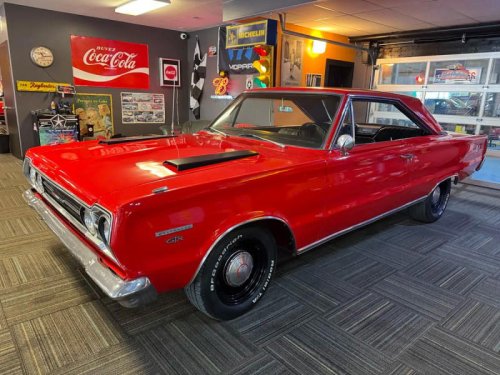
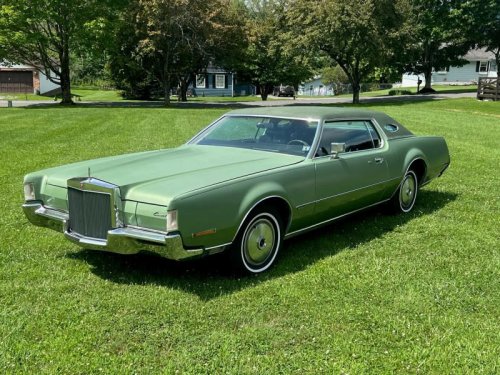
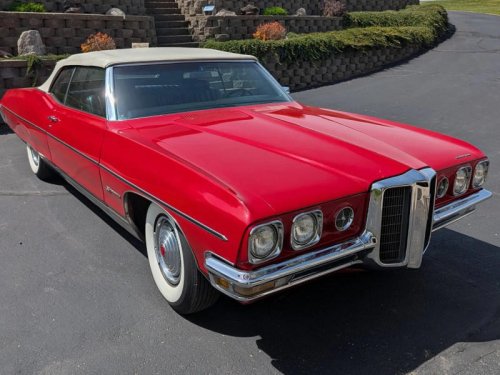



















When muscle car enthusiasts talk about big-block V8 engines, the conversation usually shifts to tire-shredding horsepower, quarter-mile times, and sheer cubic inches. However, for classic car collectors and vintage cruisers, reliability is just as vital as peak performance. A legendary engine is only as good as its ability to get you home without a tow truck. Historically, heavy-duty engineering meant these massive powerplants were built with ironclad durability to withstand extreme stress. Here are the four most reliable American big-block V8 engines ever produced, along with the iconic vehicles that carried them. 1. Chevrolet 454 Cubic-Inch V8 (LS5 / LS6 / Mark IV) Introduced in 1970, Chevy’s 454-cubic-inch V8 represents the pinnacle of the Mark IV big-block family. While the solid-lifter LS6 variant was a high-compression drag strip monster, the hydraulic-lifter variants (like the LS5 and subsequent truck iterations) earned a legendary reputation for unyielding reliability. Engineers designed the block with thick cast-iron walls, a massive forged steel crankshaft, and high-volume oiling systems. Because the low-compression versions produced massive torque at incredibly low RPMs, the internal components experienced very little wear and tear over hundreds of thousands of miles. The Cars That Carried the Chevy 454: Chevrolet Chevelle SS (1970–1975): The quintessential muscle car. With the 454, it became a street king, defining the peak of the 1970s performance era. Chevrolet Corvette (1970–1974): America’s sports car. Pairing the lightweight fiberglass body with the massive 454 created a brutally fast, straight-line missile. Chevrolet El Camino (1970–1975): The ultimate utility coupe. The 454 transformed this half-car, half-truck into a high-performance workhorse that could haul ass and cargo. Chevrolet Monte Carlo (1970–1975): Chevy’s premier personal luxury coupe. It used the 454’s effortless torque for smooth, quiet, high-speed highway cruising. Chevrolet Suburban & C/K Truck Series (1973–2000): Heavy-duty legends. The 454 gave these trucks the unstoppable towing power needed to pull boats, trailers, and campers for decades. 2. Chrysler 440 Cubic-Inch RB V8 (Magnum / Super Commando) While the 426 Hemi took the racing headlines, Chrysler’s 440-cubic-inch “Raised Block” (RB) V8 was the true workhorse of the Mopar stable. Debuting in 1966, the 440 was cheaper to build, easier to tune, and significantly more reliable for daily driving than its high-maintenance Hemi sibling. The 440’s bulletproof reputation comes from its deep-skirt iron block design, which provided immense structural rigidity. Combined with a heavy-duty forged steel crankshaft, robust main bearings, and a highly efficient cooling system, the 440 could handle continuous high-speed abuse. It was so remarkably reliable that it became the gold standard for law enforcement packages, motorhomes, and premium highway cruisers alike. The Cars That Carried the Chrysler 440: Dodge Charger R/T (1967–1974): A sinister muscle car icon. The 440 Magnum made it a dominant force on the street and a pop-culture legend. Dodge Coronet & Super Bee (1967–1971): No-nonsense, stripped-down street brawlers. They offered maximum 440 big-block performance without the expensive luxury options. Plymouth Road Runner & GTX (1967–1974): The Road Runner offered budget-friendly speed with a cartoon horn, while the GTX provided the upscale “gentleman’s muscle” experience. Plymouth Barracuda / ‘Cuda (1969–1971): Chrysler’s pony car. Stuffing the massive 440 engine into the lightweight E-body frame created a legendary, tire-shredding street machine. Chrysler Imperial & New Yorker (1966–1978): Massive land yachts. They required the 440’s immense low-end torque to pull their heavy, luxury-laden frames with seamless ease. Dodge Monaco “Polara” Police Interceptors (1966–1977): The ultimate law enforcement tool. Immortalized in film and reality, these heavy-duty cruisers used the 440 to hunt down speeders. 3. Ford 460 Cubic-Inch V8 (385 Engine Family) Ford introduced the 385-engine family in 1968 to replace the aging FE big-block series. The 460-cubic-inch variant became the ultimate representation of smooth, effortless torque and longevity. Unlike high-strung racing engines, the 460 was over-engineered for luxury cars and heavy industrial trucks. The 460 features a massive, rigid block casting with huge main bearing journals that easily distribute load forces. Because it operated with conservative compression ratios and a wide powerband, the engine rarely had to strain to move heavy vehicles. Its exceptional thermal efficiency and simple overhead-valve layout meant fewer mechanical failures, keeping it in production for nearly three decades. The Cars That Carried the Ford 460: Lincoln Continental & Mark Series (1968–1979): The pinnacle of American luxury. The 460 provided silent, vibration-free power, allowing these massive cars to glide down roads. Ford Thunderbird (1972–1976): A personal luxury icon. It transitioned away from sports car roots into a large, comfortable highway cruiser backed by 460 torque. Ford Torino & Gran Torino (1972–1976): Ford’s intermediate contender. The 460 turned these styled coupes into comfortable, powerful cruisers with plenty of passing power. Mercury Cougar & Marquis (1972–1978): Upscale siblings to Ford. They paired plush, comfortable interiors with the reliable, relaxed muscle of the 460 big-block. Ford F-Series & Econoline Vans (1973–1997): The backbone of American labor. The 460 provided these work trucks and vans with bulletproof reliability for hauling heavy payloads. 4. Pontiac 455 Cubic-Inch V8 Pontiac took a unique approach to engine manufacturing; unlike other GM divisions, they did not have separate small-block and big-block architectures. Instead, they utilized a standard block size and expanded the displacement. The 455-cubic-inch V8, introduced in 1970, acts as Pontiac’s definitive big-block equivalent. The Pontiac 455 is revered for generating monumental torque, up to 500 lb-ft, at a remarkably low 2,700 RPM. Because the engine achieved maximum power without needing to rev high, internal stress remained incredibly low. Armed with a rugged casting, thick main bearing caps, and dependable oiling networks, the 455 provided effortless longevity while maintaining a muscle car growl. The Cars That Carried the Pontiac 455: Pontiac GTO & Judge (1970–1973): The grandfather of muscle cars. The 455 gave the late-era GTOs massive torque to fight back against tightening emissions laws. Pontiac Firebird Trans Am & Formula (1970–1976): Pop-culture royalty. These screaming-chicken icons used the 455 to remain fast and aggressive when other muscle cars faded away. Pontiac Grand Prix (1970–1976): A sharp, stylish personal luxury car. It combined formal rooflines and bucket seats with the tire-spinning torque of the 455. Pontiac Bonneville & Catalina (1970–1976): Full-sized highway royalty. These expansive cars utilized the 455’s low-RPM power to cruise effortlessly at high speeds. Pontiac LeMans (1970–1976): The balanced intermediate option. It offered classic muscle car styling and a comfortable ride, made effortless by the heavy-hitting 455. Choosing Your Next Big-Block Classic Whether you are drawn to the tire-shredding lineage of the Chevrolet 454, the law-enforcing muscle of the Chrysler 440, the smooth luxury of the Ford 460, or the low-RPM grunt of the Pontiac 455, these engines have proven their durability over decades of asphalt abuse. They represent an era when American powerplants were built with a surplus of iron and over-engineered to survive. Finding the right classic vehicle powered by one of these legendary V8s requires browsing a trusted inventory with high-quality options. If you are ready to put one of these bulletproof big-blocks in your own garage, see what’s available now on the Hemmings Marketplace.