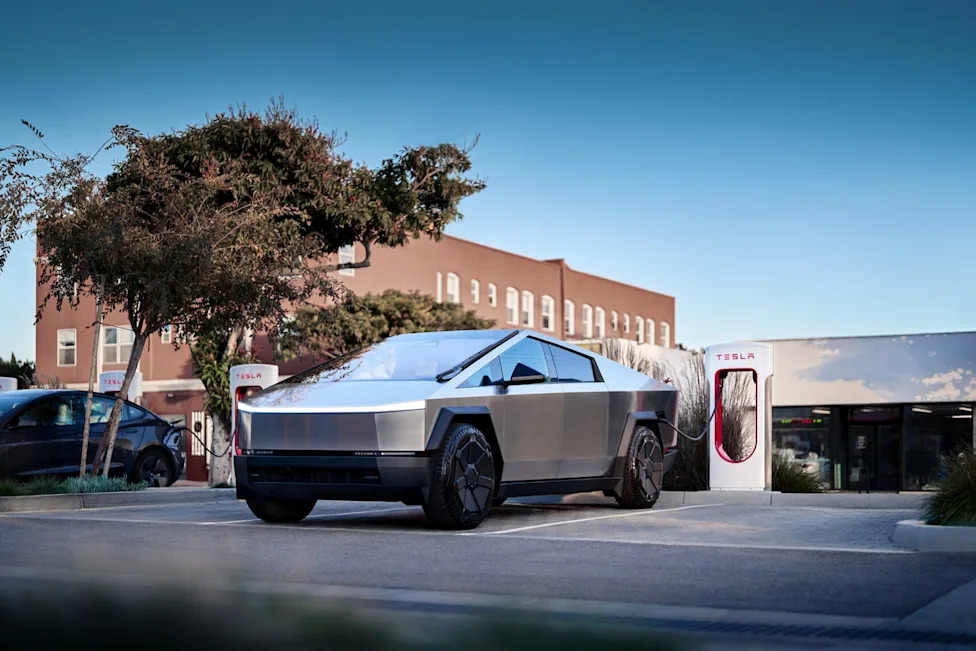
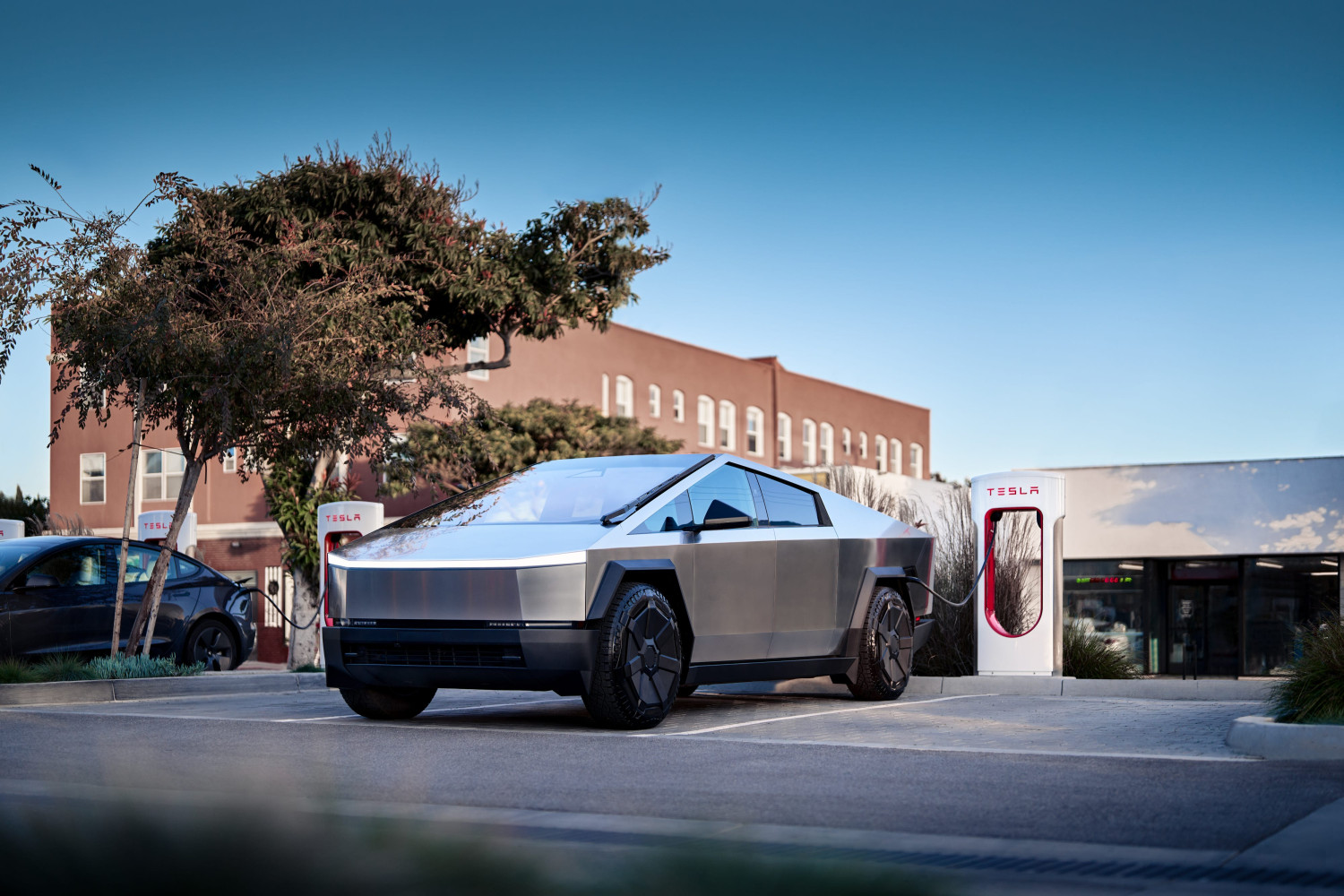
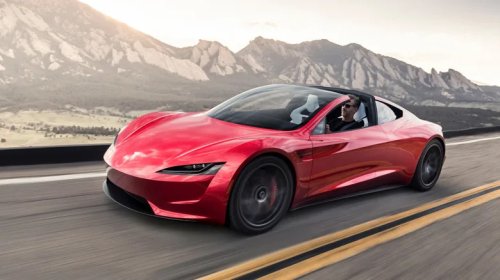
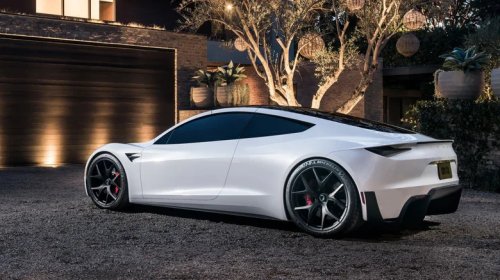
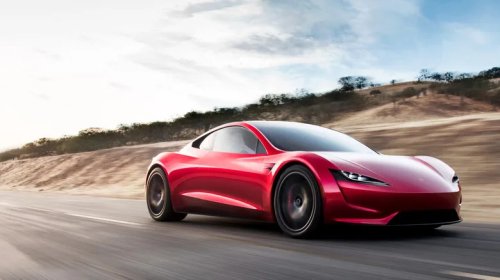
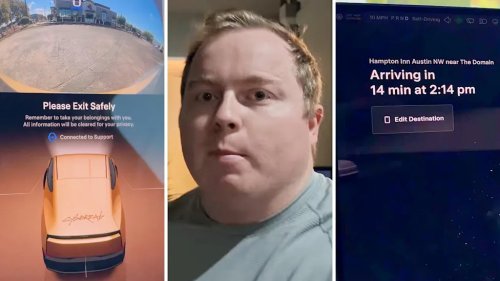
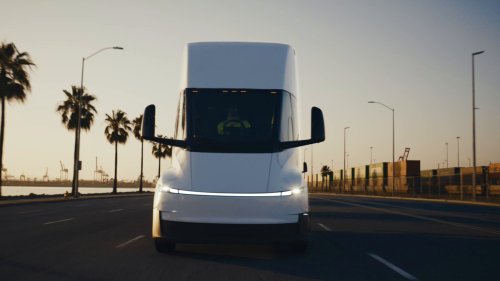
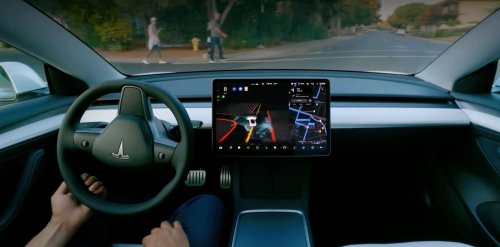
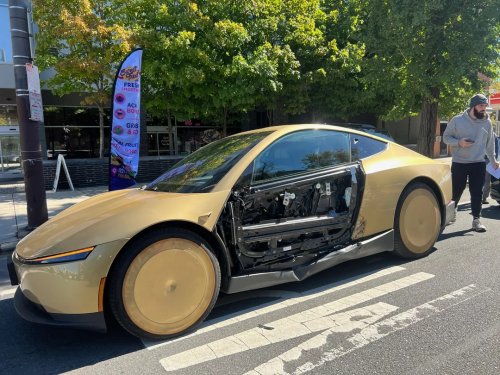
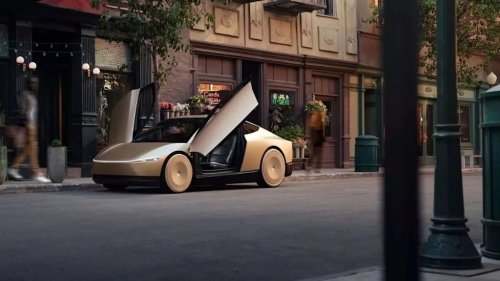
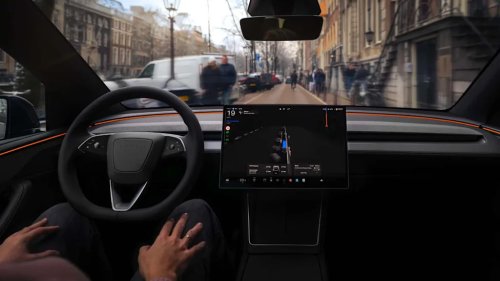
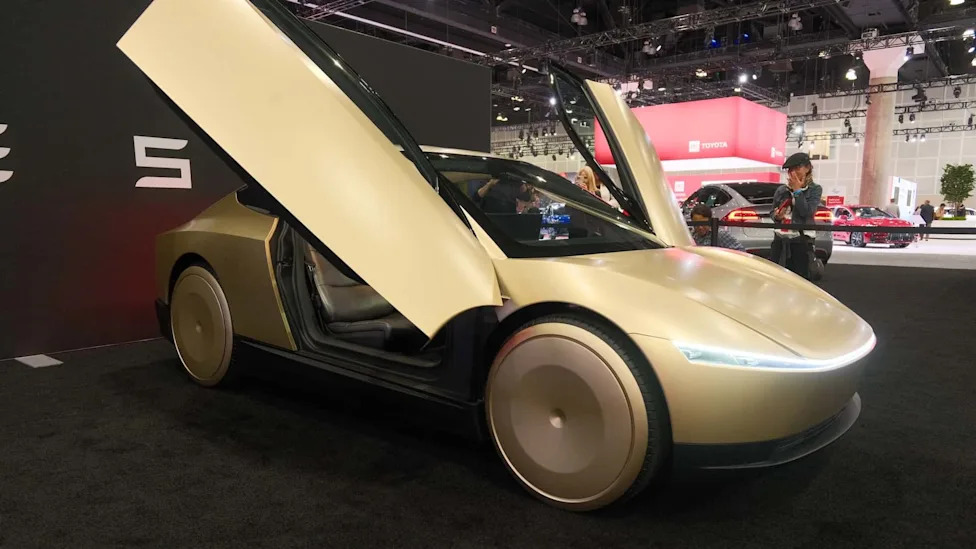
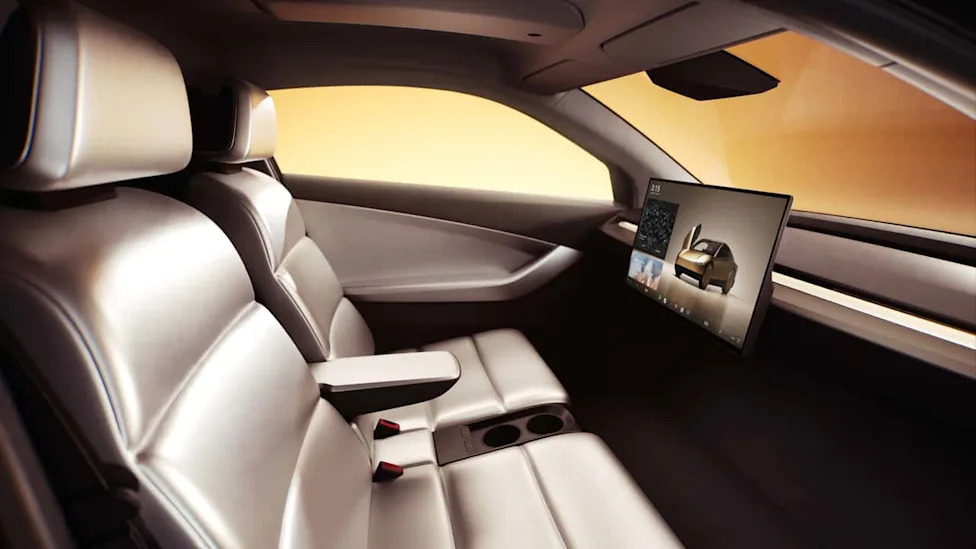
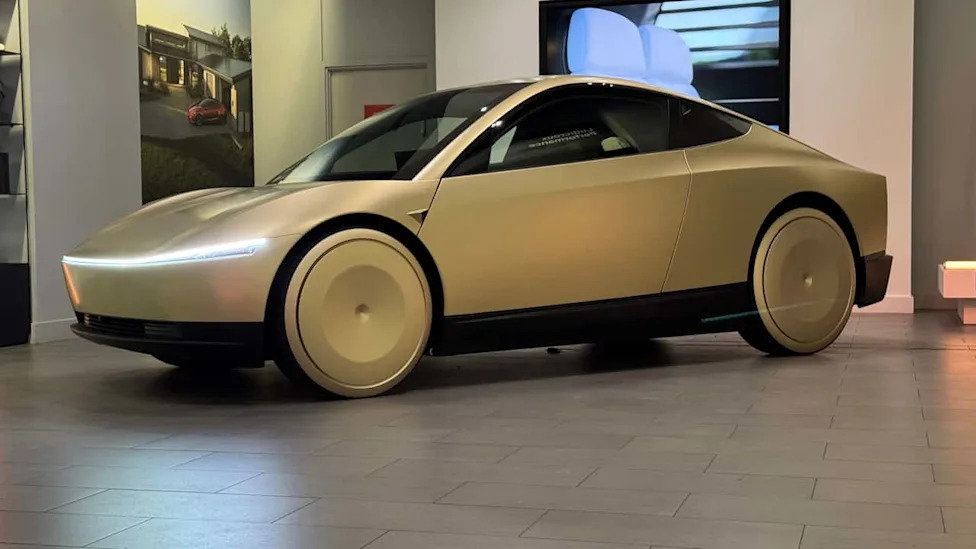
Tesla Cybercab, LA Auto Show 2024Tesla scheduled a Cybercab launch event for next week. But will you actually be able to buy one for $30,000?Tesla's steering wheel-free, scissor door-having Cybercab is apparently ready for primetime.The two-seat robotaxi is getting an official launch event next Thursday in Austin, the carmaker announced this week. How quickly Cybercabs will actually hit streets—and whether you'll be able to buy one for $30,000 anytime soon—are just some of the questions hanging over this rollout. A big one centers around software. Specifically: Is Tesla's good enough? Famously, Elon Musk is betting that he can make Tesla an autonomous-vehicle juggernaut using cameras alone. The Cybercab was built from the ground up around that gamble. But how reliable Tesla's system is at scale is still an open question. Many experts argue that sensor redundancy through lidar and radar is key for safety. Industry leader Waymo took a not-so-subtle shot at Tesla's strategy this week by saying in a blog post that cameras are "not enough" for safe autonomous driving at scale.AdvertisementAdvertisement[We discuss the Cybercab and more on this week's Plugged-In Podcast, available wherever you listen/watch.]To Tesla's credit, its Robotaxi service does now offer driverless Model Y rides in Austin and some other markets, and that part of the business seems to be growing. On X this week, Tesla said its "unsupervised fleet is a lot bigger" and that it had extended its operating hours. Ethan McKanna of the crowdsourced Robotaxi Tracker website has detected a significant uptick in unsupervised rides, The Verge reported. But the Robotaxi rollout has also been far more sluggish than Musk once promised. Last year, it was supposed to be "hyper exponential" and cover half the U.S. population by the end of 2025. On recent earnings calls, Musk has struck an uncharacteristically reserved tone, noting that the company is moving slowly to ensure safety. Tesla's robotic taxi business remains far behind Waymo, which has thousands of vehicles in U.S. cities and is doing more than 500,000 autonomous rides per week. To date, the Alphabet subsidiary has logged over 200 million driverless miles, while Tesla has done in the neighborhood of 380,000, per its last earnings call. Tesla Cybercab RobotaxiThe Cybercab rollout may not actually be that fast, either. Data is part of the reason. "Because it is a new vehicle chassis," Musk said on Tesla's latest earnings call, "we need to accumulate driving data that is specific to the Cybercab before we can put a lot of them on the road." Hence why golden, human-driven Cybercabs have been spotted all over the country, with retrofitted steering wheels. We'll have to see how long that project takes. There's another reason for caution: The flashy, instantly recognizable cars will put any missteps by Tesla's autonomous system on full display. AdvertisementAdvertisementI'd also like to know: What's going on with those wireless chargers? Tesla has said the cabs would charge wirelessly, much like a phone does, presumably so they could operate with as little human intervention (and cost) as possible. It also showed off a video of a robotic vacuum cleaning out a cab. But lately we've heard little about the infrastructure or logistics required to operate Cybercabs, and what exactly is being built. Cybercabs have also been spotted testing with a conventional charging port, so perhaps the plans have changed. Critical Materials subscribers got this story early.Our Friday newsletter breaks down the week's biggest EV news. Sign up today!Remember, though, that operating an Uber-like robotaxi network has always been just part of the Tesla pitch. Musk's core promise—the reason Tesla's market cap is over 10 times that of General Motors—is that this is the company that will make your car drive itself. In 2024, Musk said anyone would be able to buy a Cybercab for $30,000 and add it to the Tesla network to earn side income. Right now, there is no vehicle you can buy with Level 4 capability, so this would be a huge milestone. It's not clear if next week's event will include anything about public sales or bring Tesla closer to fulfilling its years-long promise of making personally-owned autonomous cars. While consumer-grade Full Self-Driving has clearly gotten better over the years, it still carries the (Supervised) caveat and sometimes botches the basics of driving in frightening ways—like failing to brake for a giant tree in the road or a railroad crossing. The Tesla Cybercab seen liveThere's also the question of legally selling or deploying a vehicle without features typically required by federal motor vehicle safety standards, like brakes, side mirrors, and a steering wheel. Amazon-owned Zoox recently got an exemption from the U.S. government to commercially deploy up to 5,000 of its toaster-shaped pods, which also lack such accoutrement, over two years. So it isn't impossible. But it's not clear whether Tesla is also looking into this kind of carveout or going another route, like self-certifying that its vehicle complies with relevant regulations, to make the Cybercab street legal.AdvertisementAdvertisementSo the Cybercab is coming soon, in some form or fashion. How much of Musk's grand vision is coming with it—sheer robotaxi dominance and self-driving cars in every garage—may take a while longer to figure out.Contact the author: [email protected] More EV NewsIs Telo Trucks The Real Deal? I Interviewed The Founders To Find OutLucid Recalls 27,185 Air Sedans Over Fire Risk, Tells Owners To Park OutsideDoes Ultra-Fast Charging Ruin An EV Battery? BYD Did It 350 Times In 9 Days To Find OutAptera's Solar-Powered EV Can Go 47 Miles On Sun Power Alone—In Theory
















 +38 others


![Tesla, Battery, Not sold on Tesla Powerwall? There are great battery alternatives out there [update]](https://cdn.topcarnews.net/thumb/id/aHR0cHM6Ly9pMC53cC5jb20vZWxlY3Ry-ZWsuY28vd3AtY29udGVudC91cGxvYWRz-L3NpdGVzLzMvMjAyNi8wNy9ob21lLXNv-bGFyLWJhdHRlcnkucG5nP3c9MTUwMCZh-bXA7cXVhbGl0eT04MiZhbXA7c3RyaXA9-YWxsJmFtcDtzc2w9MQ/18e81f395a77dbb42269ab5e106fea41.png?t=20261009&post_id=68280)
![Tesla, Battery, Not sold on Tesla Powerwall? There are great battery alternatives out there [update]](https://cdn.topcarnews.net/thumb/id/aHR0cHM6Ly9lbGVjdHJlay5jby93cC1j-b250ZW50L3VwbG9hZHMvc2l0ZXMvMy8y-MDI2LzA4L3NvbGl4LXgxLWNvcHkuanBn/a9fe4985234387a08124ce5984c09772.jpg?t=20261009&post_id=68280)
![Tesla, Battery, Not sold on Tesla Powerwall? There are great battery alternatives out there [update]](https://cdn.topcarnews.net/thumb/id/aHR0cHM6Ly9lbGVjdHJlay5jby93cC1j-b250ZW50L3VwbG9hZHMvc2l0ZXMvMy8y-MDI2LzA4L2JsdWV0dGlfRVA4MDAtY29w-eS5qcGc/2d9344a919e78ef6ada1803d9a030ce2.jpg?t=20261009&post_id=68280)
![Tesla, Battery, Not sold on Tesla Powerwall? There are great battery alternatives out there [update]](https://cdn.topcarnews.net/thumb/id/aHR0cHM6Ly9lbGVjdHJlay5jby93cC1j-b250ZW50L3VwbG9hZHMvc2l0ZXMvMy8y-MDI2LzA4L0Vjb0Zsb3ctREVMVEEtUHJv-LVVsdHJhLmpwZw/eff5ecb316465dcf28dd74e9eb1b324c.jpg?t=20261009&post_id=68280)
![Tesla, Battery, Not sold on Tesla Powerwall? There are great battery alternatives out there [update]](https://cdn.topcarnews.net/thumb/id/aHR0cHM6Ly9lbGVjdHJlay5jby93cC1j-b250ZW50L3VwbG9hZHMvc2l0ZXMvMy8y-MDI1LzEwL2dhcmFnZV9iYXR0ZXJ5XzVf-c3lzdGVtX2NvbnRyb2xsZXJfM19VUy0x-LmpwZw/116b4706c7e7c77633518a677e92bdc3.jpg?t=20261009&post_id=68280)
![Tesla, Battery, Not sold on Tesla Powerwall? There are great battery alternatives out there [update]](https://cdn.topcarnews.net/thumb/id/aHR0cHM6Ly9lbGVjdHJlay5jby93cC1j-b250ZW50L3VwbG9hZHMvc2l0ZXMvMy8y-MDI2LzAyL2dtLWVuZXJneS0xLTUud2Vi-cA/f6c358bbb69cf5917e5d0d7d5cb1c03d.webp?t=20261009&post_id=68280)