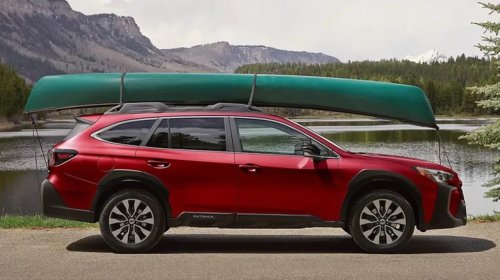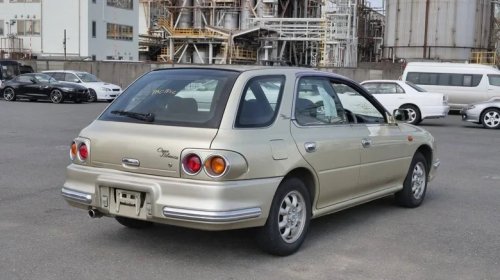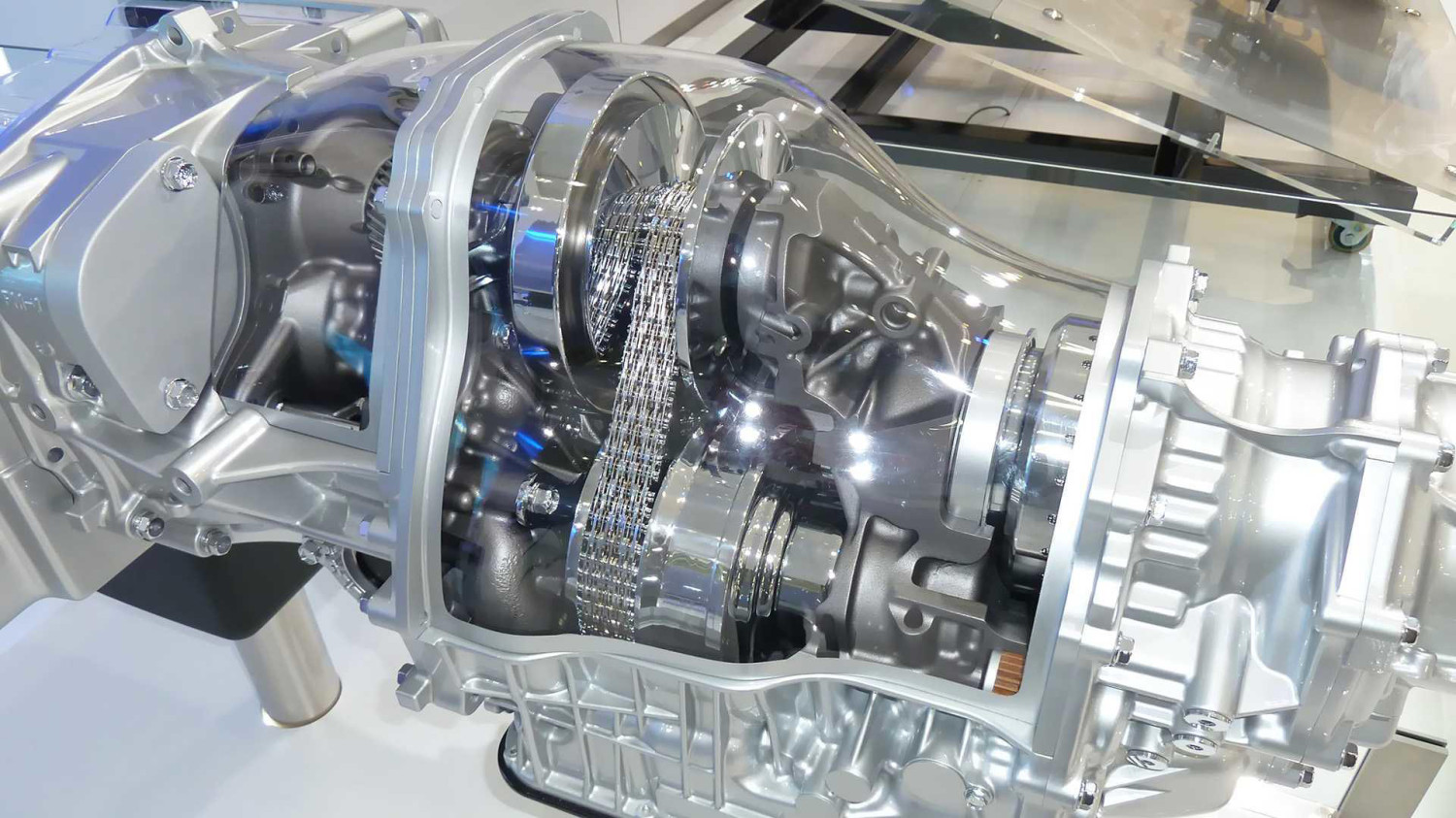
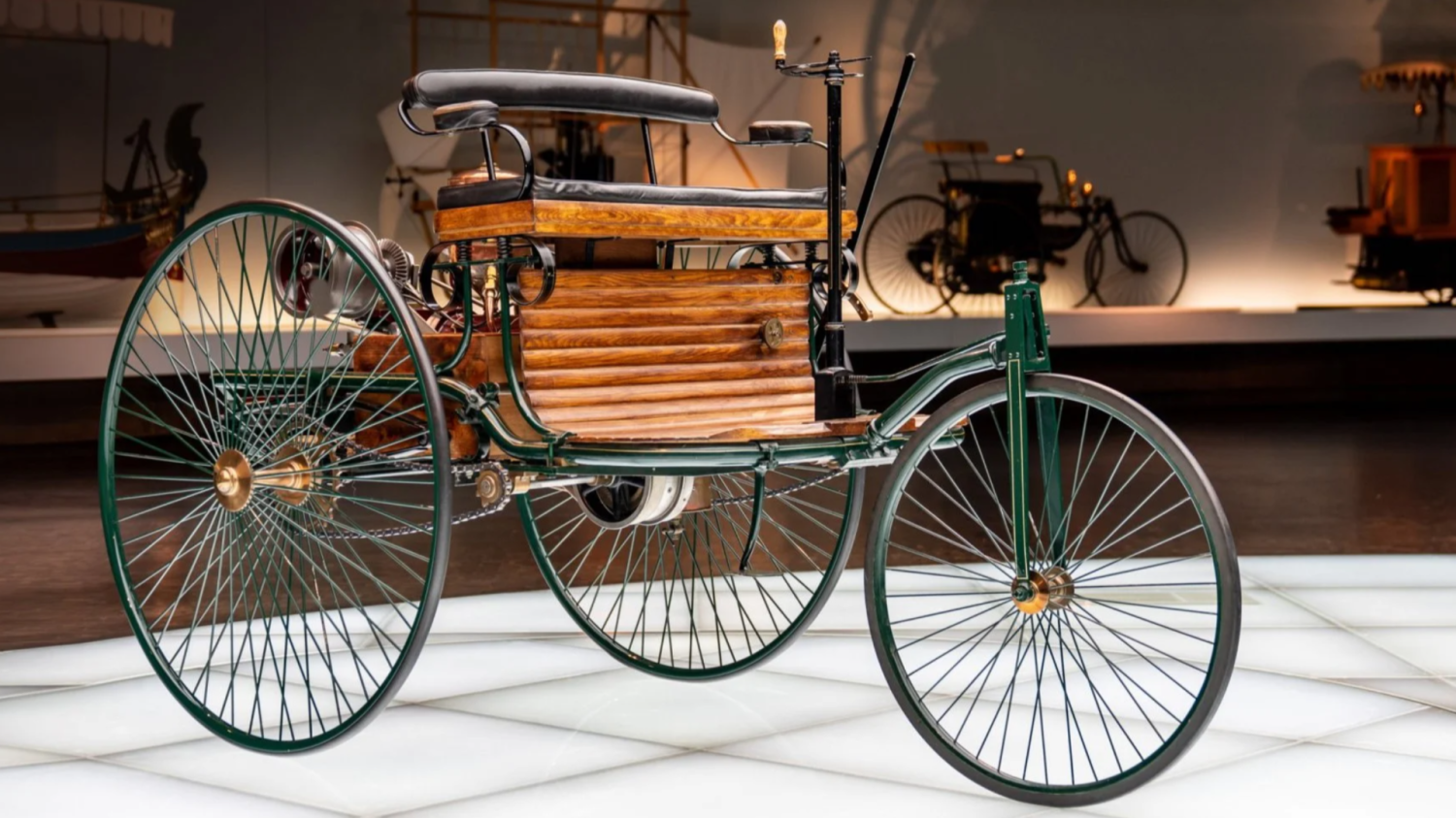





















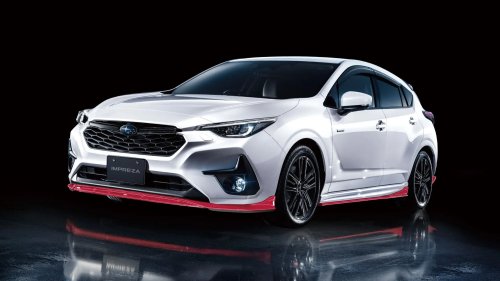



UPDATE: March 10, 2026 Added new information to this post on CVT history and evolution through the years.While the continuously variable transmission (CVT) seems like a relatively recent addition to Subaru vehicles, they've been around since the late 1980s. The small Justy hatchback was a pioneer of modern CVTs, and now, nearly every Subaru model from WRX to Outback is available with a CVT either as an option or as the sole transmission.Having lots of experience with CVTs doesn't necessarily mean that they're perfect, though. YouTube channel I Do Cars got hold of an example that completely failed and dug into it to see what happened. We're used to seeing Eric rip apart wrecked engines, but now, here's a chance to see what a wrecked CVT looks like. The Problem Was Pretty Clear While sometimes an engine or transmission will hide its problem till the end, that's not the case with this Subaru CVT. It came out of a 2013 Outback, and he said that the used parts seller that sold it typically offers transmissions with between 90,000 and 140,000 miles. As you'll see in the video above, the danger signs are readily apparent from giant chunks of metal on the fluid pan's magnet for collecting debris.Eric then pulls off the filter that sits above the pan and finds the chain. The chain is the most critical part of the transmission, because in a CVT, this is what transmits power from the engine and input shaft, to the output shaft and the wheels. It sits on two pulleys with a sort of cone shape, and by sliding the chain back and forth, the ratios change. It works a little like the sprockets and chains on a bicycle, except the chain can be placed virtually anywhere on the CVT's pulleys rather than in set spots on your bicycle's sprockets.Subaru In this case, the chain wasn't on the pulleys at all. Apparently, the chain broke and slid off between a protective shield and the filter housing. Some of those bits on the magnet were links on the chain. This led to some other damage, too, but we won't give away everything from the video.The weird thing about this failure, though, is that Eric doesn't find anything that might have led up to the break. So, maybe it was a fluke, or maybe the transmission was put under some extreme and sudden strain. It certainly has us thinking twice about slamming the throttle on our next Subaru media loan. The Ups And Downs Of CVTs Looking at this, you might be wondering why a company would ever mess with a CVT in the first place, since it seems like there's a literal weak link in the system. The biggest advantage is with efficiency. The car isn't limited to just a few gear ratios, so, depending on what's desired, the transmission can select the perfect ratio for high fuel economy or even for maximum power and torque delivery. Plus, a lack of any actual gears means there aren't any actual shifts to smooth out.On the flip side, the driving experience often feels strange, since we've had more than a century of driving cars with specific gear ratios. In fact, many automakers tune their CVTs to mimic some of the characteristics of a conventional automatic transmission, even having paddle shifters for manual changes. Additionally, because the ratio changes don't have a clear change, and because the rising engine rpm isn't directly connected to vehicle speed, a CVT can provide an odd disconnected feeling. CVT's Are Actually Old Tech Monochrome WatchesIt may seem like CVTs have spung up in the automotive world fairly recently, but the fundamental concept of continuously variable transmissions is actually old – really old. Leonardo da Vinci is credited as designing a device that utilized gears following a cone-shaped screw, driving an output shaft through what would be a variable ratio. This is back in the 15th century, mind you, long before automobiles were even a teeny blip in society.When cars did arrive, it's probably no surprise that the 1886 Benz Motorwagen had a rudimentary belt drive, functioning similar to a CVT though not in a truly variable sense. The first mass-produced car to use a CVT is credited to the DAF 600, a small Dutch two-door sedan that entered production in 1959. Beyond the four-wheeled automotive world, CVTs have long been used for mopeds, motorcycles, snowmobiles, and in industrial applications such as sawmills.They're certainly not perfect for every car or driver, but they do have a place, at least for now. And like it or not, these transmissions will probably stick around for a long time to come.