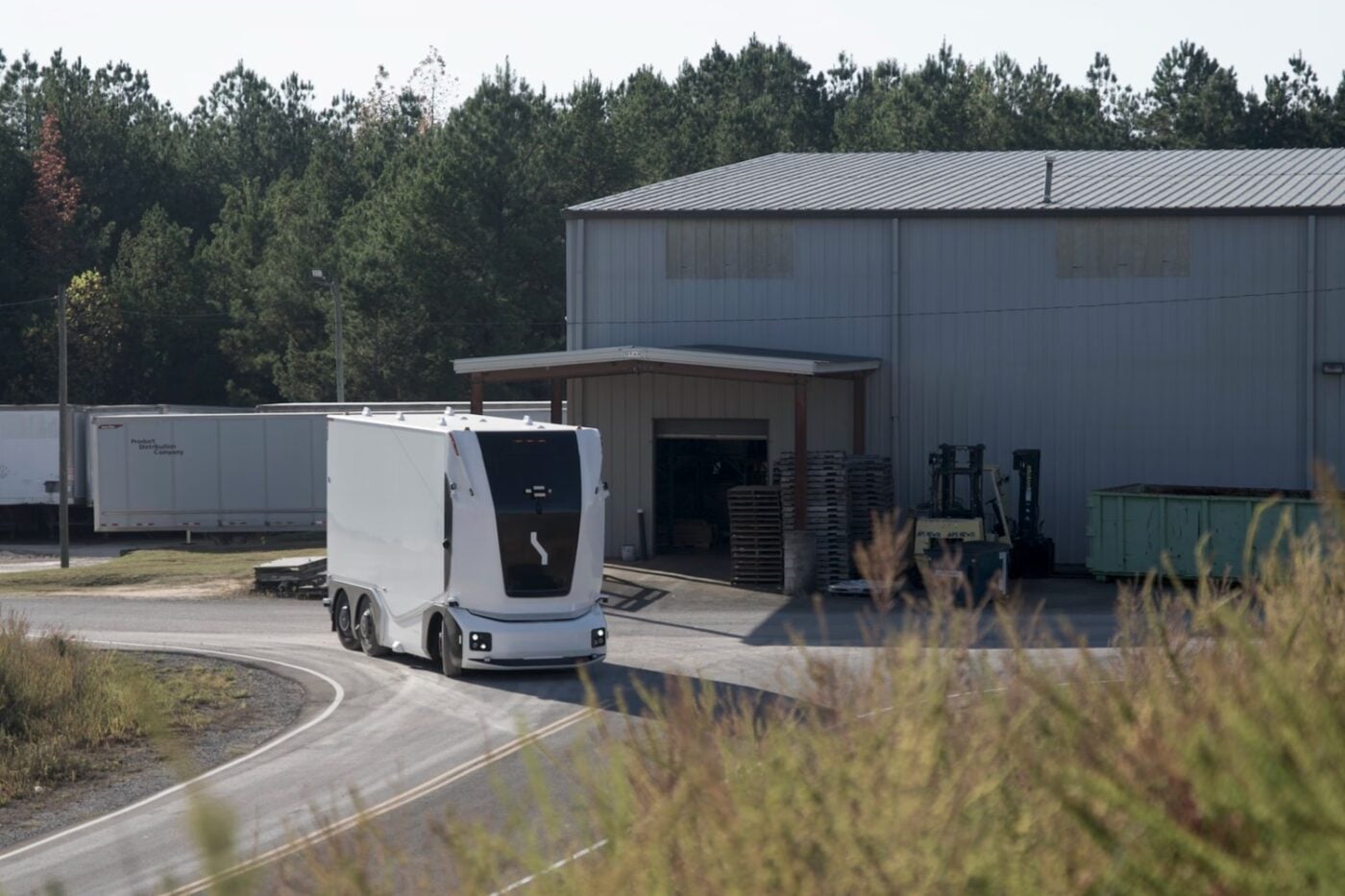
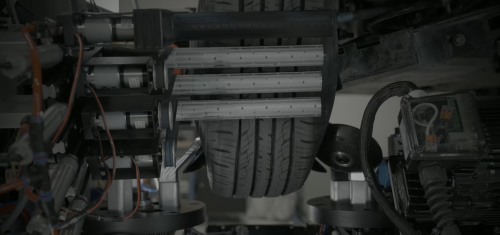
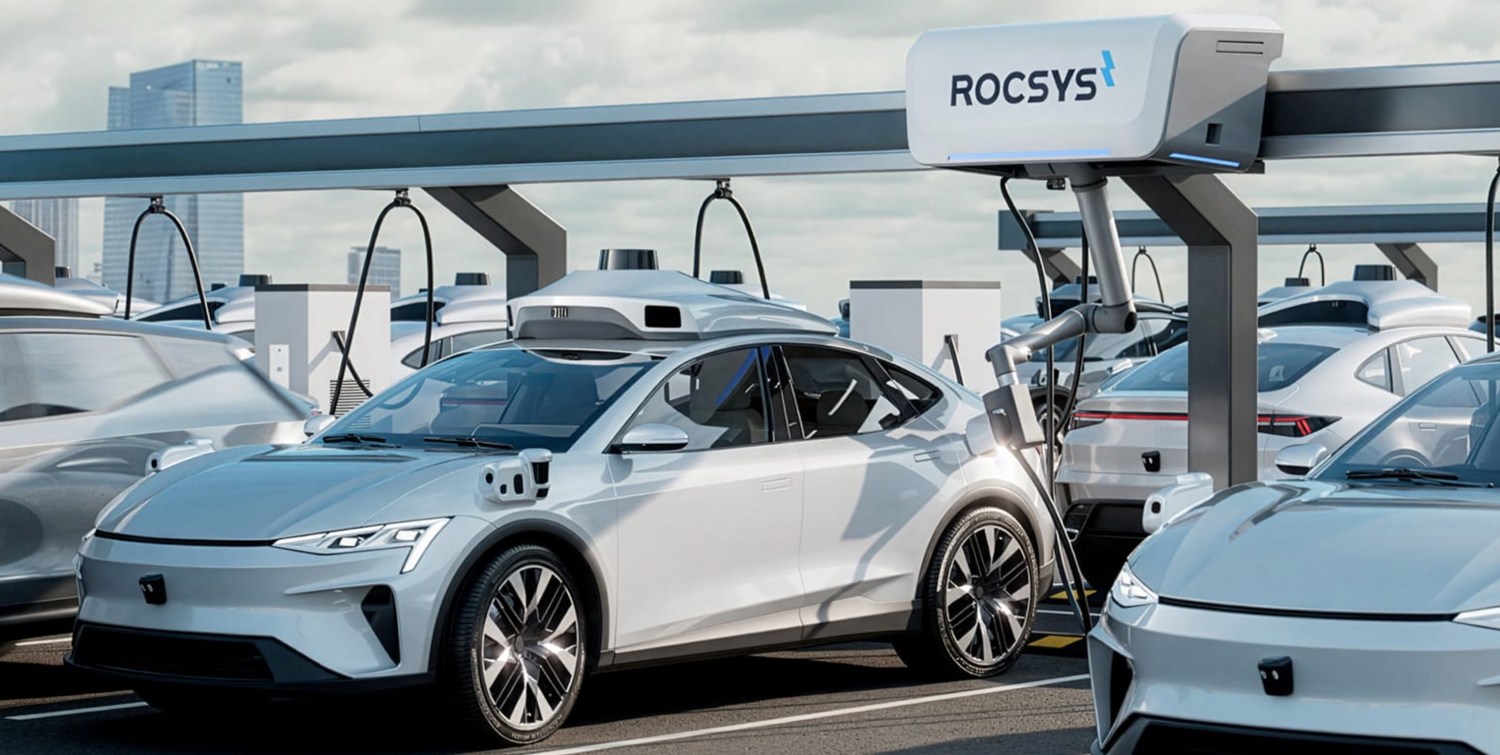
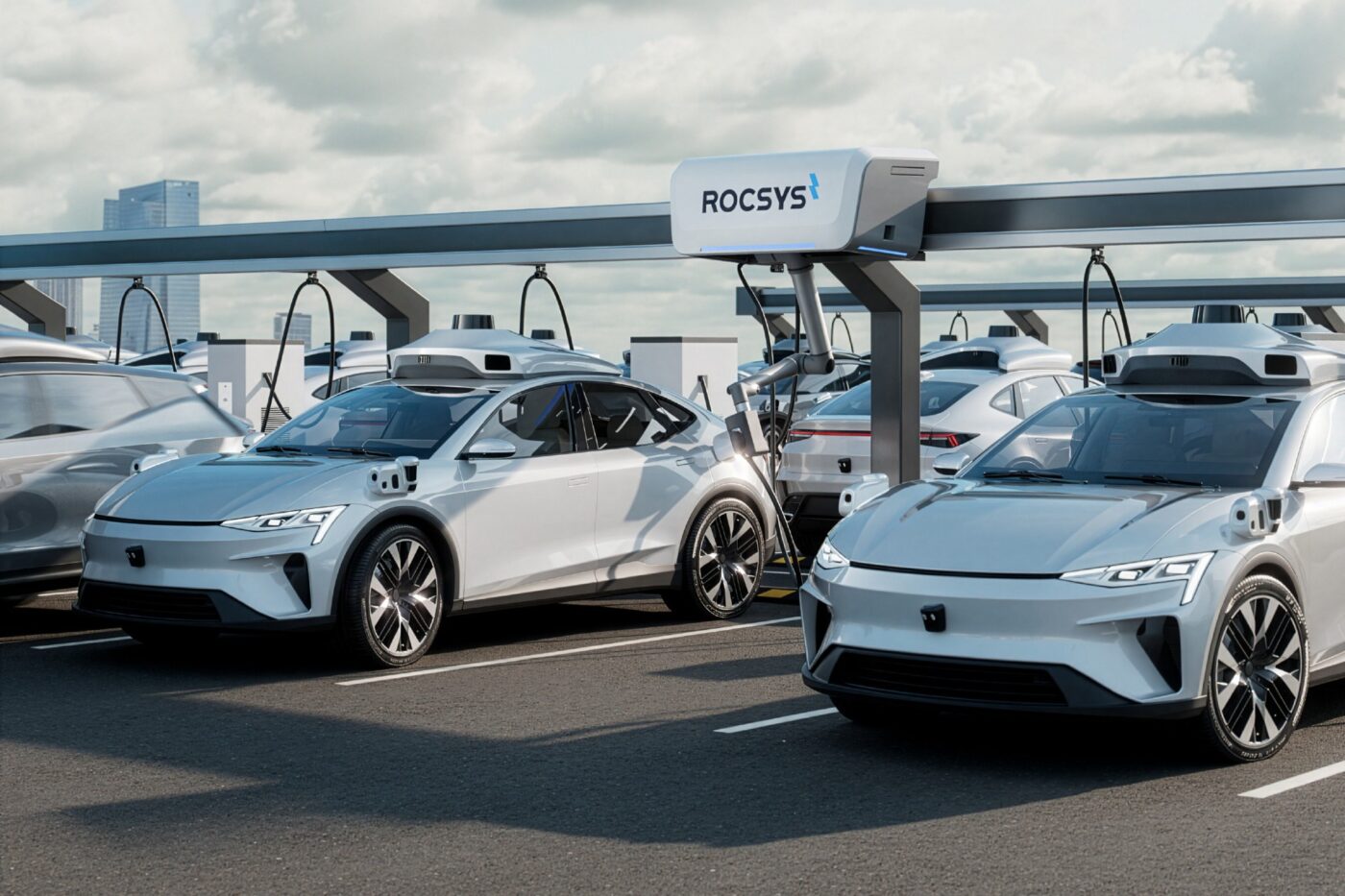
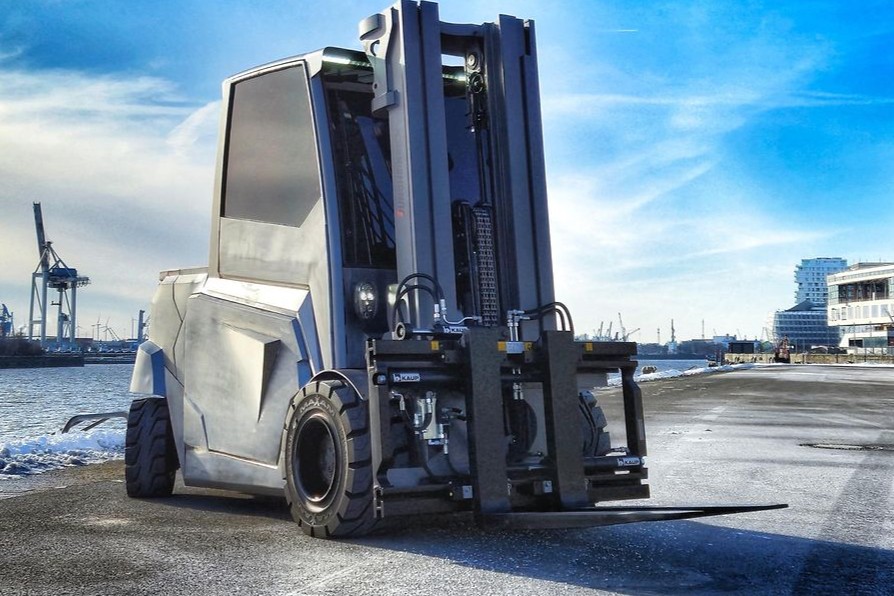
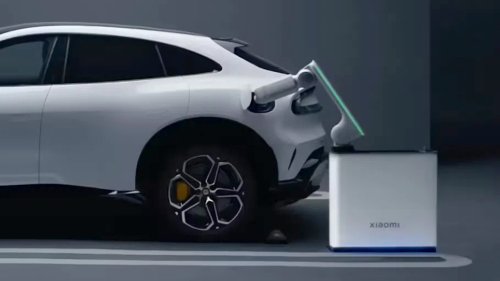
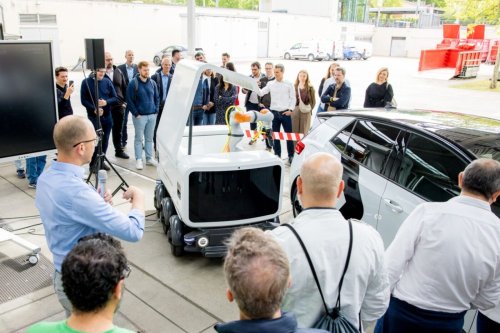
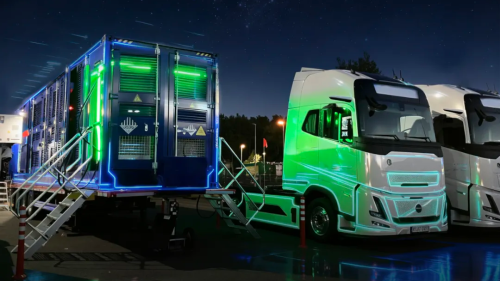
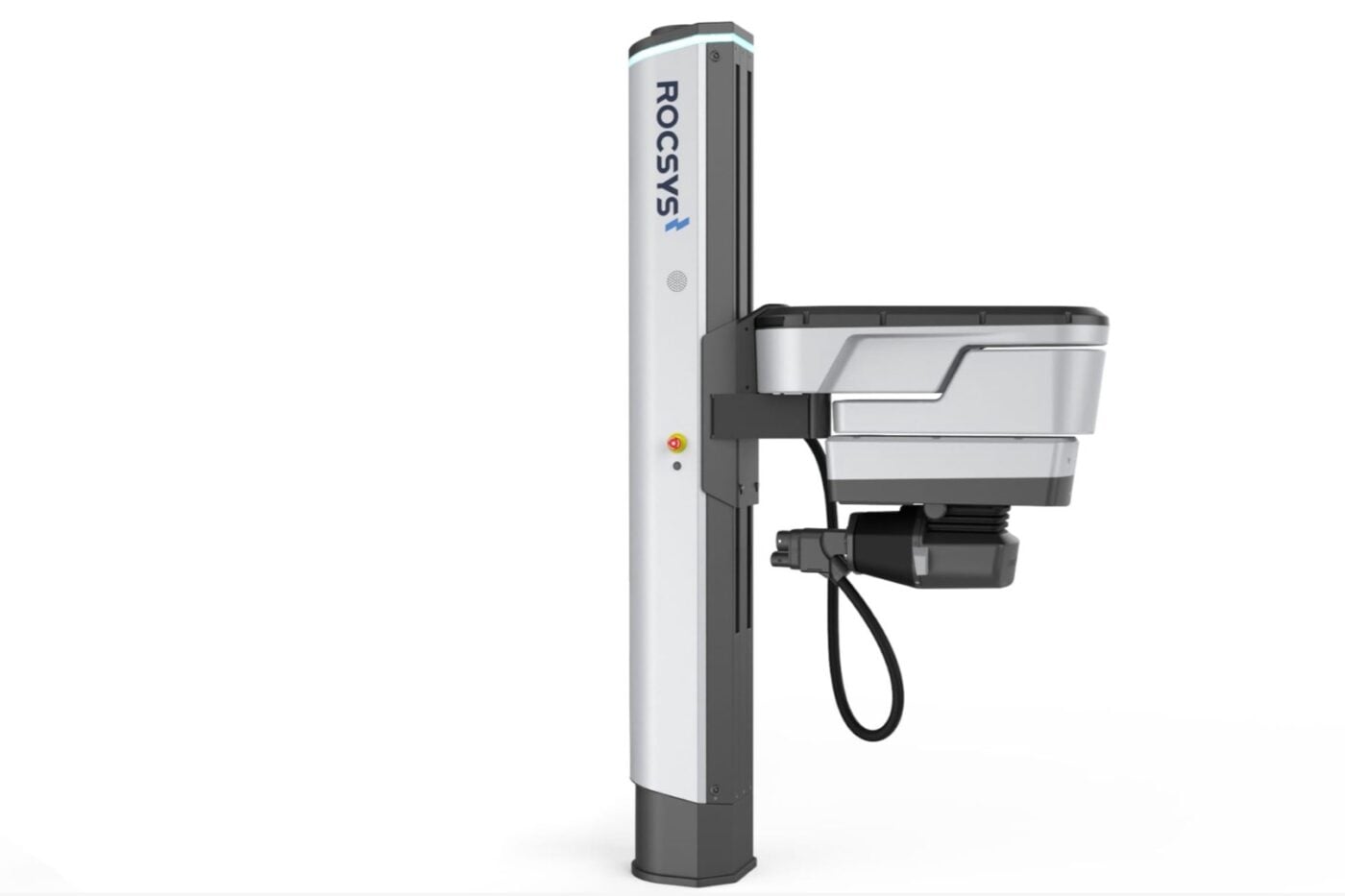
Image: RocsysThe core idea behind Rocsys is to provide a fully automatic charging arm that can be installed as an extension to standard charging stations from various manufacturers. It enables ‘hands-free charging,’ which is particularly useful in demanding environments such as ports and robotaxi fleets.Using computer vision and motion analysis, the S2 charging robot detects the position and orientation of a vehicle’s charging port with sub-millimetre precision. It adapts in real time to changes in parking position and environmental conditions, including rain, dust, shadows, and poor lighting.Unlike the more basic M1 system, designed primarily for robotaxis, the S2 is engineered for even greater robustness in challenging environments. Rocsys is targeting ports, distribution centres, and other logistics facilities in particular. After all, its predecessor, ROC-1, is already in use at the Port of Rotterdam, demonstrating the demand for charging robots in such environments—even when used alongside autonomous vehicles.The S2 charging robot is available in two configurations: the standard S2 version, suitable for general vehicle fleets, and the heavy-duty S2-H version, which is equipped with additional protective features. These include enhanced coating, surround lights, and reflectors for harsh industrial environments. IP-protected components, customisable force absorption, and a 7-motor control system ensure safe, smooth, and predictable operation, according to the Dutch startup.Crijn Bouman, CEO and Co-Founder of Rocsys, said: “Rocsys S2 brings our hands-free charging technology into its next commercial phase. Heavy-duty electric fleets need charging infrastructure that works reliably in real operating conditions, across mixed vehicles, chargers and site layouts. Built on more than six years of field experience, S2 gives customers a practical way to add hands-free charging to existing operations and keep vehicles ready when they are needed.”rocsys.com

















 +8 others