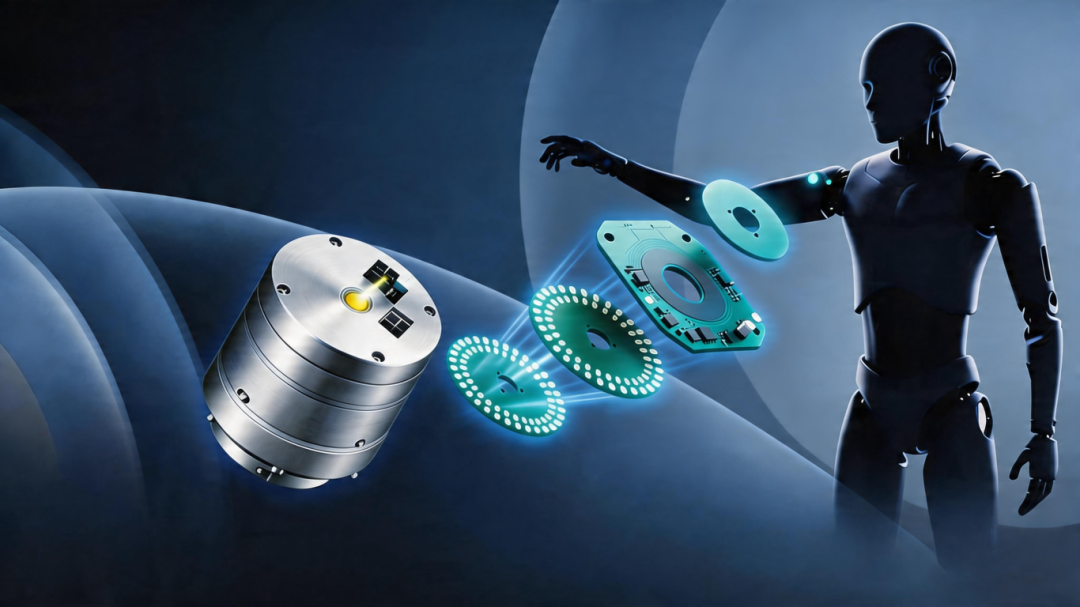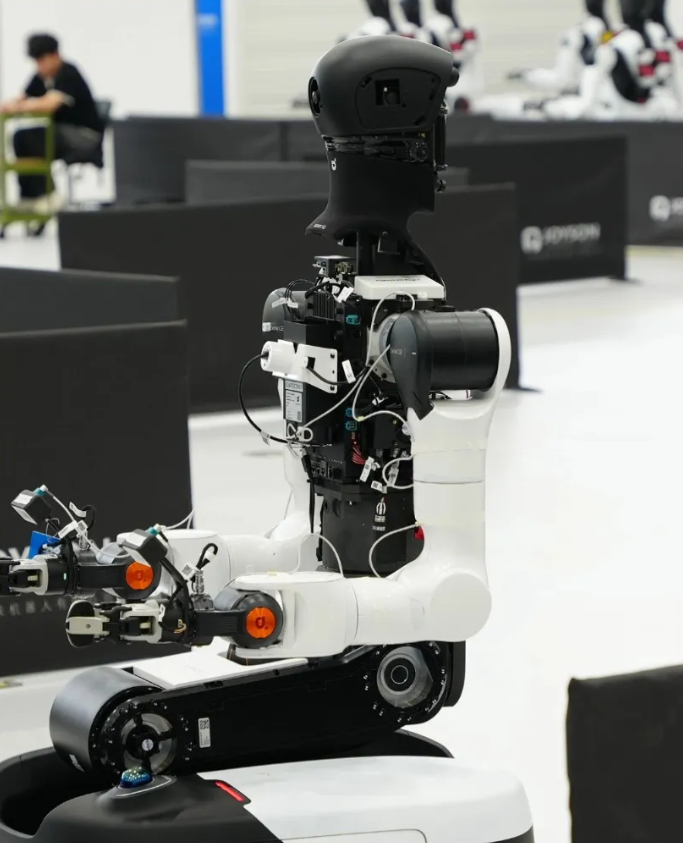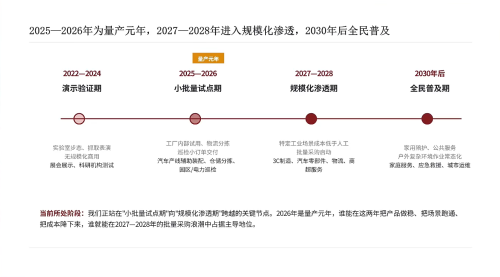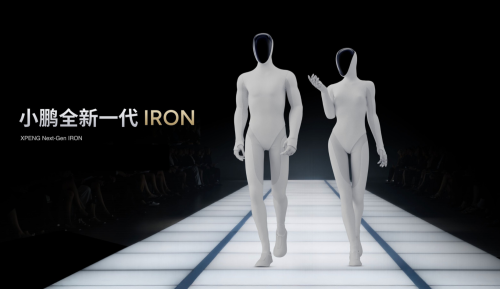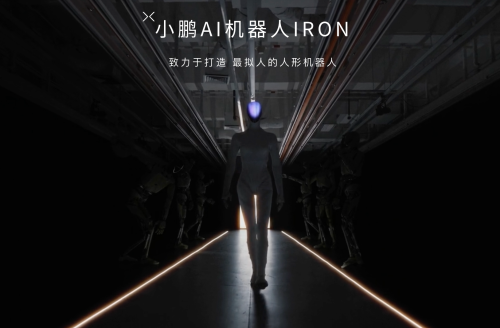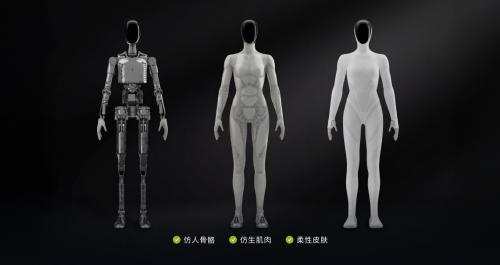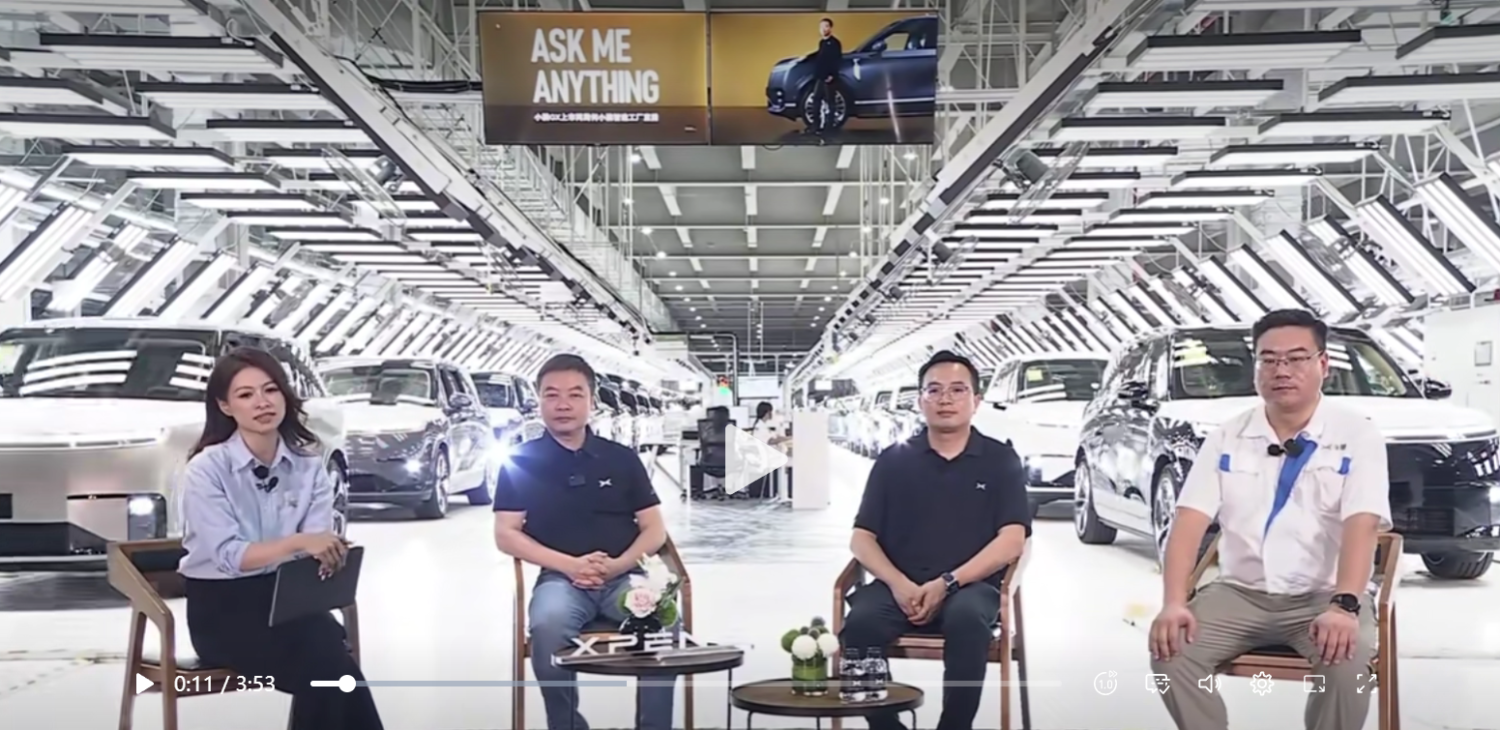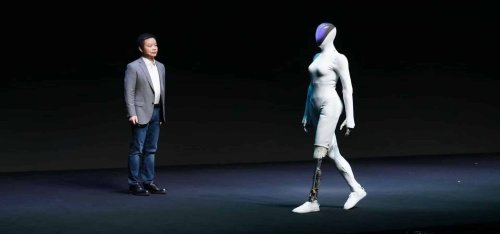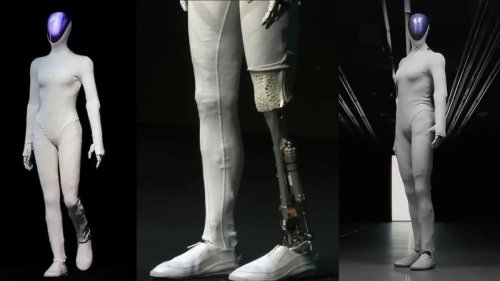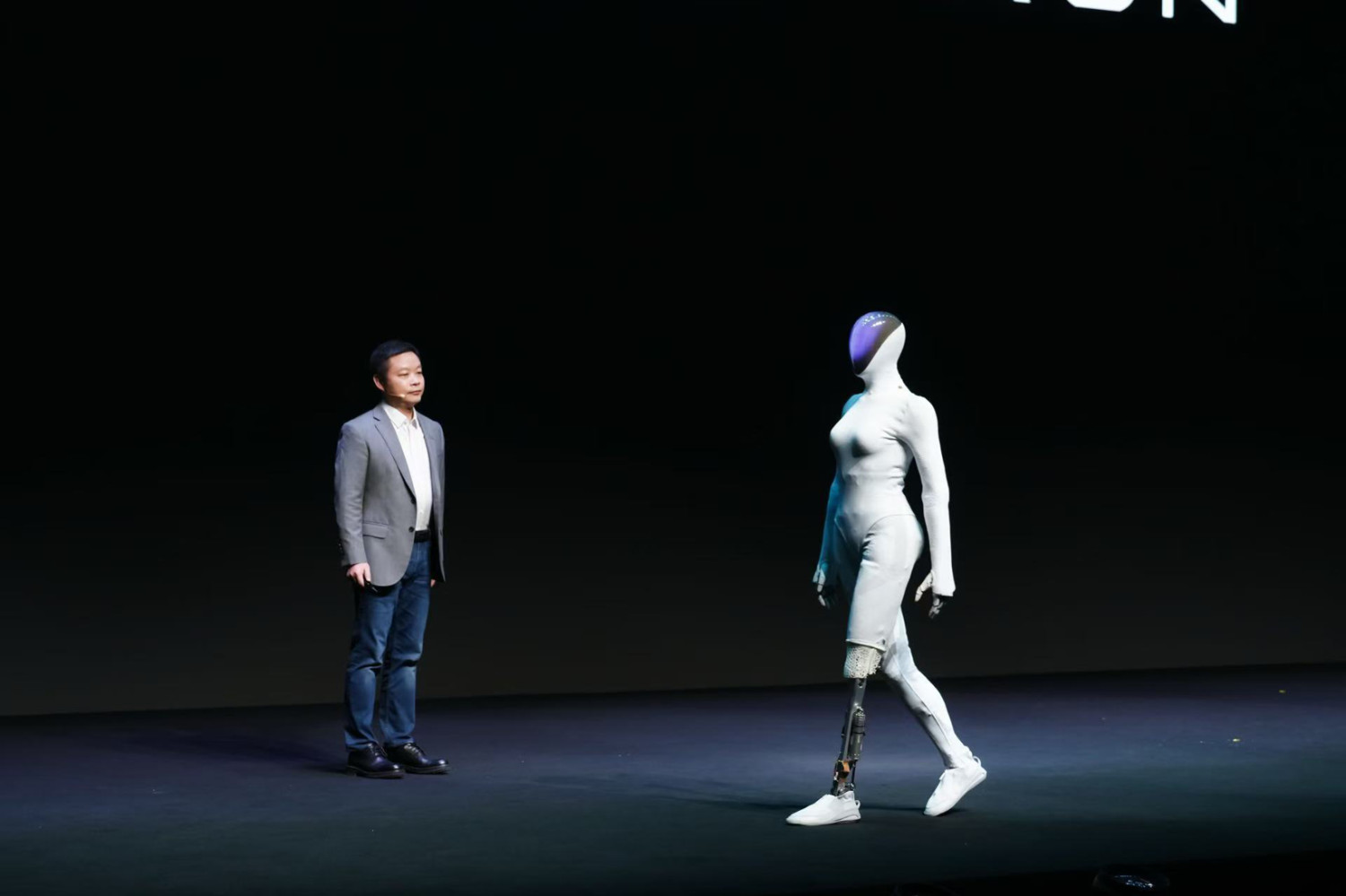



















Gasgoo Munich- He Xiaopeng issued an internal memo declaring he would personally take direct control of the robotics business.In the memo, He noted that XPENG's humanoid robot division has reached a critical juncture. It stands on the threshold of mass production and delivery—a stage comparable to where the automaker was eight years ago, just before launching its first vehicle, the G3.Image source: XPENGOn May 28, Gasgoo reported that He, during an interview, suggested 2027 would likely mark the first year of commercial mass production for advanced humanoid robots.He views robots as the core vessel of "Physical AI." Given their inherently high software value, he argues that once their capabilities break through, their speed of scaling could far outpace that of automobiles.XPENG has chosen the difficult path of developing general-purpose humanoid robots that most closely resemble humans. To that end, the company reorganized its team to focus on using AI—rather than traditional software engineering—to drive the robot's brain and motion control.He predicts that starting in 2027, Physical AI will begin to provide significant assistance—and even replace—many roles, much like digital AI has done.On May 27, Gasgoo noted that XPENG Group recently held a mobilization meeting for robot mass production. Nearly 1,000 employees from various divisions—including automotive, powertrain, manufacturing, testing, and general intelligence—attended the gathering.Key executives in attendance included He Xiaopeng, Vice President Gu Jie, and LC Mi, head of the robotics center. The meeting signals that XPENG's robotics business has officially entered the sprint phase for mass production.According to reports, He outlined key milestones at the meeting: achieving mass production of humanoid robots by the end of 2026, with a target to deploy them in XPENG's offline stores as sales assistants in the first quarter of 2027. He emphasized that XPENG's robots are fully self-developed—from chips to operating systems, and from joints to dexterous hands—making the company the only one in China with full-stack proprietary technology. He argued that this high upfront investment would yield superior quality, aesthetics, and comprehensive capabilities.