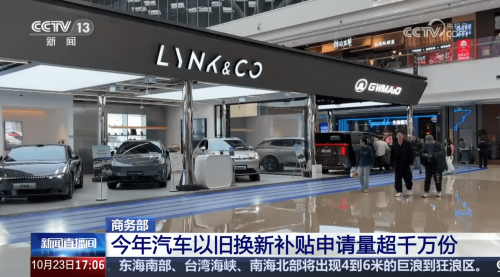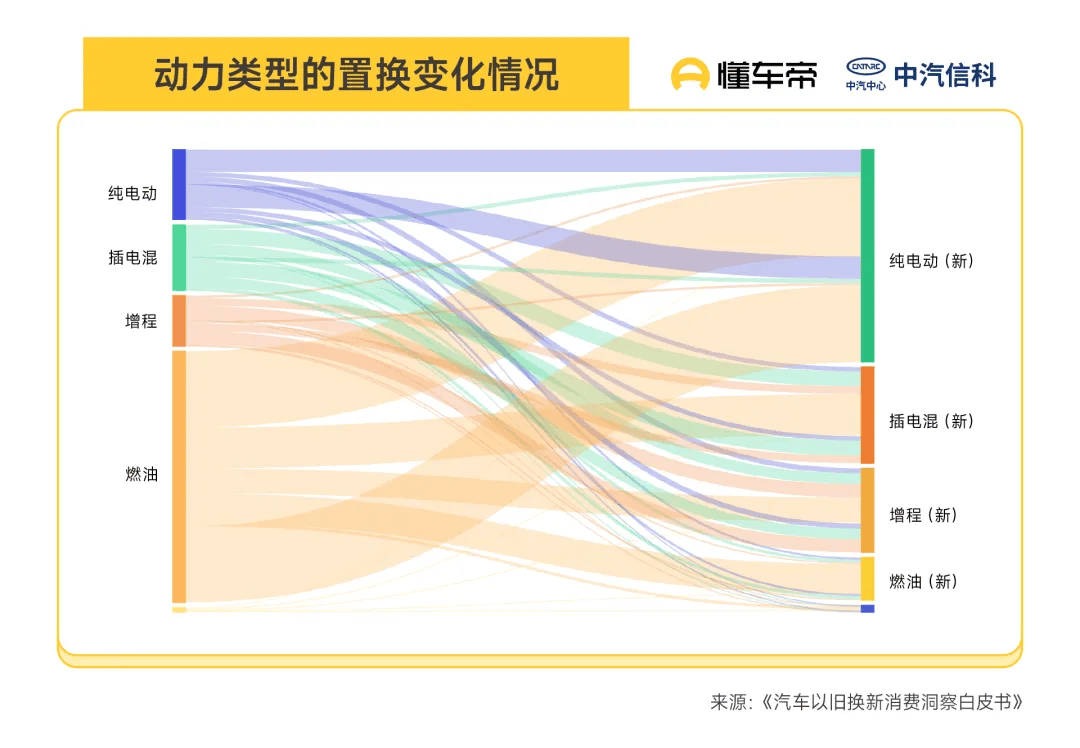
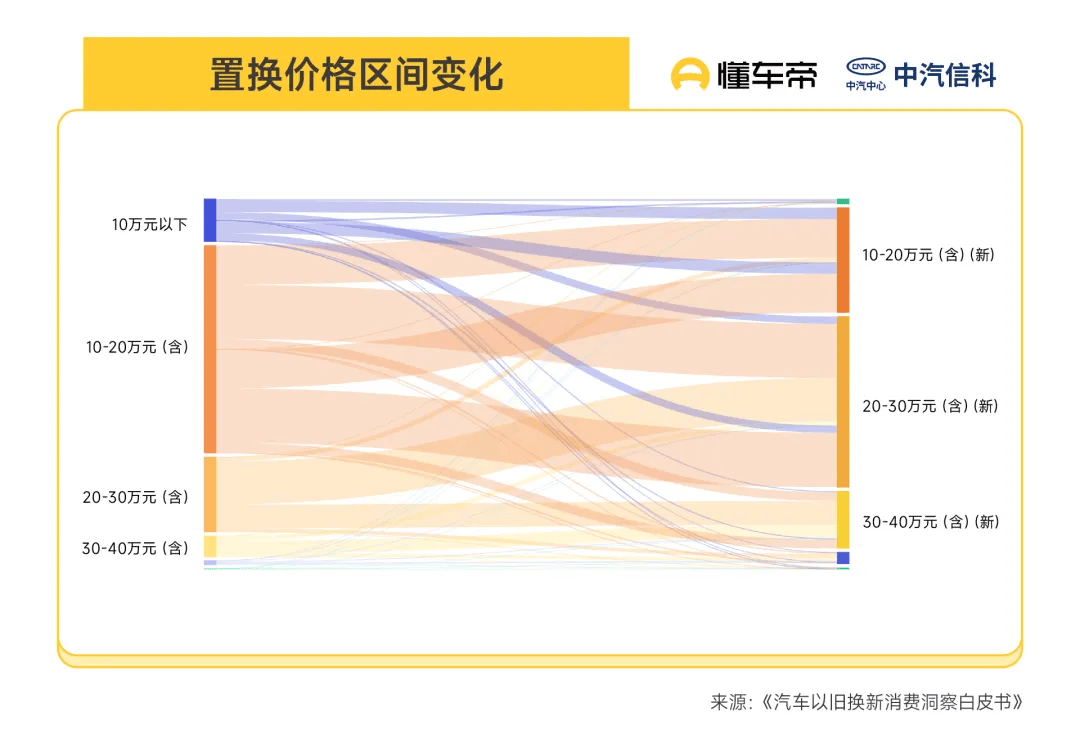



















Among ICE owners in trade-ins, 81.2% shifted to NEVs, including 43.7% opting for BEVs, 23.4% for PHEVs and 14.1% for EREVs. On March 2, Dongchedi, the official platform designated for China’s vehicle trade-in program, in collaboration with China Automotive Information Technology (CATARC-affiliated), released the Automotive Trade-In Consumption Insight White Paper. The report shows that from 2024 to 2025, total vehicle trade-in transactions in China reached 18.3 million units, of which new energy vehicles (NEVs) accounted for nearly 60%. Survey data indicate that while internal combustion engine (ICE) vehicles represented 64.1% of cars traded in, they accounted for only 13.3% of replacement purchases. Trade-in transitions between different types of powertrains for China 2025 Among ICE owners participating in trade-ins, 81.2% shifted to NEVs, including 43.7% choosing battery electric vehicles, 23.4% plug-in hybrids and 14.1% extended-range electric vehicles. In terms of pricing, vehicle replacement trends reflect clear consumption upgrading. Consumers trading in vehicles priced below RMB 150,000 ($21,000) accounted for 59% of the total. After replacement, 74.1% of users opted for new vehicles priced above RMB 200,000 ($28,000), with the RMB 200,000–300,000 ($28,000–$42,000) range emerging as the most popular segment. Vehicle trade-in changes in price segments for China 2025 Regarding replacement cycles, 70% of ICE owners had owned their cars for more than five years prior to trade-in, with 33% in the five-to-eight-year range and 37% exceeding eight years. By contrast, 92% of NEV owners replaced their cars within five years. The primary driver is the accelerated iteration cycle of China’s NEV products, with continuous improvements in driving range, intelligent features and advanced driver assistance capabilities. NEV trade-in periods for China’s NEVs in 2025 A survey of more than 3,000 users shows that 42% replaced vehicles to obtain a more economical powertrain, while 27% sought improved driving experience. For consumers pursuing upgrades, intelligent and premium configurations in NEVs were identified as the core attraction, cited by 43% of respondents. With the vehicle trade-in policy continuing nationwide in 2026, industry forecasts suggest it could stimulate incremental new vehicle sales of more than 1.5 million units this year.