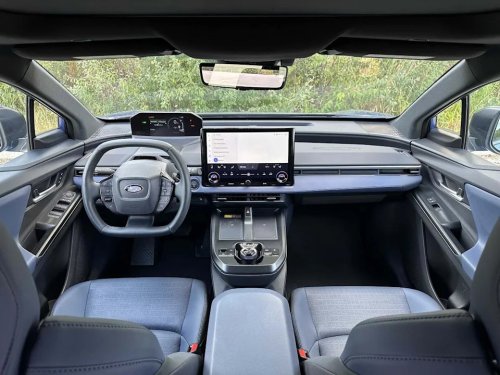
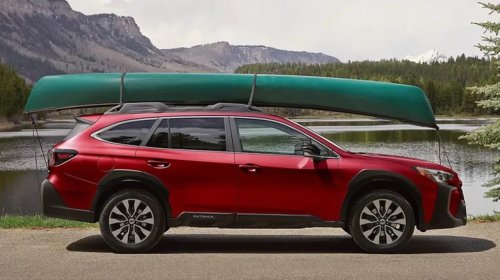
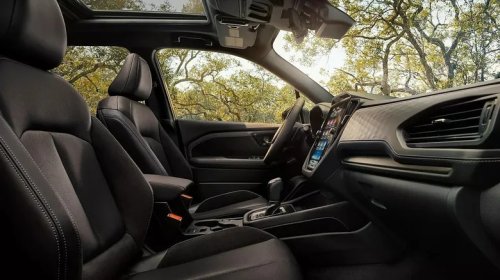
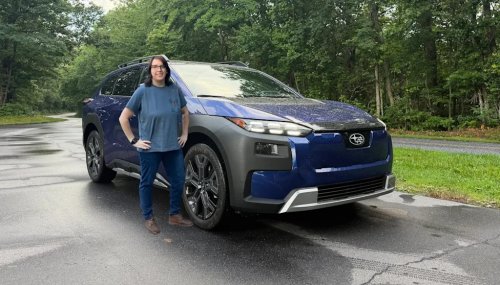
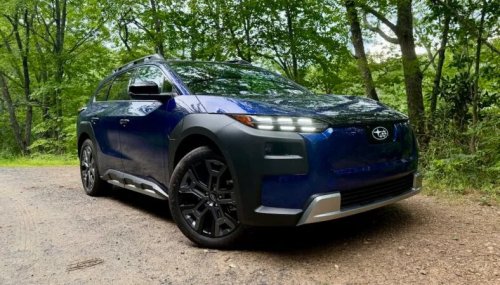
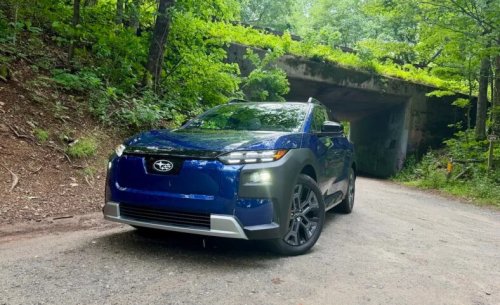
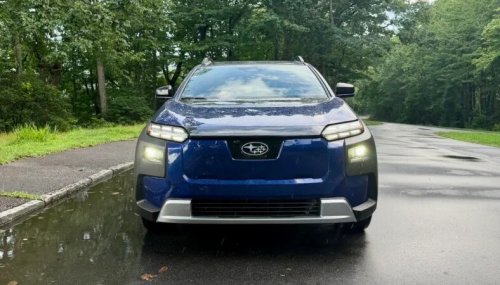
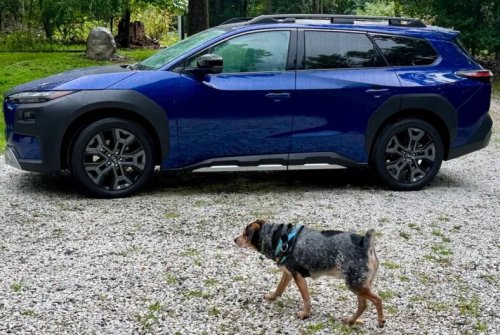
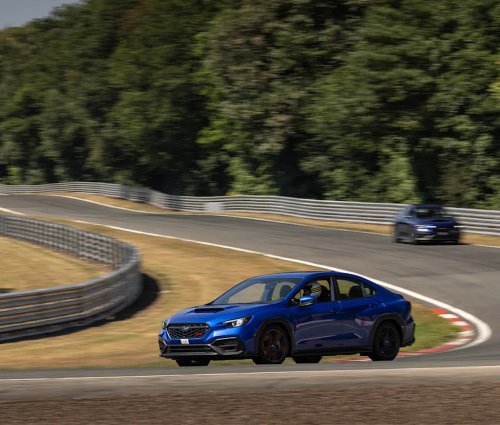
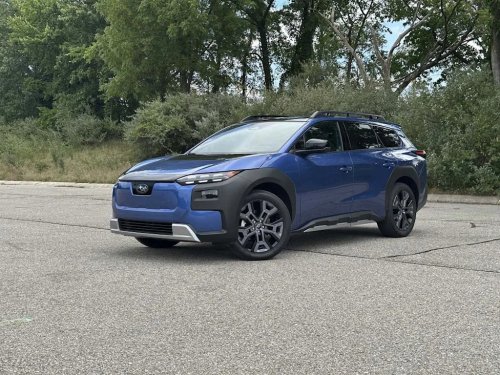
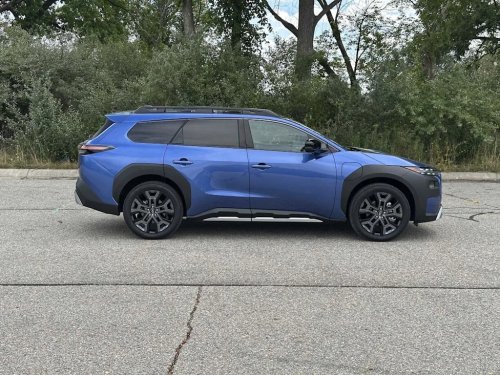
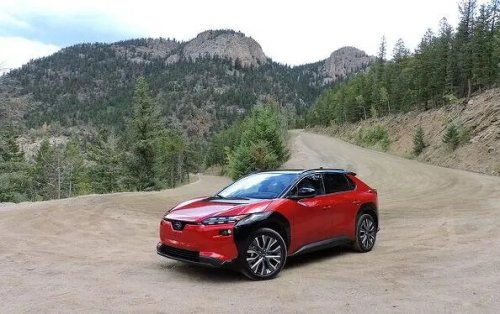
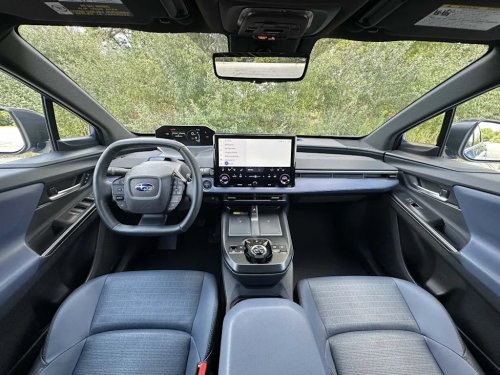
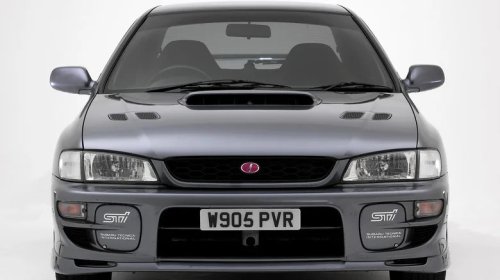
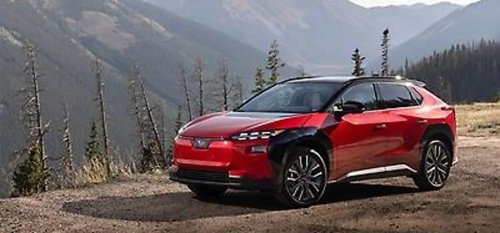
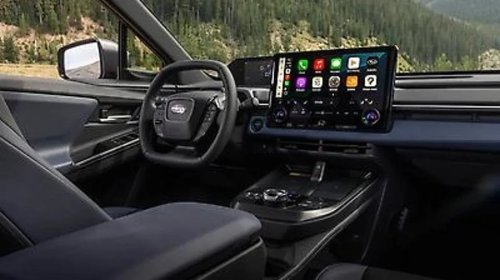
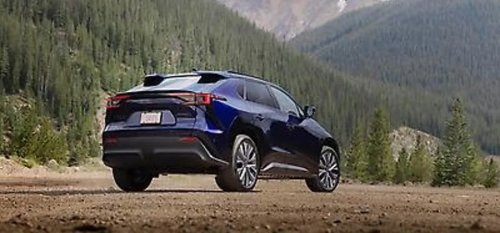
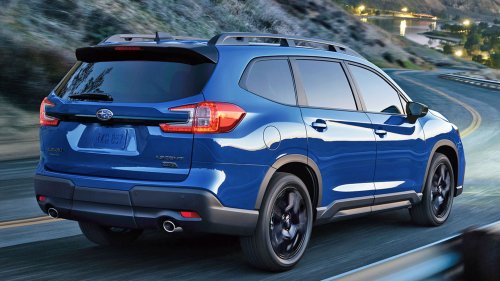
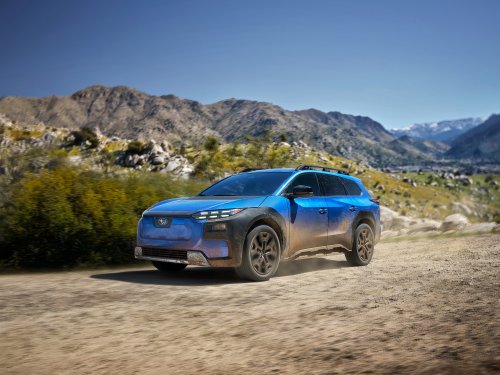
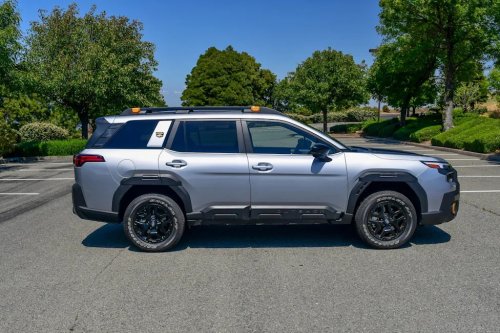
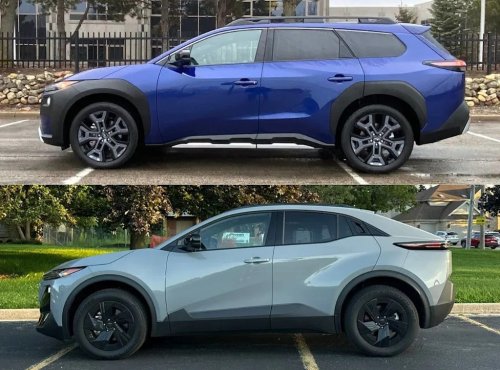
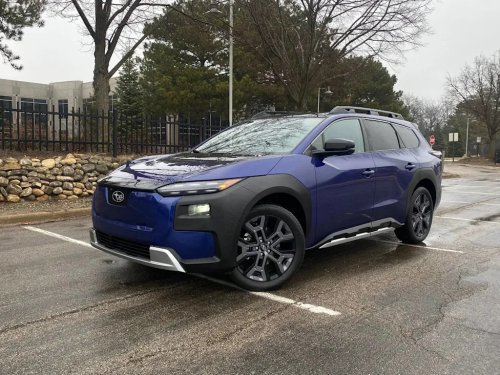
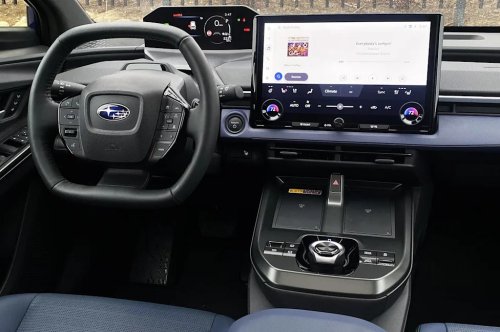
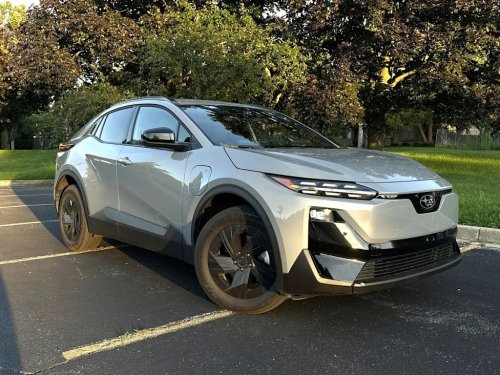
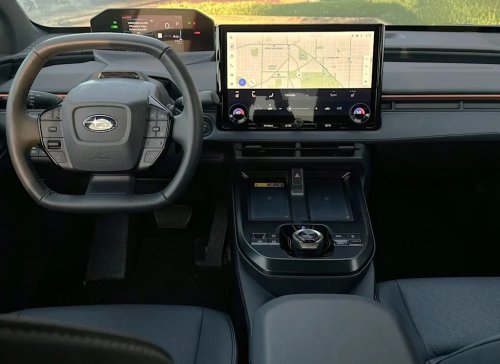
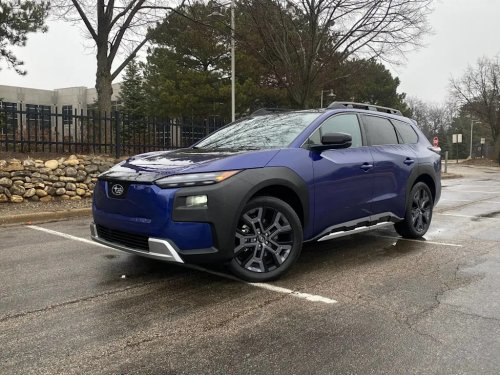
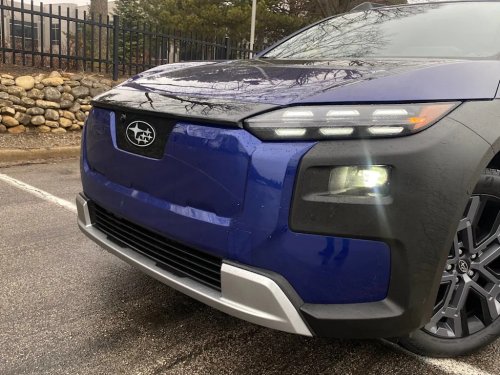
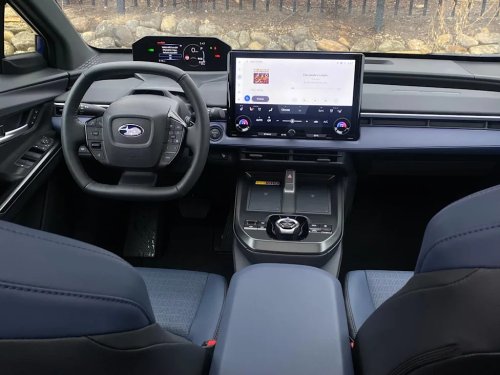
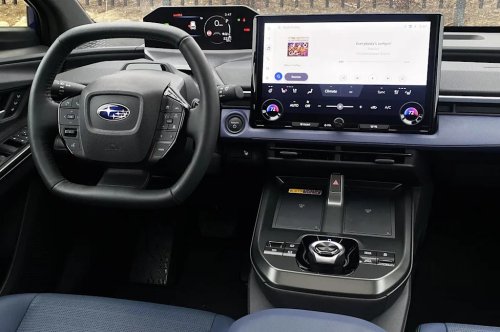
You are watching Subaru try something other carmakers abandoned decades ago. Instead of treating turbine engines as a dead end, the company is sketching a future where a jet-like unit quietly feeds power to batteries in your next electric crossover. If the concept works, you could end up driving the most unconventional mass-market EV on the road. Why Subaru is revisiting turbine tech now Electric vehicles are no longer science fiction, yet range anxiety, charging times, and packaging still shape every buying decision. Subaru is signaling that it wants to solve those pain points with a very different tool. The company has filed patents for an electric turbine engine system that would not drive the wheels directly, but would instead act as a compact generator for an electric drivetrain. In those filings, Subaru describes a turbine-based range extender that replaces the traditional piston engine you see in most hybrids. Instead of pistons pumping up and down, a small turbine spins at high speed to generate electricity. You still plug in the car and drive primarily on battery power, but when the state of charge drops, the turbine wakes up to keep you moving. For you as a driver, the appeal is straightforward. A turbine can be lighter and smaller than an equivalent piston engine, it can run on a variety of fuels, and it prefers operating at a steady speed where efficiency is highest. Subaru is essentially trying to give you battery-electric smoothness with the long-distance security of a generator that barely intrudes on the experience. What the new patents actually describe Look at the patent drawings and you see that Subaru is not bolting a fighter jet engine under the hood. The documents show a compact turbine packaged with a generator and power electronics, all feeding a battery pack and electric motors. One set of diagrams, highlighted in an early patent look, shows how the turbine sits away from the passenger cell to keep noise and heat in check. Another patent, described through a separate technical breakdown, emphasizes how the turbine integrates into an “erev” layout, which you would recognize as an extended-range electric vehicle. Your wheels are always driven by electric motors, while the turbine simply tops up the battery when needed. That setup lets Subaru tune the turbine to run in a narrow, efficient band instead of chasing your right foot in real time. In a separate discussion of the same technology, the patents focus on managing airflow, exhaust routing, and thermal losses so the turbine can work in a car that starts and stops constantly. The documents show a clear effort to adapt aerospace-style hardware to the stoplight world you drive in every day. How this differs from a “jet car” fantasy If you hear “jet engine in a car,” you might picture a drag racer screaming down a runway. Subaru is aiming for something you can quietly commute in. Coverage of the patents explains that, unlike aircraft turbines that use compressed air to produce thrust, this system uses the turbine only as a mechanical source of power for a generator. One analysis of the filings notes that the turbine is not for direct propulsion of the vehicle at all. You would still experience instant torque from electric motors, regenerative braking, and one-pedal driving if Subaru chooses to offer it. The turbine would sit in the background, starting up when the battery needs help and shutting down when you plug in. In that sense, your daily life with the car would feel closer to a battery EV than to any gas-powered model you have driven. That separation between propulsion and energy generation also gives Subaru room to use different fuels across markets. While the patents do not lock in a specific fuel, the architecture leaves space for gasoline, diesel, or potentially synthetic options, which could help Subaru serve you even if charging infrastructure in your region grows slowly. Why Chrysler’s turbine experiment matters to you To understand what Subaru is up against, you need to look back at Chrysler’s A-831 turbine program. In the 1960s, Chrysler put turbine-powered coupes into the hands of regular drivers, including families who used them like any other car. The A-831 engine could run on a wide range of fuels and impressed people with its smoothness, yet the program never reached showrooms. A detailed account of that history explains that one of the biggest obstacles was how a turbine behaves in a passenger car that constantly changes speed. Another problem for was the mismatch between the turbine’s preference for steady high rpm and your need to crawl in traffic, accelerate, and idle. Fuel economy suffered, throttle response felt odd, and emissions controls of the era struggled to keep up. Drivers also had to live with high exhaust temperatures and unusual maintenance demands. Those drawbacks, combined with regulatory pressure and cost, convinced Chrysler to walk away. For you as a modern driver, that history explains why no mainstream brand put a turbine in your driveway, despite decades of experimentation. How Subaru plans to avoid Chrysler’s mistakes Subaru is not trying to repeat Chrysler’s approach. Instead of asking a turbine to handle every driving situation directly, Subaru wants the turbine to spin at a mostly constant speed and let the battery and motors handle the dynamic work. A recent comparison of the two approaches argues that modern hybrid layouts give Subaru a way to sidestep the throttle response and efficiency issues that doomed the A-831. You also benefit from far better materials, computer controls, and emissions systems than Chrysler had. Another look at Subaru’s filings notes that the two patents filed draw on expertise from Subaru’s aerospace branch, which builds helicopters. That connection gives Subaru direct experience with turbine hardware, thermal management, and reliability in demanding environments. For you, that means Subaru is not just reviving an old idea for nostalgia. It is trying to combine aerospace know-how with an EV-first platform so you get the benefits of a turbine without its historical baggage. Where a turbine fits in Subaru’s EV roadmap You can already see Subaru adjusting its electric lineup to be more competitive. The 2026 Subaru Solterra, for example, is set up to give you more range and power than the early cars, with updated dual-motor all-wheel drive and features that make daily charging easier. One preview notes that drivers will also using extra cabin tech, including a shared charging pad. That kind of incremental upgrade shows you how Subaru is thinking about EVs today, while the turbine patents hint at what might come next. The company could deploy the turbine system in a future crossover that sits alongside battery-only models, giving you a choice between pure electric and extended-range setups. If you live in a region with sparse fast chargers, the turbine option would likely feel safer. At the same time, Subaru is still nurturing its combustion performance image. A short clip of a Subaru STI race car has already stirred speculation about advanced engines for enthusiasts. That dual track suggests you might see turbine tech aimed at efficiency and range, while traditional engines continue to serve the performance crowd. What this could mean for your next Subaru You should treat all of this as a roadmap rather than a showroom promise. Analysts who have studied the patents, including one detailed review, stress that Subaru has not committed to a specific model or launch date. Patents protect ideas long before they turn into production cars. Even so, the direction is clear. Subaru is spending real engineering effort on a turbine-based hybrid system that could give you long range, packaging freedom, and a distinctive character compared with other EVs. If the company can tame noise, cost, and emissions, you may eventually choose between a conventional battery EV and a turbine-assisted one when you walk into a Subaru showroom. More from Fast Lane Only Unboxing the WWII Jeep in a Crate 15 rare Chevys collectors are quietly buying 10 underrated V8s still worth hunting down Police notice this before you even roll window down



















 +46 others