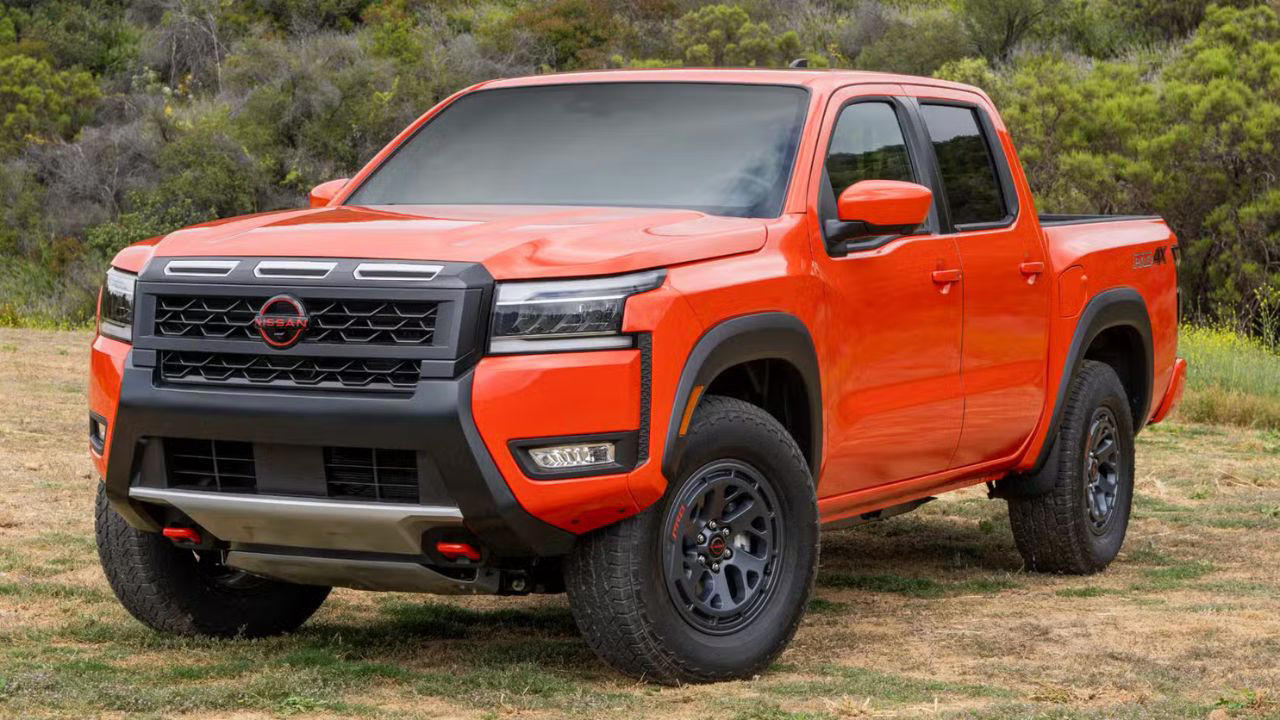
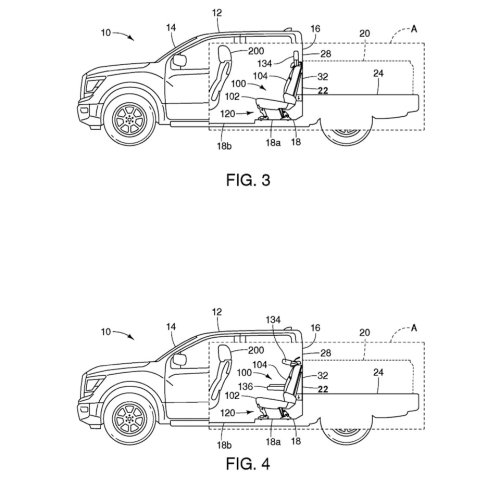
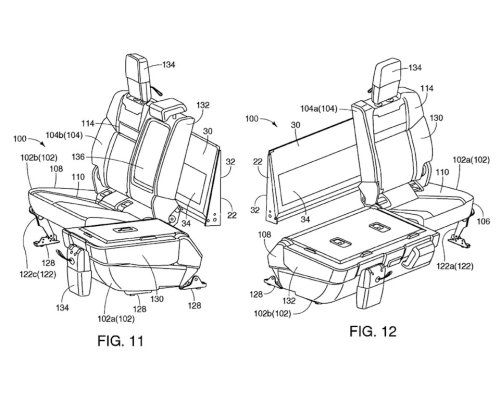
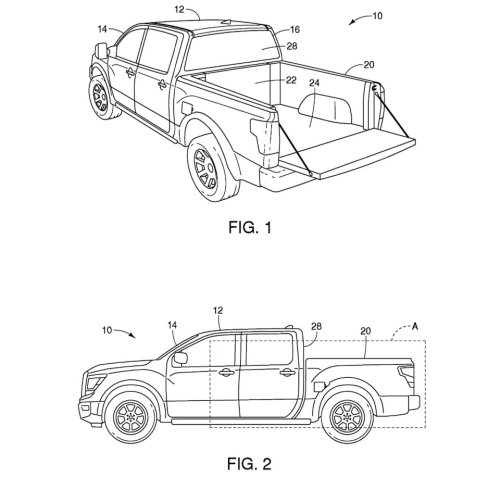
Nissan’s new truck tailgate does something no other pickup has figured out yetNissan is quietly working on a pickup trick that rivals have chased for years but never quite solved: how to carry long cargo securely without turning the entire tailgate into a complicated science project. A newly surfaced tailgate design aims to extend bed length, improve access, and keep loads stable, all with a mechanism that still looks like a normal truck from the curb. If it reaches production intact, it could reset expectations for what a midsize or global one-ton pickup can do at the back end. The idea arrives as competition in truck beds and tailgates intensifies, from multi-panel gates to fold-out steps and full-width workbenches. Nissan’s approach is different. Rather than chasing gadgetry, it focuses on a specific headache that owners deal with every weekend at the lumber yard or trailhead. What happened Nissan has filed a patent for a multi-function tailgate that can extend the effective bed floor while keeping cargo more secure than a traditional drop-down gate. The design, described in a tailgate patent, shows a conventional-looking pickup with a rear gate that can pivot in more than one way and incorporate sliding or folding sections to support longer items. According to the patent drawings, the tailgate can operate in at least two distinct positions. In a standard mode, it behaves like a regular gate that swings down to 90 degrees. In an extended mode, additional panels or rails deploy to create a longer surface for items such as lumber, kayaks, or motorcycles, while still tying them into the truck body for support. The system is designed so the extended structure sits closer to level with the bed floor instead of drooping from simple straps. Another key detail in the patent is how the mechanism integrates with the rear bumper and lighting. The documents describe a layout that keeps license plate and taillight visibility intact even when the gate is reconfigured, a recurring challenge for multi-position designs. The drawings also suggest a focus on structural rigidity, with multiple hinges and locking points intended to prevent flex when the extension is loaded. The timing of the patent aligns with Nissan’s broader pickup refresh cycle. The company is preparing a new generation of its global one-ton truck, with the next Nissan Navara already on the horizon. A sophisticated tailgate that solves real-world hauling problems would give that model, and potentially the Frontier, a distinctive feature in a segment where differentiation is hard to come by. Why it matters Tailgates have become a battleground because they are one of the few places left where truck makers can add practical value without reengineering the entire chassis. Rival brands have introduced split gates, fold-out steps, and elaborate multi-panel systems. Those designs offer flexibility, but they also add weight, complexity, and cost, and they still struggle with one job that owners constantly ask of them: carrying long, awkward cargo securely and safely. Nissan’s patent zeroes in on that use case. By creating a tailgate that can extend the bed floor while maintaining structural support and lighting compliance, the company is targeting the everyday tasks that make truck ownership either convenient or frustrating. The design aims to keep a sheet of plywood, a stack of 2x4s, or a pair of mountain bikes supported along their length instead of teetering on a partially dropped gate. The move also fits with Nissan’s truck heritage. The brand has a long history in compact and midsize pickups, from early Datsun workhorses to the Hardbody and later Frontier. A look back at classic and modern Nissan trucks shows how the company has often emphasized practical packaging over flashy features, with models that evolved steadily from simple work tools into lifestyle vehicles. That continuity is evident in historical comparisons between older Nissan pickups and their newer counterparts, which highlight how bed usability has remained a core theme. Recent reviews of the current Frontier underline why Nissan would target the tailgate next. The latest generation brought a stronger frame, a 3.8‑liter V6, and a modernized cabin, but the bed stayed relatively straightforward. Long-term testing of a 2023 Frontier SV pointed out that while the truck delivers solid capability and useful features such as a spray-in liner and adjustable tie-down cleats, it lacks the kind of headline-grabbing tailgate tech that some competitors now offer. The assessment of Frontier features emphasized its honest, no-nonsense approach, which makes a smart, function-first tailgate a logical next step. The patent also matters for safety and regulation. Simple strap-supported gates that ride at an angle can obscure taillights and license plates when loaded with long items, and they can create unpredictable load paths in a rear impact. A purpose-built extension that keeps lighting and plate visibility intact and locks into the frame more securely could reduce those risks. It also gives Nissan a clear talking point with regulators and commercial buyers who scrutinize how trucks handle cargo overhang. For owners, the effect would be felt in day-to-day chores. A contractor hauling 12‑foot boards, a family loading a pair of dirt bikes, or a camper carrying a rooftop tent platform all face the same tradeoff: either leave the tailgate down and accept compromised security, or start improvising with aftermarket racks and bed extenders. Nissan’s design tries to fold that extender function into the truck itself, without requiring separate hardware that can be lost or stolen. The competitive context is just as significant. Analysts tracking upcoming pickups note that future trucks, including redesigned midsize and full-size models, are expected to lean heavily on configurable beds, integrated power outlets, and multi-use tailgates. Forecasts of future trucks describe a market where customers expect their beds to function as both cargo holds and mobile workstations. A tailgate that solves the “long load” problem in a neat, integrated way would position Nissan as an innovator in a space that buyers increasingly scrutinize. What to watch next The patent filing does not guarantee production, but it provides a roadmap for what Nissan might roll into its next wave of pickups. The most obvious candidate is the upcoming Navara, which serves markets from Europe to Asia and often previews ideas that later influence the Frontier in North America. As the new tailgate concept gains attention, observers will look for test mules or teaser images that hint at a reworked rear end. In North America, the current Frontier is still relatively fresh, yet feedback has already started to shape expectations for its mid-cycle update. Early reviews of the 2022 redesign praised the improved powertrain and cabin quality but questioned whether the truck went far enough in bed innovation. One assessment of the 2022 Frontier update argued that while the truck finally caught up on basics, it lacked the sort of standout feature that would draw shoppers from rivals. A production version of the patented tailgate would answer that critique directly. Real-world usability will be the decisive test. Owners care less about clever hinges on paper and more about what fits in the bed. Practical comparisons, such as load tests that show how a Frontier stacks up against smaller pickups when carrying building materials or recreational gear, already highlight the tradeoffs between bed length, cab size, and tailgate position. A video that examined how the 2022 Frontier handled cargo compared with the compact Hyundai Santa Cruz, for example, demonstrated how quickly traditional beds run out of room once the gate is closed. That kind of hands-on evaluation, similar to the Frontier versus Santa comparison, will become even more revealing if Nissan’s multi-position gate reaches showrooms. Durability and simplicity will matter just as much as clever engineering. Truck buyers have watched some multi-function tailgates develop reputations for rattles, alignment issues, or damage when used as makeshift loading ramps. Nissan’s patent hints at multiple hinges and lock points, which could either enhance strength or introduce new failure points. The company’s history of relatively straightforward bed hardware suggests it will aim for a solution that feels intuitive, with clear latching feedback and minimal extra steps. More From Fast Lane Only: Unboxing the WWII Jeep in a Crate 15 rare Chevys collectors are quietly buying 10 underrated V8s still worth hunting down Police notice this before you even roll window down The post Nissan’s new truck tailgate does something no other pickup has figured out yet appeared first on FAST LANE ONLY.