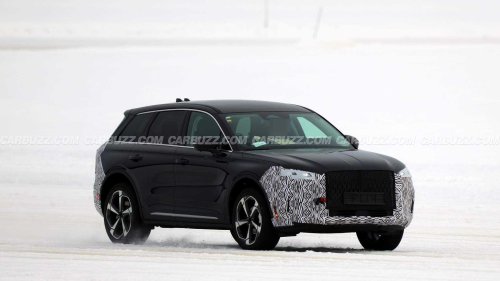
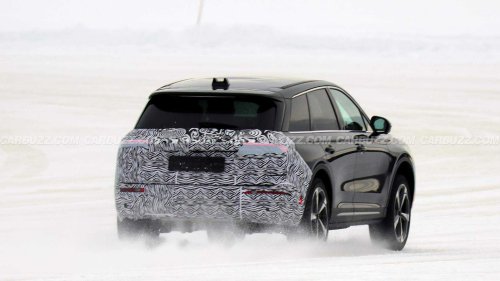
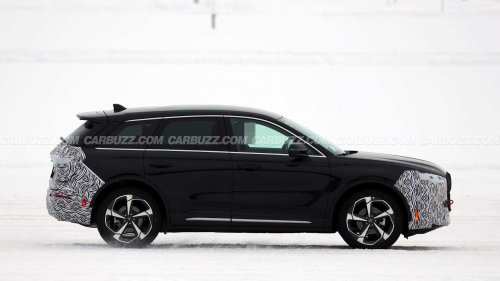
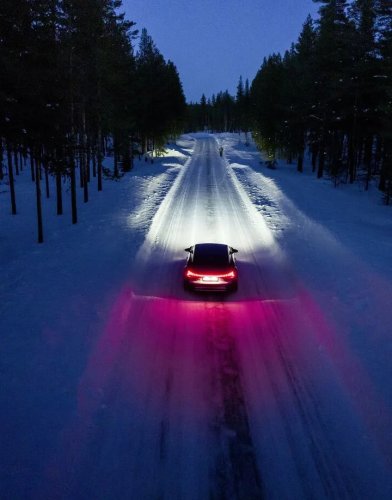
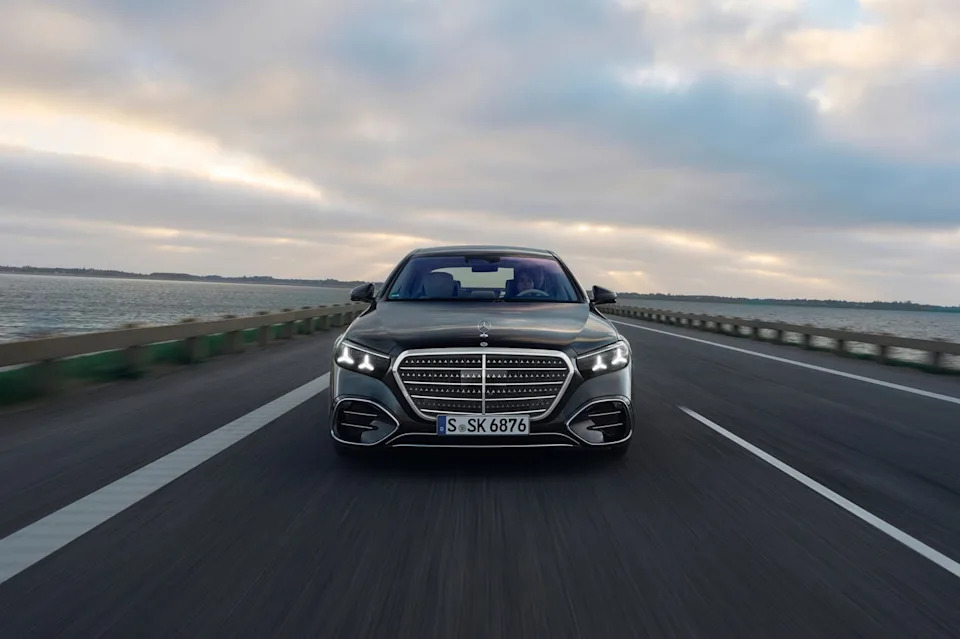
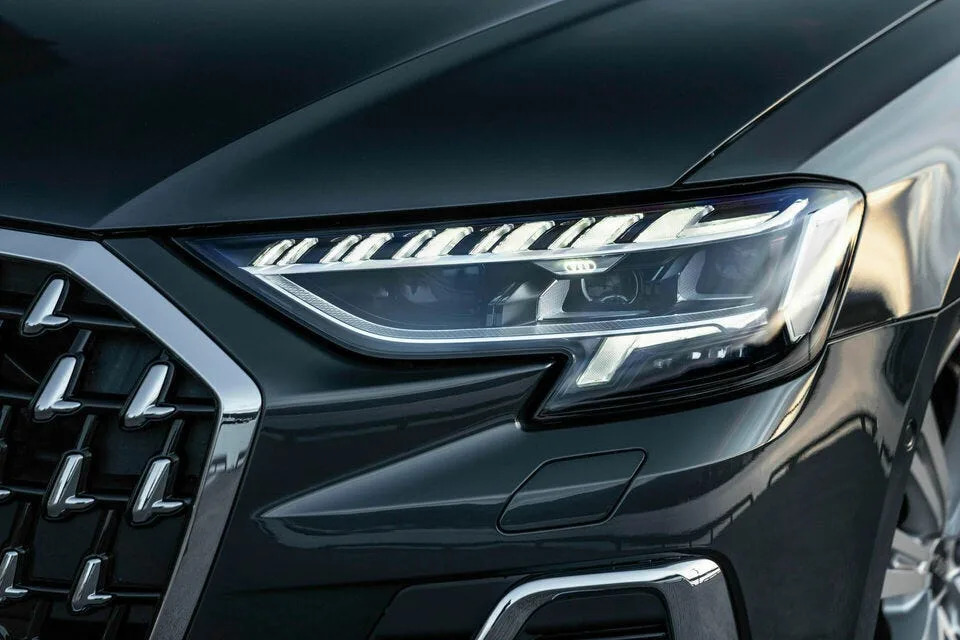
NHTSA Will Update Headlight Regs, Opening the Door for More Advanced Systems in the U.S.Kjell Linder - Getty ImagesNHTSA plans to overhaul FMVSS 108, the rules around headlights, through a negotiated rule-making process.This could make it easier for automakers to bring advanced adaptive-driving-beam systems already offered overseas to the U.S.The new rules could also allow aftermarket companies to more easily develop and sell compliant LED replacements for halogen bulbs.We may see some movement on the rules that currently keep some advanced lighting systems out of the U.S. market. This week, NHTSA announced that it's planning a "long-overdue update to Federal Motor Vehicle Safety Standard No. 108," rules the agency itself called outdated in the release. The process will use negotiated rule-making with a committee of up to 18 stakeholders from across the industry to include safety experts, automakers, suppliers, researchers, and engineers.A Tunnel with Light at the EndTopics may include addressing headlight glare, modernizing lighting technology, improving performance, updating testing, and aligning with global standards. This strongly suggests that the federal government is prepared to tweak the rules to allow advanced lighting technologies that are available in other markets.As of 2022, FMVSS 108 allows adaptive driving beams, dynamic systems that can keep the high-beams on while selectively dimming portions of the beam that would otherwise glare other road users. The issue is that framework is U.S.-specific and doesn't match the European standards many of these high-tech lighting systems are designed to meet.2027 Mercedes-Benz S-class.Mercedes-BenzSome companies have gone ahead and designed ADB systems to be compliant with NHTSA's current rules, including Rivian and Tesla, while Audi has a U.S.-friendly version of its Digital Matrix lights that will debut on the 2027 Q9 flagship SUV. Mercedes will add a partial high-beam function to the latest version of its micro-LED Digital Light system, available on the 2027 S-class, GLE, and GLS. Others simply keep their features locked out through software, often offering a smaller subset of features with the same hardware that's sold elsewhere. Mercedes' U.S.-market Digital Light system already offers some of its other tricks, including a function that can project useful and less-useful info on a roadway—from a lane-departure warning to a walk-up greeting.Audi Digital Matrix headlights.AudiIf NHTSA moves closer to standards already used elsewhere, automakers could have an easier time bringing the full capabilities of those systems to future U.S.-market vehicles. In some cases, the necessary hardware is already installed here with certain functions disabled, raising the possibility that some existing cars could eventually be upgraded through software. Examples of lights hampered by FMVSS 108 include Porsche's HD-Matrix Design LED headlights, Audi Matrix LED headlights, and BMW Adaptive LED; build sheets for new BMWs such as the X5 explicitly show that the hardware is onboard and that the no-dazzle high-beam assistance function is deactivated.LEDs for AllThe announcement also mentions taking a look at rules for "replaceable light sources," which is likely an allusion to the fact that current regs basically disallow drop-in LED replacements for halogen bulbs. Making such a product road-legal would require the LED unit to not only fit in the same space as what it replaces, but also have the same lighting characteristics. Revising those rules could create a path for compliant LED retrofit bulbs rather than leaving the category occupied largely by products that fit physically but don't conform to federal requirements.If you want to have your say about what should be covered and who should be involved, there's a public comment period open until November 9.➡️ Skip the lot. Let Car and Driver help you find your next car.Shop New Cars Shop Used CarsGift Guide: Best Ride-On Electric Cars for KidsFuture Cars Worth Waiting For: 2025–2029


















 +39 others