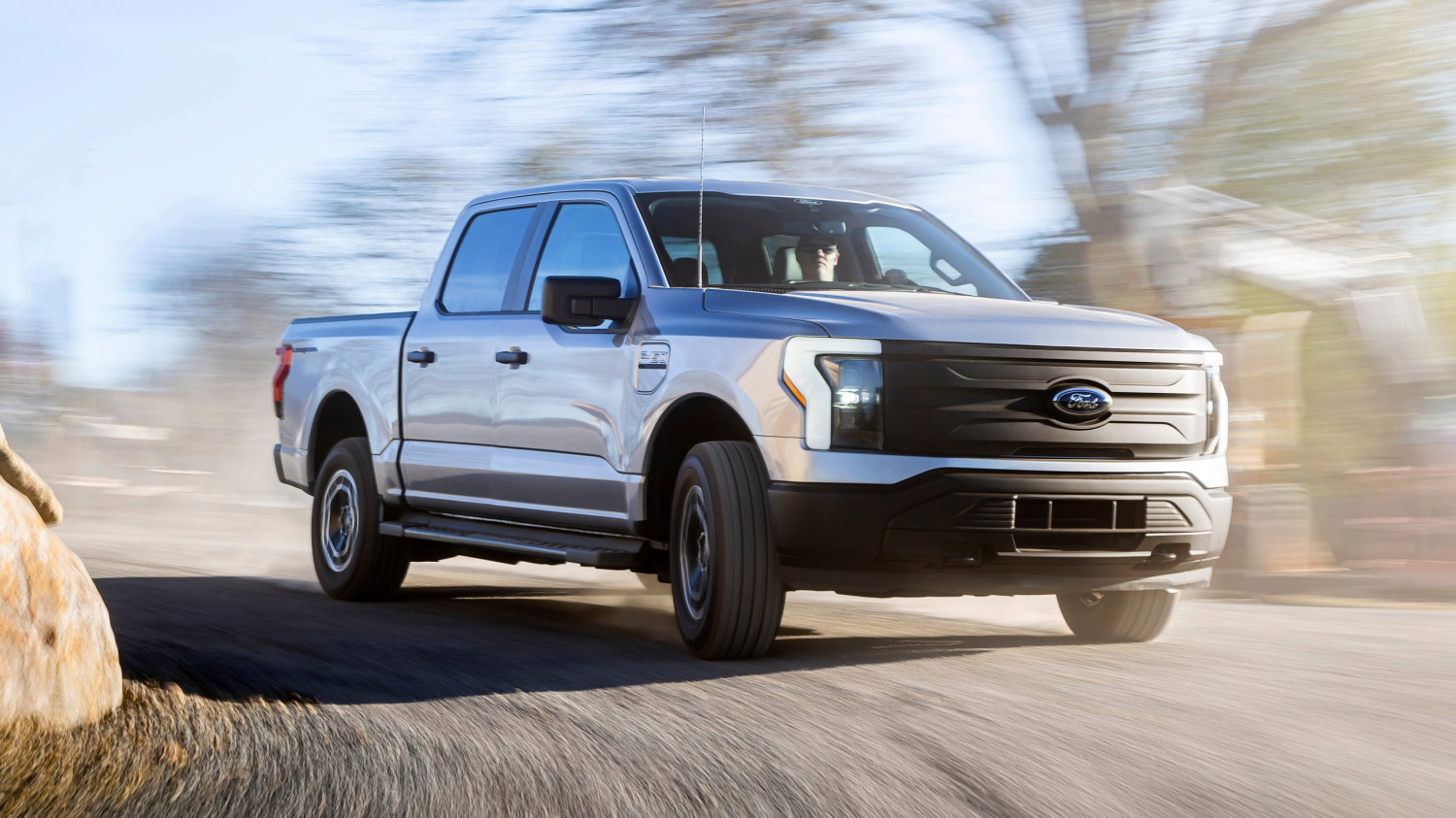
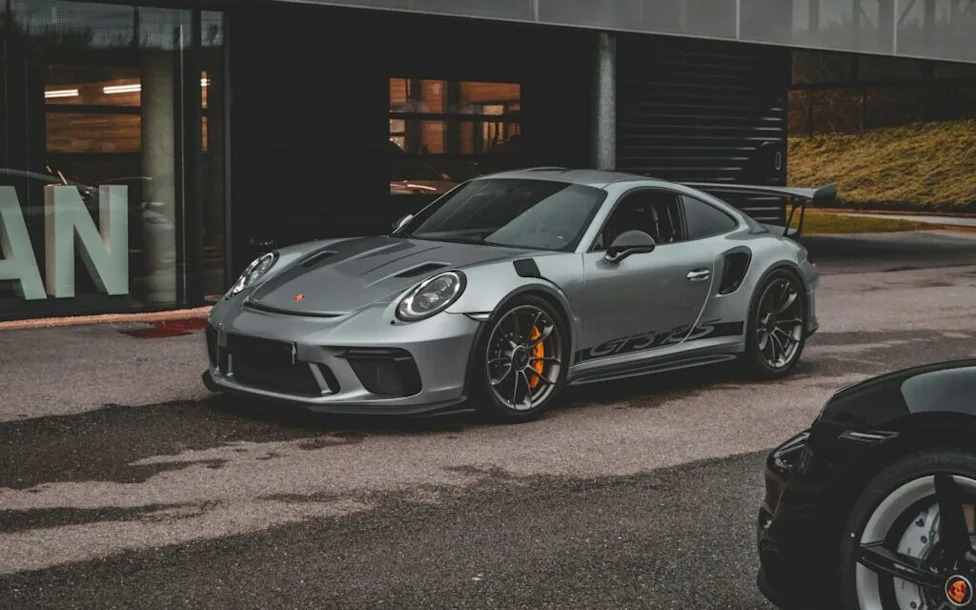
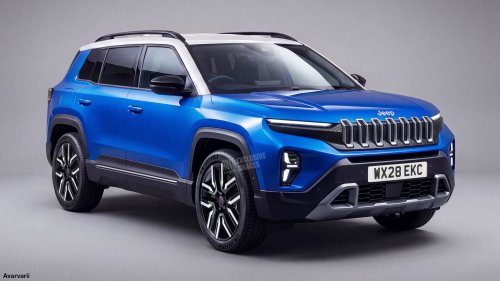
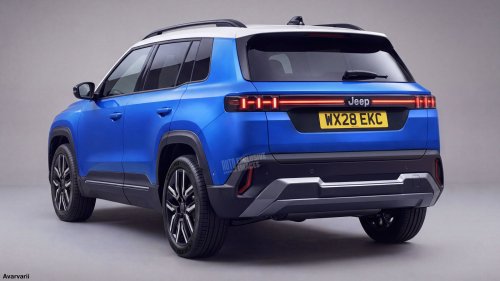
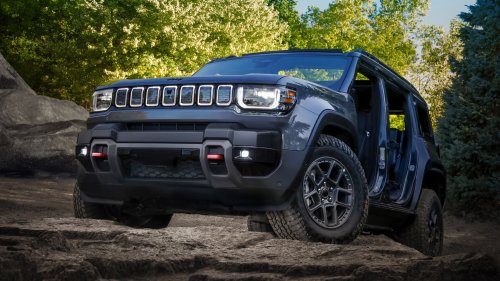
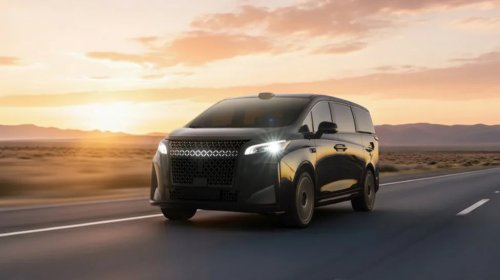
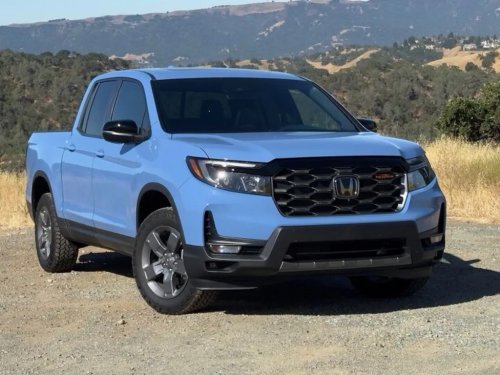
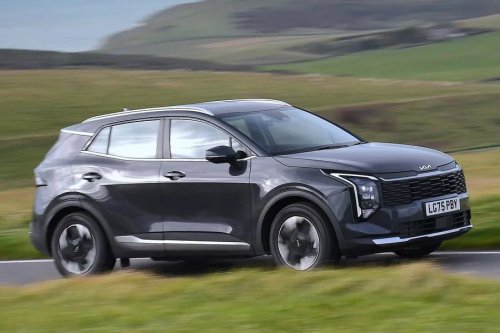
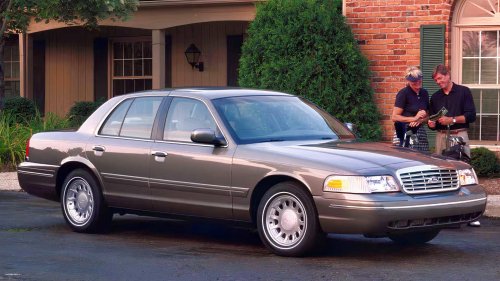
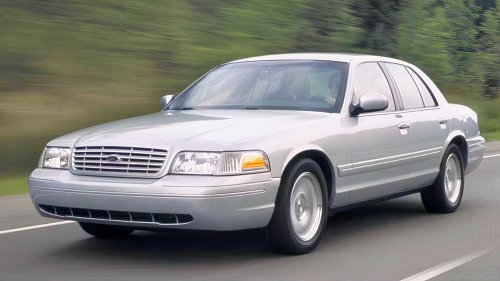
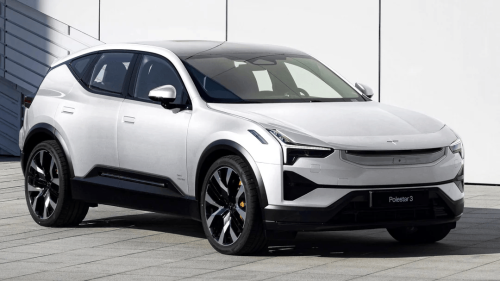
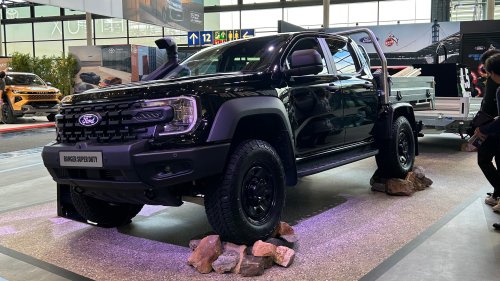
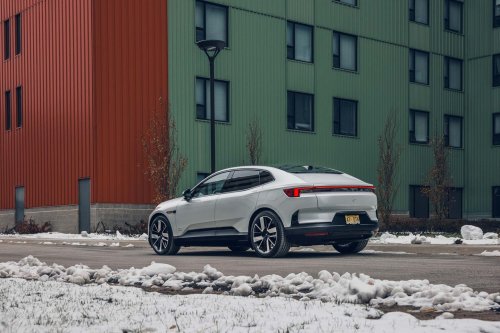
nhtsa will rewrite outdated headlight rules to tackle blinding glareThe U.S. National Highway Traffic Safety Administration (NHTSA) announced Tuesday that it will overhaul its federal vehicle lighting standards, aiming to curb blinding headlight glare while making way for newer safety technologies.Federal standards governing minimum and maximum headlight brightness haven't seen a major update since 1997. In the nearly three decades since, the automotive landscape has shifted dramatically, moving away from dull halogen bulbs toward intense LEDs and trading low-slung sedans for taller trucks and crossovers that place headlights directly at eye level for oncoming drivers.NHTSA plans to re-examine rules for LED technology, dusk sensors, automatic high beams, and replaceable light sources, alongside reviewing how mounting heights and factory alignment angles impact driver visibility.For years, drivers have voiced growing frustration over blinding low beams. While modern LED headlights provide far better road illumination for the person behind the wheel, their sharp intensity and higher placement on SUVs and trucks can temporarily blind oncoming traffic.At the same time, existing U.S. regulations have made it difficult for automakers to deploy advanced lighting systems that could solve the problem.nhtsa will rewrite outdated headlight rules to tackle blinding glare"Today's standards do not allow automakers to deploy the latest safety-improving lighting technologies, so we are bringing key experts and stakeholders together to modernize our standards and address potential causes of glare," said NHTSA Administrator Jonathan Morrison as part of the announcement.Though NHTSA legalized adaptive driving beam (ADB) headlights in 2022-systems that actively shade out specific portions of the light beam directed at oncoming vehicles-stringent testing procedures have slowed widespread adoption across U.S. models compared to Europe and Asia.To fast-track the updates, NHTSA will utilize a negotiated rulemaking process. Transportation Secretary Sean Duffy will appoint an advisory committee of up to 18 representatives drawn from auto manufacturers, lighting equipment associations, safety advocacy groups, research institutions, and engineering organizations.The public and industry stakeholders have until November 9, 2026, to submit comments or nominate committee members under Docket No. NHTSA-2026-1981.nhtsa will rewrite outdated headlight rules to tackle blinding glareGlare vs. Visibility: What the Data ShowsDespite the widespread driver frustration, statistical data suggests headlight glare plays a relatively minor role in serious traffic accidents.A study released last year by the Insurance Institute for Highway Safety (IIHS) found that headlight glare contributed to only one or two out of every 1,000 nighttime crashes across 11 states analyzed between 2015 and 2023. The IIHS noted that insufficient visibility-having headlights that are too dim or aimed incorrectly-is a far larger driver of nighttime collisions than glare.However, the study highlighted that older drivers, particularly those over 70, are disproportionately sensitive to headlight glare, which can significantly increase recovery time after being dazzled on unlit roads.This article was written using AI and was then edited and optimized by our editorial team.Become an AutoGuide insider. Get the latest from the automotive world first by subscribing to our newsletter.


















 +50 others