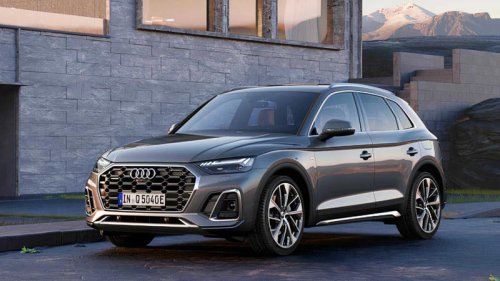
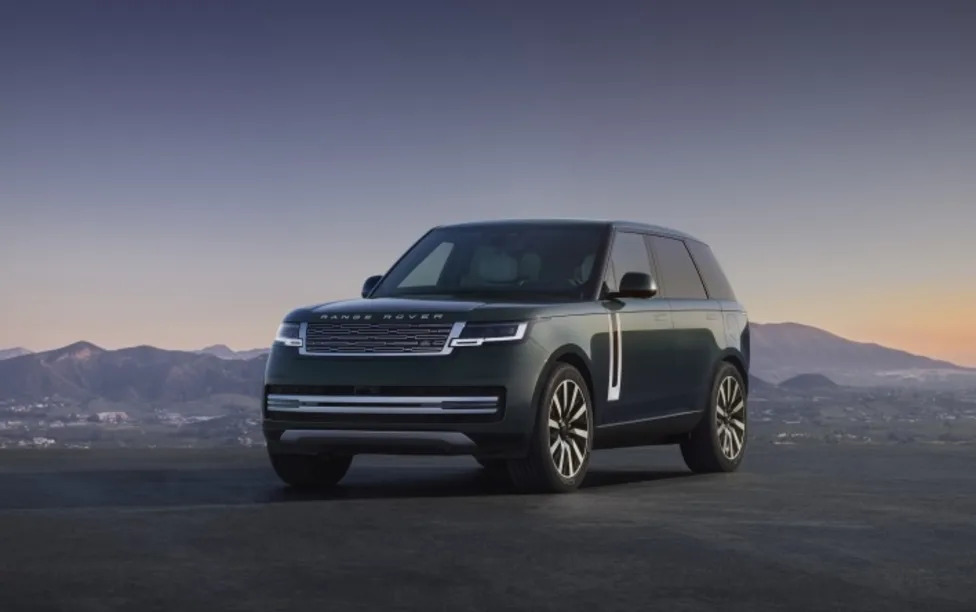
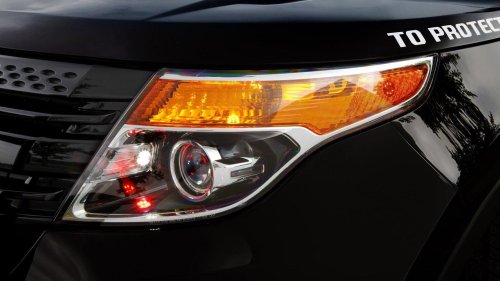
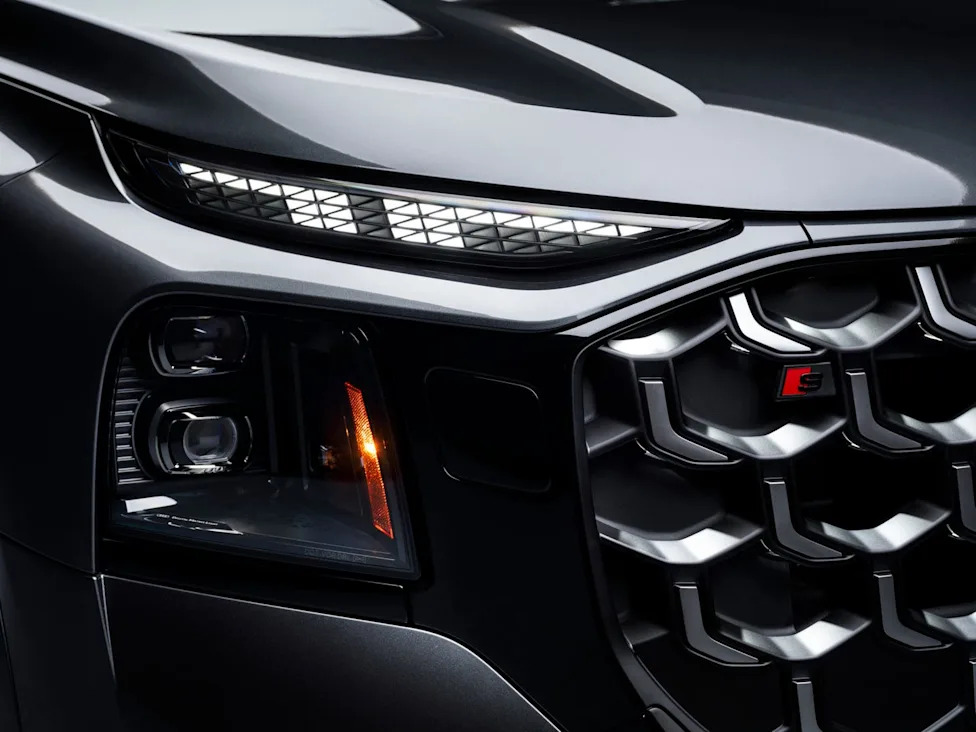
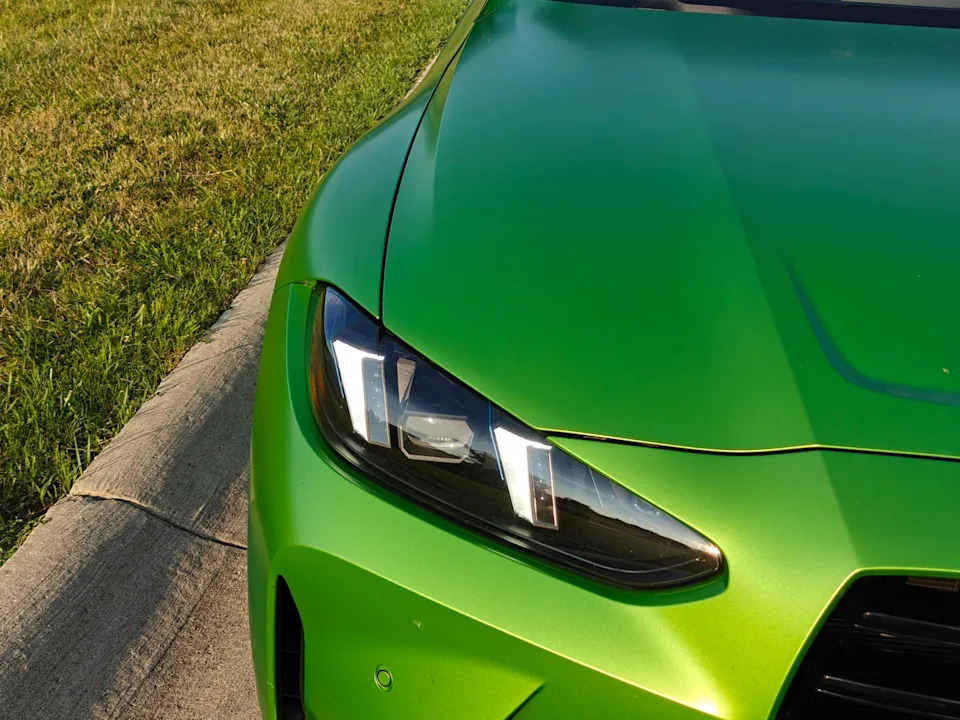
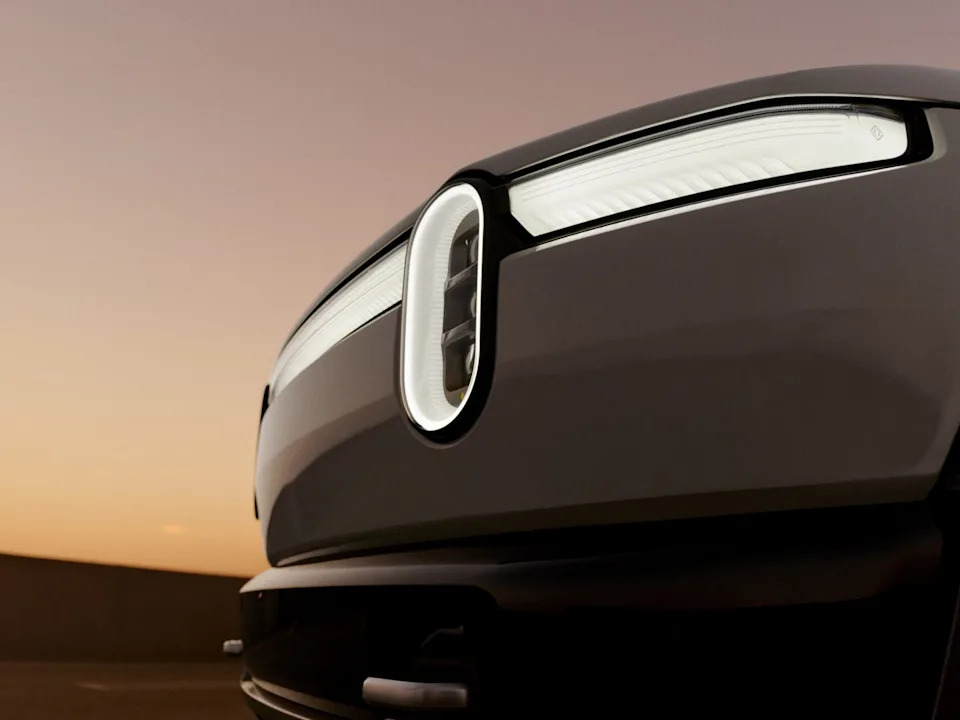
NHTSA: Finally Modernizing Headlight StandardsAudiThere's a glimmer of hope on the horizon for new and better headlight regulations in the U.S., as the National Highway Traffic Safety Administration announced on Tuesday it is moving to modernize our vehicle lighting standards.If this sounds a little like deja vu to you, yes, NHTSA massaged vehicle lighting regs in 2022 by updating the long out-of-date FMVSS 108 standard. The intention was to allow adaptive driving beam technology. However, almost nothing changed, because instead of simply harmonizing our regulations with international standards, the NHTSA created its own, unique regulations for adaptive driving beams within the original FMVSS 108 framework. None of the headlights automakers had long installed in cars in Europe and elsewhere ended up meeting the new regulations. And outside of Rivian and Tesla, no one else has bothered to engineer a completely unique headlight designed to meet these new, U.S.-specific regulations.Zac PalmerHopefully, this new attempt will be more successful. The NHTSA says it's tackling five key areas with this regulatory update:"Addressing Headlight Glare: Examining the role that modern headlighting technology has on glare for other road users and making appropriate changes.Modernizing Lighting Technology: Improving rules for LEDs, dusk sensors, automatic high beams, and replaceable light sources.Improving Performance: Evaluating how headlamp height and aim affect driver visibility.Updating Testing & Materials: Streamlining test procedures for plastic optics and replaceable lenses.Aligning Global Standards: Harmonizing U.S. vehicle lighting regulations with international safety standards."A lot of this sounds mighty promising, especially the final section concerning the harmonization of our standards with international safety standards. If we adopt the same rules and regulations around adaptive driving beams as Europe, then automakers will finally be able to offer their more advanced headlights here in the U.S.RivianWe suspect there are plenty of folks out there excited to hear that glare and headlamp height are on the list of issues being examined, too. Modern LED headlights have drawn public criticism for years now. A recent study from AAA found that six in 10 American drivers deemed headlight glare a "serious issue." Meanwhile, a 2025 U.K. study found that 96 percent of drivers think most or some headlights are too bright.Could some of this be fixed with better headlight technology? Absolutely. However, even with better regulations, the problem will likely persist thanks to shoddy modifications sometimes made to headlights in older cars."Today's standards do not allow automakers to deploy the latest safety-improving lighting technologies, so we are bringing key experts and stakeholders together to modernize our standards and address potential causes of glare," said NHTSA administrator Jonathan Morrison. "This collaborative approach will allow us to update outdated regulations, foster innovation, and keep everyone on our roads safer."NHTSA didn't specify a timeline for when it plans to issue new regulations, but public comments can be submitted until November 9 this year.If You Can Only Own One Car, Make It One of TheseThese Are the Most Popular Cars by State












 +3 others



![Porsche, It's finally here: Porsche puts wireless EV charging into production [video]](https://cdn.topcarnews.net/thumb/id/aHR0cHM6Ly9pMC53cC5jb20vZWxlY3Ry-ZWsuY28vd3AtY29udGVudC91cGxvYWRz-L3NpdGVzLzMvMjAyNi8wOS93aXJlbGVz-c19tYWluLmpwZWc_dz0xNTAwJmFtcDtx-dWFsaXR5PTgyJmFtcDtzdHJpcD1hbGwm-YW1wO3NzbD0x/1a04f9f19968e2d3eb15f335c21c92a5.jpeg?t=20261007&post_id=63825)
![Porsche, It's finally here: Porsche puts wireless EV charging into production [video]](https://cdn.topcarnews.net/thumb/id/aHR0cHM6Ly9lbGVjdHJlay5jby93cC1j-b250ZW50L3VwbG9hZHMvc2l0ZXMvMy8y-MDI1LzAzL0RFUy0xMDM4X0VsZWN0cmVr-LUJhbm5lcnNfRVZzXzA3OTdjMi5wbmc/e850e929e3168f8c7ff73cd888e54add.png?t=20261007&post_id=63825)