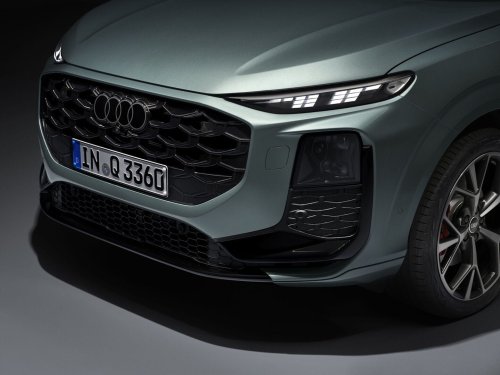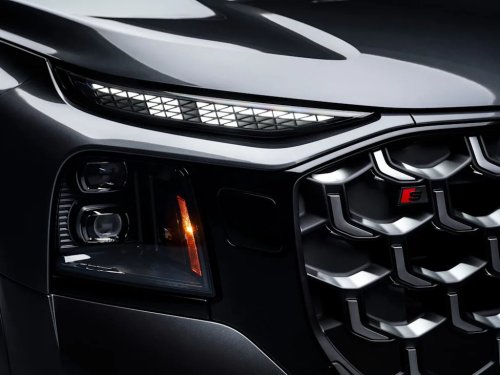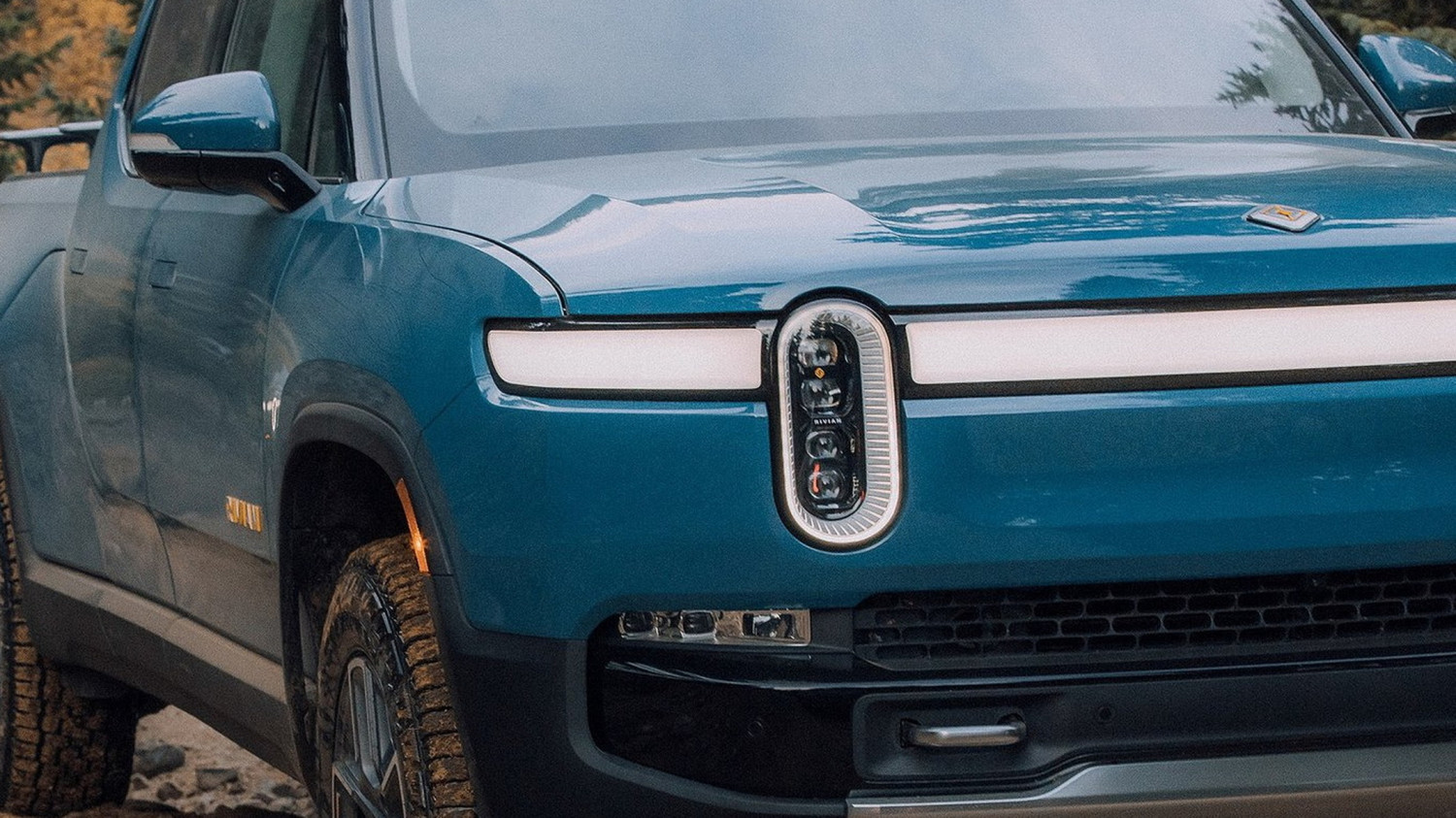















NHTSA plans to revisit glare, headlamp height, and aim. International lighting standards are part of the review. Comments and committee applications are due November 9. Anyone who has had an oncoming SUV light up their cabin like an operating room knows that headlights can be a little too good at getting your attention. On the flip side, plenty of us have felt like the headlights we have aren’t all that spectacular. Drive something like the Rivian R1S, and you see just how good some headlights can be. Seeing farther down the road is a key piece of vehicle safety. Now, it seems that the National Highway Transportation Safety Administration realizes how far behind the curve America really is. On October 6, NHTSA announced plans to modernize Federal Motor Vehicle Safety Standard No. 108. Glare, headlamp height and aim, newer lighting technologies, and alignment with international standards are all on the agenda. The review will cover LEDs, automatic high beams, dusk sensors, and replaceable light sources. Testing for plastic optics and replacement lenses is also up for discussion. That gives the effort a broader scope than simply deciding how bright a headlight should be. More: 13 Years Later, Audi’s Digital Matrix Headlights Finally Reach America Of course, we’ve heard promises about better headlights before. In February 2022, NHTSA issued a final rule allowing adaptive driving beam systems on new vehicles. These can direct more light toward unoccupied portions of the road while reducing illumination around other vehicles. The idea is to help drivers spot pedestrians, animals, and obstacles without dazzling everyone coming the other way. That earlier rule amended the same standard and established performance requirements for the technology. The new announcement’s interest in international alignment is encouraging, but it doesn’t promise to adopt European adaptive-headlight regulations wholesale. That outcome remains an open question. The appetite for improvements is easy to understand. AAA released a survey in March that found 60% of drivers consider glare a problem after dark. Among those affected, 73% said it had worsened over the past decade, and 92% identified oncoming headlights as their primary concern. About a third also reported problems with glare in their mirrors. NHTSA will use negotiated rulemaking, bringing together up to 18 stakeholders. Comments on the scope and committee balance, along with membership applications, are due November 9 under docket NHTSA-2026-1981. There’s no completion date in the announcement, and no new requirements take effect through this press release. For now, drivers (and lobbyists) have an opportunity to influence what the review covers. Whether it delivers meaningful relief will depend on the rules that eventually emerge. Credit: Stephen Rivers for Carscoops Lead Image: Porsche