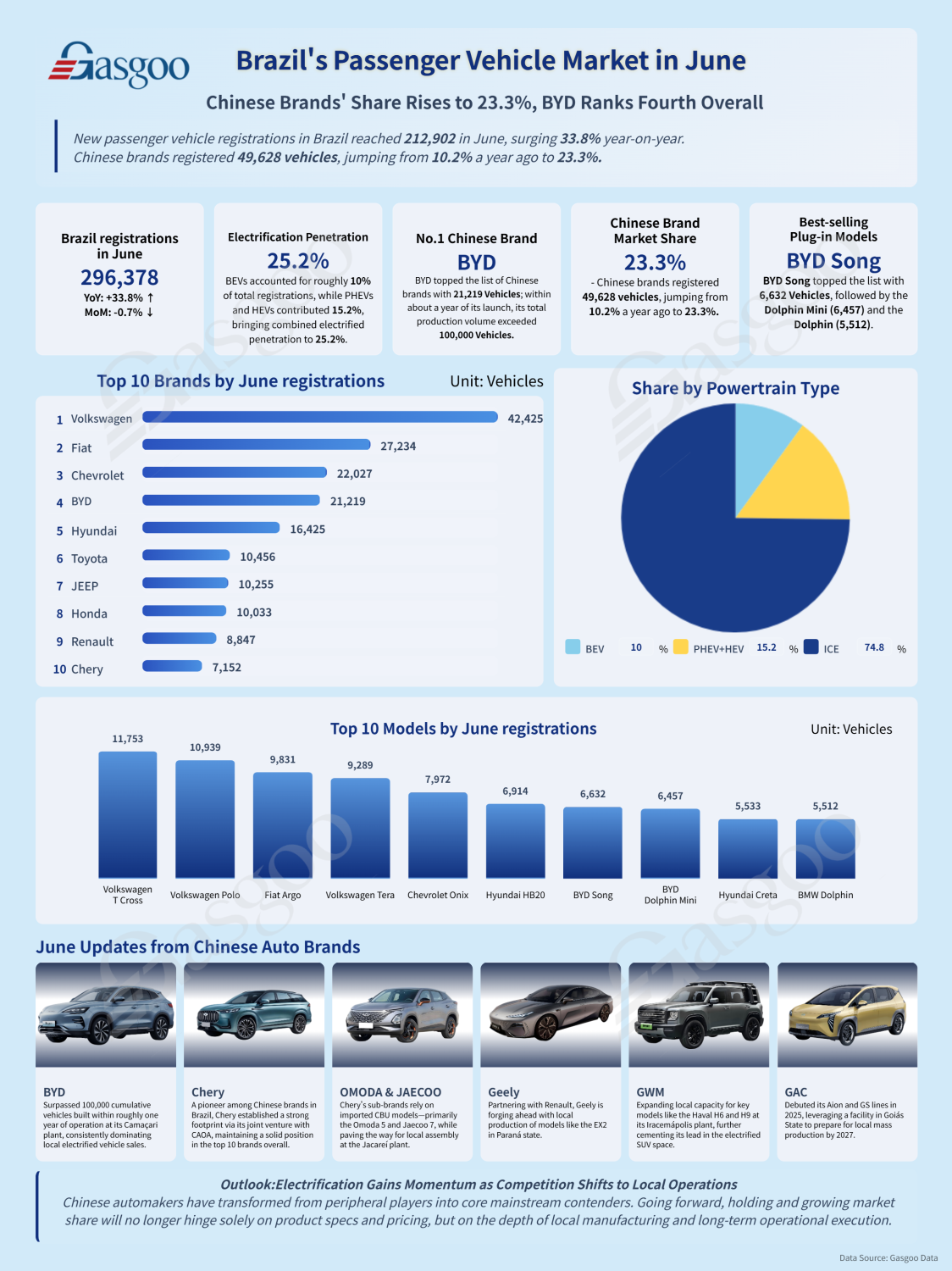
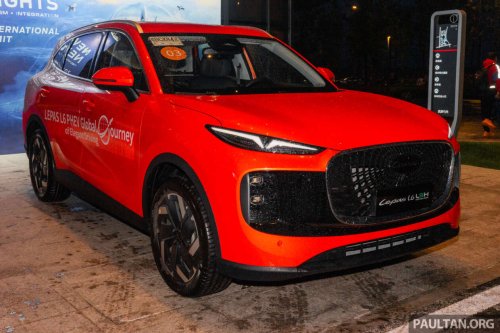
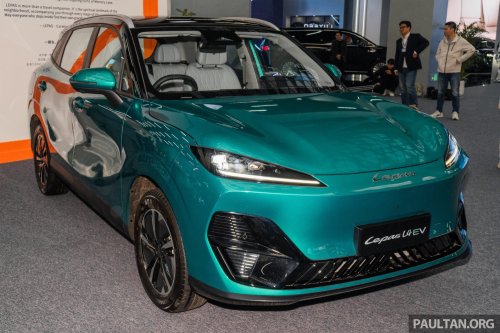
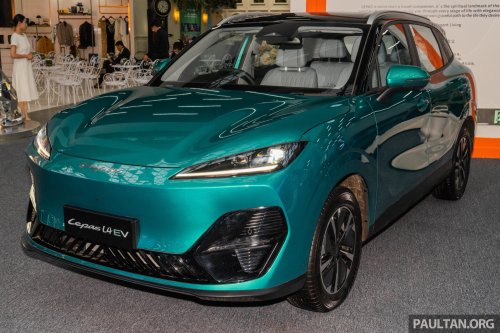
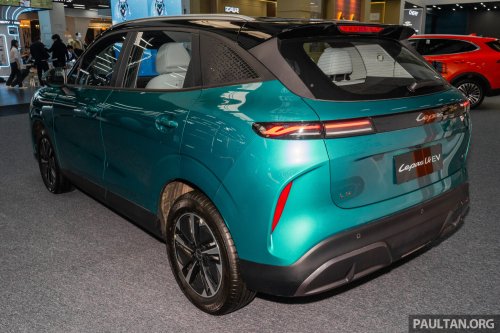
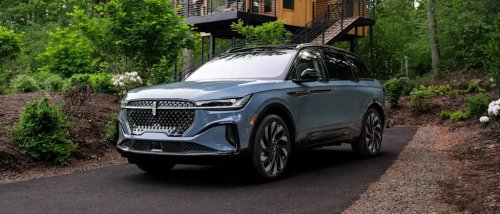
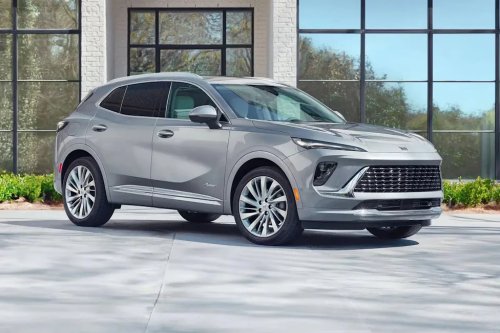
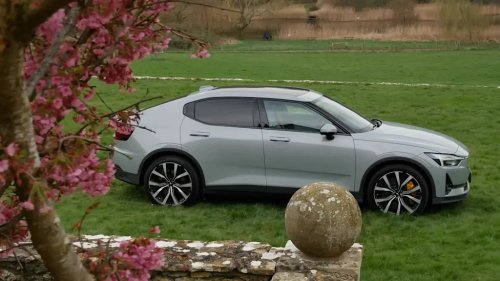
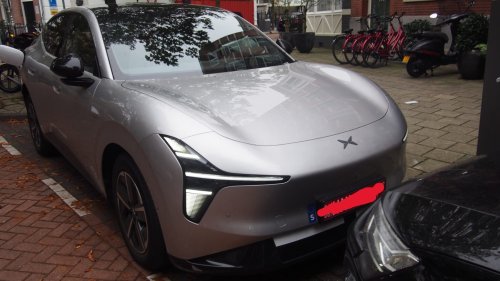
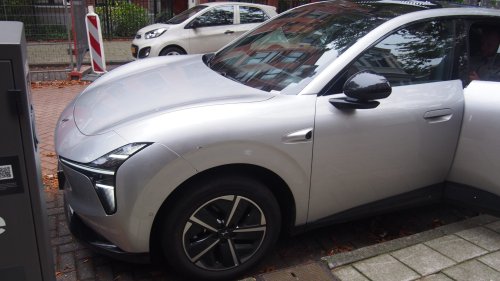
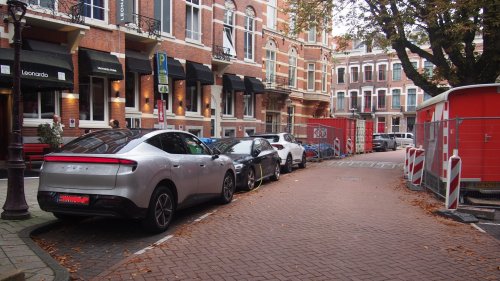
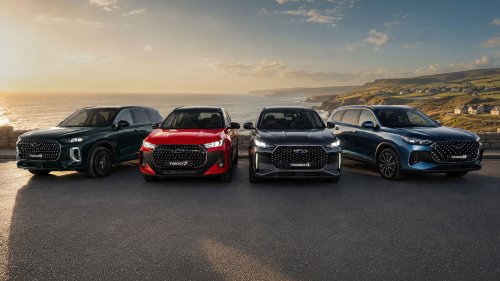
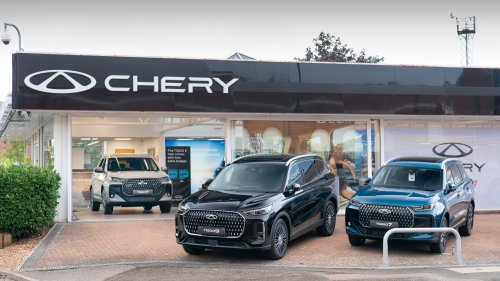
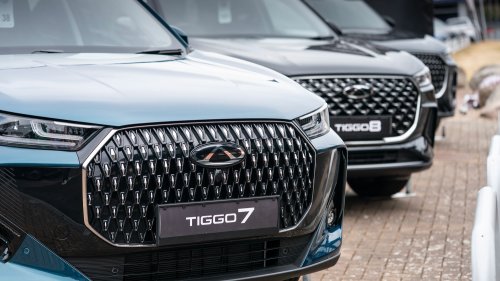
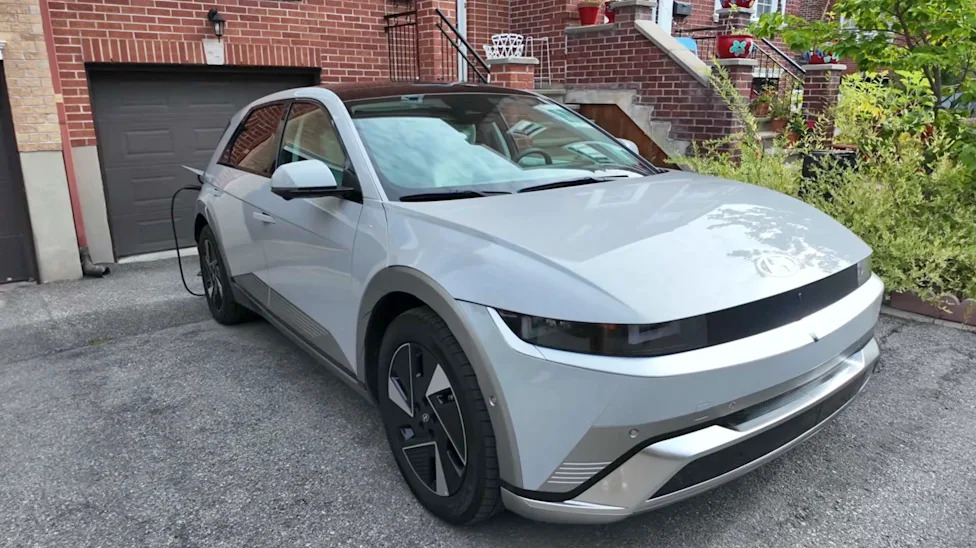
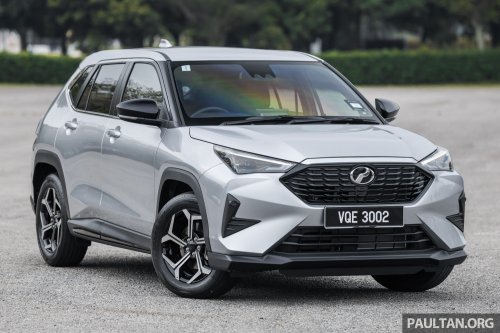
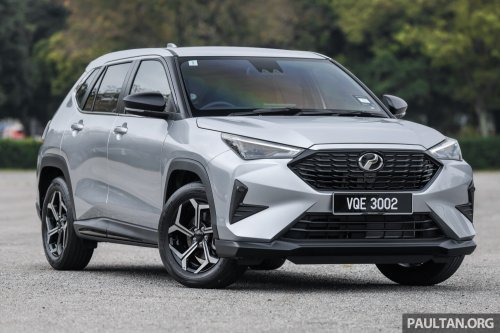
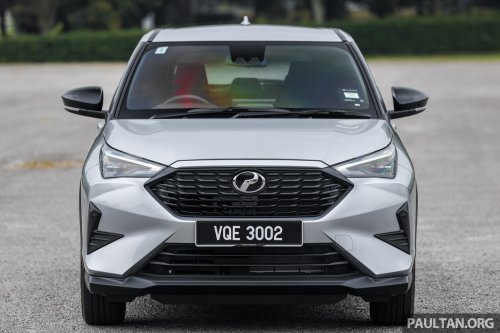
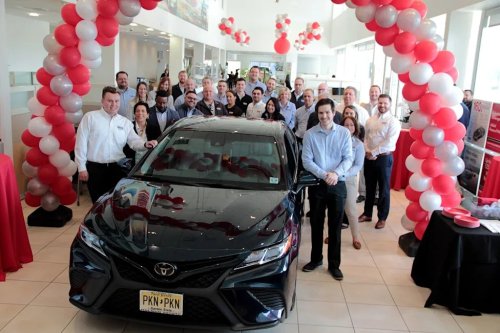
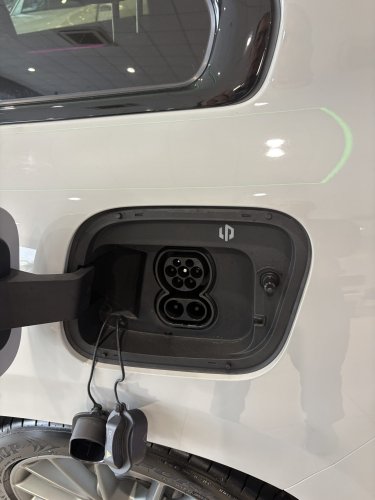
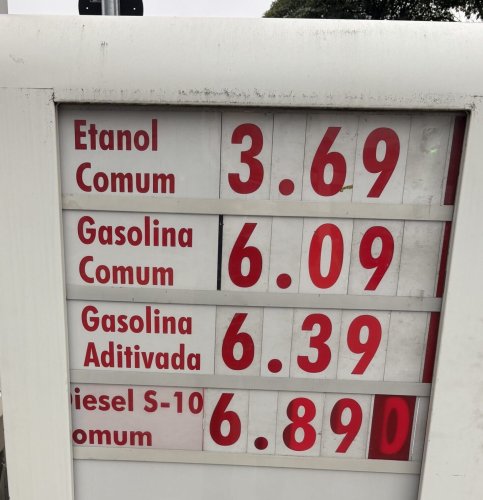
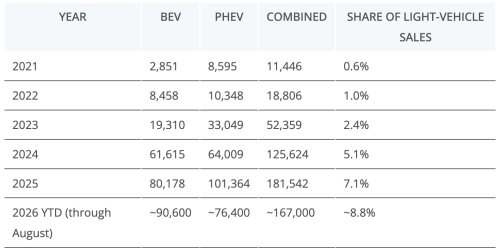
Last week, I traveled to southern Brazil to visit my wife’s family and took the opportunity to visit 4 dealers in Sao Paulo selling Chinese brands of cars (although some are assembled in Brazil). At CleanTechnica, we have written quite a bit about the the Brazil market, but we don’t have a writer who lives there. I wrote about Brazil 4 years ago, mentioning at the time that BYD was coming to the country to take over a Ford manufacturing plant. That plant is up and running, and much has changed in the last 4 years, as I cover below. Brazil Economy Background Brazil’s economy is far smaller per person than America’s. Nominal GDP per capita sits near $10,700 in Brazil versus about $90,000 in the United States — roughly an eight-to-one gap. Even after adjusting for purchasing power, the difference stays wide: around $23,000 versus $90,000. So, you would think they don’t make enough to buy a car, but you would be wrong. Most can’t afford a car, but lot can. Most American households have a car — about ninety-two percent. In Brazil, it’s closer to half, around forty-nine percent. The gap’s huge, and it shows in how people get around. Brazil’s also got a strong motorcycle culture, especially in the poorer north and northeast, where more homes have a motorcycle than a car. About a quarter of Brazilian households own one. So, while Americans lean on cars almost by default, Brazilians split between cars, bikes, and public transit — and the numbers tell that story pretty clearly. Also, the cars they buy tend to be smaller and less expensive. A Nissan Kicks, for example, is considered a subcompact crossover in the US. It is considered to be a larger crossover in Brazil (I think it is the same car). I had that discussion with one of my Brazilian cousins who is a fleet manager, and he couldn’t believe I considered the Nissan Kicks a subcompact car, since he considers it a large car! The overall market is about 3 million cars vs. about 16 million for the US market. Brazil Car Market Background Brazil’s car industry was built on protectionism from the start. Ford showed up in 1919, but the real turning point was in 1956 under Kubitschek — he banned imported cars and forced makers to build locally with high Brazilian content in exchange for tax breaks. That import-substitution playbook ran for decades, with tariffs and local-content rules keeping the market closed. The ’90s opened things up a bit, and then protectionism came back hard in the 2010s — Dilma’s tax hikes on imports. Cars stayed expensive, but the industry stayed Brazilian-owned in spirit. Then China arrived. After Brazil zeroed EV tariffs in 2015, Chinese brands flooded in (mostly gas cars initially) — imports tripled, and by 2024 they were taking most of the EV market. The government reacted the way it always has: raise the tariff. It climbed from 10% in early 2024 to 25% by 2025, and hit the full 35% in July 2026. Kit imports face the same 35% by January 2027. They’re not letting the Chinese just ship finished cars. BYD and Great Wall run their own factories. Geely is using Renault’s plant in Paraná, Chery and Changan go through CAOA in Goiás, and MG is starting contract assembly this year. XPeng is the latecomer. It’s already selling the G6 through a few dealers in São Paulo, Rio, and Belo Horizonte, with commercial operations expected in 2027. Charging Infrastructure CCS2 is the most common port (same as Europe). You use the top part (Type 2) for slow AC charging and all the pins (CCS2) for fast DC charging. It’s not good. When I got to Brazil, I opened up the PlugShare app and didn’t like what I saw. It is a mess of mostly unreliable networks (just like the US was a few years ago). For AC charging, Type 2 (Mennekes) is the norm. For DC fast charging, CCS2 is what most new cars and stations use — ABVE says it covers over 90% of the market. You’ll still find CHAdeMO on older Nissan Leafs, some GB/T on certain Chinese models, a few Type 1 or CCS1 holdovers, and Tesla’s own connector (with adapters available). The government hasn’t forced a single plug. ABNT adopted the IEC 62196 series (Type 2/CCS2) as the technical reference, and ANEEL regulates the charging service itself, but Inmetro looked at mandating connectors in 2024 and decided not to — market forces are doing the job. Safety rules for installations (NBR 17019) and charging modes are stricter, but the physical plug is left to manufacturers. The network is growing fast, but is still fragmented. As of mid-2026, there are roughly 25,000 public and semi-public points, up about 20% in three months, with fast chargers now around a third of the total. São Paulo, Rio, and the south have most of them; the north and interior are thin. Multiple operators run separate apps and payment systems, reliability varies, and the ratio sits around 20 EVs per charger — better than a few years ago, but still short of the 10-to-1 target people want. Home and workplace charging covers most daily needs, which is why the public mess feels less painful than it looks on paper. They don’t have Plug&Charge yet (where you register a credit card with your car once and then just plug in, no downloading 10 different apps), but they will probably get it over time. I used to say, “if you want an electric car, you need a spouse and a house” in the US. You need a house to charge it (since you can’t depend on public chargers that are few and far between and are unreliable). You need a spouse so you can borrow their car when you want to take a long trip. Well, that is where it is in Brazil. Alcohol Story Of Brazil Fuel prices in Brazil, which converts to $2.68 a gallon for ethanol (same value as $3.83/gallon of gasoline, subsidized before election), $4.43/gallon for gasoline, and $5.01/gallon for diesel (somewhat subsidized). Brazil’s alcohol story starts in 1931, when the government made it mandatory to blend 5% ethanol into imported gasoline. The big push came after the 1973 oil crisis: in 1975, the government launched Proálcool, pouring money into sugarcane distilleries to cut dependence on imported oil. By 1975, the first pure-ethanol car hit the streets — the Fiat 147, nicknamed the Cachacinha. Ethanol-only cars took over most of the market by the mid-eighties, but a supply crunch in 1989 wrecked consumer trust and gasoline came back. The real fix arrived in 2023: Volkswagen’s Gol Total Flex, the first car that could run on any mix of gasoline and ethanol. Bosch and Magneti Marelli built the software that reads the fuel and adjusts the engine on the fly. Within a couple of years, flex cars were over 70%! The blend keeps climbing too — common gasoline is at 32% ethanol right now. The economics are very different than corn ethanol in the US (which wouldn’t be popular without massive subsidies). In Brazil, the economics mostly work on their own. Sugarcane ethanol is the cheapest in the world to produce — roughly 80 cents a gallon at the mill — thanks to high yields, cheap labor, and the fact that the sugarcane pulp burns to power the plant itself. Drivers use the 70% rule: ethanol only wins when it costs under about 70% of gasoline, because it delivers 25% to 30% percent fewer kilometers per liter. Right now the national average sits around 61%, so flex owners are filling up with ethanol. But this is distorted because politicians are temporarily subsidizing ethanol before a big election next week. The US is playing the same game with various tricks to try to keep prices down (mostly unsuccessful) for a few weeks until the election. That said, it’s not pure free market. The government mandates the 32% blend in gasoline, gives ethanol a tax break versus gasoline, and just this month handed out a twenty-five-cent-per-liter subsidy to keep the price gap intact while oil is near a $100 a barrel. Carbon Impact Of Ethanol Brazilian sugarcane ethanol runs about 25 to 33 grams of CO₂-equivalent per megajoule. Gasoline is about 74 to 87 grams in Brazil’s official figures, and about 94 to 98 grams in U.S. well-to-wheels counts. That is roughly a 60% to 70% cut. Argonne’s GREET model puts Brazilian cane ethanol near 30 to 35 grams, versus about 50 to 55 for U.S. corn ethanol. Sugarcane pulls carbon out of the air as it grows, so tailpipe CO₂ is mostly recycled. Gasoline adds ancient carbon with no offset. So, even if Brazil doesn’t electrify its fleet as fast as many other countries, it is reducing carbon per mile (although, miles driven per person per year is rising as car sales rise). Plug-In Share In Brazil Over The Last 5 Years So, pure electrics save a bunch of money (especially for people who have solar) for an in-town second car, but the charging infrastructure is bad enough that you have to be a glutton for punishment to take one on a long trip. That is why the plugin hybrids are so popular. You can plug it in and use it as an EV 90% of the time, but when you want to take a long trip, you have the gas as a backup. Conclusion I spent last week in southern Brazil visiting family and four São Paulo dealers selling Chinese brands, some already assembling locally. Brazil’s car market is about three million vehicles a year, versus sixteen million in the US, and only about half of households own a car. Protectionism shaped the industry; tariffs on Chinese EVs are now back at 35 percent, so BYD, Great Wall, Geely, and others are building plants. Flex-fuel ethanol still dominates daily driving — sugarcane cuts carbon 60 to 70 percent versus gasoline — while public charging is a mess of apps and thin coverage. Plug-in hybrids win because they drive electric in town and keep gasoline for the road. That said, it is impressive that they have gone from less than 1% plugin vehicle share to almost 10% in only 5 years! As they get a better charging network and a much better selection of electric cars over the next few years, I’m confident they will continue to move to 20%, then 30% and more plugin share. In Part 2, I’ll cover my dealer visits and more thoughts on the market. Disclosure: I am a shareholder in Tesla [TSLA] and XPeng [XPEV]. But I offer no investment advice of any sort here.



















 +29 others