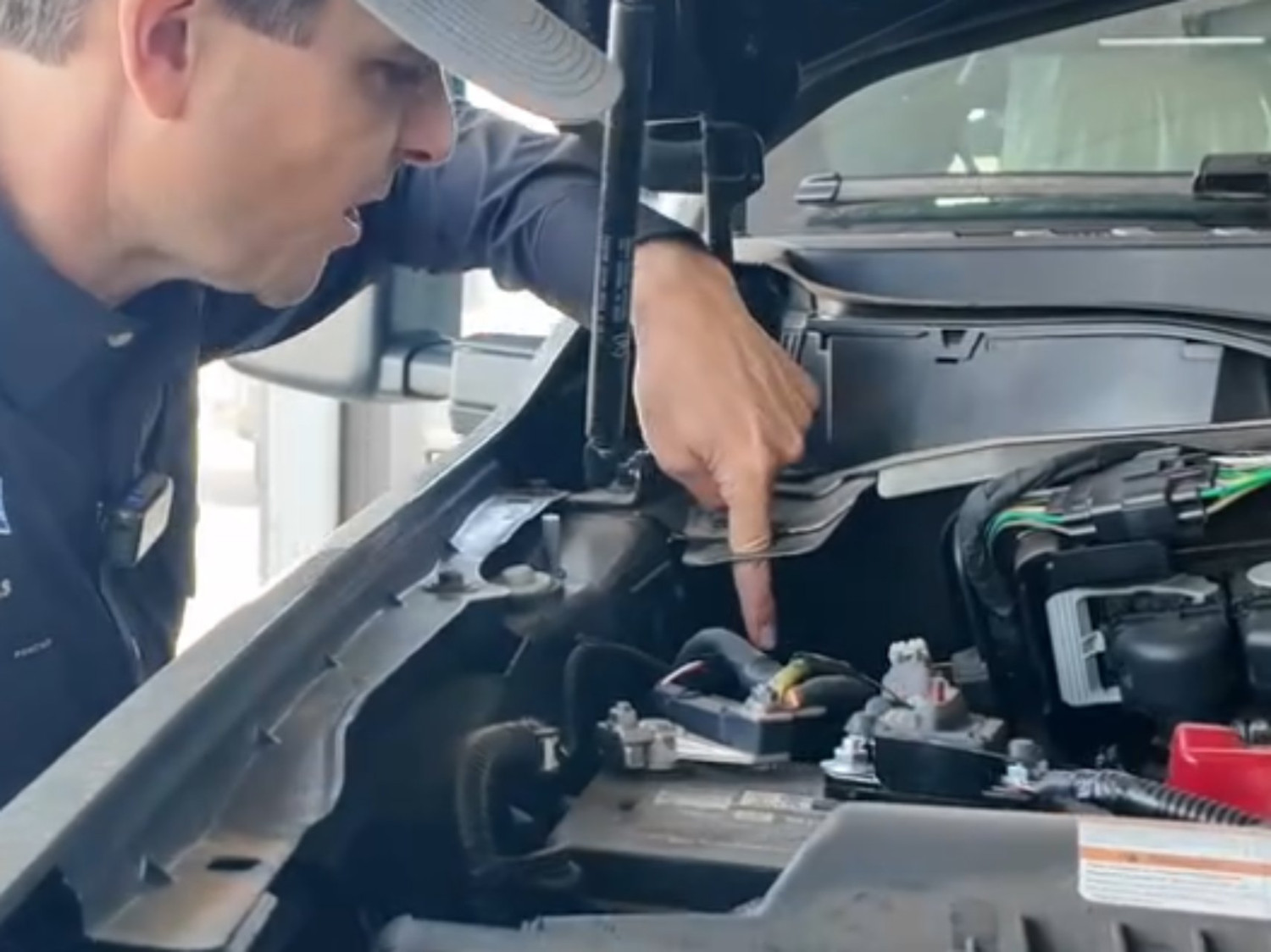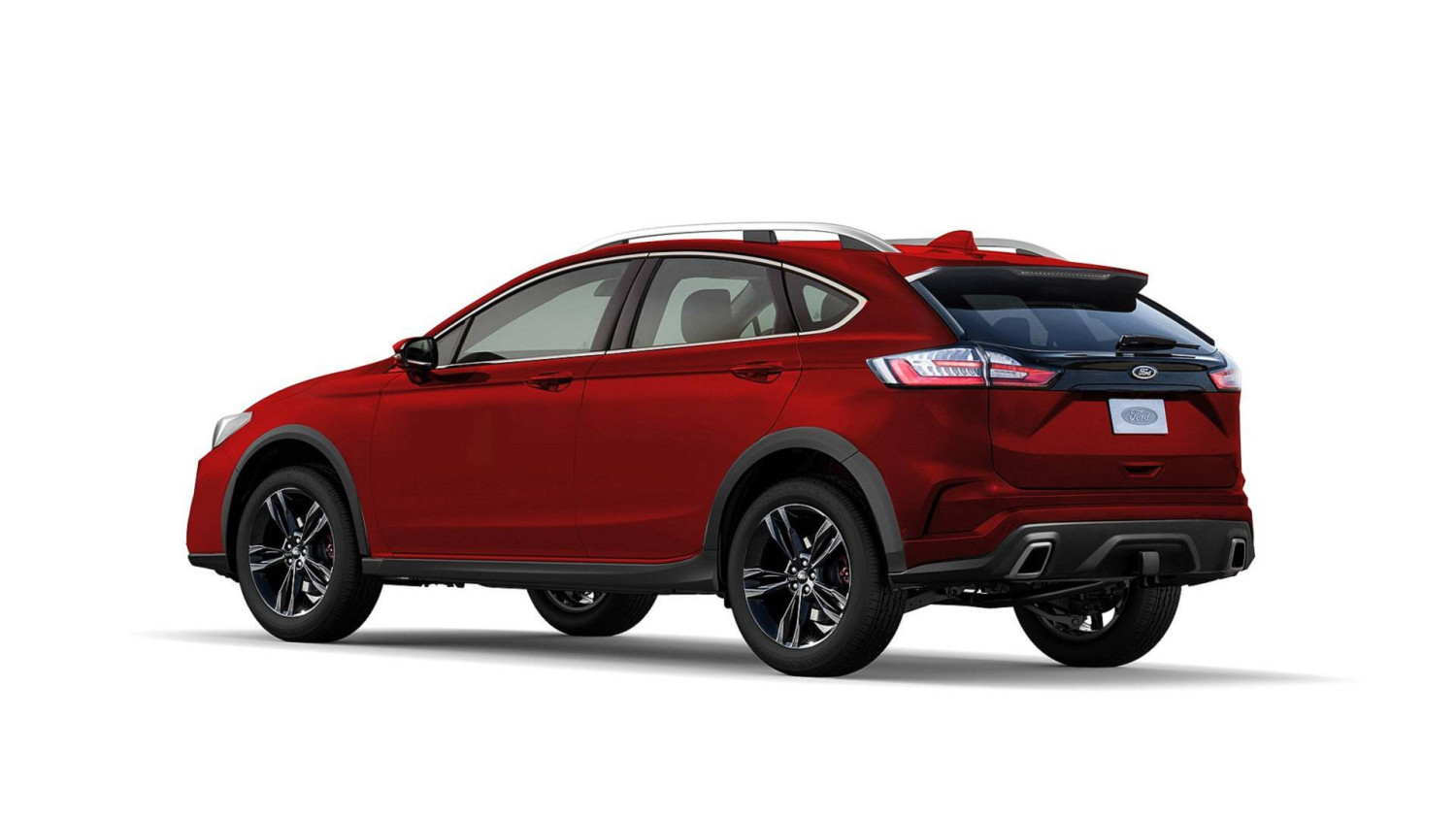
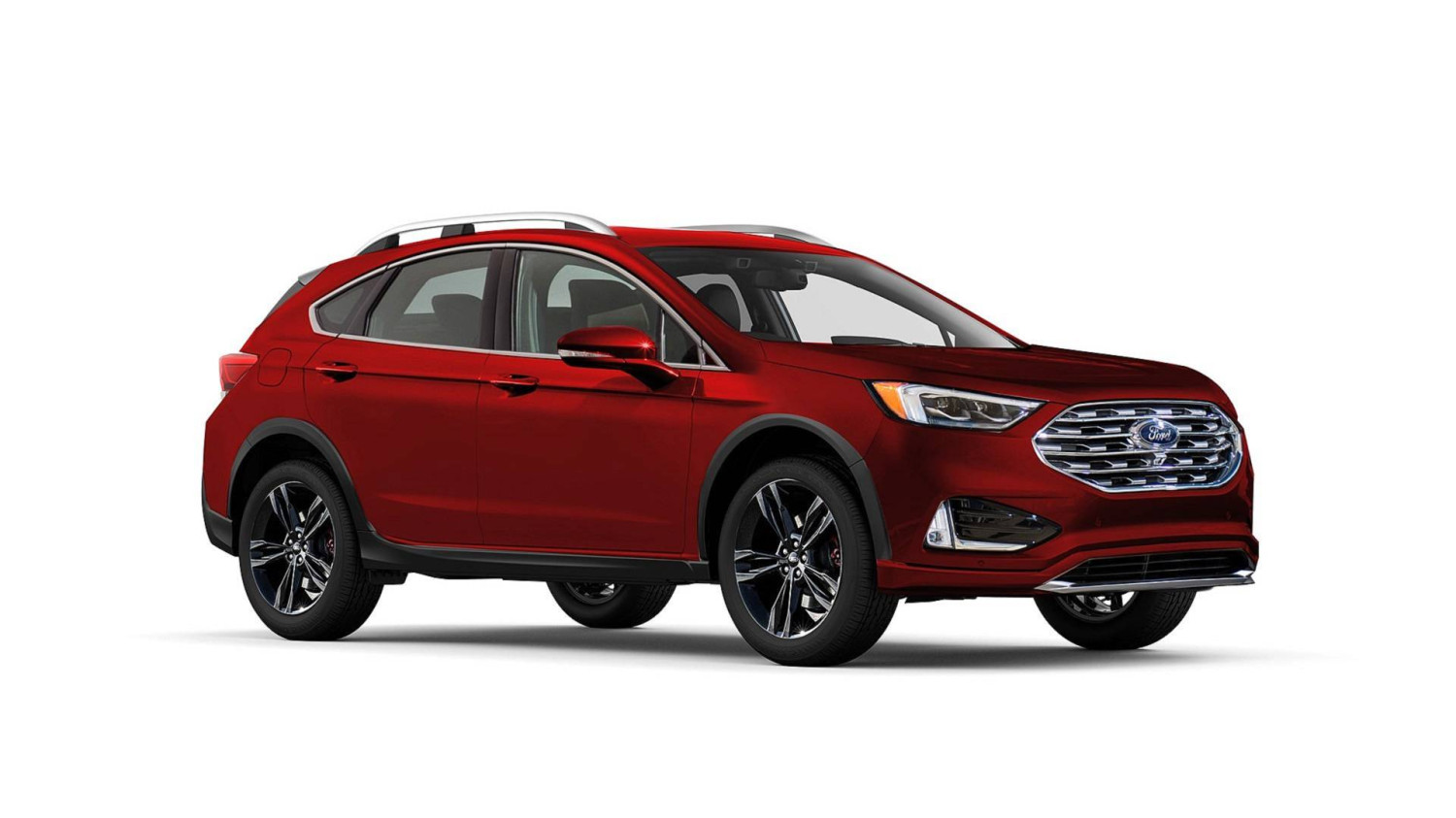
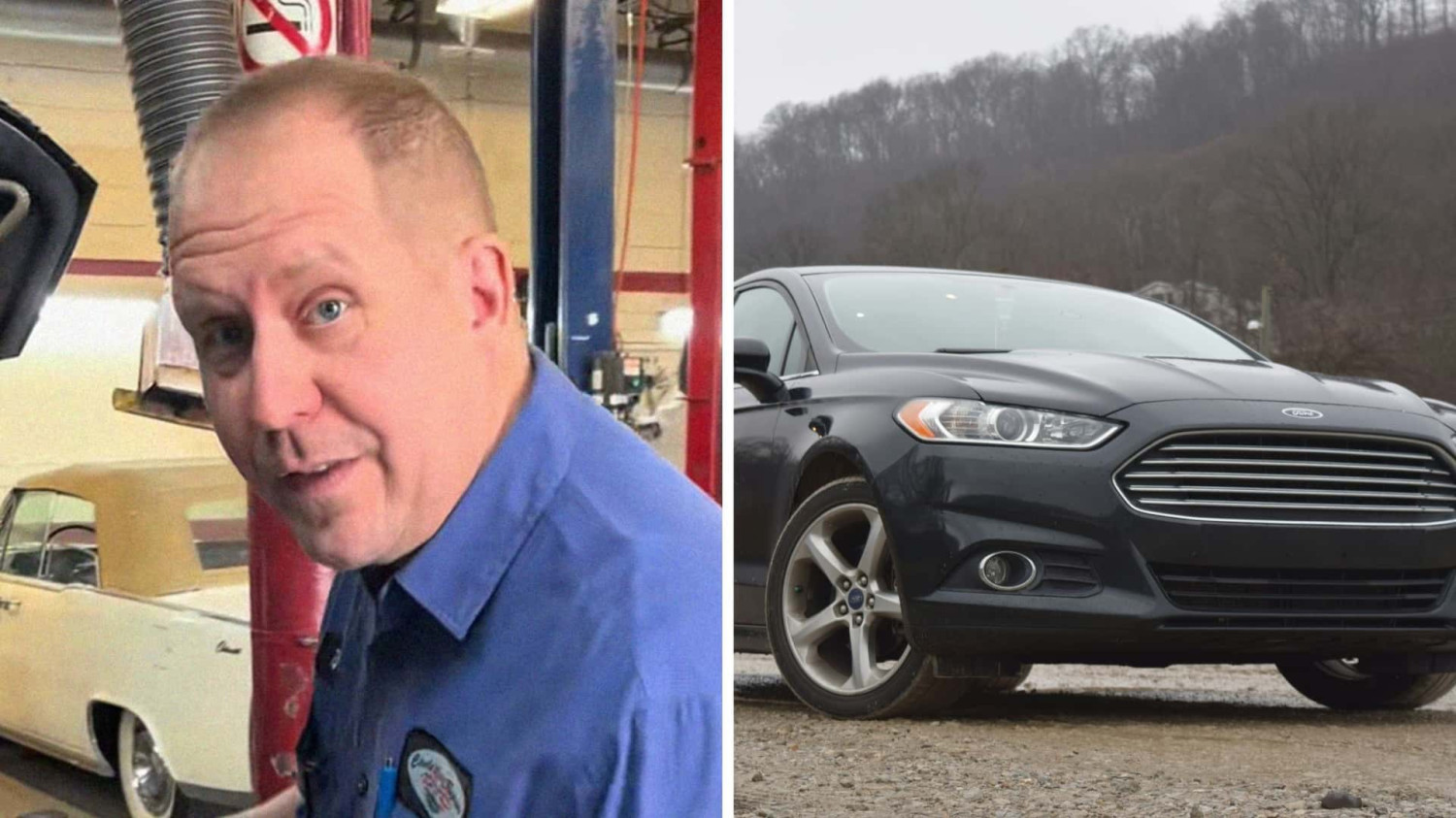






















If you’ve ever turned the key and heard nothing but silence, you know the dread. That was the case for a Ford Fusion owner whose car arrived at a shop dead in the water, only for one of the shop owners to discover a starter that not only quit but also combusted when trying to start. The TikTok clip of the smoky discovery is now prompting gearheads everywhere to weigh in on what really caused the issue. The clip from Circle Auto Repair in Fairfax, Virginia, is a textbook case of auto repair sleuthing to find out the culprit behind the well-traveled daily driver Ford’s refusal to start. Even though the engine had logged more than 200,000 miles, the owner reported no telltale signs of failure. That led toward a look at the starter, and its smoky discharge whenever the ignition was engaged. "Look at the smoke pouring out of the starter. It's not cranking the engine," co-owner Dave Frisby observes in the clip that’s been viewed more than 20,000 times in less than a week. What’s Hiding Inside the Starter? Once Frisby confirmed the engine itself wasn’t seized by spinning the crank pulley freely by hand, the focus returned to the starter motor. He pulled the unit out and immediately noticed that something inside was loose. "This is internally loose…that’s bad," he says, rotating the body and pointing to a wobbly internal assembly. That clue has sparked a lively debate in the video’s comment section and beyond about what, exactly, was moving. In a modern starter, such as the one fitted to the 2016 Fusion, the main rotating shaft passes through two bronze bushings or needle bearings. When those wear out, the armature can drift off-center, causing friction and electrical arcing as the brushes lose uniform contact with the commutator, often producing heat and, eventually, smoke. OWNERSHIP STORIES Viral stories from across the web Our team of experts tracks what owners are saying about car-shopping, repairs, the daily driving experience and more on social media. According to the repair manual data from Haynes, the Fusion’s starter is a reduction-gear design that relies on tight clearances between the pinion shaft and nose housing. Excessive play can also cause the pinion gear to mis-mesh with the flywheel ring gear, adding mechanical drag that overheats the windings. Viewers quickly identified what they saw as a faulty solenoid, the cylindrical component attached to the starter body that uses a magnetic plunger to engage the gear. If the plunger sticks or the internal contacts arc, it can create short bursts of smoke and a burnt electrical smell, symptoms identical to those captured in the clip. Several commenters spotted another clue: a sheen of oil on the removed unit. "That oil leaking all over probably helped cause the starter to go bad," one viewer wrote. It’s a fair point. Over time, small oil leaks from the engine or transmission can seep into the starter’s housing and internal windings, degrading insulation and creating conductive carbon residue. A JS Auto Repair overview notes that contamination is among the most common hidden causes of premature starter failure. Another commenter speculated that the bad part may have been a low cost remanufactured replacement. Many chain store "re-man" starters reuse the original housing and some internal components; quality depends heavily on the rebuilder’s process. The Automotive Parts Remanufacturers Association recommends that high-quality rebuilds replace bearings, brushes, solenoids, and bushings, whereas some cheaper units only clean and repaint the housing, leaving worn internals that can wobble or short out within months. That theory aligns with the car’s age and mileage, as a 200,000-mile daily driver could easily be on its second or third starter. "Prolly a re-man AutoZone unit so you’ll see her again soon," one commenter speculated. Replacing the faulty unit solved the problem. When Frisby installed the new starter and hit the key, the Fusion fired up instantly, with no smoke or hesitation. "That sounded really good," he said, ending the clip on a satisfied note. Gallery: Ford Fusion rugged wagon render Why the Smoke Matters Starter smoke might look dramatic, but it also signals real risk. The unit draws 150 to 250 amps during crank; any internal short or friction rapidly overheats the windings. Once the insulation burns, the starter can seize, melt its terminals, or even trigger a minor fire. That’s why industry guides from Elreg Distributors to Motor Trend’s DIY series recommend replacing any starter that emits visible smoke rather than attempting a repair. Even with a new part installed, it is still a good idea to inspect the electrical system and surrounding components. A weak battery, corroded ground cable, or oil leak can all stress a replacement starter and lead to repeated failure. A good technician will load test the battery, verify clean grounds, and check for voltage drop across the solenoid circuit before closing the job. For viewers, the video became an impromptu master class in basic diagnostics: confirm the engine isn’t locked, verify electrical supply, isolate the suspect component, and observe the results. In an era of plug-in diagnostics and code readers, the mechanic’s simple wrench-and-listen approach was refreshingly analog. The takeaway is equally straightforward. When a starter smokes, there is likely heat, contamination, or poor rebuild quality at play. And while it’s easy to laugh at the commenters joking about "refilling the smoke," this Fusion’s brief viral fame underscores a universal truth in car repair: electrons always tell the truth. Reached via phone, Circle Auto Repair declined further comment on the video. We want your opinion! What would you like to see on Motor1.com? Take our 3 minute survey. - The Motor1.com Team