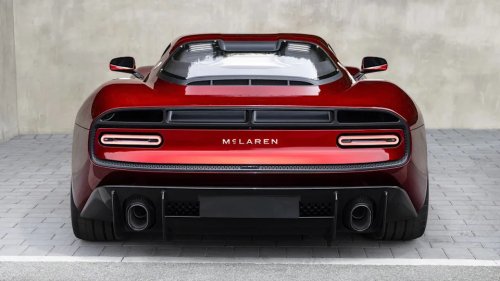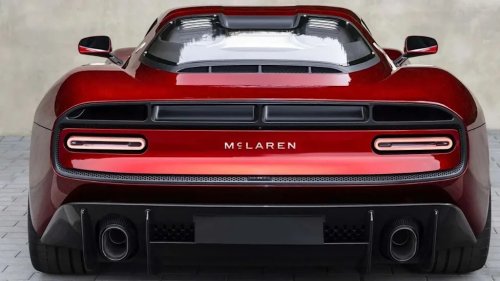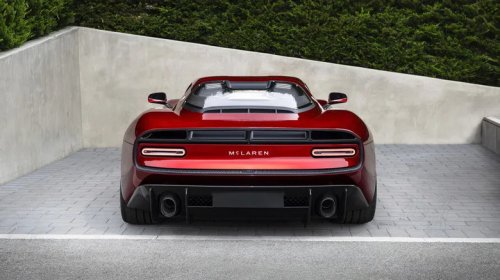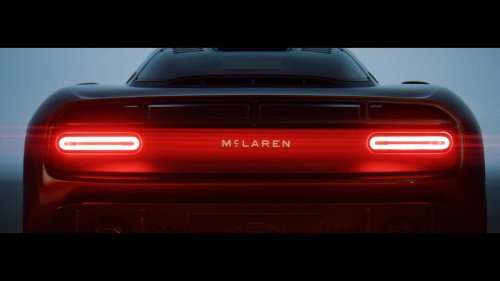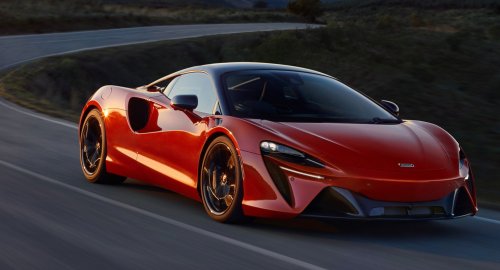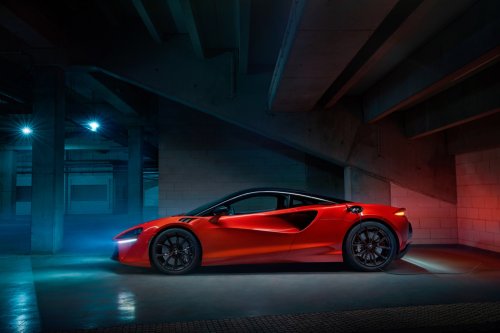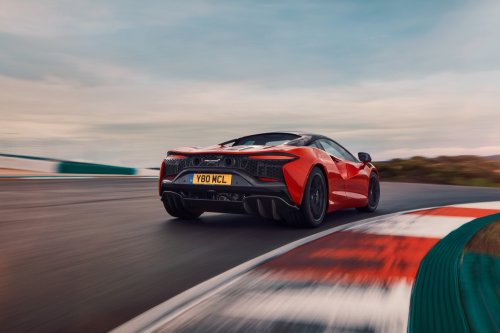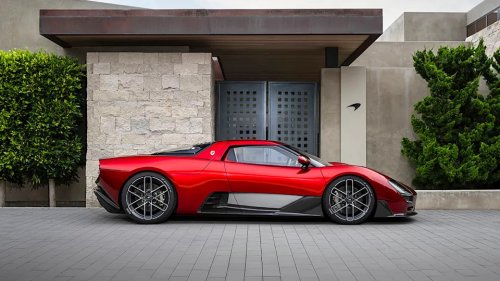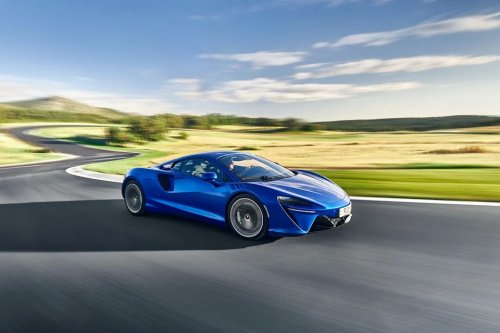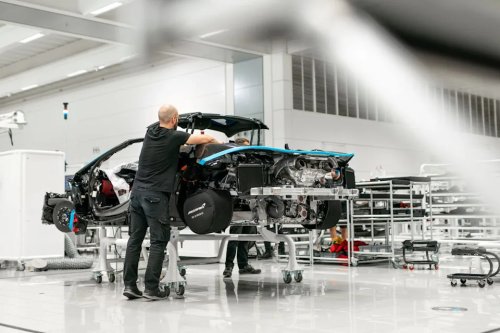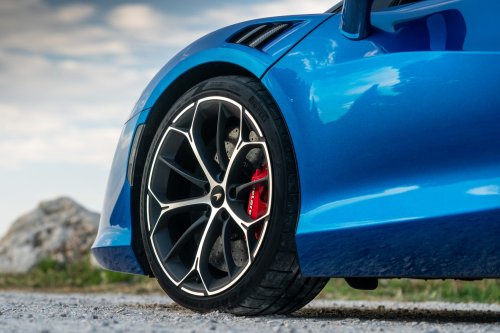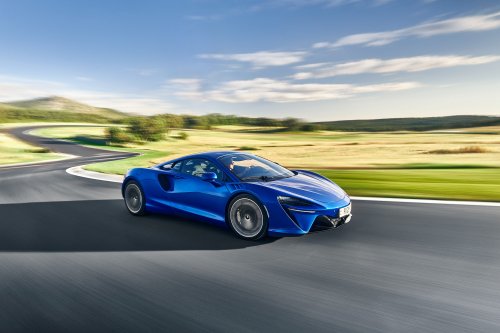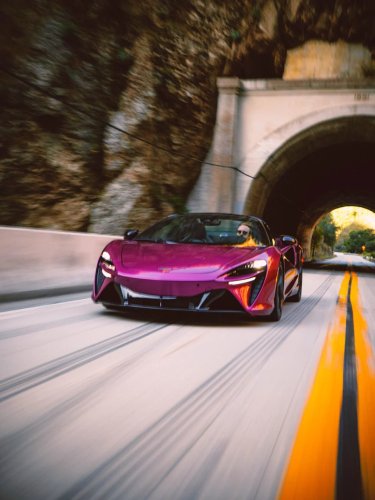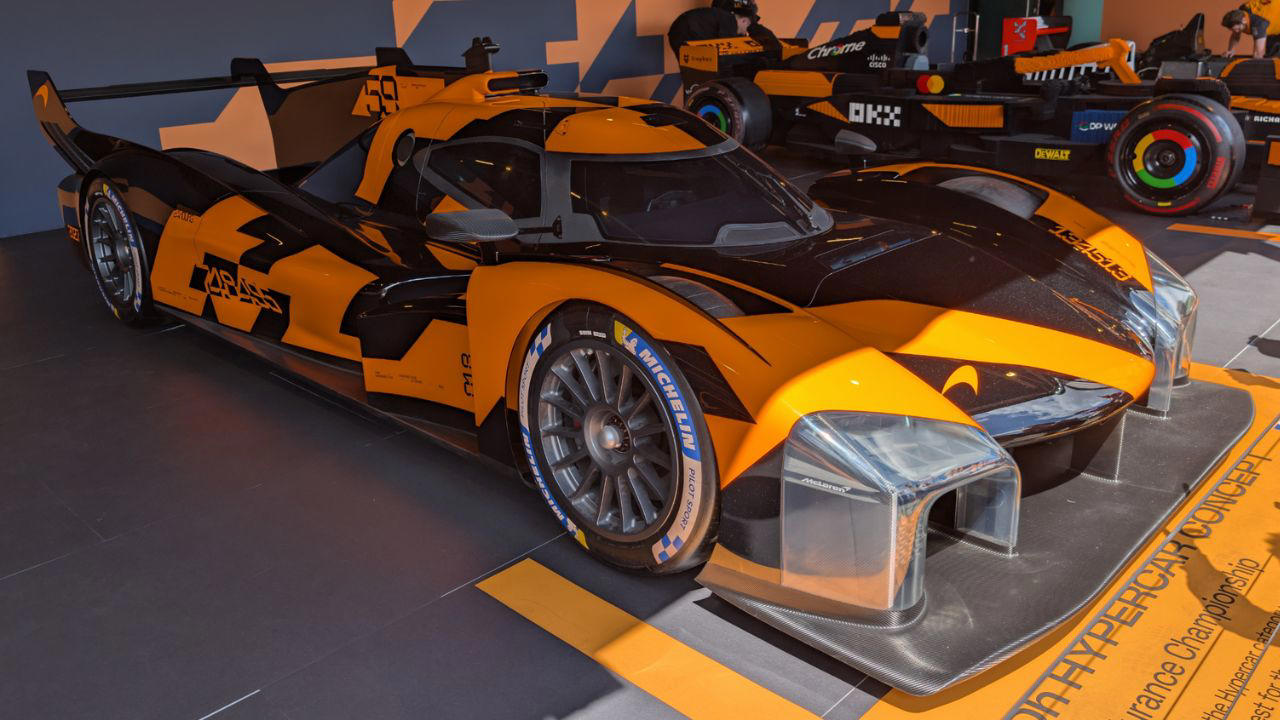



















McLaren’s wild customer Le Mans track weapon is finally taking shapeMcLaren is edging closer to putting a factory Le Mans weapon in private hands, and the outlines of that machine are finally becoming clear. The customer program known internally as Project: Endurance promises a car shaped by the same regulations and thinking as the company’s new Hypercar racer, yet tailored to the demands of paying clients rather than professional teams. As more technical detail and program structure emerge, the project looks less like a marketing exercise and more like a serious attempt to let customers experience modern endurance racing performance on their own terms. Unlike previous track specials that merely borrowed cues from motorsport, this car is being developed in parallel with McLaren’s works entry for the 24 Hours of Le Mans. That shared DNA, combined with a dedicated global track program and a combustion-only powertrain, positions Project: Endurance as one of the most focused customer offerings the brand has attempted. It is a wild track toy, but one with the discipline and durability of a long-distance race car baked in from the start. From Le Mans grid to private garages The central idea behind Project: Endurance is simple: take the concept of McLaren’s new Le Mans Hypercar and reinterpret it for private ownership. Official material describes the initiative as engineered for customers, with the company explicitly linking the car’s spirit to Le Mans 1995, when McLaren stunned the establishment with overall victory at the 24 Hours of Le Mans on its first attempt. That reference to Le Mans is not nostalgia for its own sake; it signals that the new machine is designed to withstand the stresses of endurance competition, even if owners will experience that capability on private track days rather than under race control. Details about the so-called Project: Endurance have filtered out through an Australasian showcase, where McLaren executives outlined the concept to regional clients. At that event, the brand framed the customer car as a direct offshoot of its current Hypercar program, which is being readied for the World Endurance Championship and the 24 Hours of Le Mans. The messaging is clear: this is not a detuned road derivative, but a track car conceived alongside the works entry so that private owners can sample the same aerodynamic philosophy, chassis approach, and overall performance envelope that will appear on the grid at Le Mans. What Project: Endurance actually is Under the skin, the customer car is closely related to McLaren’s new Le Mans racer, but it is not a carbon copy. Reporting from the Australasian launch explains that the Project: Endurance shares the core chassis and aerodynamic concept with the WEC Hypercar, while adopting a powertrain and control strategy tuned for reliability, drivability, and serviceability for private owners. The car has been presented as a customer-spec Le Mans track car, developed in parallel with the WEC entry rather than adapted after the fact, which helps explain the coherence of its design. McLaren describes the customer-spec Project: Endurance model as being developed alongside its upcoming WEC Hypercar racer, but with a distinct mission. Official information states that the Project: Endurance car features its own calibration and support structure, as it does not need to comply with Balance of Performance rules or stint-length fuel targets. That freedom allows McLaren to shape the power delivery, traction systems, and braking feel around the expectations of expert amateurs who want the sensation of a Le Mans prototype without the complexity and fragility that pure competition hardware can entail. A combustion-only powertrain with race pedigree Perhaps the most striking technical decision is the choice to forgo hybrid assistance. While the works Hypercar is expected to race with a hybrid system, the customer machine will rely solely on internal combustion. Reporting confirms that the car uses a 2.9-liter twin-turbo V6 producing 720 horsepower. That output places the car squarely in modern Hypercar territory, even without electric assistance, and reflects McLaren’s confidence in its combustion engine technology. The decision to omit hybrid hardware is not simply about cost saving. Buyers are being offered a combustion-only endurance machine, paired with a structured two-year global track program that begins as testing ramps up ahead of 2027 deliveries, a package described in briefing material for Buyers. That structure allows McLaren to control how the cars are used, maintained, and upgraded, which is especially important when the powertrain is derived from a works racing program. A combustion-only layout also simplifies servicing and reduces the learning curve for private drivers who may be stepping up from GT machinery rather than hybrid prototypes. Customer experience, from pit lane to hospitality suite Project: Endurance is being framed as a complete ecosystem rather than a bare chassis and a handshake. The company describes it as a very exclusive experience for customers, emphasizing that buyers are purchasing access as well as hardware. That access is expected to include curated track events, factory-level engineering support, and interaction with the works race team so owners can see how their cars relate to the Hypercar that competes at Le Mans. Early briefings in Australia and New Zealand describe how McLaren plans to integrate clients into its endurance racing world. Coverage of the regional reveal notes that McLaren will sell Le Mans-style race cars to customers and run them in a track-spec configuration, with support from the same factory race team and drivers who operate the WEC Hypercar, a structure outlined in Le Mans-style race reporting. For McLaren’s most committed clients, the appeal is obvious: a chance to share pit lane with professional drivers, work with race engineers on setup, and experience the same circuits and conditions that define modern endurance competition, without the pressure of actual race entries or Balance of Performance politics. How it fits into McLaren’s track-only lineage Project: Endurance does not appear in isolation. McLaren has a history of building track-only specials that sit above its road-going supercars, and the strategy for the new Le Mans-based car borrows heavily from that playbook. Internal material describes Project: Endurance as a continuation of McLaren’s automotive and racing heritage, explicitly linking it to the company’s historic success at Le Mans. That project showed McLaren how to engineer a car that ignores road regulations, focuses on downforce and lap times, and is supported through dedicated track events rather than traditional dealer service channels. The new Le Mans-derived machine extends that philosophy into the world of prototype-style aerodynamics and endurance racing durability. Internal material describes Project: Endurance as a direct continuation of McLaren’s authentic automotive and racing DNA, with the phrase Project: Endurance linked explicitly to the company’s historic success at Le Mans. Where the Senna GTR focused on raw downforce and sprint performance, the new car adds the ability to run long stints, manage tire and brake wear, and deliver consistent pace over hours, all while giving private owners a structured environment in which to explore that capability. More from Fast Lane Only Unboxing the WWII Jeep in a Crate 15 rare Chevys collectors are quietly buying 10 underrated V8s still worth hunting down Police notice this before you even roll window down