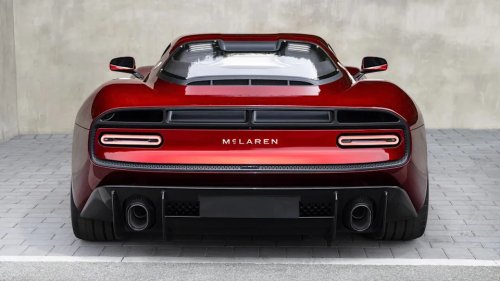
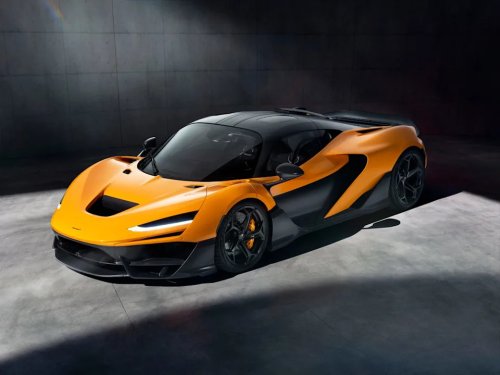
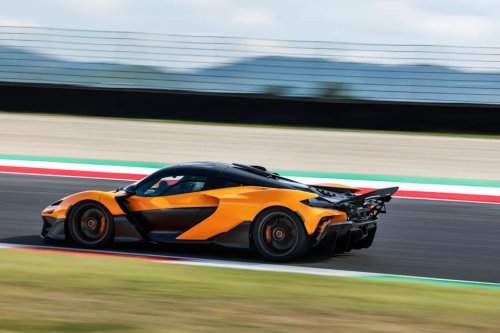
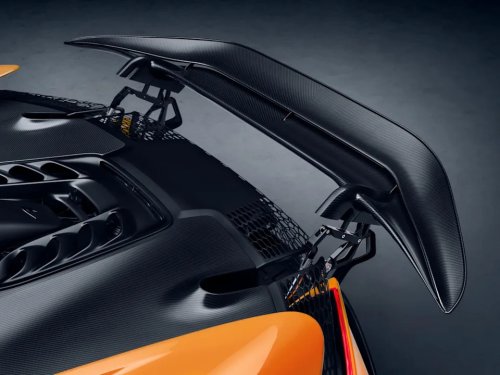
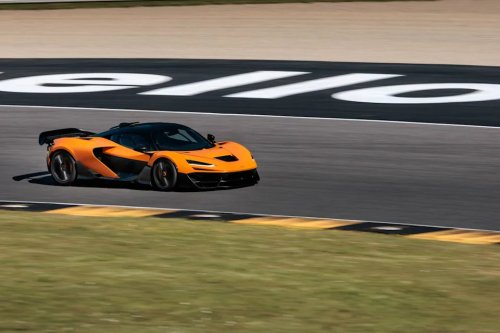
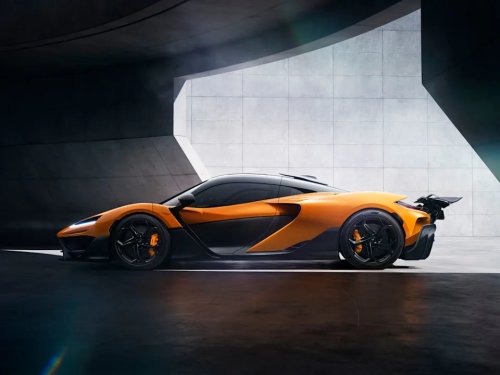
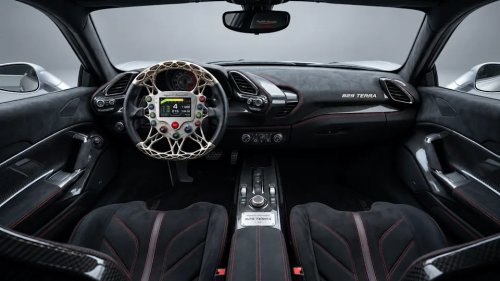
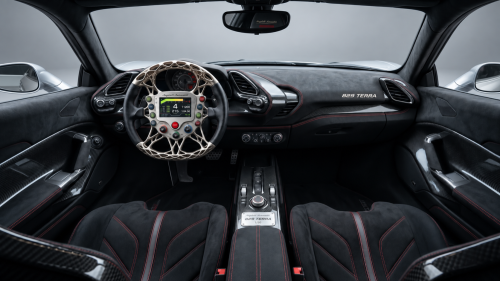
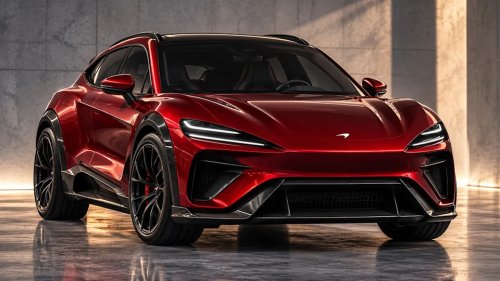
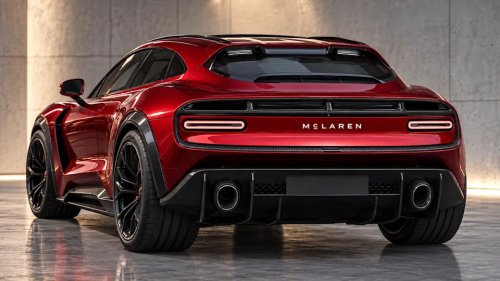
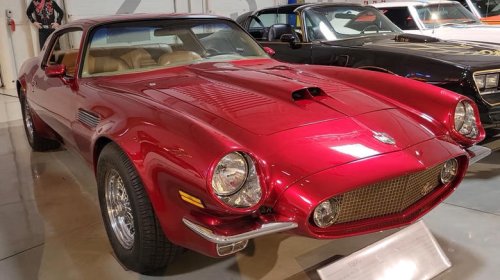
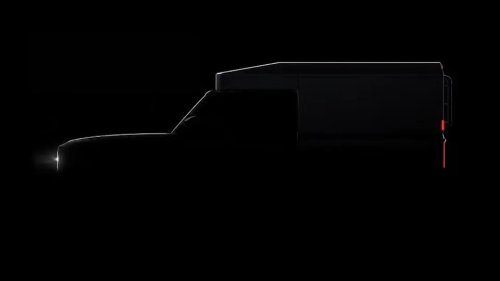
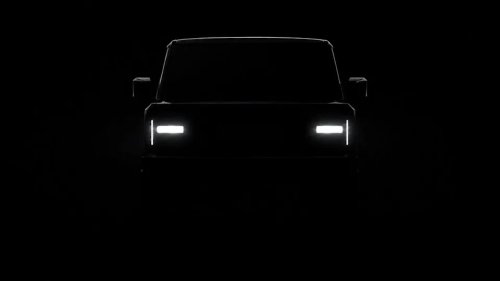
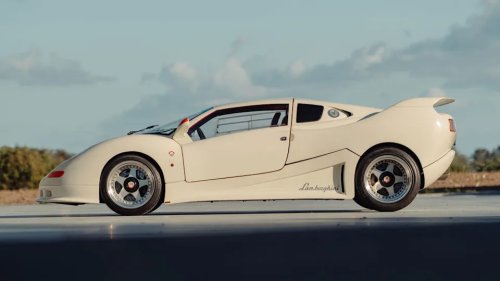
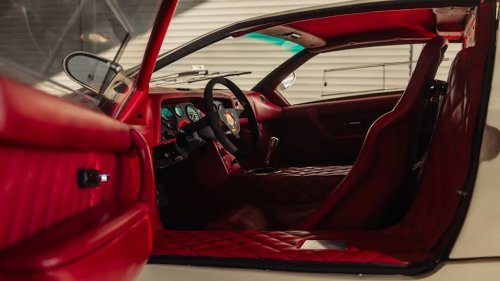
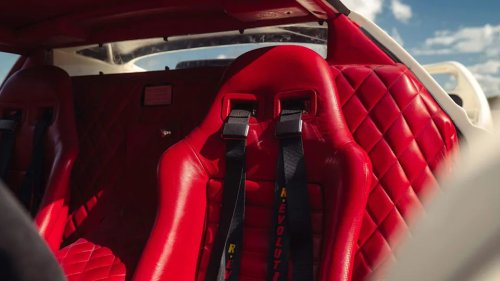
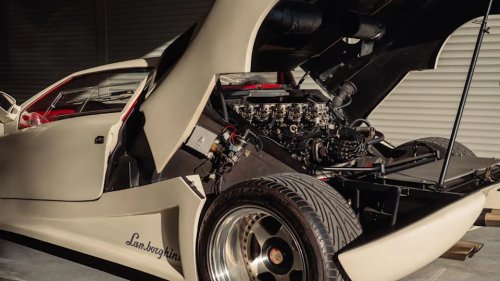
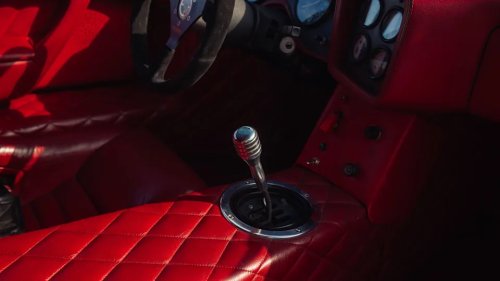
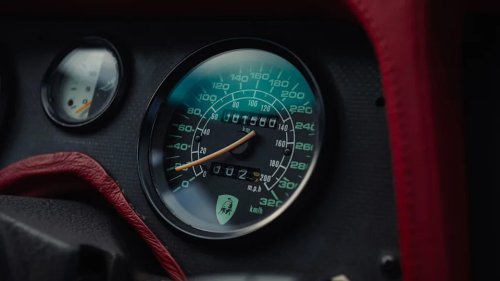
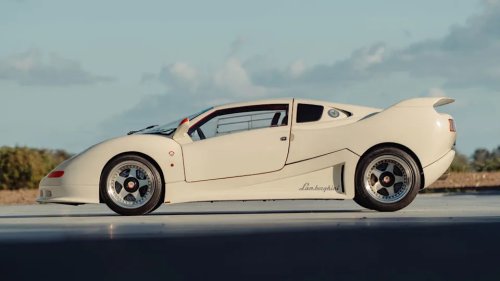
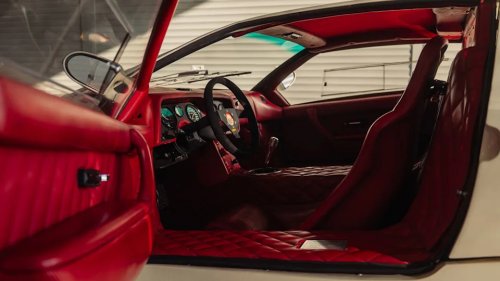
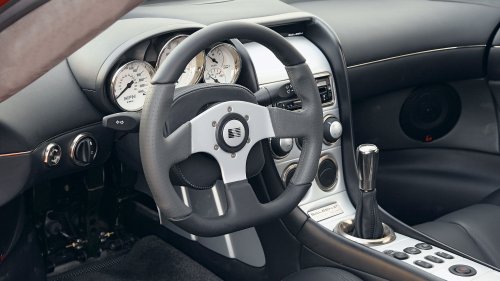
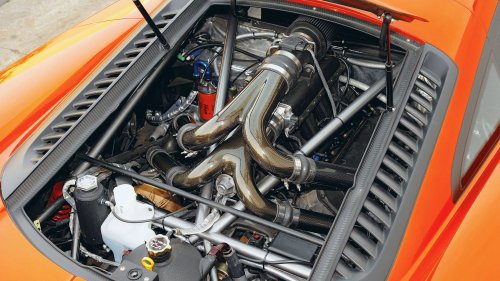
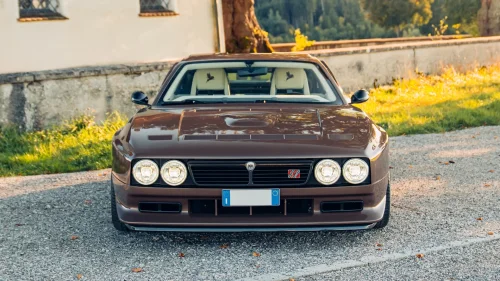
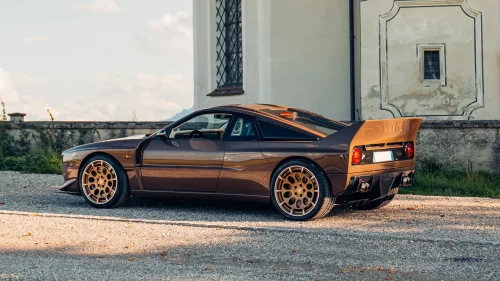
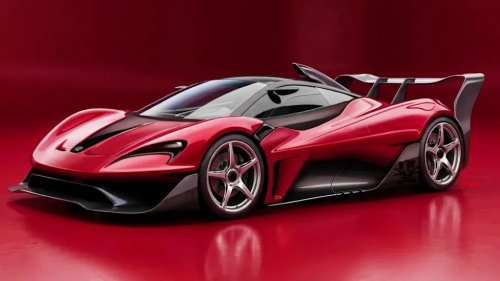
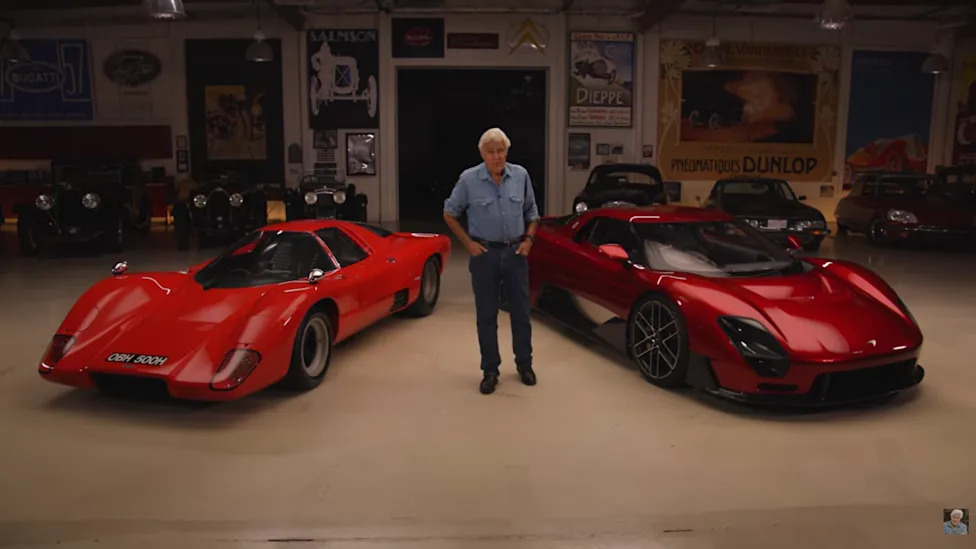
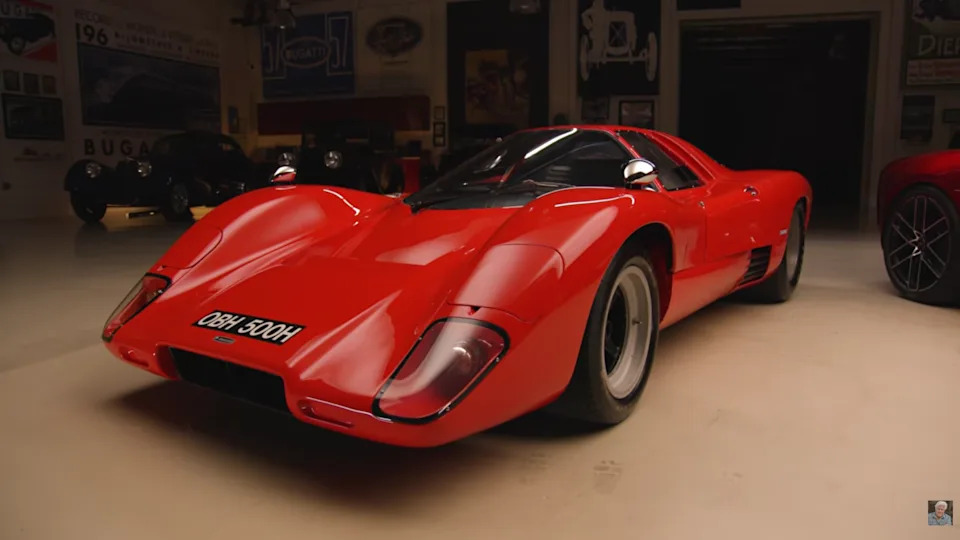
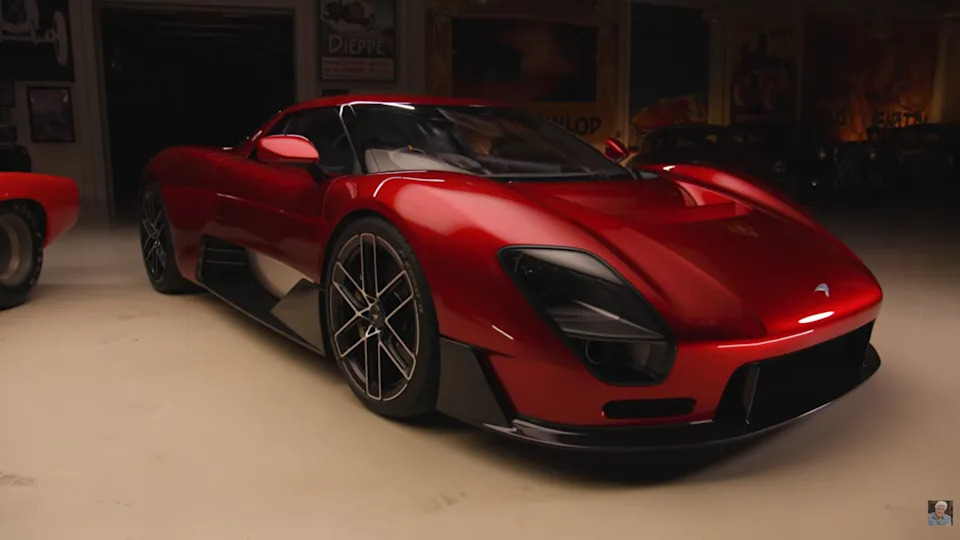
Image Credit: Jay Leno's Garage / YouTube.Jay Leno has owned and driven enough McLarens to know the company's history better than most customers. His latest encounter, however, brought together two cars separated by nearly six decades.One is Bruce McLaren's personal 1969 M6GT, an extraordinarily rare machine conceived when McLaren was still primarily known for racing. Leno was given the chance to drive it on public roads, complete with its heavy controls and old-school Chevrolet V8.Parked alongside it was something Leno hadn't even known was coming before it arrived at his garage. McLaren Chief Design Officer Kemal Curic brought along the McL 6GT, a concept previewing a limited-production supercar planned for 2028.Seeing the pair together reveals how deliberately McLaren has looked backward while developing its newest car. The connection stretches beyond their proportions and styling, right down to the philosophy behind how they should feel from the driver's seat.Bruce McLaren Wanted A Race Car For The RoadImage Credit: Jay Leno's Garage / YouTube.The M6GT grew from McLaren's dominant Can-Am program. After the M6A won five of six races during the 1967 season, Bruce McLaren pursued the idea of adapting that racing formula into a road-going sports car.His personal M6GT used a 5.7-liter Chevrolet V8 producing around 370 horsepower, paired with a ZF transaxle. At roughly 800 kilograms, or about 1,764 pounds, it offered exceptional performance for the late 1960s.Bruce didn't treat it like a museum piece, either. According to Curic, he drove the M6GT to races and even used it for grocery runs, while planning to eventually produce a few hundred examples.Those plans ended after Bruce McLaren was killed while testing at Goodwood in 1970. Only a tiny number of M6GTs were completed, leaving his personal car as a glimpse of what could have become McLaren's first production road-car program.The McL 6GT Brings Back The ManualImage Credit: Jay Leno's Garage / YouTube.McLaren isn't simply recreating the M6GT for 2028. The new McL 6GT uses a carbon-fiber structure and a twin-turbocharged V8, although final output and weight figures haven't been announced.The big news sits between the seats: a proper six-speed manual transmission with exposed titanium linkage. McLaren says it's responding to customers asking for a more engaging driving experience, making this its first manual road car since the legendary F1.Production is planned at exactly 500 examples, and Curic told Leno that McLaren is already taking orders. The concept is also described as being close to production form, although aerodynamic details are still being refined.McLaren Hid Plenty Of History In The DetailsThe visual references are intentionally restrained. Prominent front fenders echo the M6GT, while the lighting and interior use recurring racetrack-inspired shapes rather than attempting to duplicate a 1969 design.Other details are much more personal to McLaren's founder. There's a Speedy Kiwi emblem, a Le Mans stripe, and a shield referencing Muriwai Beach in New Zealand, where Bruce McLaren began competing as a young driver.Leno particularly appreciated that the badges are genuine metal pieces rather than decals. After driving Bruce's original M6GT in 105-degree Los Angeles heat, he also experienced exactly how far road cars have progressed since 1969: no ABS, no traction control, and a heavy clutch and steering that demanded real effort.The new McL 6GT will undoubtedly be easier to live with. Its exposed manual shifter suggests McLaren hasn't forgotten why driving the old one could be so memorable.If you want more stories like this, follow Guessing Headlights on Yahoo so you don't miss what's coming next.



















 +21 others