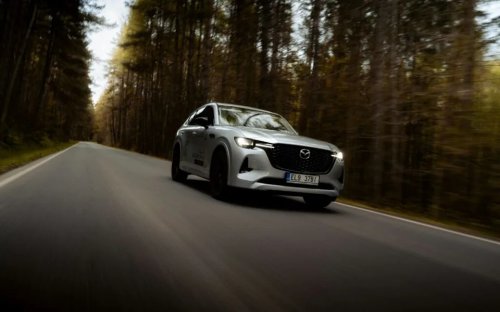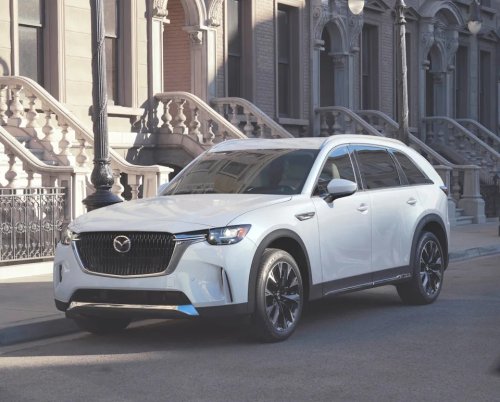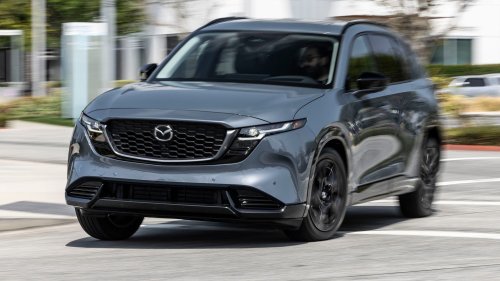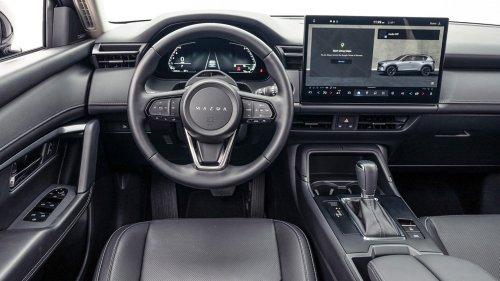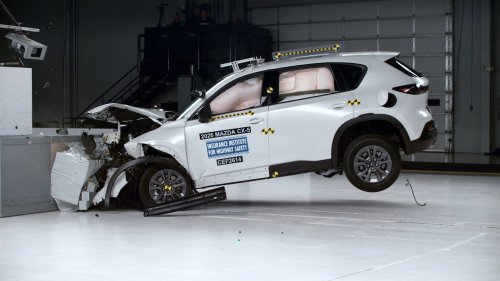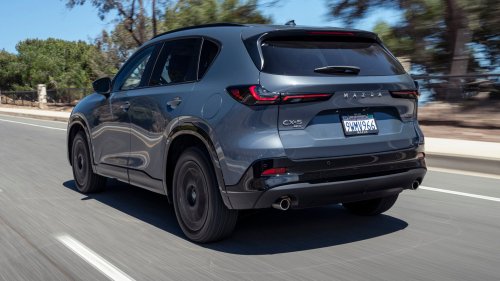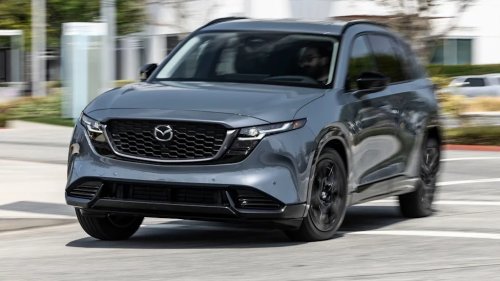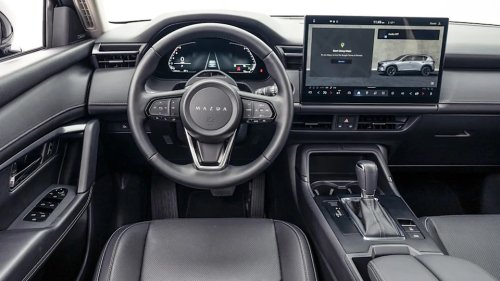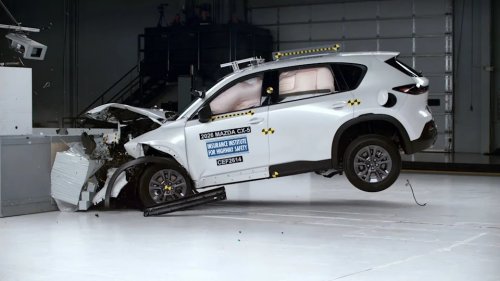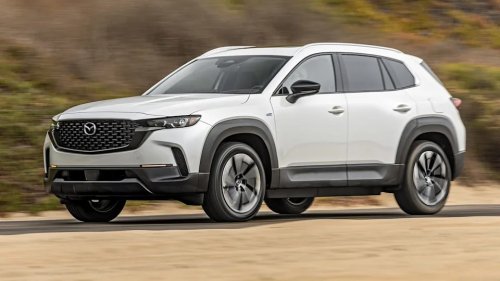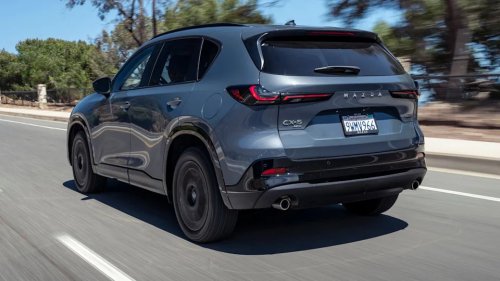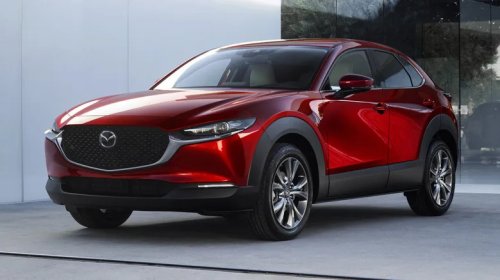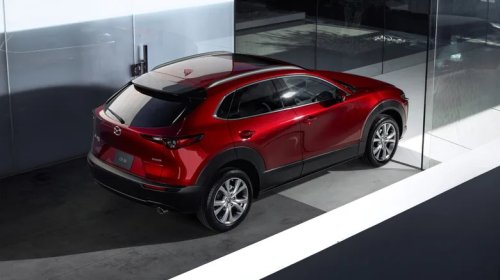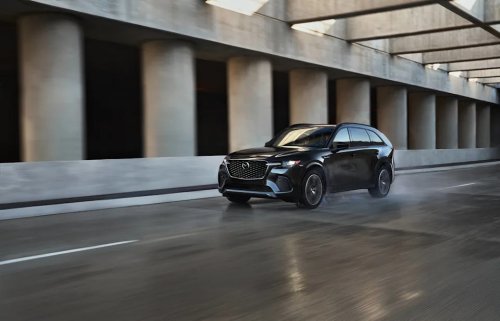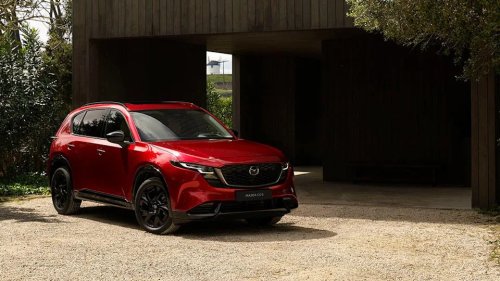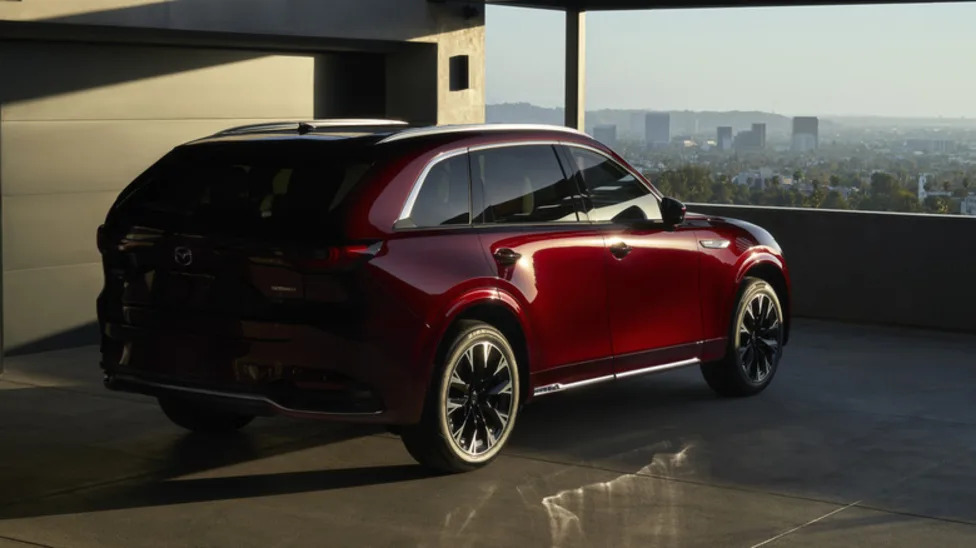
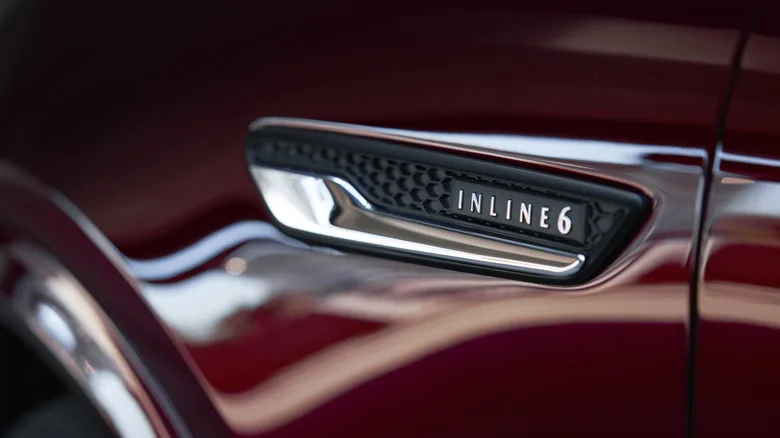
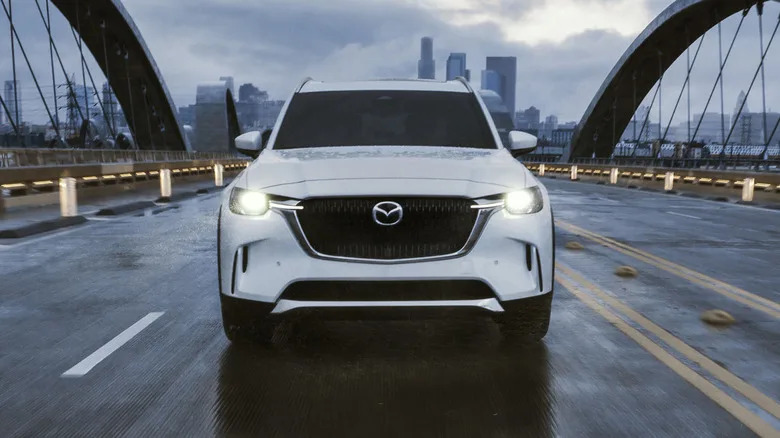



















MazdaTypically, an automaker introducing an all-new engine family is a big deal in the automotive industry — and it should be an even bigger deal when that engine is a turbocharged inline-6. Yet somehow, despite doing exactly that, it feels like Mazda's introduction of the 3.3-liter SkyActiv inline-6 engine, which is offered in both gasoline and diesel variants globally, has flown under the radar or been shrugged off.The inline-6 has quite a reputation among Japanese car enthusiasts, thanks to the Toyota 2JZs and Nissan RB26s of the past. However, while Mazda is among the brands leading the charge in bringing back the inline-7, this new engine has so far only been offered in SUVs, rather than a more performance-oriented sports sedan or coupe. This could likely explain the overall lack of hype around the engine.Mazda's inline-6 is only available in gasoline form in the U.S., but is also available in e-Skyactiv D form in global markets. Mazda offers two variants of the engine for each fuel type, but in either case the gasoline versions have significantly more horsepower than the diesel. As you'd expect from a diesel engine, though, the D variants offer some very impressive torque numbers. AdvertisementAdvertisementRead more: 5 Of The Worst V6 Engines Ever MadeWhat the numbers sayMazdaDuring our review of the Mazda CX-90, we noted that while the big three-row SUV was certainly no sports car, the rear-drive-based chassis and potent inline-six engine made the CX-90 feel a lot more athletic than you might expect from a vehicle of its type. The whole CX-90 platform was designed around using an inline-6 engine, and in the top-spec S-trim, the mild-hybrid, turbocharged SkyActiv G 3.3 is rated at 340 hp and 369 lb-ft of torque. The non-S models, meanwhile, have a less powerful version of the same engine with 280 hp and 332 lb-ft.In contrast, the base diesel-burning SkyActiv D 3.3 makes 200 ps (197 hp) and 450 Nm (331 lb-ft) of torque, while the more powerful diesel 3.3 makes 254 ps (250 hp) and 550 Nm (405 lb-ft) of torque. As you can see, the gasoline engines have a huge advantage in peak horsepower, but the diesels claw back with very strong torque figures, which is completely expected from diesel engines. What does this mean for real-world performance? Those who have driven the diesel-powered Mazda CX-80 in Europe were impressed by the engine's ample low-end torque, but when it comes to full-throttle, timed acceleration runs, the more powerful gasoline-powered CX-90 is a significantly quicker SUV.The right engine for the right marketMazdaComparing the numbers for these two engines is interesting, but the main question is, of course, what kind of driving experience you want from your SUV — as well as the bigger-picture differences between gasoline and diesel engines. However, there's not really much of a choice between the two for those in America, as the diesel isn't available on U.S. shores.AdvertisementAdvertisementMazda briefly offered the diesel version of the CX-5 SUV in America in 2019, but that option was very short-lived. Since then, the company hasn't shown any interest in bringing another diesel to North America. There's an argument to be made that the less powerful but ultra-torquey Skyactiv D engine might be an ideal choice for an SUV like the CX-90, but the significant horsepower advantage of the gasoline engine is impossible to deny. This is especially true in America, where diesel passenger cars have always been fairly rare. What we'd really love to see is a proper rear-drive sports car or sports sedan that uses the SkyActiv 3.3 to its full potential. For the time being, though, a family SUV will continue to be the only package this ambitious new engine comes in.Want the latest in tech and auto trends? Subscribe to our free newsletter for the latest headlines, expert guides, and how-to tips, one email at a time. You can also add us as a preferred search source on Google.Read the original article on SlashGear.