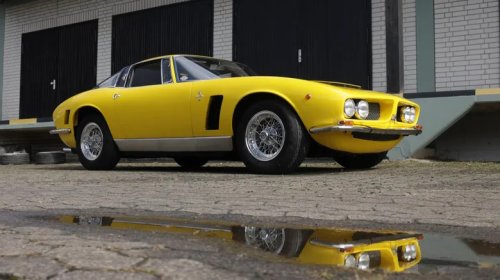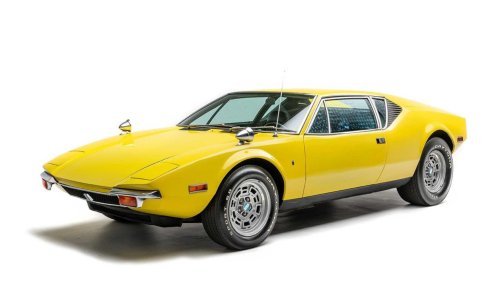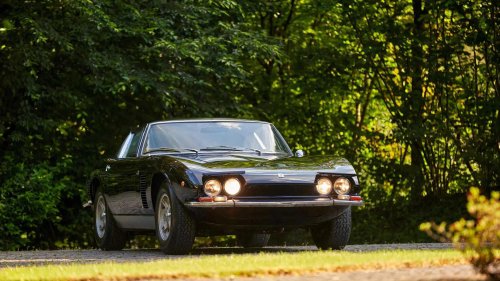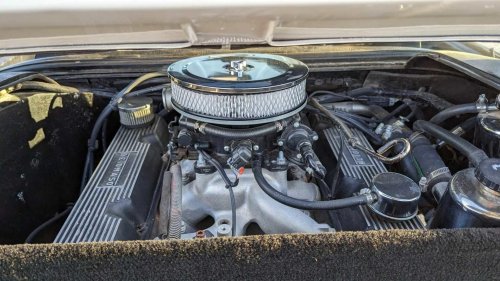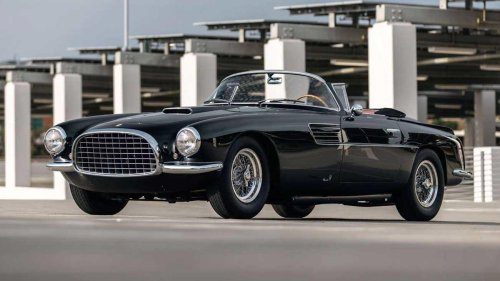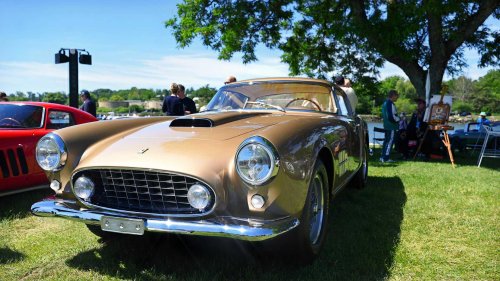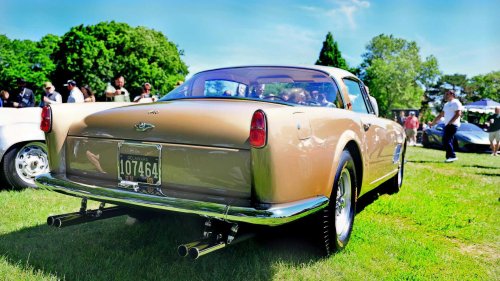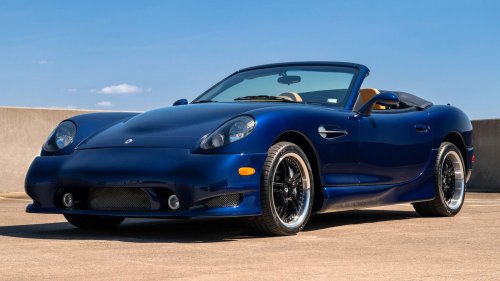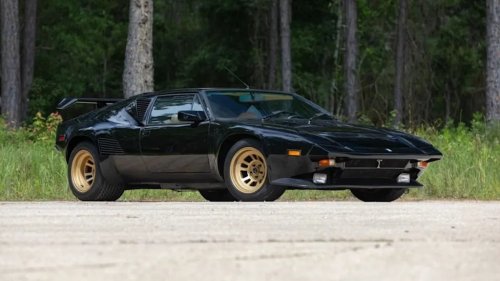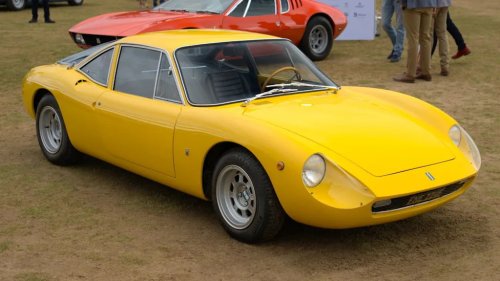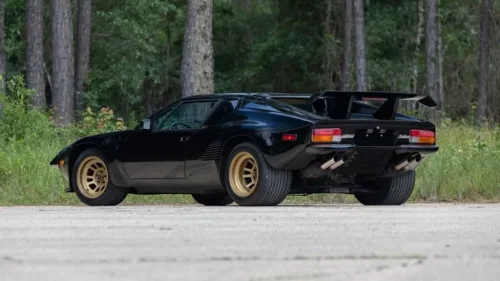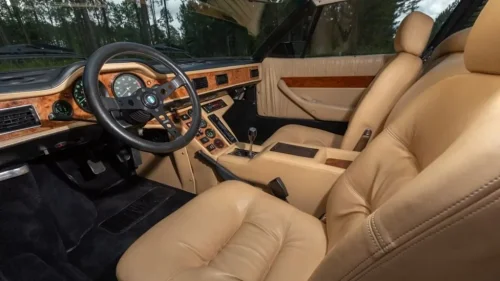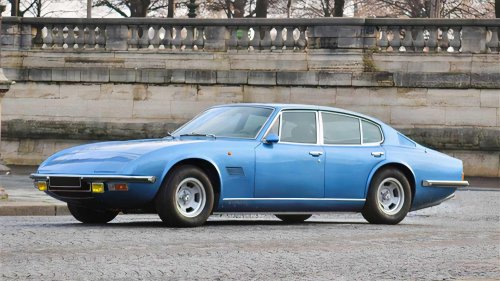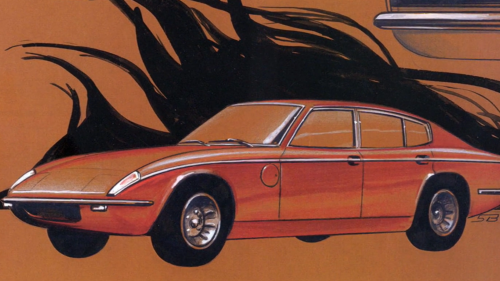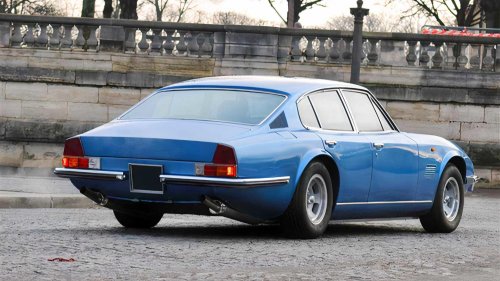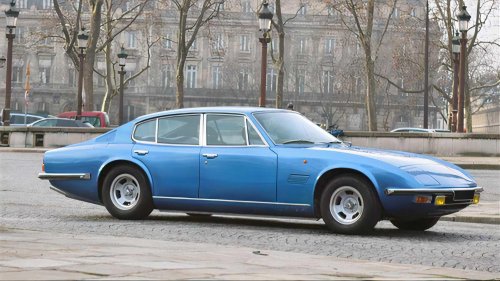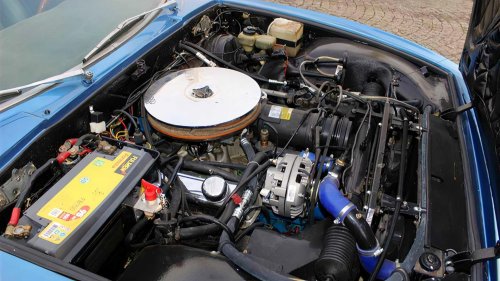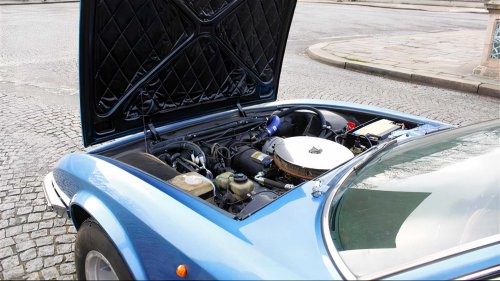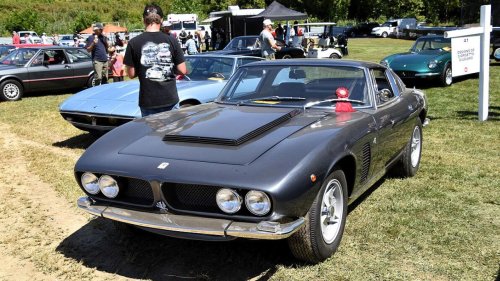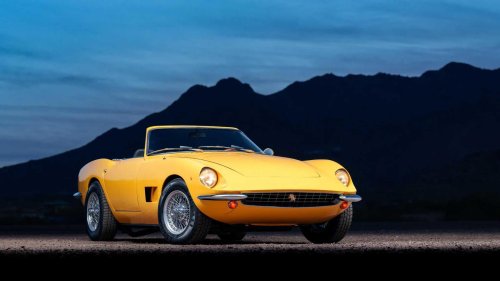
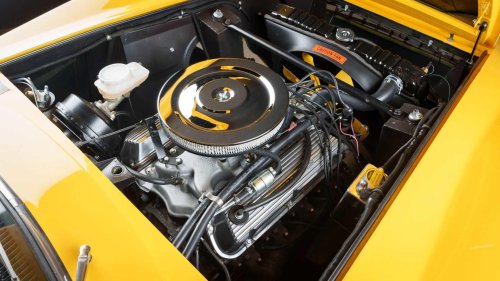
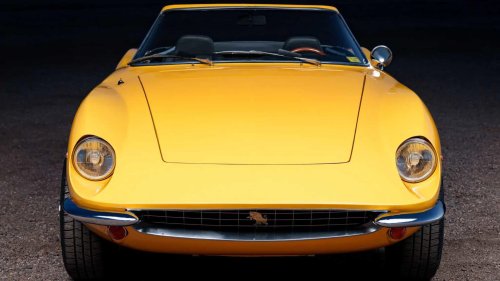
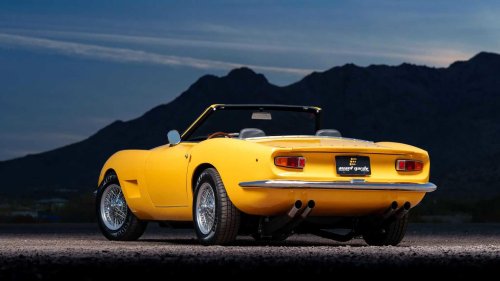
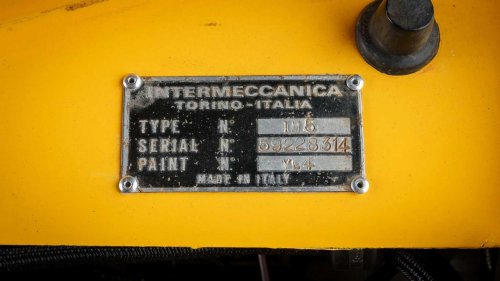



















Jump LinksFrom an automotive point of view, nothing is more Italian than a Ferrari. The famous prancing horse outfit carries its identity proudly, and in the same way that the Mustang drapes those Stars and Stripes across its shoulders. But over the years, there have been other Italian companies that may appear to be as patriotic as Ferrari or Lamborghini but end up being a little nomadic. This is the story of the Intermeccanica brand and its Italia sports car, which looked like one thing, sounded like another, but ended up with a passport that didn’t quite make sense. The Italia and its Maranello-like Design Bring a TrailerIn the late 1960s, Intermeccanica set out to become a rival for Ferrari and Maserati and, with the Italia, the company produced a beauty. At first glance, you could easily mistake it for a Ferrari 275 GTB or 330 GTC and its proportions were quintessentially Italian GT. It had those flowing fenders, a long nose, a low and aggressive stance, and a fastback tail, and from the front especially, you could swear that it was a Pininfarina creation, with that oval grille and sculpted hood appearance. Meanwhile, from the three-quarter angle at the rear, the Italia could even have been a cousin to Maserati’s Ghibli, so there was plenty to love.The vehicle's designer is probably one of Italy’s unsung design greats. Franco Scaglione was also responsible for Alfa Romeo’s BAT concept cars and sketched the drawings for the Porsche Abarth Carrera GTL. He certainly knew how to create something dramatic and elegant, and many critics believe that his Italia was one of his best ever road car designs.The Italia car, in coupe form, was muscular and purposeful, but as a convertible, it was really special. Emerging during the golden era of Italian GTs, it definitely didn’t look out of place. If you judged it on style alone, it was certainly a rival for your Maseratis, Ferraris, or Lamborghinis, but still, that design is only part of this fascinating story. As it turned out, there wasn't much in the way of Italian engineering under the hood. Detroit Muscle For This Italian Beauty Bring a Trailer When you popped the Italia’s hood, you’d be disappointed if you were expecting a pure Italian power plant. Instead of a quad-cam inline-six or a hand-crafted V12, you’d find a Ford small block V8. This was a 4.7-liter Windsor engine in the early cars and the same power plant that Ford used in the Mustang GT and Shelby Cobra. Eventually, the Italia used the 302 and 351 Windsor engines and with the latter in place, you’d get north of 300 hp.Engine origins aside, the Italia certainly packed plenty of real muscle. After all, you could get to 60 mph in about six seconds and reach a top speed of more than 150 mph, which put it right in Ferrari territory. And unlike some Ferrari engines from that era, this Ford V8 was reliable as well. It didn’t require constant fettling like some of those finicky prancing horses, but instead, it was simple, robust, and very familiar to any competent mechanic. So, you wouldn’t have to ship your parts from Modena if your Italia broke down in Alabama, but you could simply grab what you needed from your nearest Ford shelf.Even the chassis turned out to be an intriguing blend of American and Italian thinking. The car sat on a tubular steel frame with independent front suspension, double wishbones and coil springs, while at the rear, there was a live axle with coil springs. Disc brakes sat on every corner, which was certainly an exotic touch in the late 1960s, and the Italia had a rack and pinion steering system, intended to provide sharper responses than most American GTs.On the road, the Italia felt fast and was a comfortable cruiser, but it generated a mixture of driving impressions. It didn’t quite behave as predictably or as dramatically as a Ferrari and seemed more stable than it was sharp. Yet for American buyers who otherwise had to deal with Mustangs and Corvettes from that era, it was certainly exotic enough to impress. The Intermeccanica Story Takes An Interesting Turn Bring a Trailer Intermeccanica started out by building its cars in Turin, but sales-wise, it mainly focused on the US market. It had some powerful deals in place with US distributors, so the Italia became a genuine alternative to many European exotics. However, Intermeccanica did struggle during the late 60s and started to face significant headwinds related to US safety and emissions regulations. And between 1967 and 1972, it only made around 400 Italias, mostly convertibles and some coupes, so those figures made the car rarer than a Ferrari Daytona but without the same badge prestige to carry additional sales.As exchange rates fluctuated and import complications increased, Intermeccanica eventually made an unusual decision. It would turn its back on its Italian roots and move the entire production operation to Vancouver, BC. But in doing so, the company would also shift its focus dramatically and start to build high quality knockoffs, rather than creating original exotics. So now, you could buy would-be Volkswagen Kubelwagons, Porsche 356 Speedsters and other exotic one-offs through that program, which helped to keep the Intermeccanica brand alive.The company even dabbled in electrification to try and produce battery-powered replicas of some famous vehicles long before Tesla ever became a thing. And today, Intermeccanica still runs an operation in Vancouver under the direction of its founder’s son. It’s still turning out Speedster replicas and looking closely into EV technology, but it all seems a long way away from its Italian roots. The Italia Never Became A Household Name Bring a Trailer Even though the Italia was unquestionably good-looking and went quite well, it never broke into the mainstream, and this may have been down to several reasons. Firstly, its timing was poor, as those late 60s and early 70s were very hard for niche sports carmakers. Small companies really couldn’t afford the stringent crash testing that US regulators insisted on and emissions rules would strangle performance as well. The 1973 oil crisis certainly didn’t help to build demand for thirsty GTs either.Next, Intermeccanica had some stiff competition. For example, De Tomaso sold its Pantera with a certain amount of Ford backing and through Lincoln Mercury dealers. Iso was also in the marketplace with its Rivolta and Grifo, and these were stylish vehicles fitted with Chevrolet V8s. Both of those organizations seemed to have stronger financial support at the time and arguably built a more established network. And of course, Ferrari, Lamborghini, and Maserati had a level of prestige that money couldn’t buy and an all-important household name recognition.Perhaps one of the biggest issues for Intermeccanica centered around inconsistent build quality. And its prices really weren’t cheap enough to undercut Ferrari nor to really position it alongside those headline organizations. In the end, this Italian company and its beautiful Italia became stuck somewhere in the middle. The Italia and its Cult Legacy Today Bring a Trailer Collectors love the Italia for its blend of Italian design and American reliability. Prices reflect this and good-quality examples of the Italia convertible can now creep towards $200,000 at auction. Coupes are a little cheaper but are still more attainable than a comparable Maserati or Ferrari. It’s certainly one of the more fascinating curiosities from the golden age of GT cars, even though it may have lost some of its pure Italian origins along the way. And in the end, it was an outsider — too American for Italy, too Italian for America, and too obscure to last.