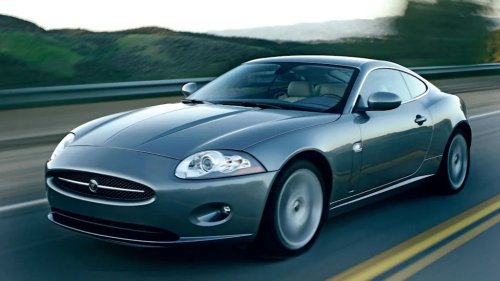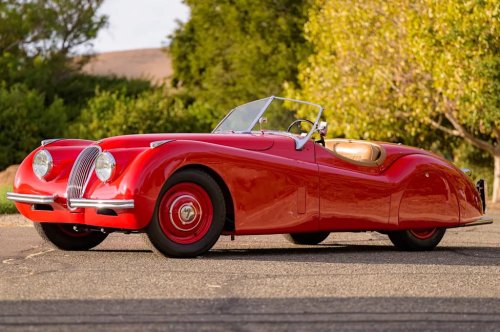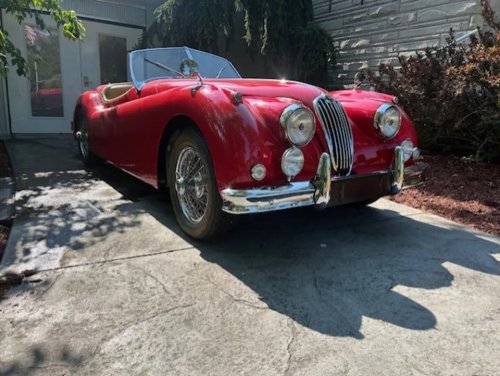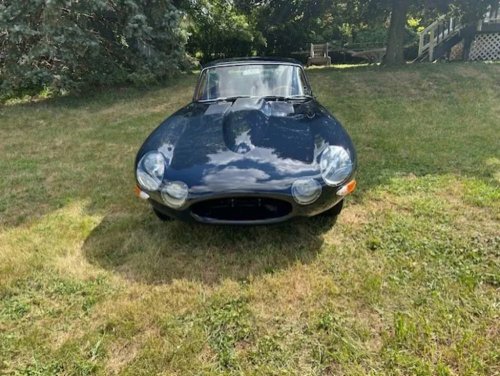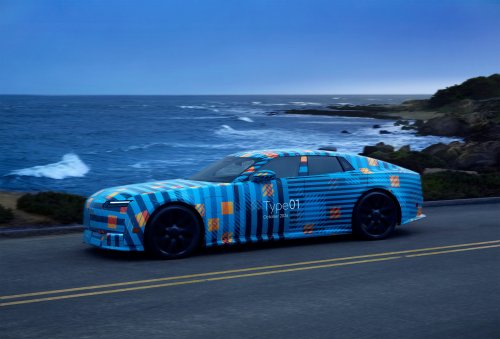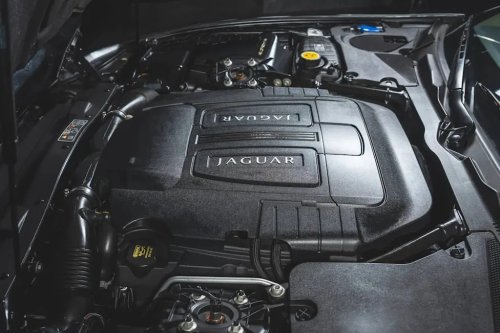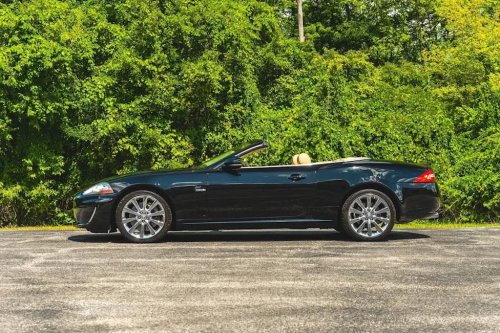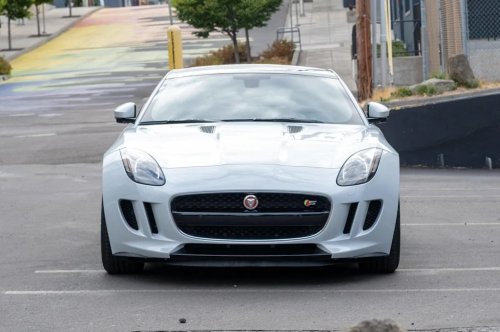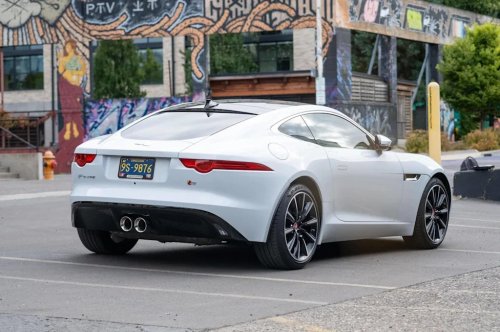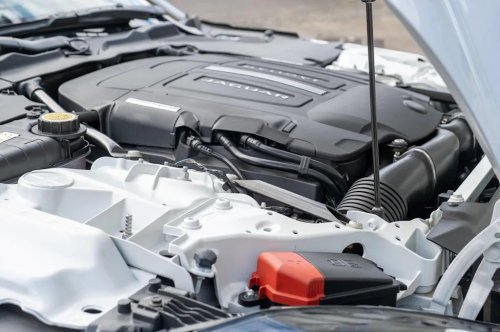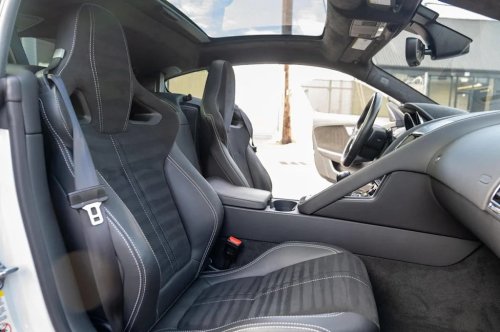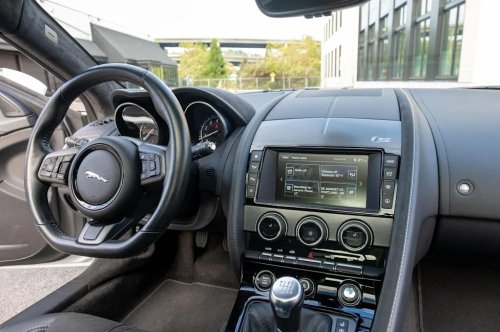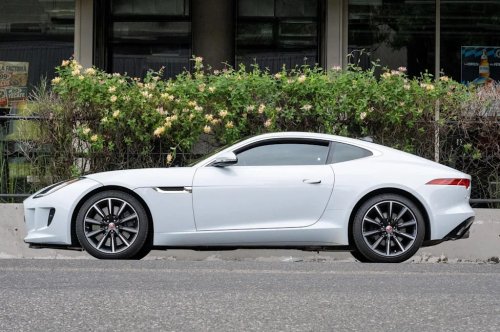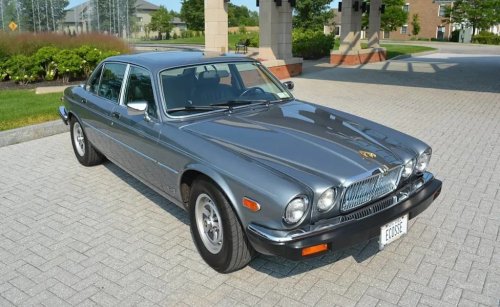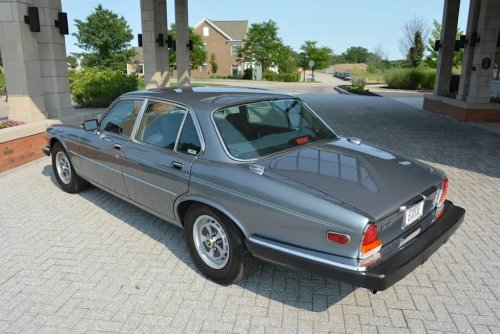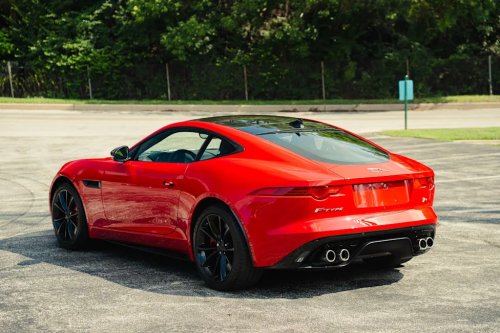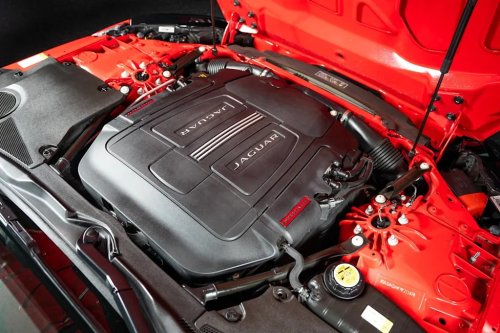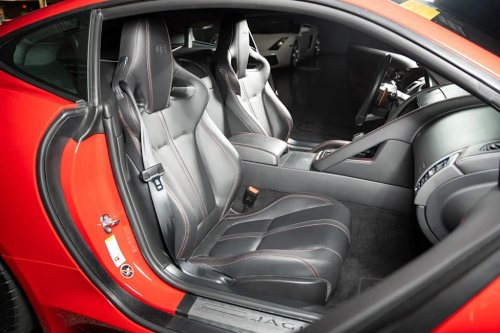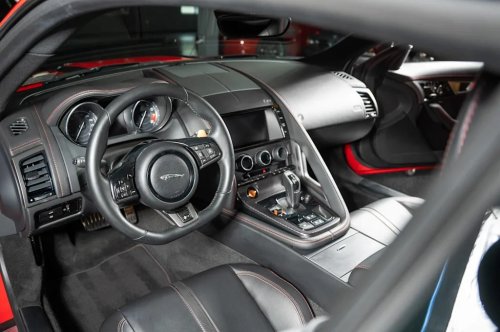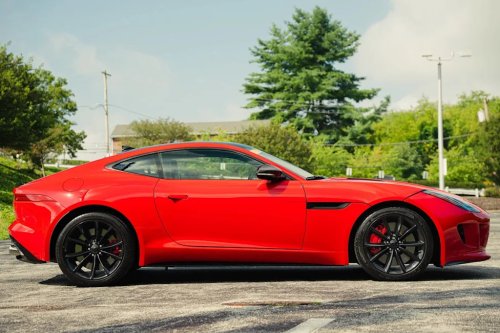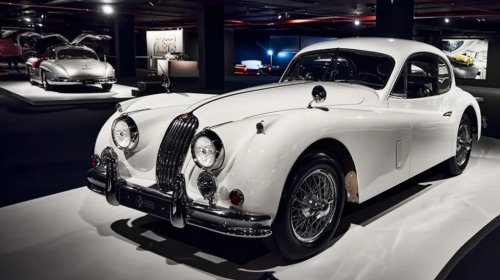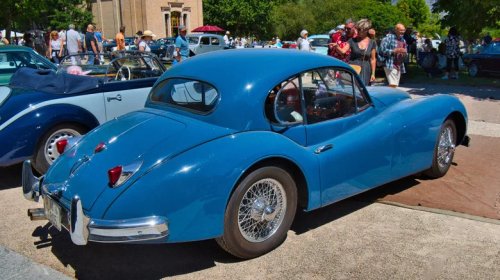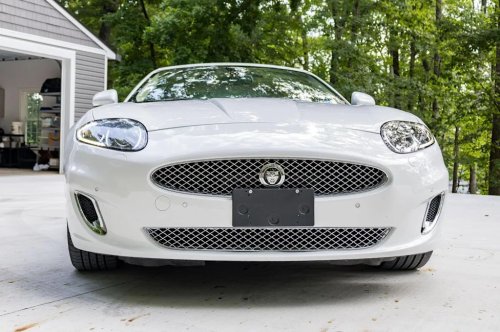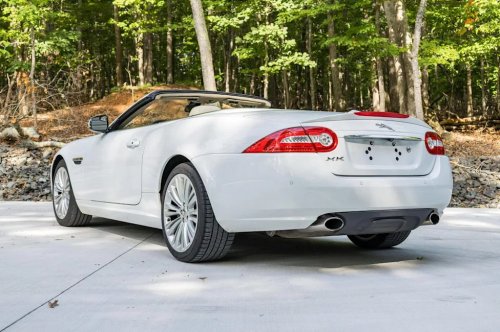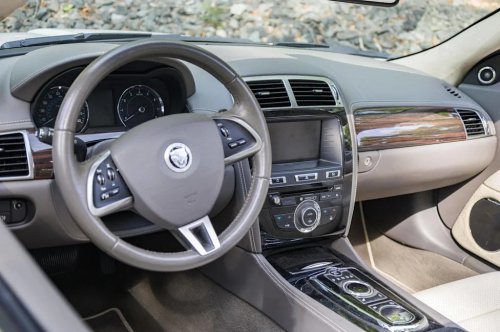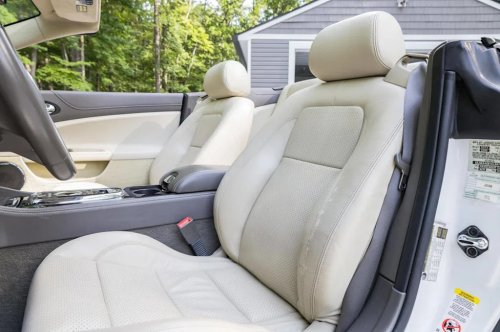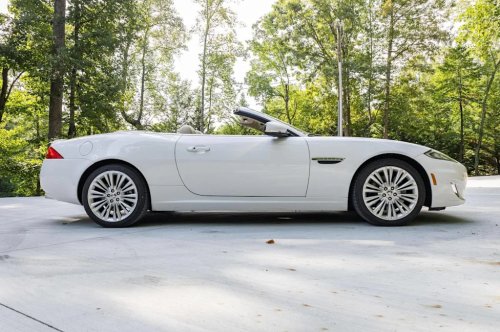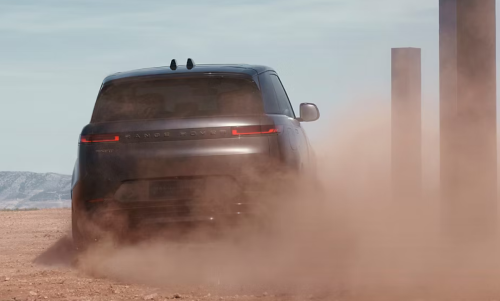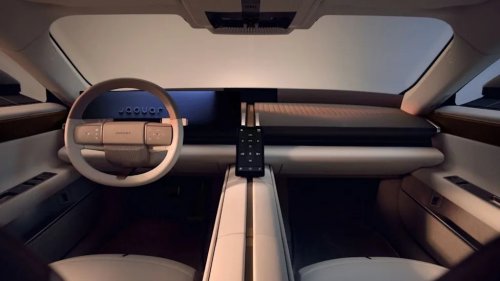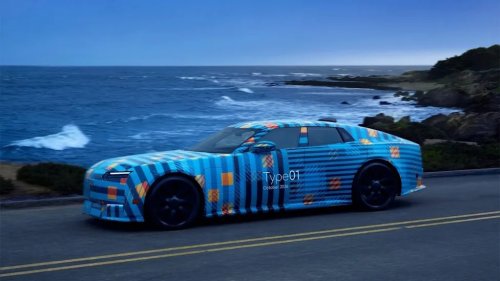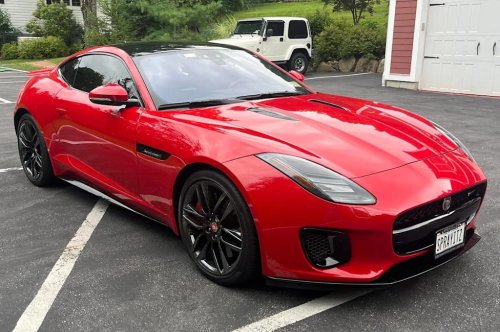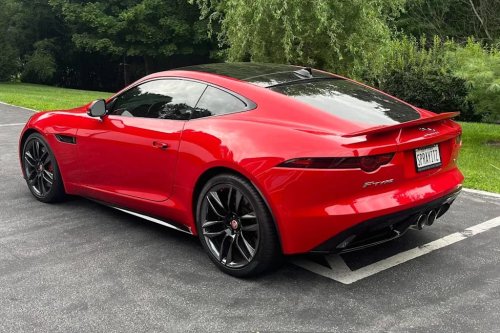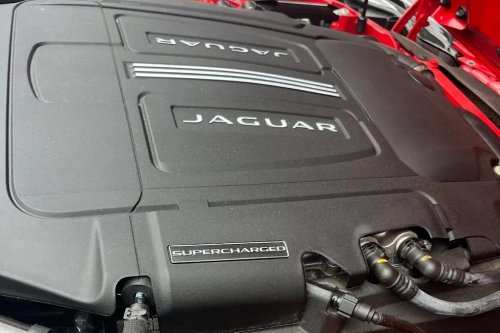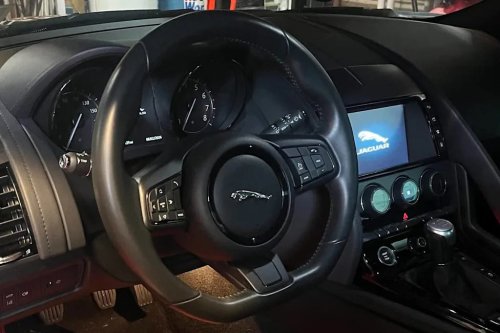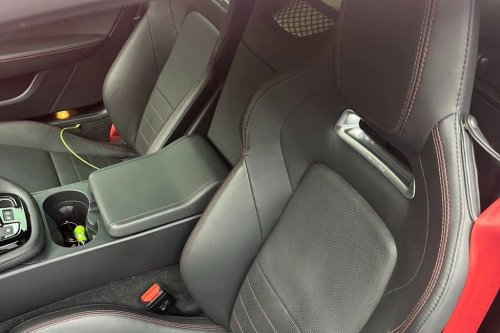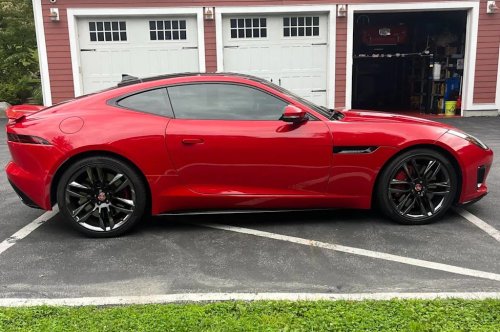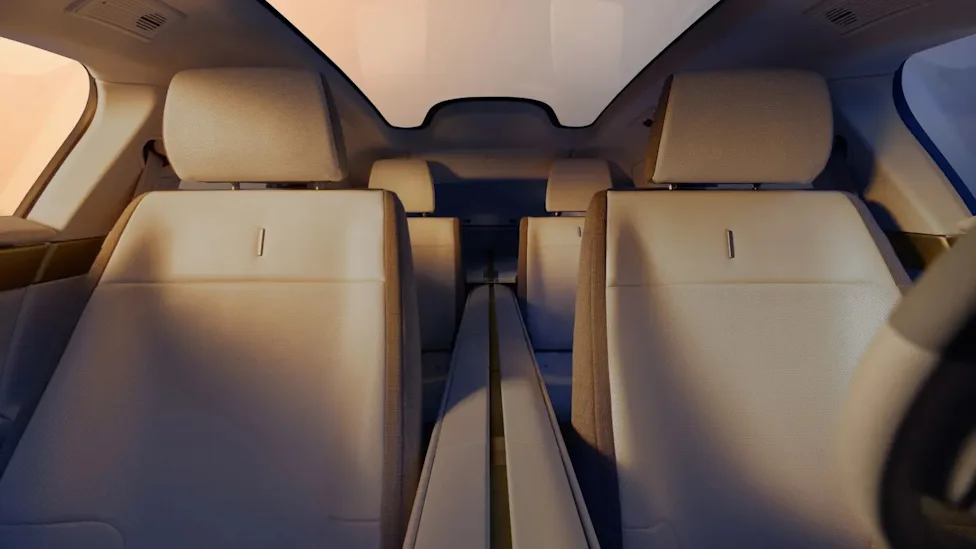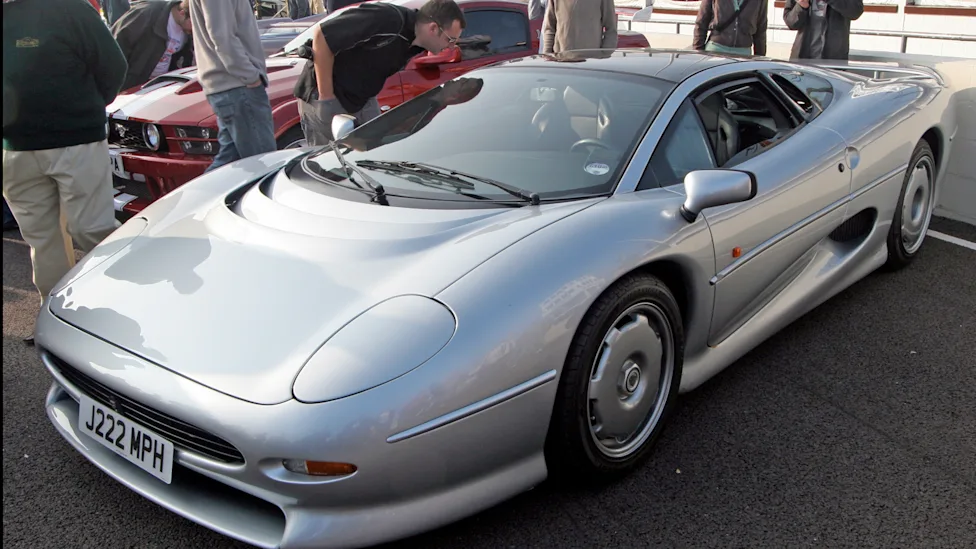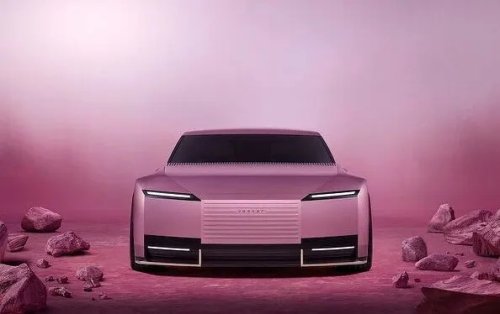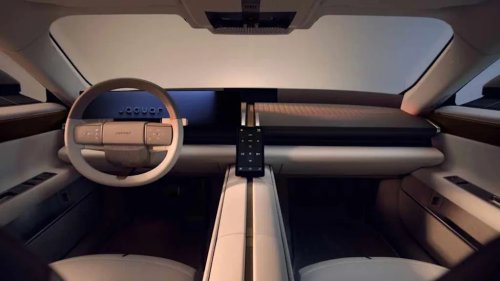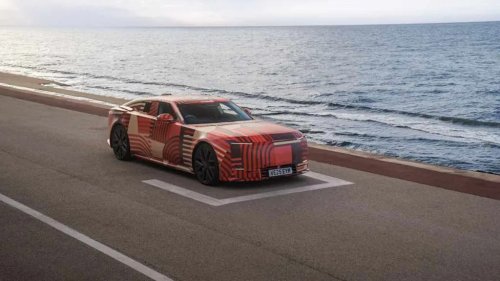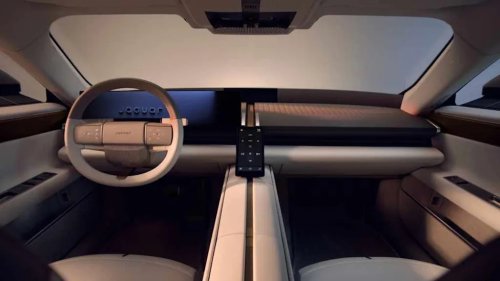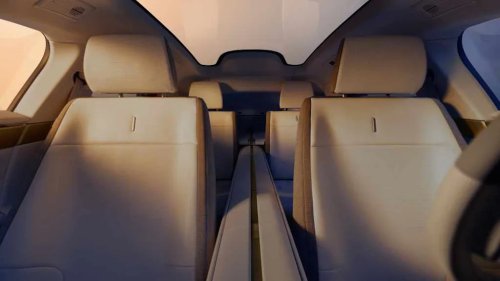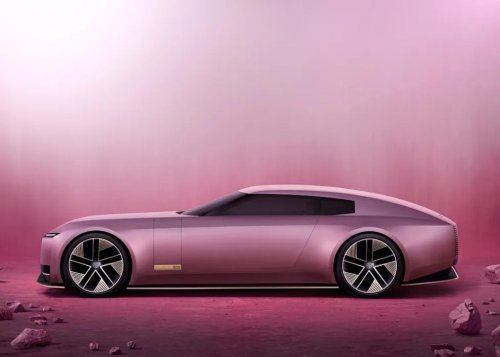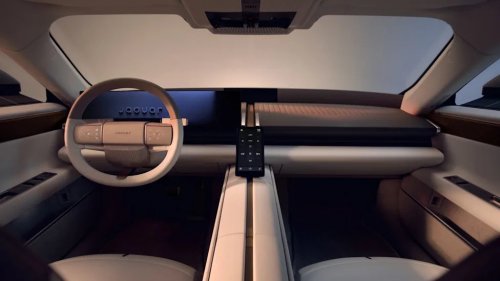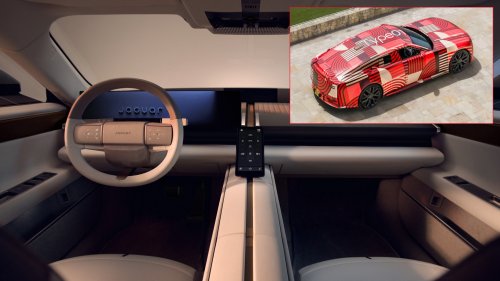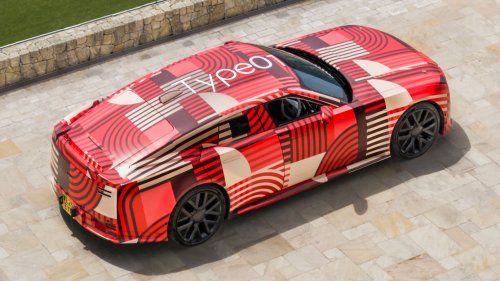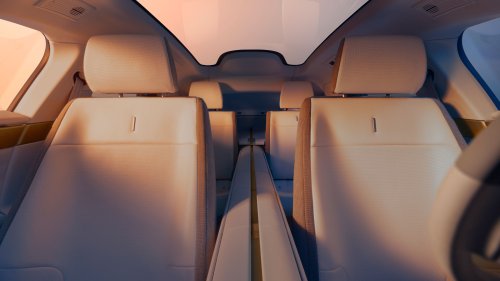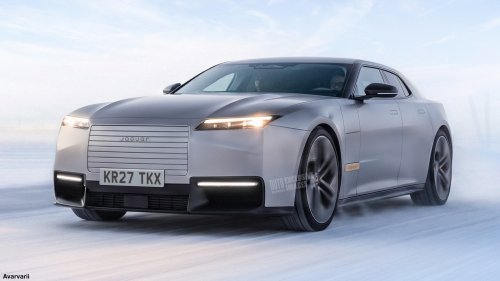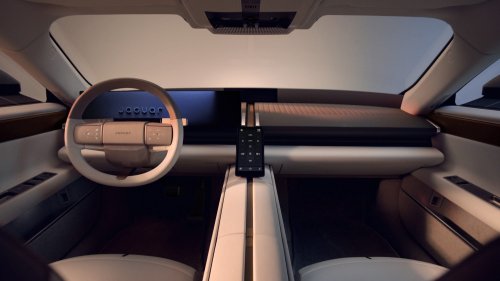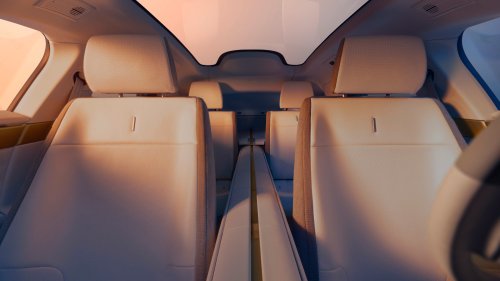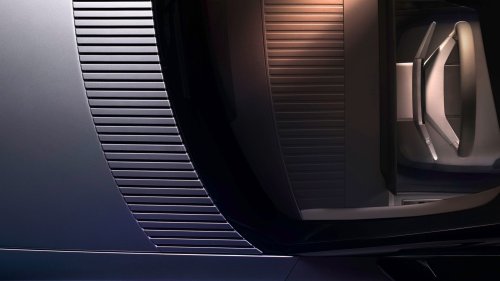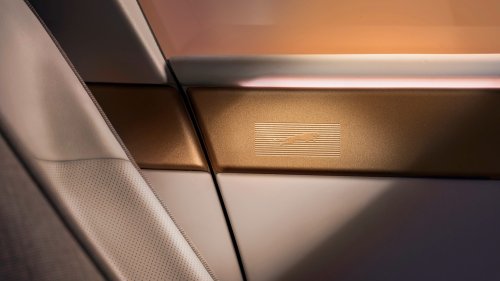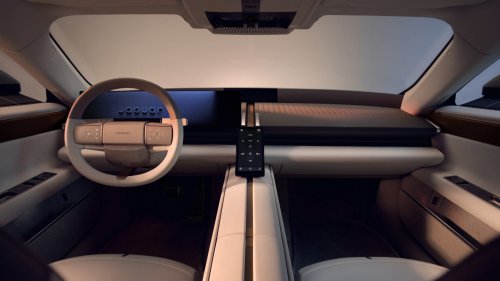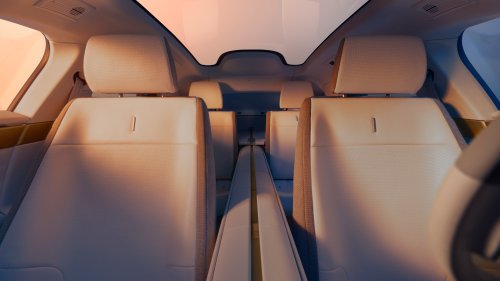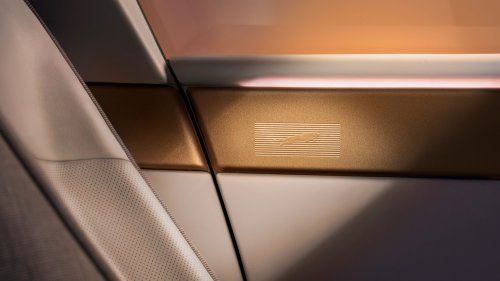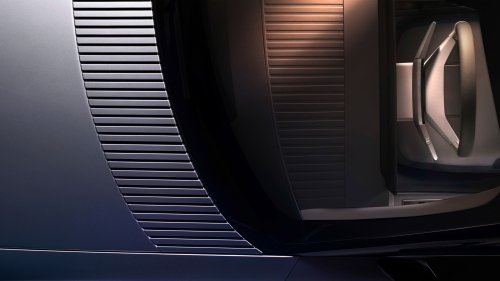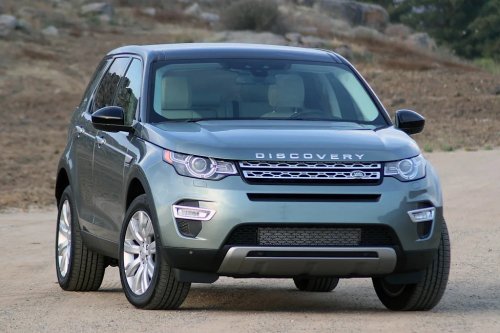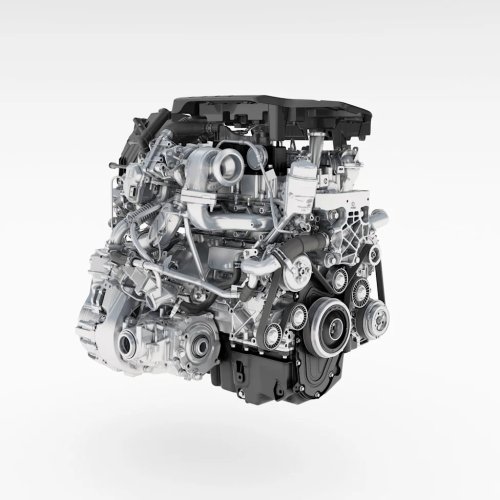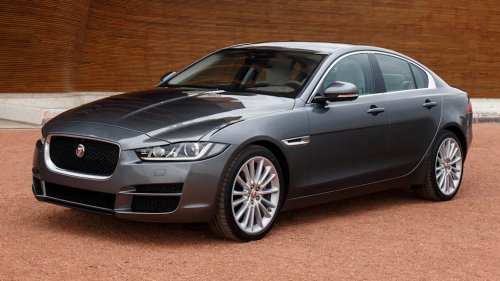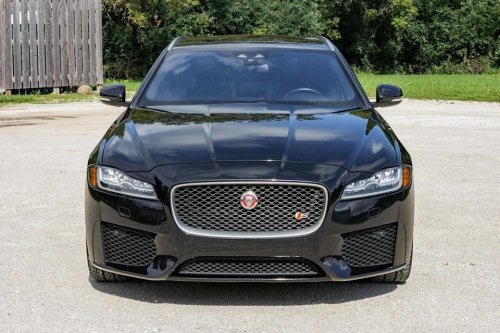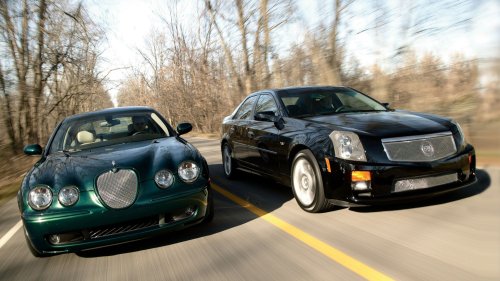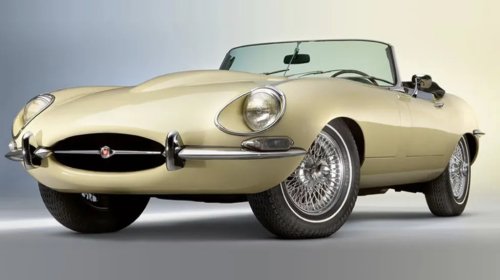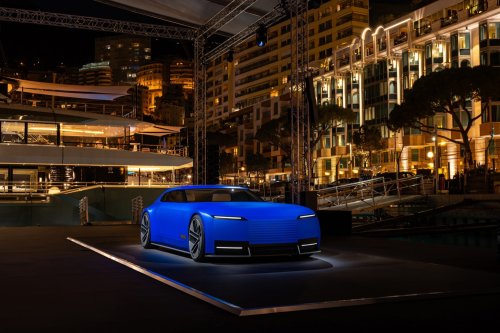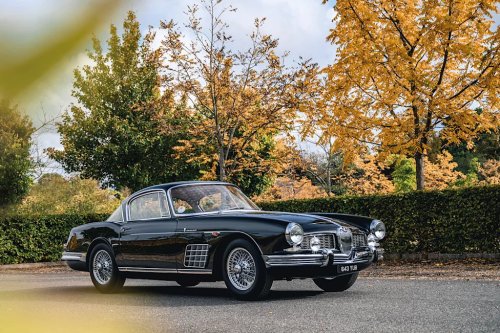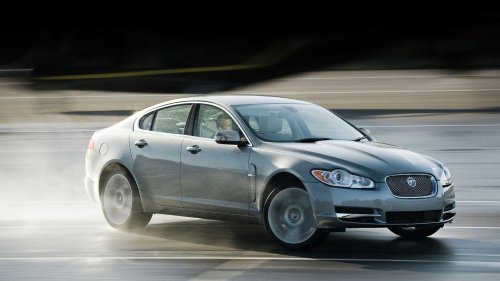
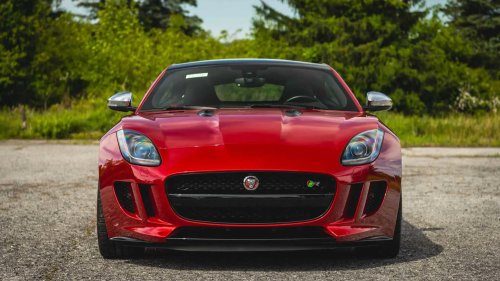
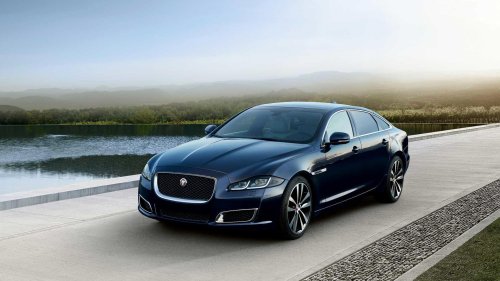
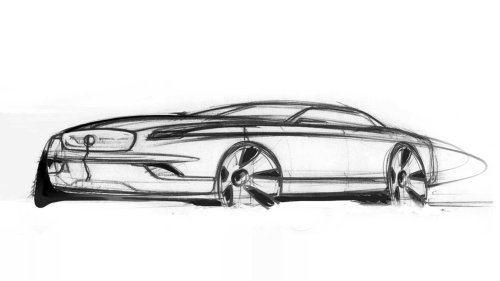
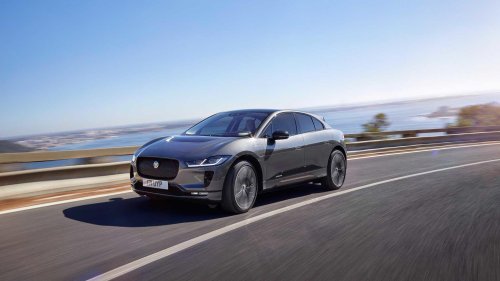

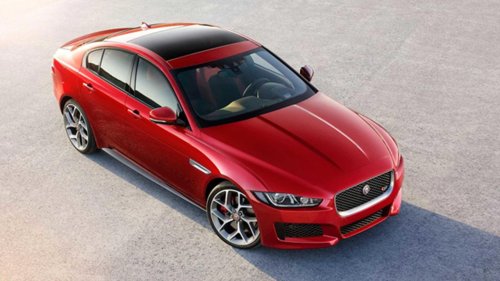


















Brands reinvent themselves all the time without us taking notice. Netflix went from a mail service to a streaming platform almost overnight, just as Amazon moved from an online book retailer to a global marketplace and cloud computing service provider. When it comes to car companies, a massive pivot never flies under the radar. If BMW suddenly started building kitchen appliances, we’d have some things to say.Jaguar got lots of attention after its 2024 rebranding, with its foot fully on the accelerator as the brand entered a new world of high-end luxury vehicles. More colorful than a wall of paint swatches and about as subtle as a tornado in a trailer park. Better yet, the advertisement lacked a car to herald the brand’s future vision, leaving fans and the media slightly confused about whether Jaguar was pivoting from cars to cosmetics.The rebranding of Jaguar to an EV-only company in one fell swoop set aside over 90 years of iconic designs and engineering accomplishments in hopes of keeping it relevant for another 90 years. Before we learn more about what’s next, we ought to pay our respects to what’s being left behind. Jaguar's New Design, Engineering, and Product Planning JaguarIt wasn’t until recently that Jaguar finally moved on from its old design language and really cleaned house with its new models. In 2007, the XF was born, offering BMW 5 Series levels of space and sportiness but with way more comfort. This was a grand departure from the quad headlights and blobby shape from the S-Type it replaced. Finally looking like they belonged in this century, Jaguar was being whipped into shape.The XJ followed in 2010 with its brand-new shell, sporting none of the aging stylistic cues that classic XJs bore. As the brand’s executive missile, it had an aluminum unibody construction that made it fabulously light and nimble, resulting in better handling than the rest of the class. When the F-Pace debuted in 2015, shortly after the 3 Series-sized XE hit dealerships, both were well-sorted and light on their feet after following the XJ’s aluminum diet, putting Jaguar in great standing to tackle the competition better than ever before with new models.Bring a TrailerWhile the volume sellers were getting new blood, Jaguar gave the XK a little sister in 2013 with the F-Type. The small sports coupe drew even more attention to the brand with its E-Type-like naming and muscular shape, helping restore Jaguar to the forefront of buyers’ minds when looking for a luxurious coupe.In just ten years, Jaguar launched a new mid-size luxury sedan, overhauled its longest-running nameplate, brought to market a new two-seat sports car and its first crossover SUV, and announced plans to build an electric vehicle. Things were looking good for the brand, but it wouldn’t be this way for long. A Sales Slump Caused Mass Panic JaguarThe Jaguar we know and love is dead. In its place is a new Jaguar committed to building high-end electric vehicles, not the luxury brand competing against cars from German brands. Leading to this cat’s leap upmarket was a sales peak at the end of the 2010s, which quickly fell between 2020 and 2024. In the US, sales went from a healthy 31,005 cars in 2019 to 21,786 in 2020. Jaguar would need to start rethinking its future if it wanted to stay in the race, but to no avail. Sales would continue to fall, and in 2025, Jaguar sold a total of 6,670 cars.With a large shift towards crossovers, smaller Land Rover offerings were cannibalizing sales of the F-Pace and E-Pace due to more available features and a better understanding of the brand’s future. To fix this, Jaguar’s revelation led to a complete rebranding of Jaguar, pushing its cars upmarket and offering only electric models despite its first and only EV to date being the slow-selling I-Pace. At one point, sales of the I-Pace were so sluggish that it was selling as many in one year as it took Tesla to sell the Model Y in one month. What did Jaguar think was the best move? Scrap the lineup and start over. Replacements for Current Models were in the Cards BertoneIan Callum joined Jaguar in 1999 and is responsible for the last batch of designs currently on offer by Jaguar. He left the brand in 2019 after the decision was made to scrap the next-generation models in favor of the Type 00. Both Callum and another design alum, Julian Thomson, worked on replacements for the XE, XF, XJ, F-Pace, and F-Type before being notified of the brand’s new direction, information he revealed on the Road to Success podcast.[We] created quite a lot of new Jaguars before I left, and they were all taken away.– Ian Callum, Former Director of Design, JaguarThe XF had cut back its engine options to just two flavors of its 2.0-liter turbocharged four-cylinder before production ended, and the F-Pace continued to offer all three of its engines until the line was shut down in 2025. The F-Type dropped all but the V8 for its final year, with the limited edition R 75 getting a 575-horsepower version of its supercharged V8.Jaguar USAThe I-Pace blended the worlds of a lifted hatchback and a small crossover, a space perfect for a luxury electric vehicle. If it weren’t for a batch of cars recalled for battery issues, Jaguar wouldn’t have needed to buy back as many and could’ve stayed in better standing with consumers, likely delaying the brand’s identity crisis. It’s unknown if an I-Pace successor was planned before the rebranding scrapped future endeavors. The Final Days of the Old Jaguar Wayne Scott, Editor – Jaguar Enthusiast Magazine JLR’s Voluntary Layoff Not only would Jag be leaving behind its old identity, but it would also be leaving behind people, too. The company estimated it would shed 500 management positions in the United Kingdom through a voluntary termination scheme to combat tariffs imposed by the Trump Administration in 2025. This came after Jaguar suffered major hits following the production cease of old models and announced the brand’s new path towards the ultra-luxury segment, with US sales plummeting 42%. Last Models Sold The most recently refreshed models were the XF, F-Pace, and F-Type, for 2020 and 2021. The XJ was discontinued globally after 2019, and the XE left the US after 2020. The I-Pace and E-Pace never received a refresh or second generation since their births in 2018 and 2019. All but the F-Pace stopped production in late 2024, with the last F-Paces rolling off the line in late 2025. Leaving Behind an Understated Legacy of Engineering JaguarEngineering-forward brands usually have the deepest pockets to play with new toys and develop new technology for cars that are priced to pay for it. Luxury cars have the highest profit margins of any other segment, affording companies to spend some extra dough on luxury features that don’t cost all that much at a large enough scale. Whereas BMW and Mercedes moved on to employ hybrid technology and their cars became more synthetic than natural in flavor, Jaguar stayed the course with a lightweight philosophy that didn’t always require the techno-wizardry others needed to make their cars feel good.What set Jaguar apart from all else was its self-assurance. Its cars know their worth and don’t care if they go underappreciated. They still performed well for the price and did everything else the other players could. The XE and XF were more agile than the Audis and BMWs of their time, and the F-Pace felt less like a crossover and more like a hatchback when hustled.You can’t sell cars to people who aren’t buying them, and that’s the downfall of Jaguar in a nutshell. Jaguar people come back to the brand because of its history, knowing the hoopla around reliability is a hoax, and are prepared to spend the same amount of money repairing their cars as they would an Audi or Mercedes-Benz. This wasn’t enough for Jaguar, however, and the only way to save itself was to increase those profit margins by serving a higher tax bracket, officially ending its pursuit of fine engineering to chase after money.Source: Jaguar