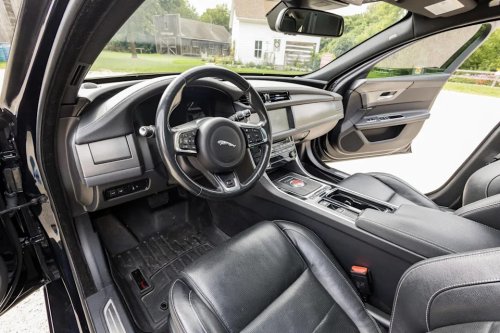
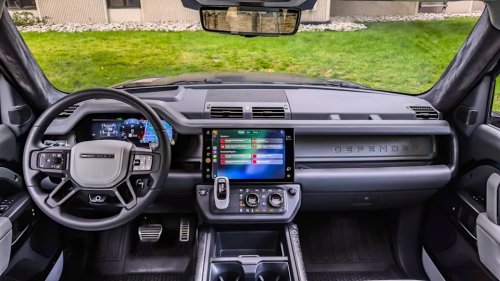
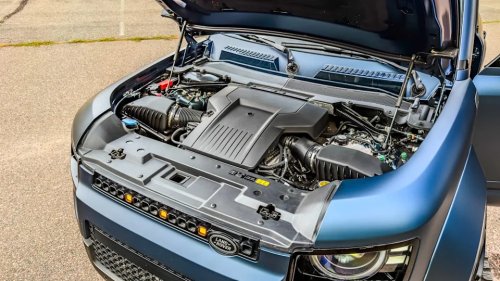
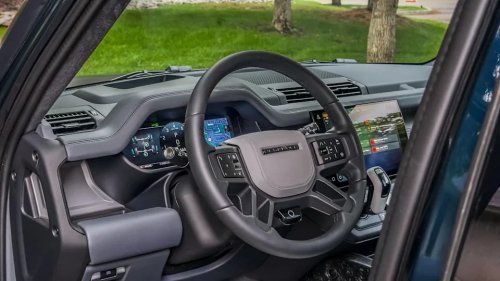
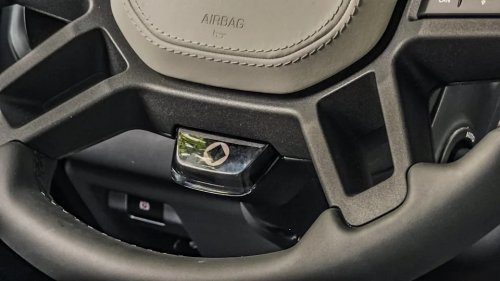
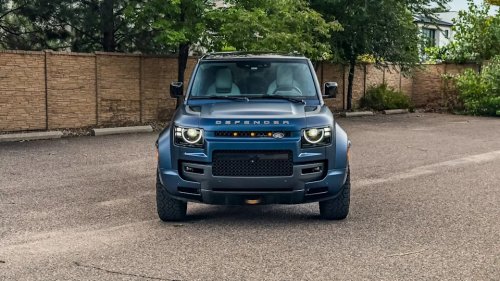
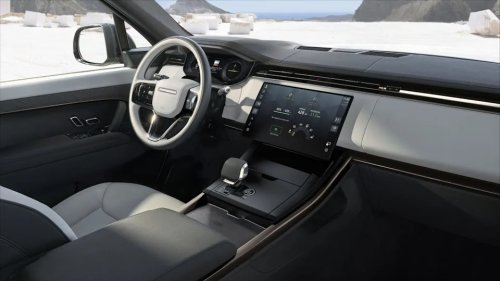
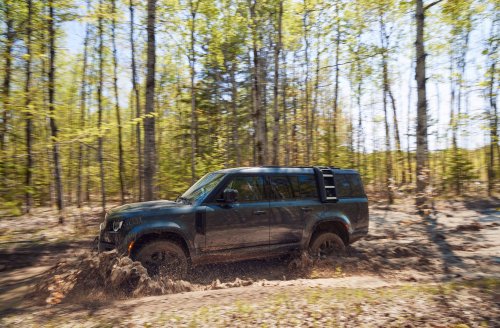
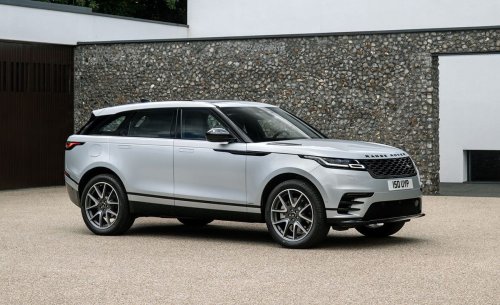
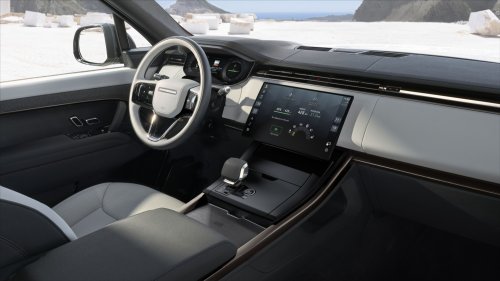
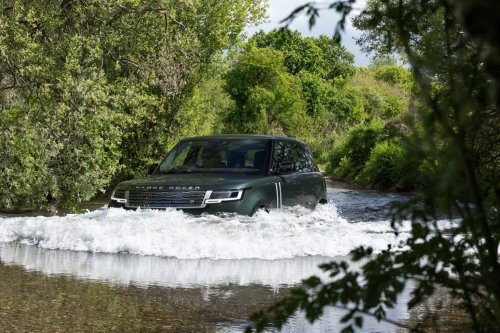
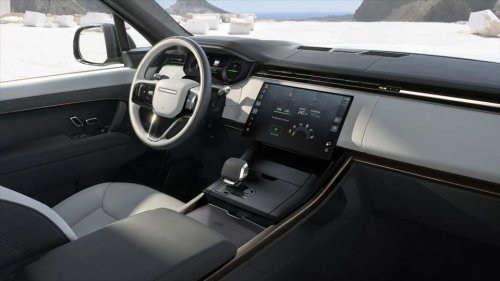
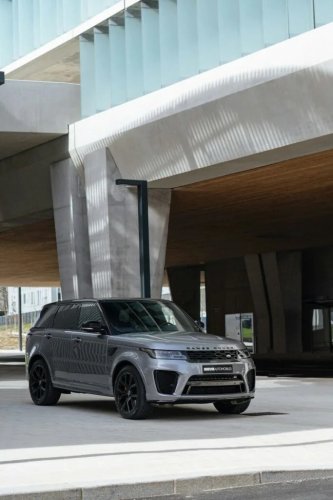
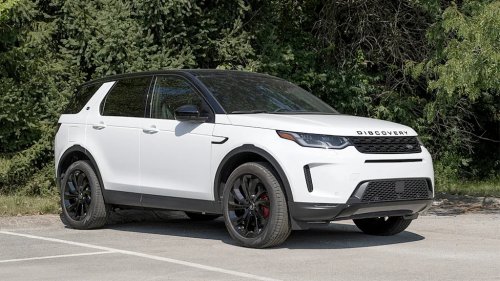
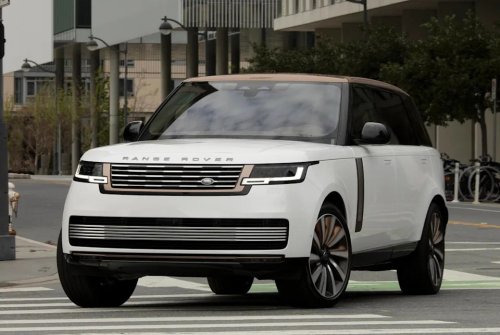
Image Credit: KCRA 3.A Sacramento-area family is taking Jaguar Land Rover to court after a 2020 Land Rover Discovery rolled backward and killed the woman who had just stepped out of it. The victim, Sue Rooney, was 70 years old, a grandmother of six, and had spent the afternoon babysitting before the incident claimed her life on May 15, just days after her birthday. Her daughters describe her as the gravitational center of the family."She was the glue," one said. It is the kind of loss that does not announce itself with warning signs, which is precisely what makes this case worth paying attention to.According to her daughter Kathleen, the sequence of events was brief and brutal. Rooney had started her vehicle and then stepped back out to relay something to her son-in-law. The car began rolling in reverse. The door struck her, she fell, and the vehicle rolled over her in what Kathleen described as a flat driveway. No slope, no unusual conditions, no third party involved. Just a vehicle that kept moving when its driver stepped away from it, and a design that the family's attorney argues made that outcome entirely foreseeable.AdvertisementAdvertisementThe wrongful death lawsuit filed by Rooney's family names Jaguar Land Rover as the defendant and lays out a specific theory of liability. The complaint argues that the 2020 Discovery is equipped with technology capable of preventing exactly this kind of rollaway event, but that the manufacturer chose not to activate it. The suit also takes aim at the vehicle's rotary gear selector, which attorneys say is non-intuitive enough that drivers can reasonably exit believing the transmission is in Park when it is not.That is a significant claim, and one that Land Rover's design team will have to answer for.The family's attorney, Dylan Ruga, stated plainly that the goal is accountability and that Jaguar Land Rover is aware of similar incidents involving their vehicles. The company, for its part, offered a brief statement expressing condolences and declining further comment due to pending litigation, which is standard corporate procedure and tells the public essentially nothing.The Rollaway Problem Is Not NewUnintended vehicle movement after a driver exits is a well-documented phenomenon, and it has produced a body of litigation and regulatory attention over the past two decades. The issue gained particular prominence with a cluster of incidents involving the Jeep Grand Cherokee's electronic gear selector, which contributed to at least one high-profile fatality and eventually prompted Fiat Chrysler to issue a recall affecting over a million vehicles in 2016. The Federal Trade Commission later pursued action related to how that recall was handled.AdvertisementAdvertisementThe common thread in these cases is a shift away from traditional mechanical linkage shifters toward electronic or rotary selectors that prioritize aesthetics and cabin space over tactile certainty. A physical gear lever that drops into a detent gives the driver confirmation through feel.A rotary dial that returns to its default position after every selection offers no such assurance, and if the confirmation display is not in the driver's direct line of sight, the margin for error grows considerably.What "Driver Exit Strategy" Actually MeansThe lawsuit specifically cites the absence of a driver exit strategy, which is an industry term for a suite of safety logic designed to secure a vehicle automatically when sensors detect the driver has vacated the seat while the engine is running and the transmission is not in Park. This is not experimental technology. Automakers including Volvo and Mercedes-Benz have implemented versions of it, and it can take several forms: automatically applying the parking brake, shifting the transmission to Park, or sounding an alert before movement becomes possible.That the 2020 Discovery apparently had the hardware in place to execute such logic but did not have it enabled is the crux of the family's argument. It is the difference between a vehicle with a known risk and a vehicle with a known risk and a known solution that was left on the shelf.JLR's Response and What Comes NextJaguar Land Rover's statement was brief and legally cautious, neither admitting knowledge of similar incidents nor disputing the characterization of the vehicle's features. That posture is expected but not particularly reassuring to the driving public, many of whom own similar vehicles in the Discovery and Range Rover families. Those models share platform architecture and, in some cases, the same rotary gear selector design.AdvertisementAdvertisementAttorney Ruga has stated that the vehicle should not continue on the road in its current form. Whether the lawsuit produces a recall, a design change, or a settlement that stays quiet is a question only the courts and JLR can answer at this point. What is not in question is that a 70-year-old woman stepped out of a vehicle she believed was secured and did not survive the mistake.A Feature Gap With ConsequencesFor those who track automotive safety developments, this case underscores an ongoing tension between the industry's appetite for interior refinement and the functional clarity that traditional controls provided. Rotary selectors look clean. They take up less console space. They feel modern. They also require the driver to interpret feedback rather than feel it, which introduces a category of error that was nearly impossible with a conventional shifter.Rooney's daughters have said they want no other family to go through what they are going through. That is not a legal argument, but it is a durable one. The lawsuit against Jaguar Land Rover now carries that weight.If you want more stories like this, follow Guessing Headlights on Yahoo so you don't miss what's coming next.


















 +3 others