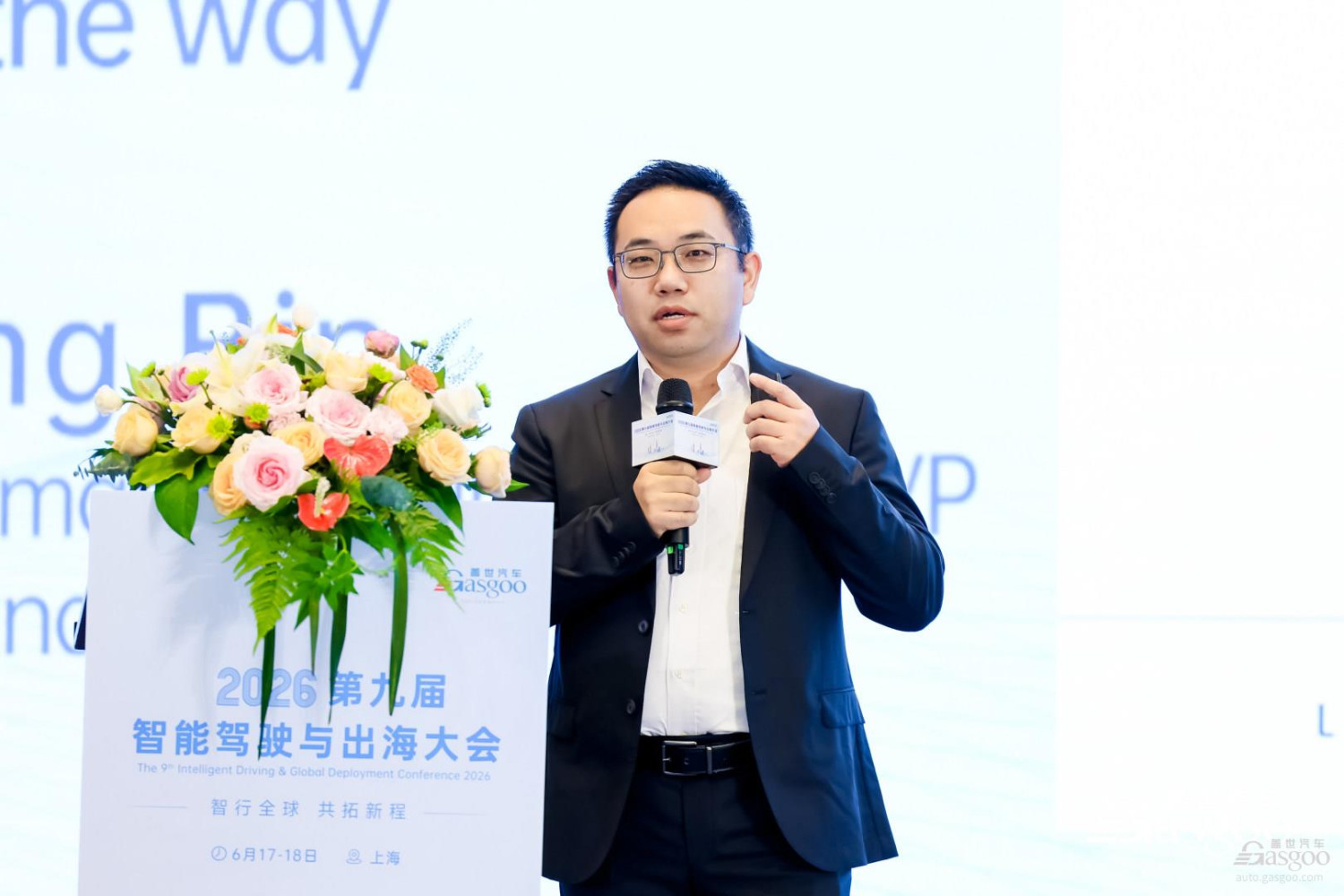



















Gasgoo Munich- The competitive logic of the ADAS industry has fundamentally shifted, Xing Bin, Assisted and Automated Driving China VP, Jaguar Land Rover China, told attendees at the 9th Intelligent Driving & Global Deployment Conference 2026 in Shanghai on June 17. The battleground, he argued, has moved from seizing the technological high ground to a contest of "efficiency" — encompassing engineering, organization, cost, and ecosystem.Xing Bin views 2025 as a tipping point for the "democratization" of intelligent driving technology. As systems mature, vehicles priced between 100,000 and 150,000 yuan — or even lower — are now widely equipped with L2.5 to L2.9 systems. In the premium market above 500,000 yuan, however, L2+ capabilities are no longer a selling point; buyers are shifting their focus to higher-level autonomous driving functions.At the same time Xing Bin highlighted the disruptive impact of chip iteration on the sector. Manufacturing processes have sprinted from double-digit nanometers to 5nm and 3nm, driving an explosion in computing power. With massive generational shifts occurring every two to three years, the industry is witnessing a revolution in software architecture and the accelerating trend toward "cockpit-driving integration."Against this backdrop, luxury brands are being forced to rethink their path to differentiation.Acknowledging the unique nature of the Chinese market, Xing Bin admitted that Jaguar Land Rover faces a complex web of challenges, including geopolitics, supply chain constraints, and industrial policy. Multinational automakers, he suggested, face a critical strategic choice: maintain a global operating model, or build an independent local decision-making team? For Jaguar Land Rover, he emphasized, all development requirements must ultimately stem from end-users. The core objective is to do the right thing at the right time, all while maintaining a tight grip on quality and testing protocols.Addressing the "speed is everything" mentality dominating China's intelligent driving market, Xing Bin outlined a distinct stance for luxury brands. Building trust in autonomous driving is a slow grind, he argued, but it can collapse in an instant. If systems falter frequently, users may permanently abandon the technology.Consequently, if forced to choose between "experience" and "speed," Jaguar Land Rover picks the former without hesitation. He reiterated that quality and the optimal user experience must run through the entire development process. By insisting on delivering only the best functions to the consumer, the brand aims to build a long-term defensive moat amidst the fierce efficiency race.