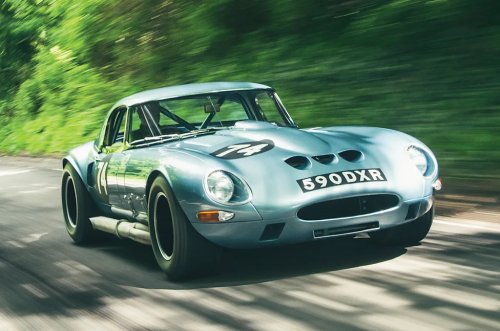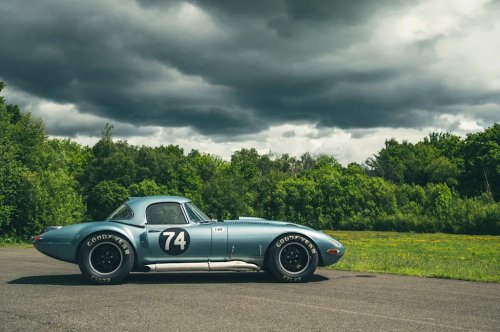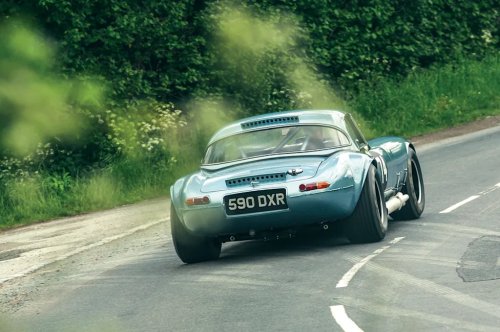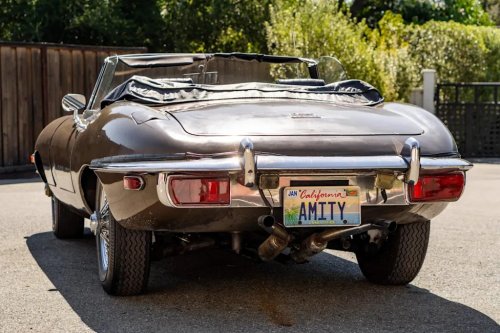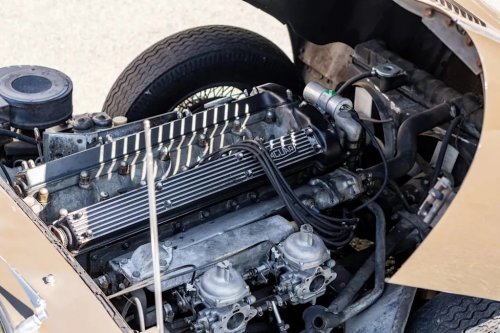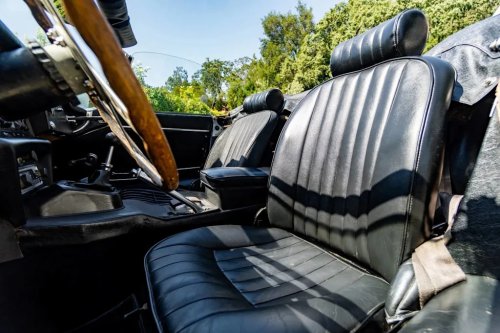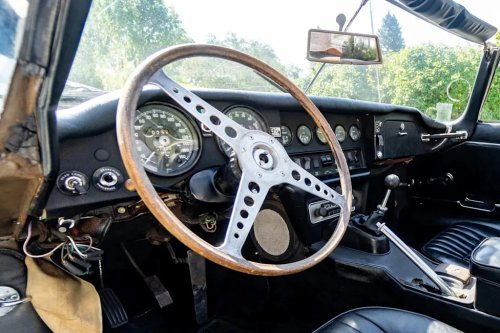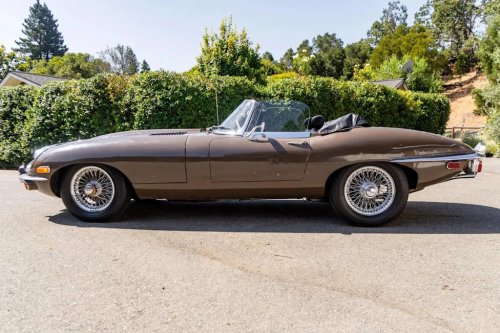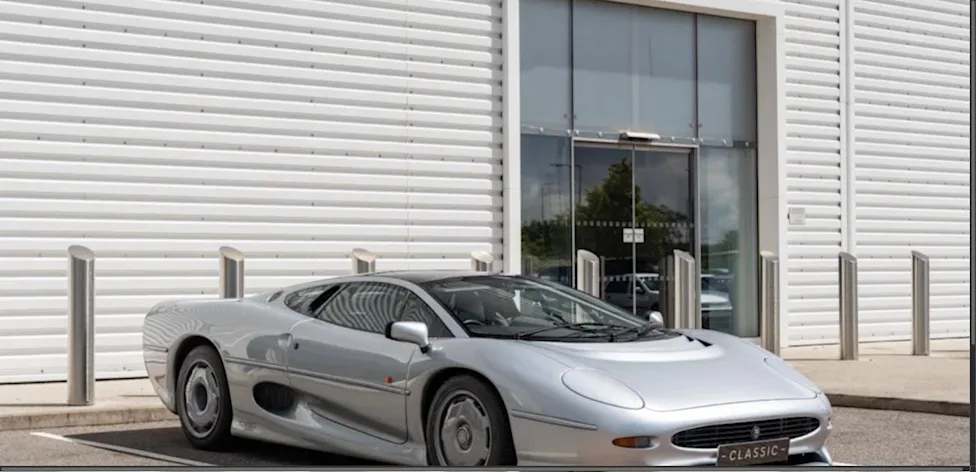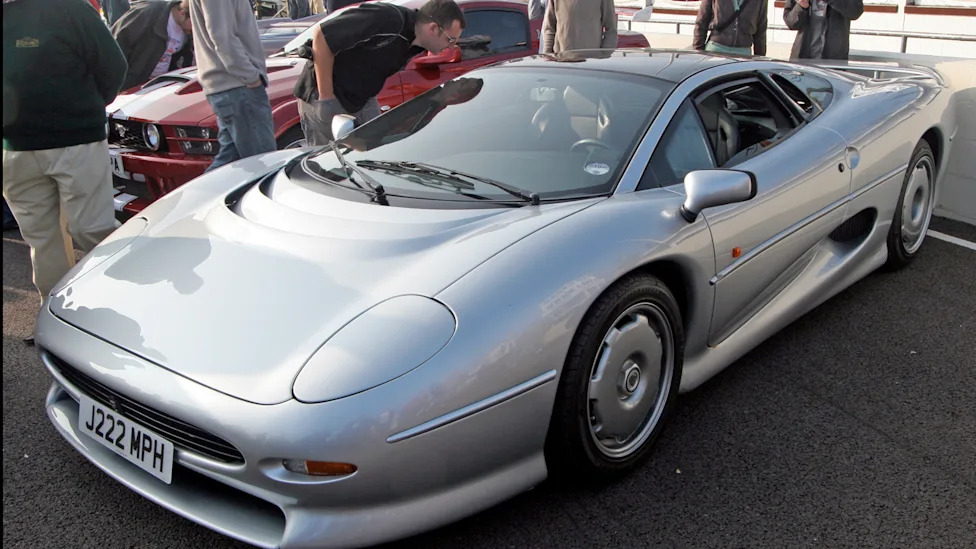

















Jaguar XJ220 Sets UK Record As Hamilton Collection Leaves Eight Cars UnsoldAnthony Hamilton's Jaguar XJ220 just reset the UK record — and the rest of his collection told a much harsher storyThe number everyone will repeat is £506,250. That's what a 1994 Jaguar XJ220 from Anthony Hamilton's collection made at Iconic Auctioneers' sale during the BRDC Classic at Silverstone on 25 July, and the auction house calls it a UK record for the model. It's a genuinely strong result. It is also, as headline numbers usually are, doing a lot of concealing.Start with what the buyer actually paid. Iconic's catalogue terms list a buyer's premium of 12.5% plus VAT on collectors' cars. Run £506,250 backwards through that and you get a hammer price of exactly £450,000 — meaning the published figure includes the premium but not the VAT charged on it. Add the missing £11,250 and the real cheque is about £517,500. Every result quoted below works the same way, so if you're using auction prints as market comparables, you're consistently reading a number that sits a fraction under what changed hands. Do that across a dozen cars and your valuation drifts.Related ArticlesJCB's Hydromax Just Set a 406-MPH Hydrogen Land Speed Record With an Engine You Can Still Buy in a BackhoeTriumph Replaces Its Commercial Chief With Two Executives And A BMW HireAdvertisementAdvertisementNow the car, because this one deserves it. The XJ220 lot description tells the story that ruined the model's reputation for two decades: a V12, four-wheel-drive concept shown at the 1988 British Motor Show, £50,000 deposits taken from roughly 1,500 hopefuls at a projected sub-£300,000 price, and a production car that arrived four years later as a rear-drive, twin-turbo V6 asking £470,000. Buyers revolted. Only 275 cars found homes.Mechanically, the swap was the making of it. The 3.5-litre V6 produced 549bhp at 7,000rpm and 473lb/ft, and being physically smaller than the V12 it let Jaguar take roughly ten inches out of the car. At Nardò in 1992, Martin Brundle recorded 212.3mph in standard trim and 217.1mph with the catalytic converters disconnected. Nothing on sale was quicker.Here's the part that matters if you ever buy one. This car shows 3,277 miles, which sounds like the whole argument until you read the maintenance history — collected annually by Jaguar Classic and serviced to a schedule that mandates clutch changes and fuel cell replacement irrespective of mileage. That's the crux of XJ220 ownership. The car uses a rubber bag-type fuel cell with a finite service life, and rubber ages whether or not you drive. A 3,000-mile XJ220 that's sat unserviced is a bigger liability than a 30,000-mile one with a stamped book, because you're buying a perished tank, a bonded clutch of unknown age, and a specialist bill measured in tens of thousands before the car is safe to use. The odometer is the least useful number on the sheet. The service file is the asset. Note too that the cherished plate 220 C stays with the car — worth confirming in writing on any sale like this, since a registration is a separate transferable asset and is exactly the sort of thing a vendor can quietly retain.Three more Hamilton cars cleared six figures: a 1967 E-Type Series I 4.2 roadster at £119,250, a 1961 Mercedes-Benz 190SL at £104,625, and a 2016 David Brown Automotive Speedback GT, showing 569km, at £202,500.AdvertisementAdvertisementAnd then the result that actually tells you where the market is. A 1997 David Brown Mini Remastered made £92,250 — a world record, per Iconic. In the same sale, Hamilton's 1964 Austin Mini Cooper 970 S made £35,208. That 970 S is a homologation special built for the under-1,000cc class of the British Saloon Car Championship, with a short-stroke 65bhp engine so expensive to make that BMC restricted it to special order; 963 were supplied over ten months, and survivors are scarce. A modern restomod beat it by a factor of two and a half.You can read that as heresy or as information. I'd read it as information. Restomod buyers are purchasing a usable object — modern brakes, modern reliability, a car you can drive on a motorway without rehearsing your excuses. Buyers of a 970 S are purchasing scarcity plus documentation, and that's a smaller, older, more forensic audience. Both markets are real. Only one of them is growing.Which brings us to the eight cars that didn't sell. Go through the auction house's own lot listings and, at the time of writing, eight of the 27 Hamilton lots still show as available rather than sold — a sell-through of roughly 70%. The pattern is not random. Both Jaguar C-type tool-room copies failed, as did the 2007 XKSS recreation — a car built so accurately that Jaguar Classic reportedly used it as a reference for its own Continuation programme. Alongside them: the surviving TR5 prototype, an Aston Martin V8, a Triumph Italia 2000 and a Swallow Doretti.Related ArticlesHow Police Legally Drove An Uninsured £3.7m Ferrari Through LondonHero's First Electric Motorcycle Arrives 2027 On All-New PlatformsAdvertisementAdvertisementThat's a coherent signal. Recreations have no chassis-number ceiling and no clean comparable set, so a bidder has nothing to anchor to except build cost and taste. Insurers feel the same way — agreed-value cover on a recreation is a negotiation involving invoices and photographs, whereas a documented original with a Heritage Certificate underwrites itself. When money tightens, the cars whose value rests on an argument are the first to stop selling.Three practical takeaways. If you're buying a low-mileage nineties supercar, price the calendar-based maintenance before you price the mileage. If you're buying a recreation, assume the exit is slower and narrower than the entry, and build that into what you bid. And if you're valuing anything off auction results, strip the premium out and put the VAT back in before you write the number down.Hamilton got a record and a strong day. He also got eight cars back. Both facts are the story.Images Via: Wikipedia