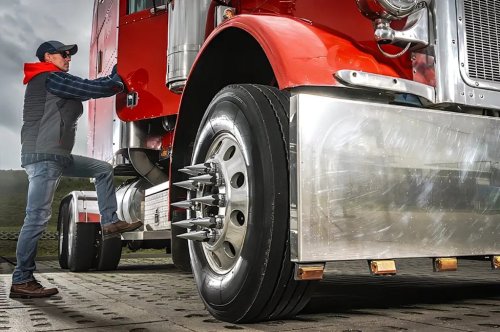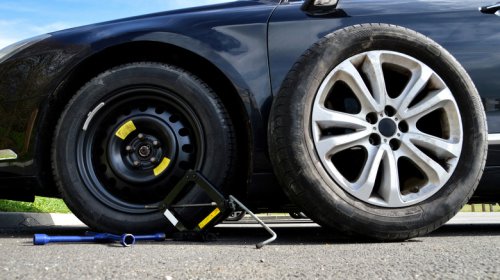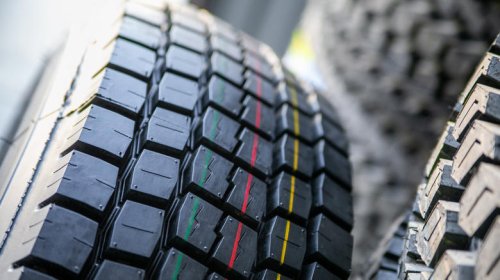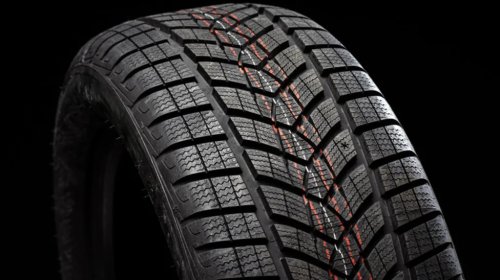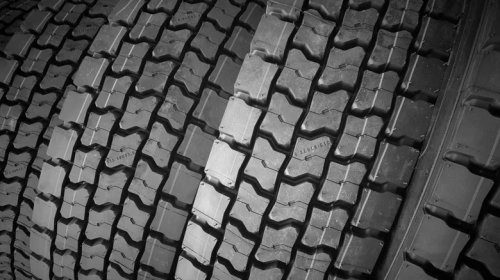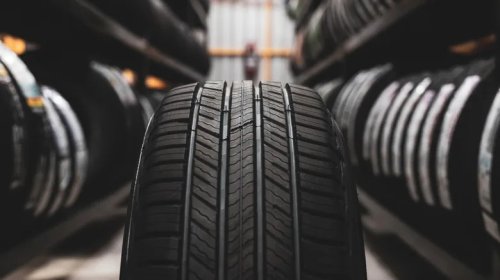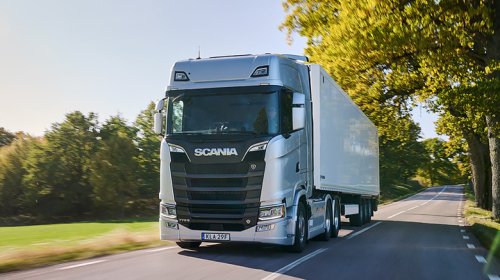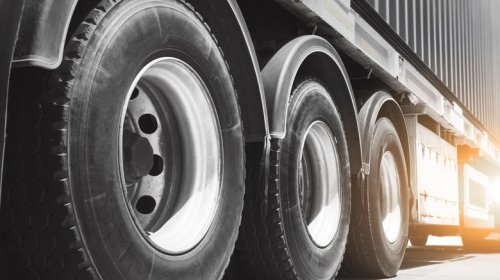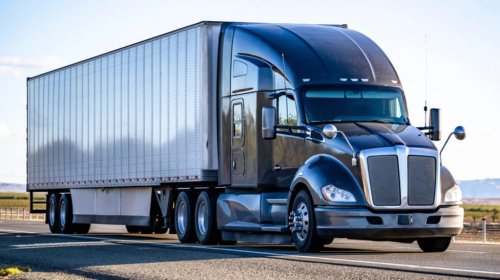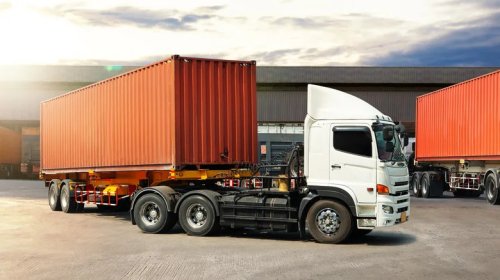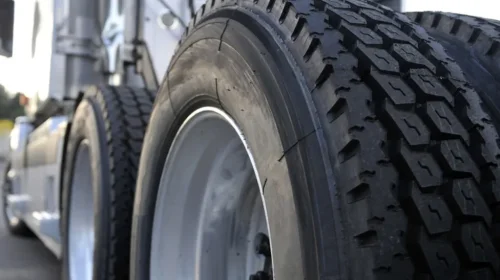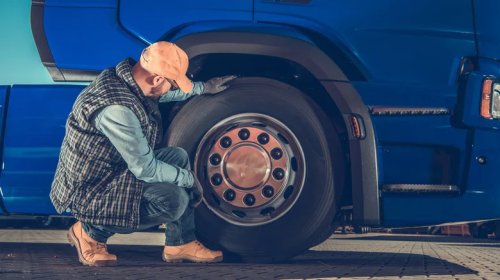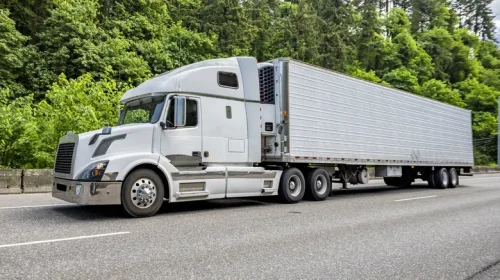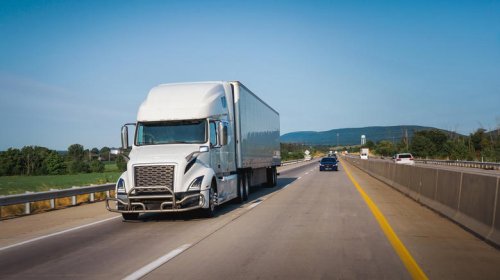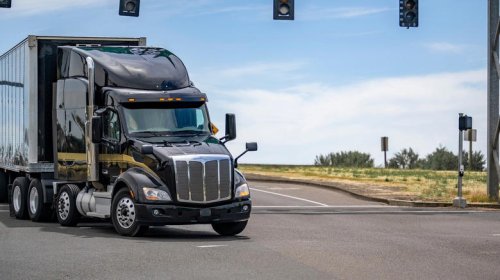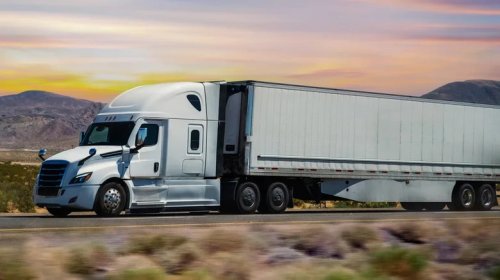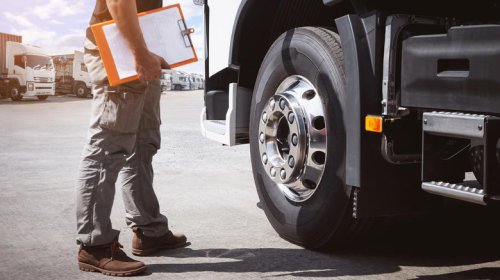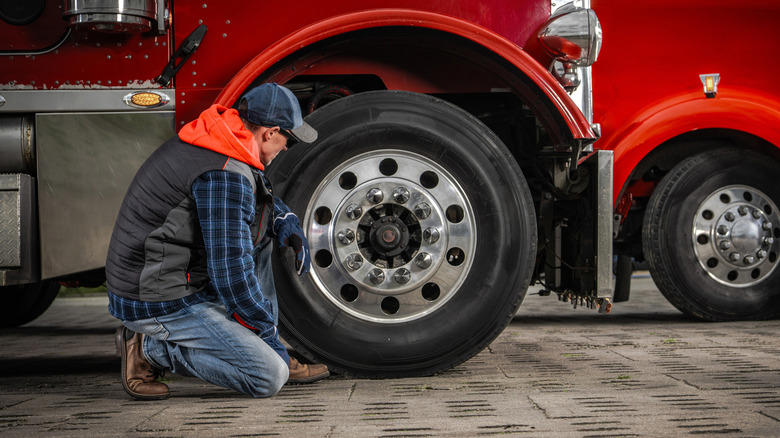




















Person inspecting the tires on an unidentified red semi truckThere are few items on your vehicle that can more directly affect how it rides when you're out and about than its tires. That is every bit as true for your average passenger sedan as it is with the massive semi trucks you see on the freeway.On the surface, those tires could all be viewed as identical. They're round, made of blended rubber and other materials, and engineered to help cars and trucks keep steady contact with the road, both stationary and in motion. Despite all of those primal similarities, there are a great many separators when it comes to tires made for passenger vehicles and those made for use on a semi truck.The most obvious difference between those two styles of tire is size. Yes, it should go without saying that tires on those so-called 18-wheelers are significantly larger than the ones utilized on most passenger vehicles. And yes, the reason for the size difference is clear — semi trucks themselves are significantly larger than their passenger carrying counterparts, and sometimes feature automatic tire inflation systems not found in most normal tires. In terms of size, it's silly to even think about a normal sized tire attached to a semi or vice versa. Apart from glaring size differences, there are many more separating regular tires from those you see on semi trucks. Other differences between regular tires and commercial tiresA low angle shot of two European semi trucks next to each other, cloudy sunset in the backgroundFor the record, the term commercial tire covers more than the semi truck set, and includes tires made for other larger vehicles, like buses. However, they are, by and large, designed to deliver a very different ride than regular tires from most tire brands, which, in general, are more focused on delivering a smooth, quiet ride, increased handling and better fuel economy.To that end, some passenger tires may be made with more pliable compounds geared towards providing better adaptivity to the road. That is not entirely the case with many tires designed for commercial vehicles, which have to account for factors like load capacity and durability. Load capacity is, of course, of tantamount importance with commercial tires, as the vehicles they are meant to transport can sometimes several tons. Thus, the tires are typically made with denser compounds that should increase the life of the tread. They are also often made with thicker sidewalls to prevent cuts or punctures, which is important, as it's not a good idea to plug commercial tires. In terms of tread, commercial tires tend to have bolder and deeper tread patterns than their passenger counterparts. The purpose for this is to increase traction over a variety of surfaces they may encounter in commercial areas, which can often include dirt or snow. The durability advantage generally gives commercial tires an edge in overall longevity as well, and for all of those reasons and more they tend to be considerably more expensive than passenger tires. Want the latest in tech and auto trends? Subscribe to our free newsletter for the latest headlines, expert guides, and how-to tips, one email at a time. You can also add us as a preferred search source on Google.