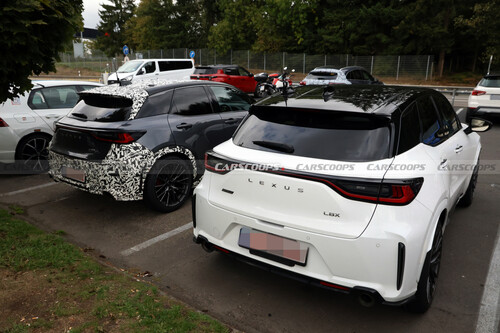
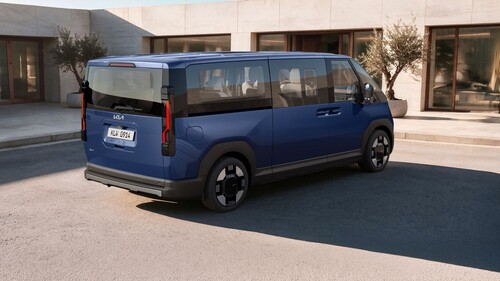
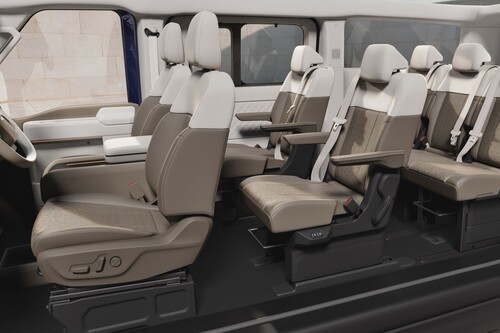
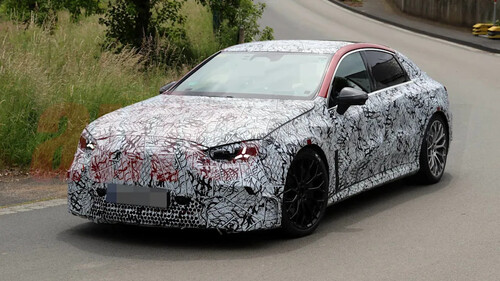
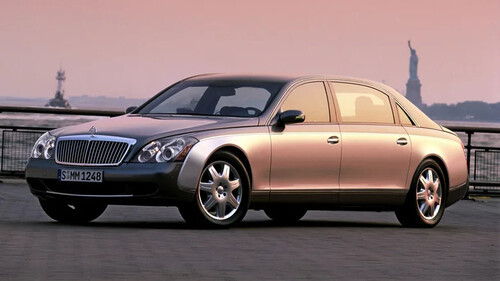
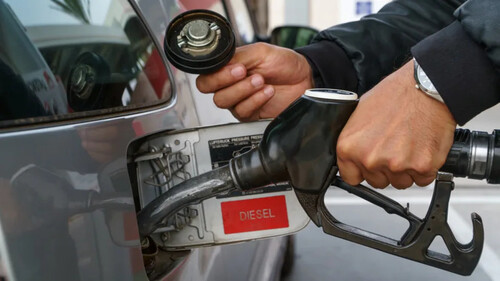
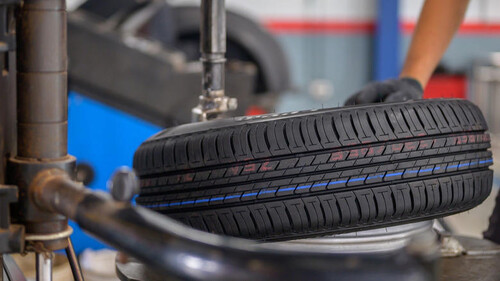
Ella Moreau · 5 months ago@ellamoreau73The differences between trailer tires and regular passenger car tires Liked by+57 othersPost commentRelated PostsA "Regular" Ferrari 812 Wasn't Special Enough For Dubai Police... So They Reached Out To MansoryGrace Rogers · 25 days agoA One-Off Bizzarrini Prototype Is Estimated Below a Regular Strada. The Paperwork Explains Why 86 · Ava Bouchard · 27 days agoHow Long Could A Honda Accord Last With Regular Maintenance? 36 · Jenna Turner · 28 days agoOnly 2 States Still Have Regular Gas Under $4 a Gallon 51 · Amélie King · 28 days agoThe cheap roadster track-day regulars refuse to trade up from 18 · Jacob Rogers · 1 months agoHotter Lexus LBX Shows Off Its Upgrades Alongside Regular Morizo RR 36 · Abigail King · 1 months agoKia Makes Regular Vans Feel Outdated With New PV7 50 · Samuel Green · 1 months agoHow Police Car Brakes Differ From The Ones On Regular Cars 28 · Olivia Leblanc · 1 months agoWhat Is Hypoid Gear Oil And What Makes It Different From Regular Gear Oil? 48 · Justin Harris · 1 months agoAMG’s Electric C 63 Looks Much Angrier Than the Regular C-Class 59 · Justin Labelle · 1 months agoCan You Drive To Alaska From The Continental US With A Regular Driver's License? 60 · Lauren Clark · 1 months agoDo Mercedes-Maybachs And The Regular Benz/AMG Models Use The Same Engines? 82 · Thomas Morgan · 1 months agoRyan Preece Wins NASCAR’s Regular Season Finale at Daytona to Lock into His First Playoff Appearance 33 · Liam Bouchard · 1 months agoThis 1-of-1 Mercedes G-Wagon is So Over-the-Top It Makes Regular Luxury Look Cheap 42 · Amelia Hill · 2 months agoWhy Is Diesel Fuel Usually More Expensive Than Regular Gas? 37 · Zoë Girard · 2 months agoThe best hybrid cars: PHEVs and regular hybrids rated 21 · Amélie Anderson · 2 months agoCollector Car Insurance 101: How It Differs From Regular Auto Coverage (and Why It Matters) 86 · Liam Clark · 2 months agoA Regular Ford F-150 Hybrid Is Quicker Than These 5 Legendary Muscle Cars 23 · Victoria Hill · 2 months agoSon Restores His Dad's 1970 Oldsmobile 442 Convertible And Drives It Regularly 44 · Mia Lee · 2 months agoThe Fine Print On Shelby's 810 HP Regular-Cab F-150 Deserves A Read 12 · Nicole Mitchell · 2 months ago




 +57 others