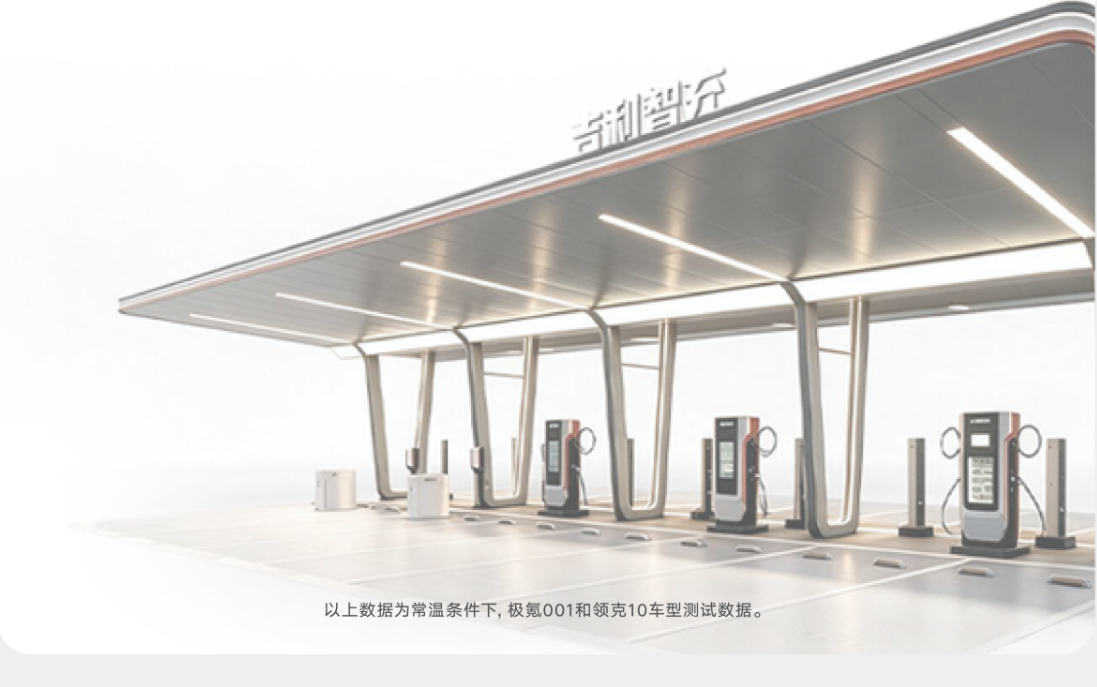
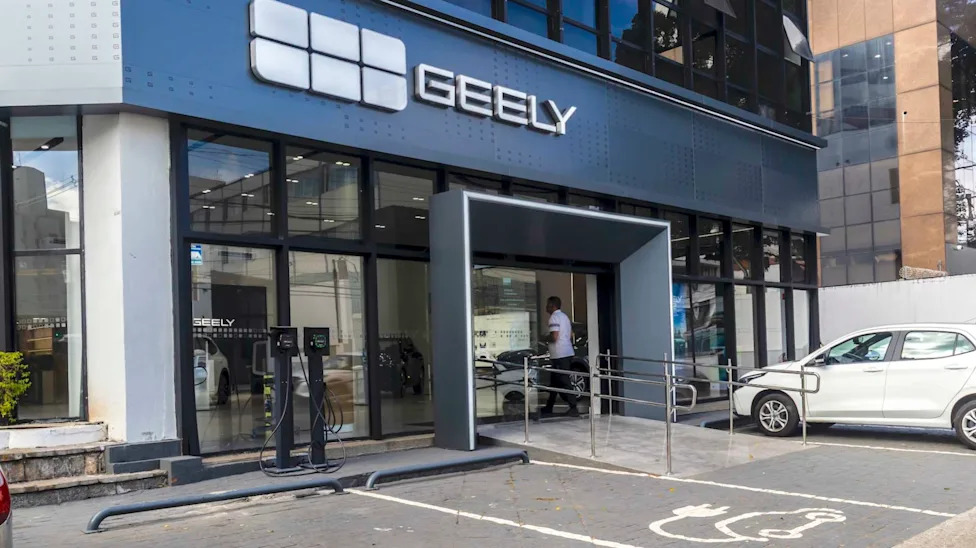
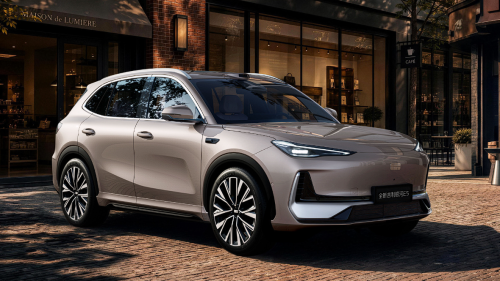
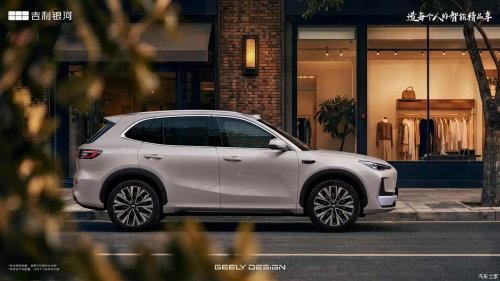
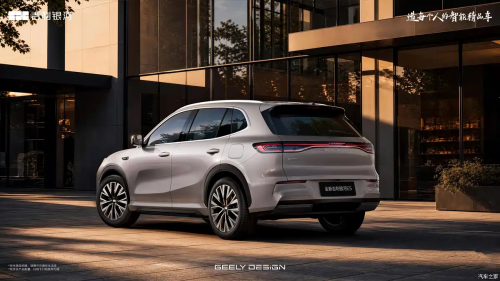
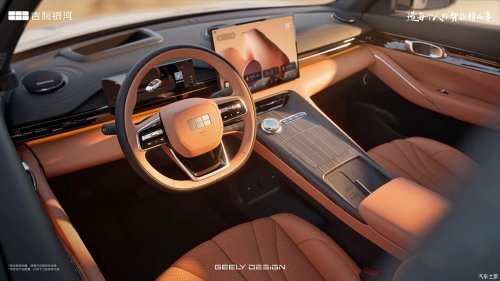
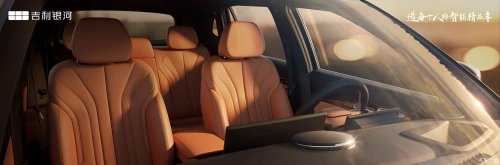
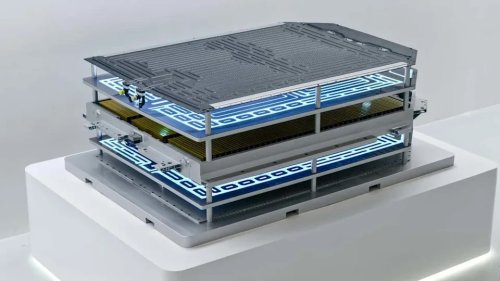
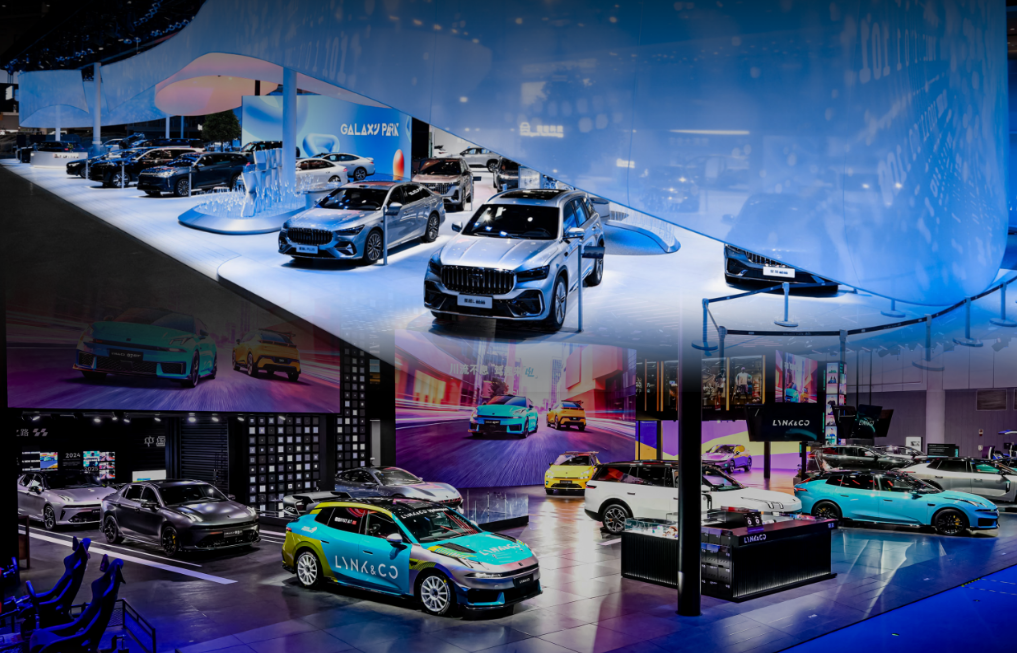
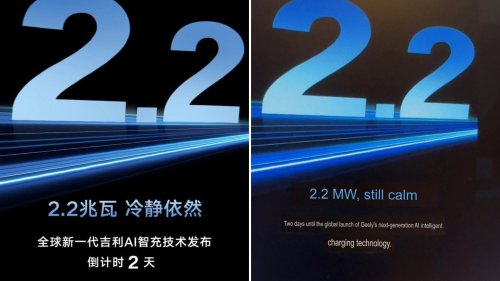
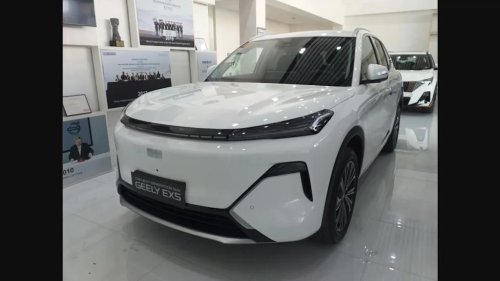
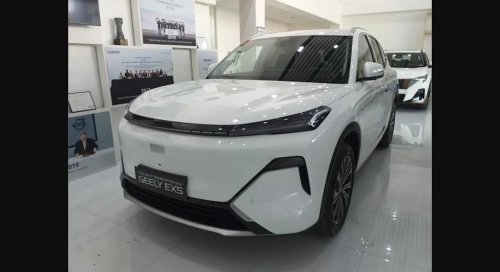
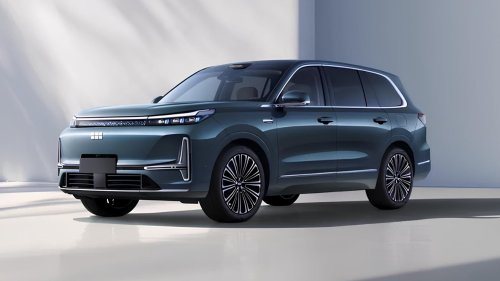
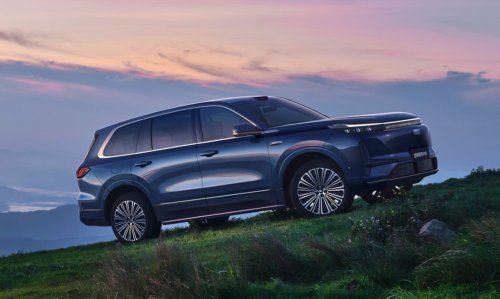
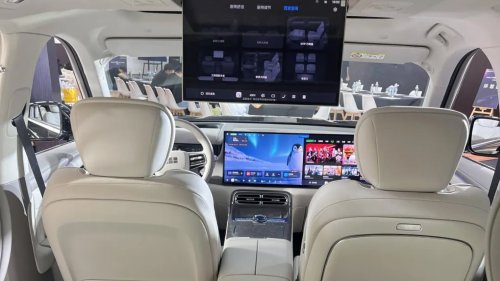
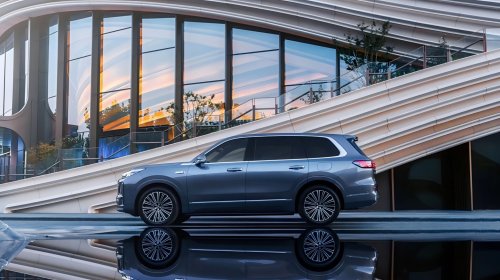
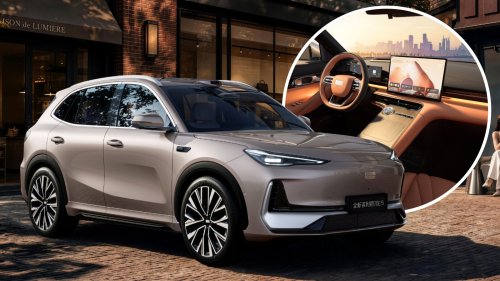
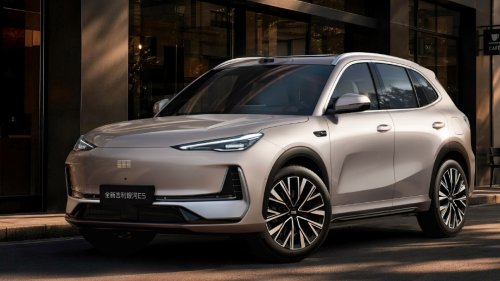
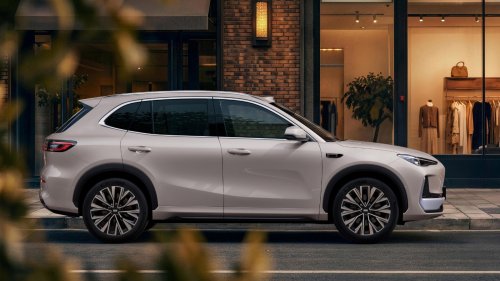
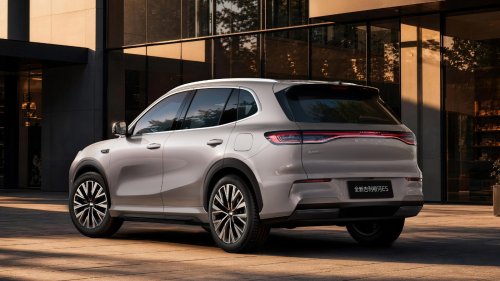
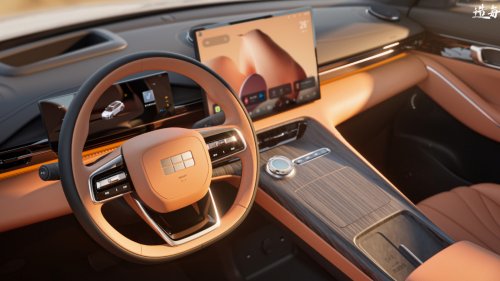
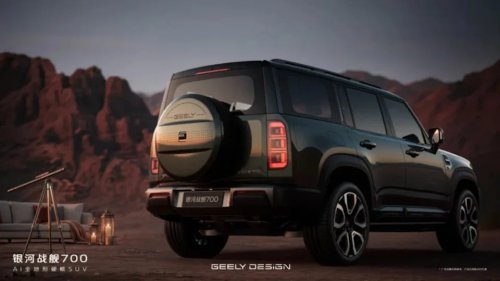
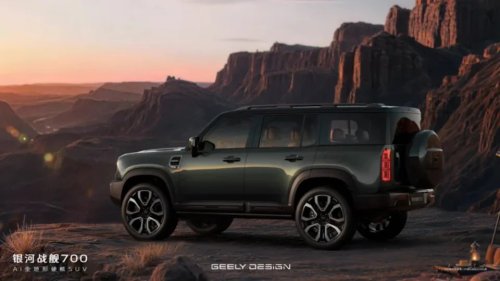
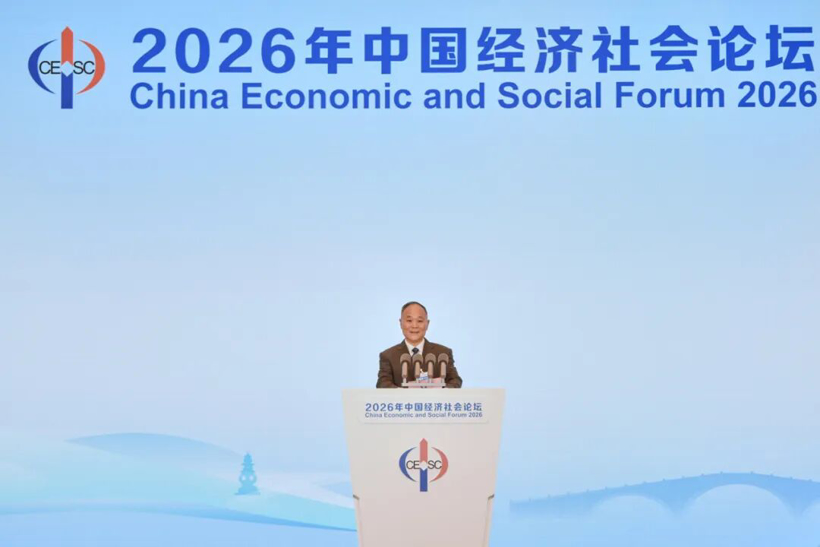
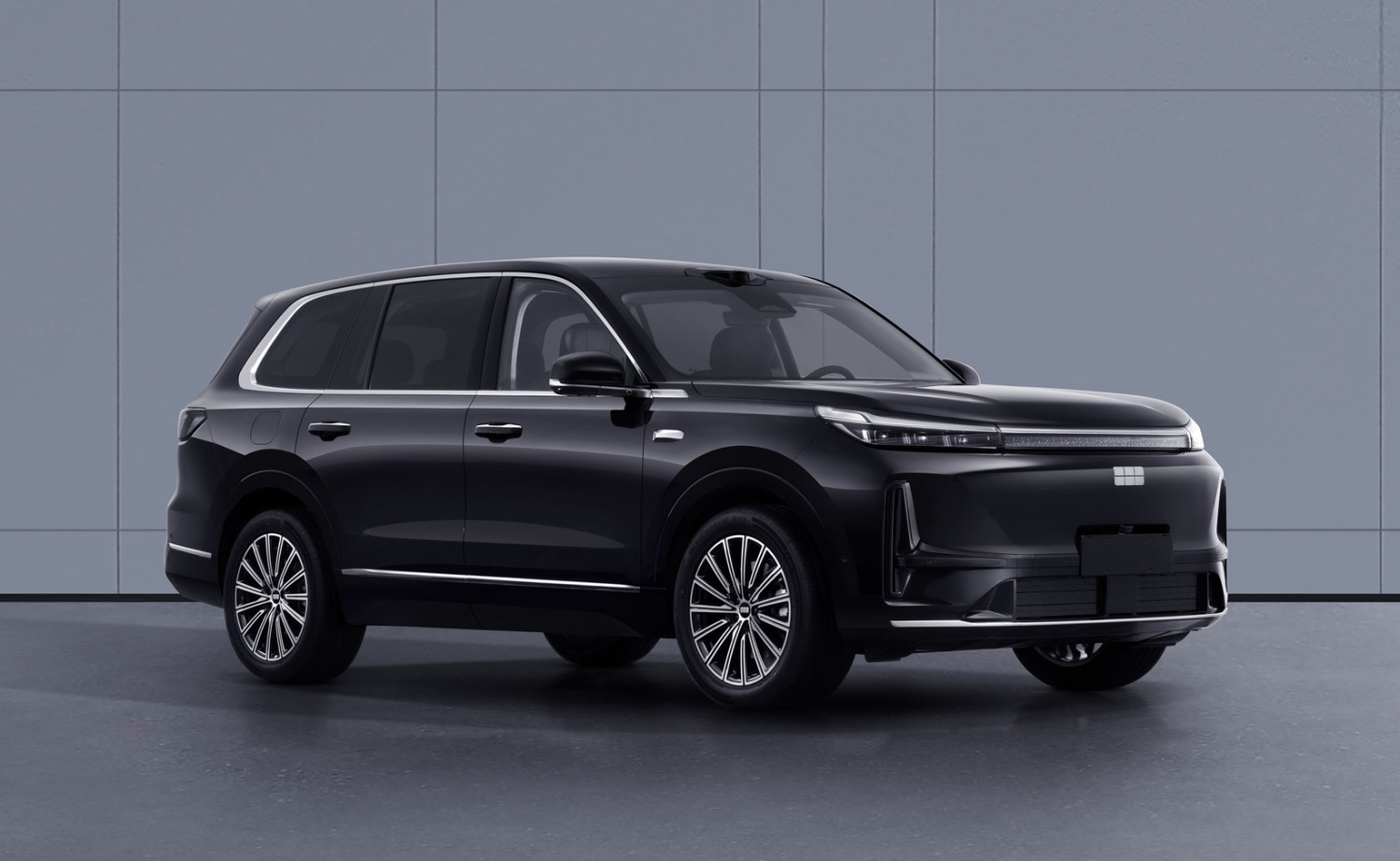
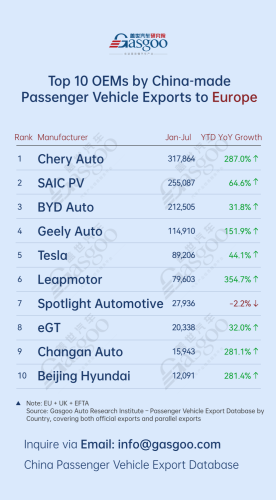
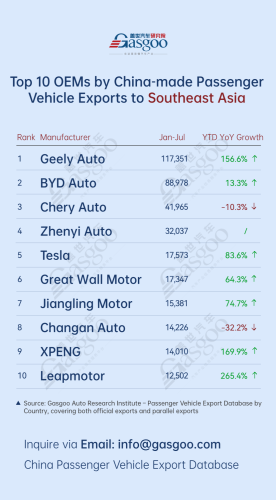
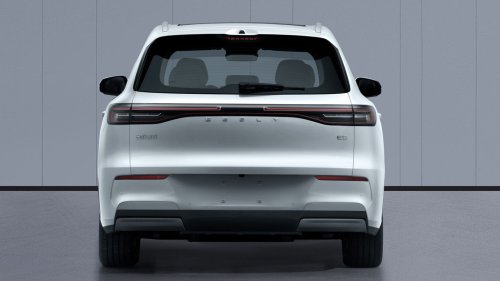
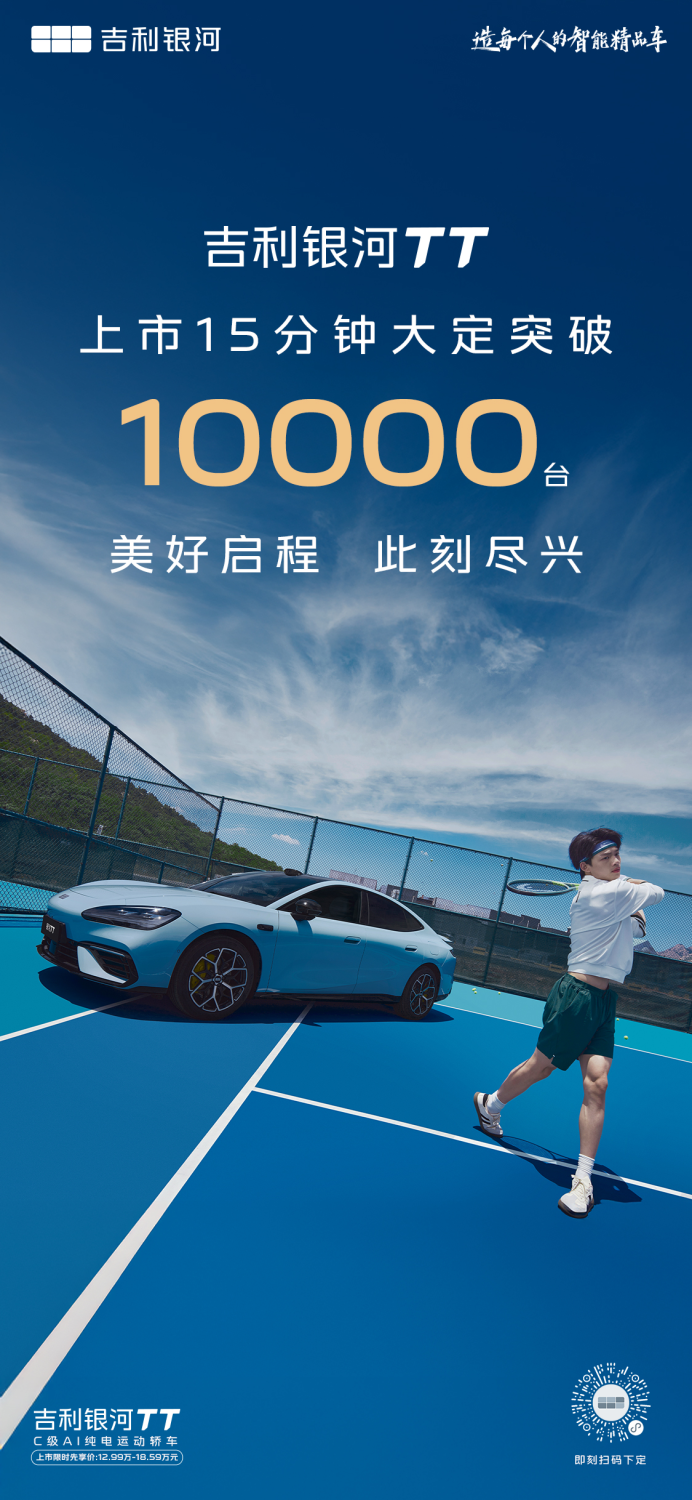
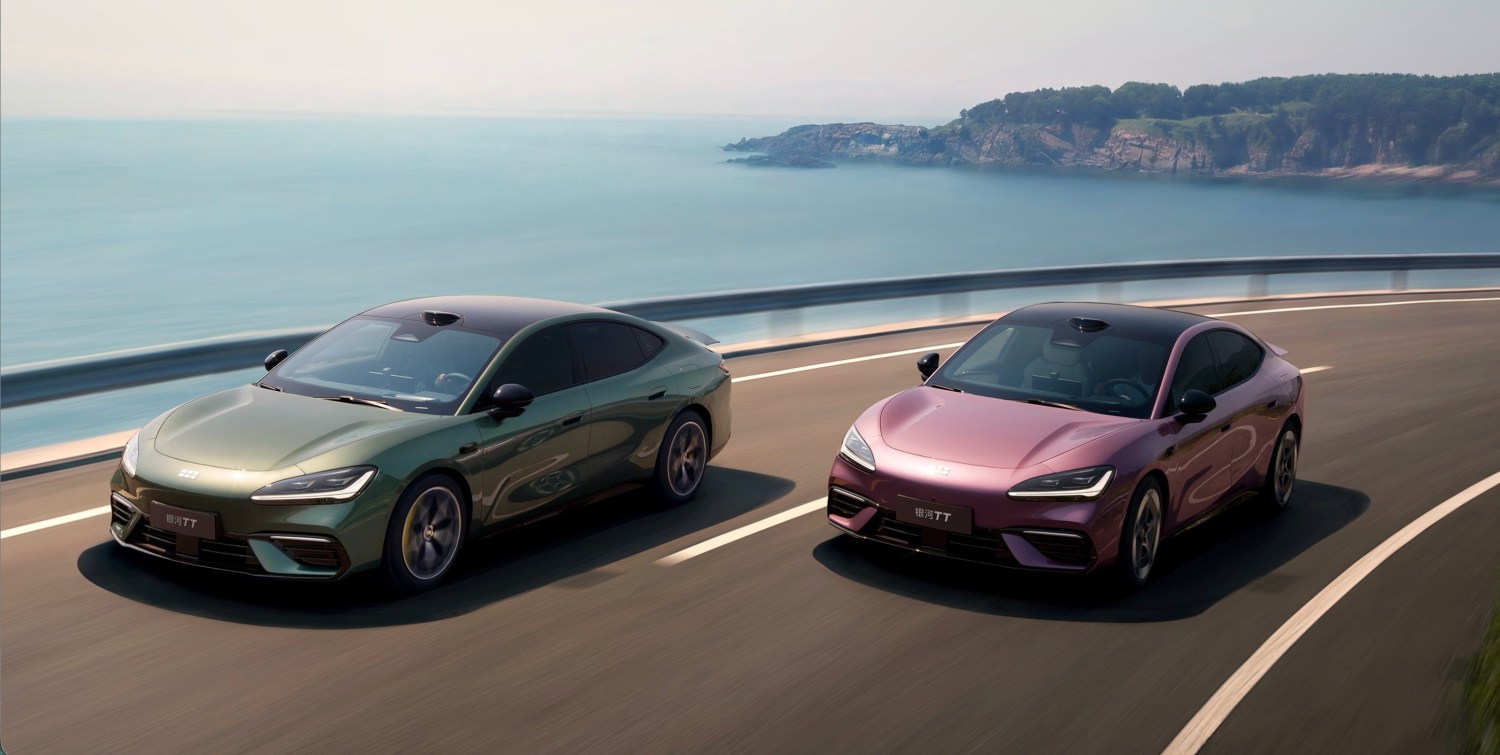
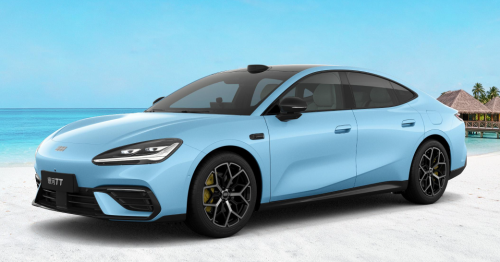
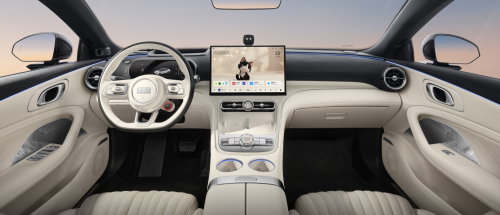
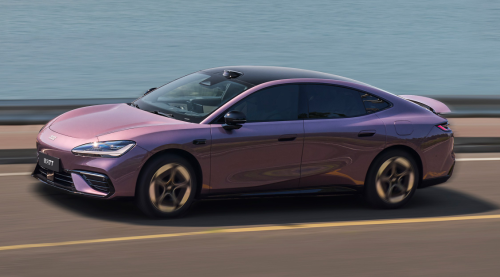
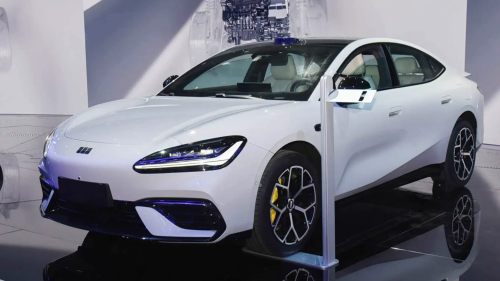
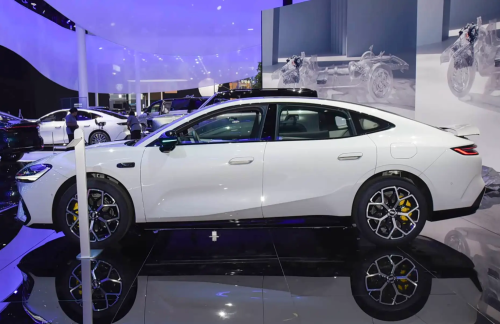
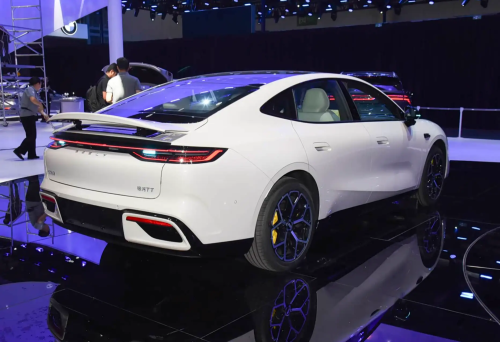
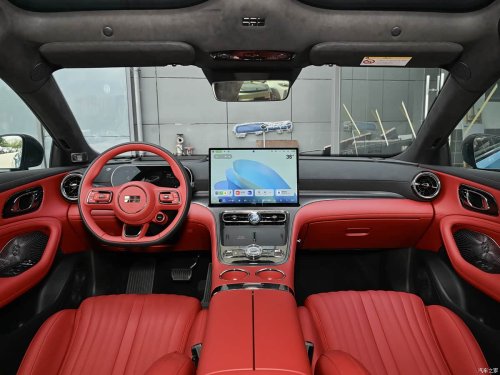
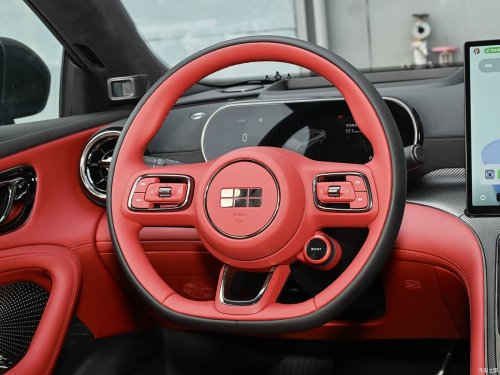
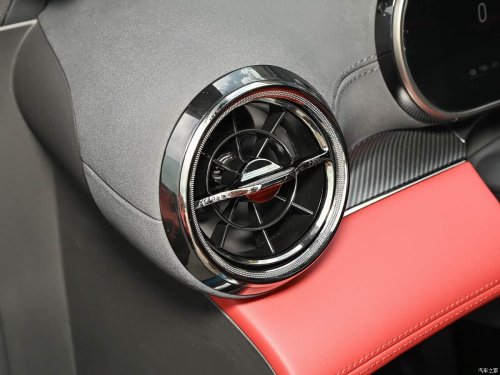
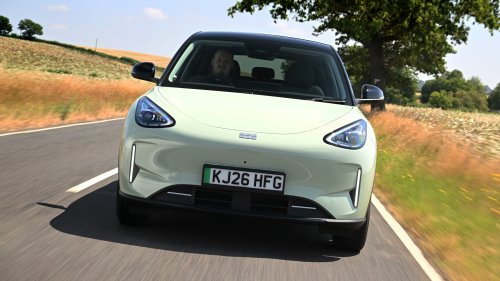
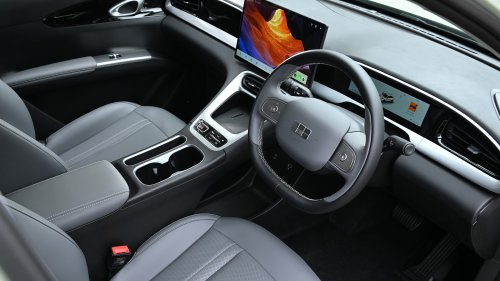
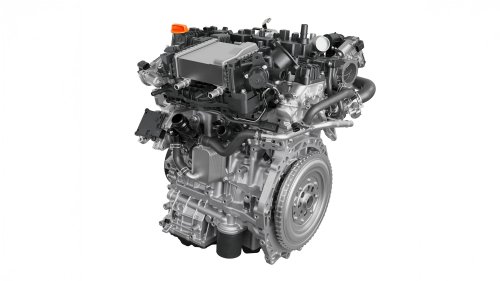
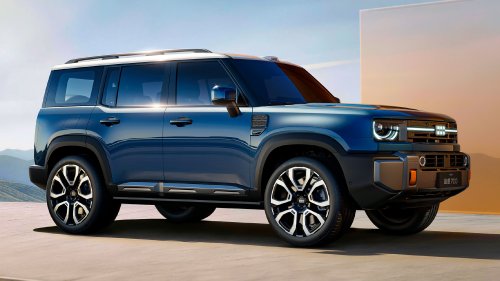
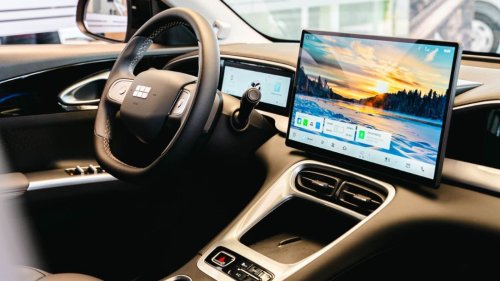
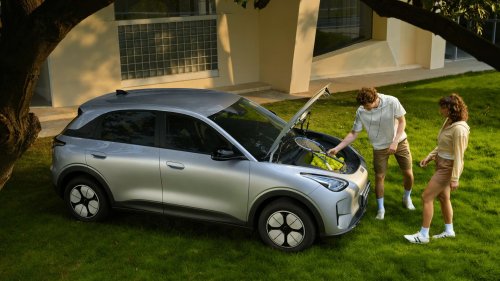
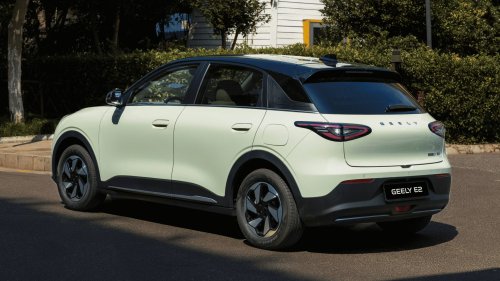
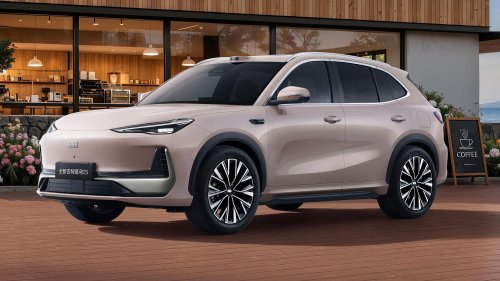
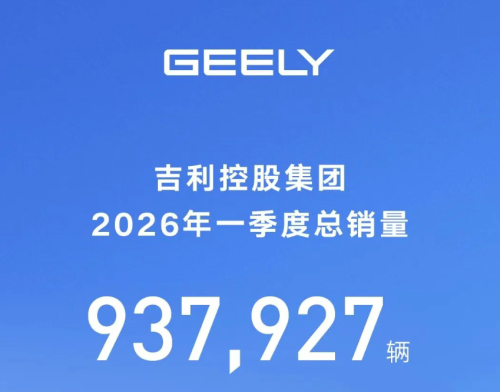
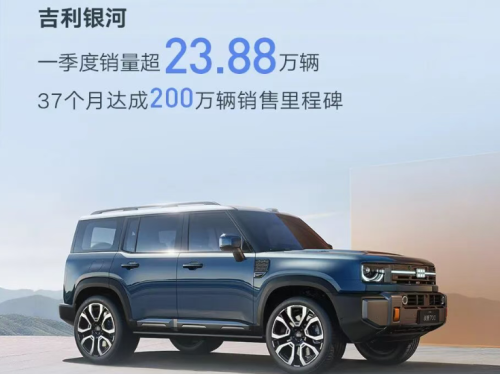
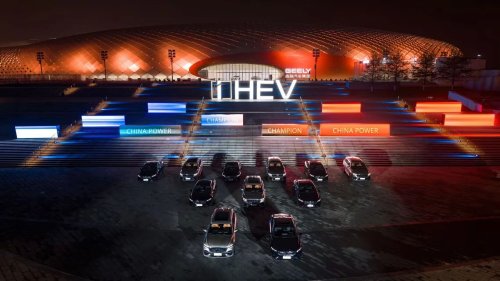
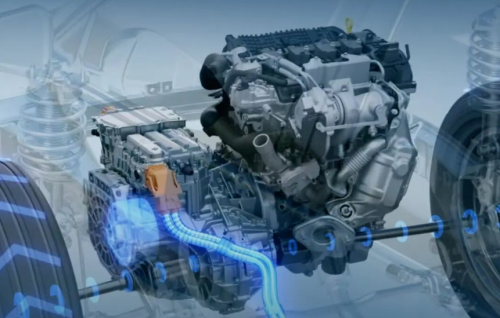
Gasgoo Munich-Geely Holding Group released first-quarter sales figures on April 14, 2026, with total group sales reaching 937,900 units—a record high for the period. New-energy vehicle sales climbed to 491,000, up 5.8% year-on-year, lifting the penetration rate to 52.4%. Against a backdrop where overall industry production and sales fell 6.9% and 5.6% respectively, Geely managed to defy the trend and expand its market share.Yet the headline figures tell only part of the story. In 2026, as market structures shift and policy landscapes change, Geely’s choice of technology roadmap and its overseas strategy will be the key factors determining whether it can sustain this momentum.Structural Growth Amid a NEV "Cold Snap"Image Source: Geely Holding GroupOf Geely’s total of 937,900 units, the composition matters more than the aggregate. The domestic NEV market faced a distinct "cold snap" in the first quarter: sales of new-energy passenger vehicles dropped 26.7% to 1.822 million, with the penetration rate slipping from over 50% in Q4 2025 to 42%. Policy rollbacks—specifically the shift from a full exemption to a half exemption on purchase taxes and adjustments to trade-in subsidies—shifted much of the demand forward into late 2025. Geely, however, saw its NEV penetration climb to 52.4%, defying the trend and outperforming the broader market by more than 10 percentage points.The battle for market share among top automakers is far from over. Geely Auto narrowly beat BYD in the first quarter, posting sales of 709,400 units against BYD’s 700,500. Chery Group sold 602,000 vehicles, with exports surging 53.9% to nearly 400,000 units. Changan Automobile, meanwhile, sold 557,200 units—a 20.94% year-on-year decline that highlights the pressure it faces in transitioning its power sources.Image Source: Geely Holding GroupBreaking down Geely’s NEV sector, the Galaxy series sold 238,800 units, hitting the 2 million cumulative sales milestone in just 37 months. ZEEKR delivered 77,000 vehicles, an 86% jump from last year, strengthening its position in the premium NEV segment.Notably, the domestic market experienced a sharp structural divergence: sales of A00-class mini EVs plummeted 68.5%, while B-segment and larger models grew 8.1%. With Galaxy and ZEEKR positioned in the mid-to-high-end market, Geely is well positioned to capture this structural tailwind.Meanwhile, the domestic traditional fuel vehicle market continues to contract. Sales of internal combustion passenger cars fell by 565,000 units—a 20.5% drop. In this environment, Geely’s China Star series sold 311,800 units, effectively stabilizing the company’s fuel vehicle base and providing a buffer as it transitions to new energy.Dual Variables: Tech Route Calibration and Overseas MarketsIf first-quarter sales demonstrated Geely’s resilience amid industry turbulence, recent developments point to longer-term challenges: the active recalibration of its technology roadmap and the uncertainties surrounding global expansion.Image Source: Geely AutoOn the technology front, Geely unveiled its "i-HEV Smart Engine Hybrid" system on April 13, claiming a thermal efficiency of 48.41% for its mass-produced engine and fuel consumption as low as 2.22 liters per 100 kilometers. This move comes against a shifting policy backdrop: starting in 2026, purchase tax exemptions were halved, and the pure-electric range threshold for PHEV incentives was raised to over 100 kilometers. These changes have significantly eroded the policy advantages for short-range plug-in hybrids.At the same time, domestic fuel prices have kept climbing. April marked the sixth price hike of the year, pushing cumulative increases for gasoline and diesel past 2,460 yuan per ton. The combination of policy rollbacks and rising fuel costs has highlighted the economic appeal of HEVs—which use 30–40% less fuel than traditional cars without needing to be plugged in.Image Source: Changan AutomobileGeely is not acting alone. Changan released its "Blue Whale" hybrid, Great Wall launched its "Super Smart Hybrid HEV" based on the Guiyuan platform, and GAC unveiled its "Xingyuan" dual-engine tech on April 12. Analysts suggest that domestic brands’ move toward HEVs is driven by both market demand and profitability: HEVs require only small batteries, costing far less than plug-in or pure electric models. With battery raw material prices remaining elevated, this preserves healthier profit margins.In an interview following the launch, Geely Auto Group Vice President Li Chuanhai acknowledged that of the 96.47 million vehicles sold globally last year, internal combustion models still accounted for 76.5%. "There is still significant market space for fuel vehicles," he said.On the international front, rapid export growth coexists with trade risks. Geely Auto exported 203,000 vehicles in the first quarter, up 126%, with NEVs accounting for 64% of the total. Across the industry, NEV exports jumped 1.2-fold to 954,000 units, with March alone setting a new record of 371,000 shipments.Yet behind the export surge, the external trade environment is growing increasingly complex. The EU’s Carbon Border Adjustment Mechanism (CBAM) and trade barriers in parts of Southeast Asia pose potential threats to Chinese auto exports. However, after multiple rounds of talks, China and the EU agreed to a "price undertaking" mechanism as an alternative to anti-subsidy duties on pure electric vehicles. This means eligible Chinese automakers can avoid tariffs as high as 35.3% by submitting price undertaking applications.Furthermore, the export model is shifting from simply shipping vehicles abroad to "deep localization." ZEEKR has entered over 50 countries and regions with more than 640 global stores, while Geely is pushing for localized production of the Xingyuan model in Southeast Asia. However, the global HEV market remains dominated by Japanese brands like Toyota and Honda, with Chinese automakers holding only about 17% market share. In this context, further expanding global reach through product and brand strength remains a long-term challenge for Geely.Conclusion:The first-quarter data shows Geely maintaining its growth momentum despite industry headwinds, supported by multi-brand synergy and rising NEV penetration. However, as policies retreat, oil prices stay high, and technology routes are recalibrated, two questions loom: Can the i-HEV system effectively capture the upgrade demand from the traditional fuel vehicle base? And can overseas expansion continue its rapid advance despite trade frictions? These will be the core variables determining whether this top automaker can maintain its lead.



















 +68 others