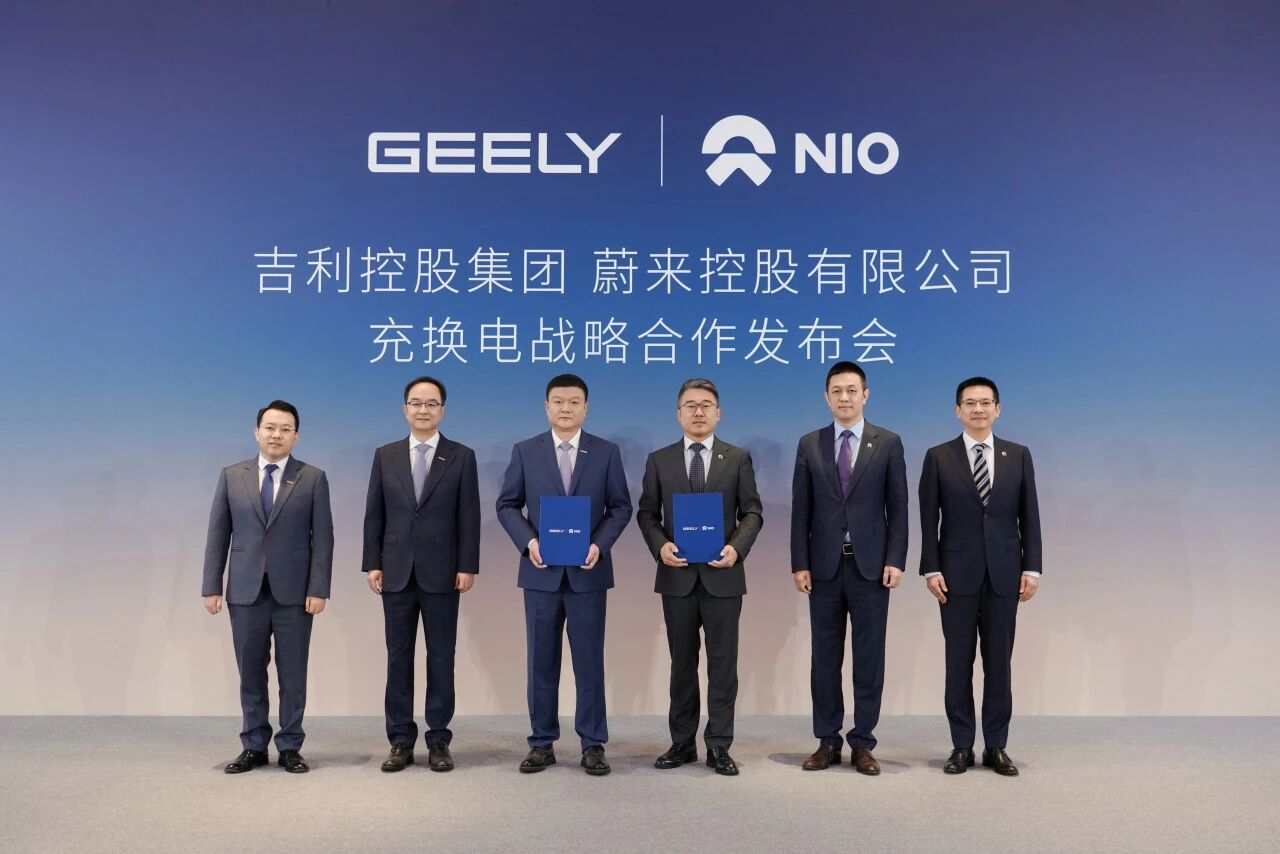
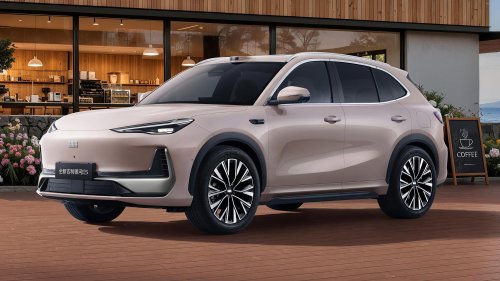
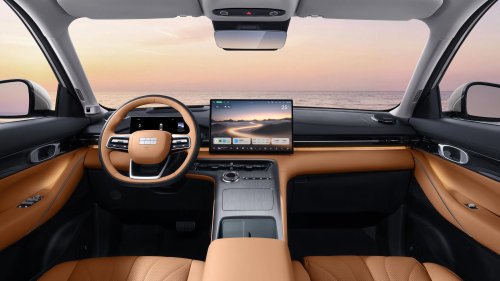
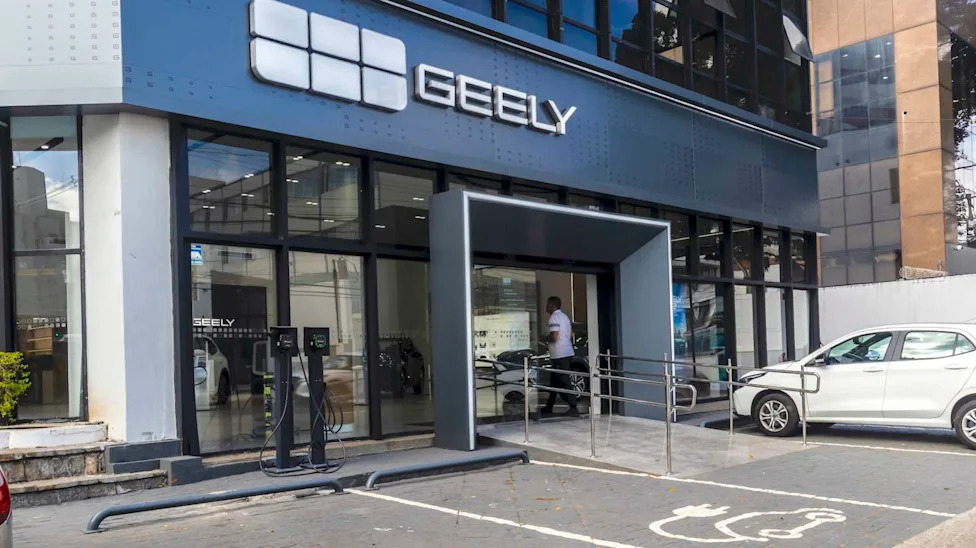
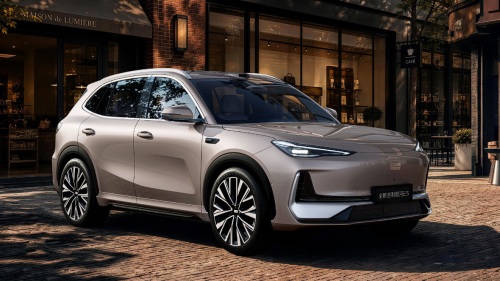
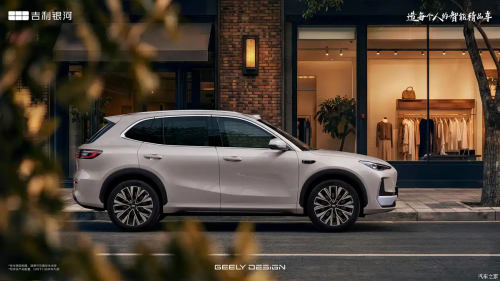
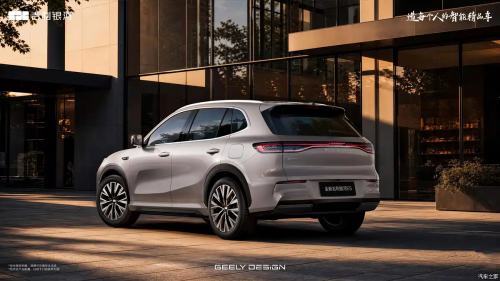
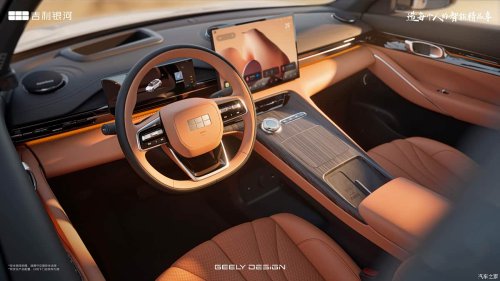
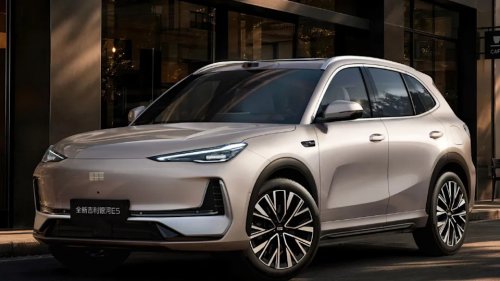
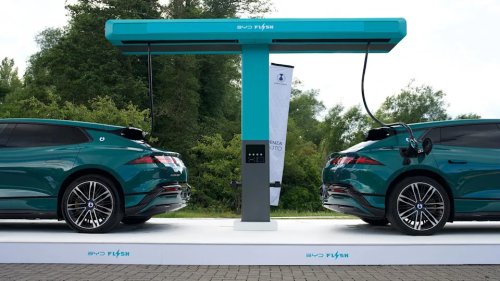
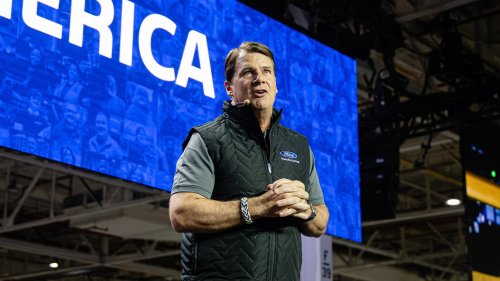
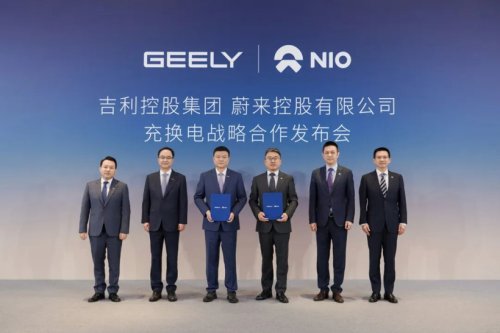
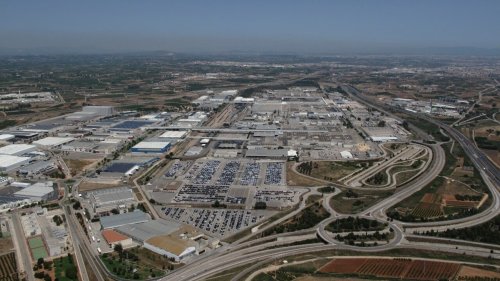
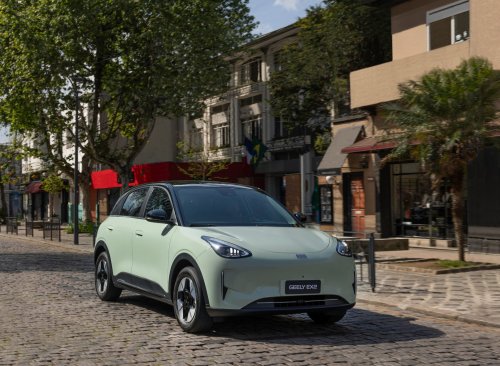
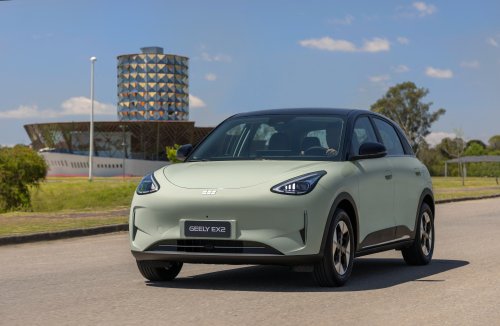
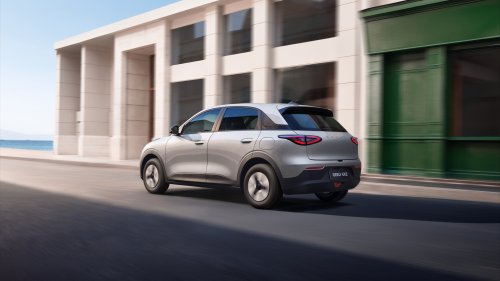
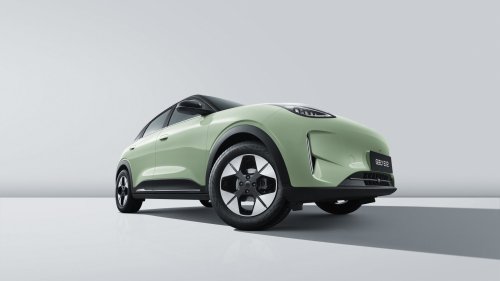
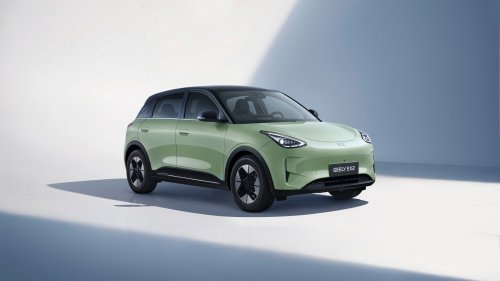
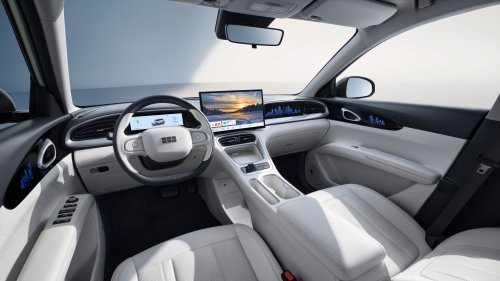
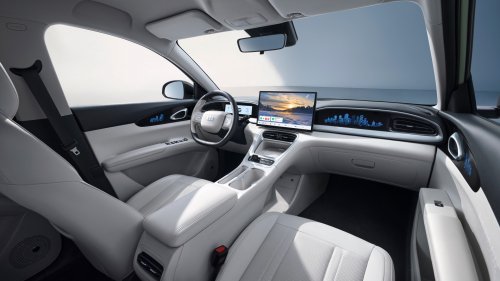
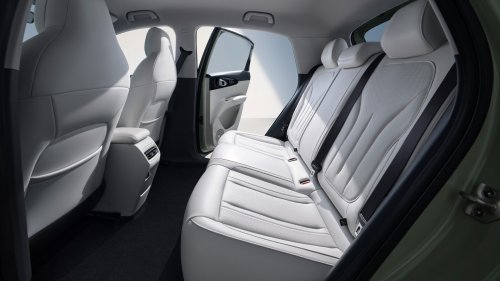
Geely has reportedly reached a deal to buy a Ford production line. The move could see the Chinese firm build the EX2 crossover in Spain. Ford could also get a version of the model according to reports. Ford CEO Jim Farley keeps talking about the threat posed by Chinese automakers, but a new report suggests he’s getting into bed with one. According to Spanish newspaper La Tribuna de Automoción, Geely has reached an agreement to purchase an assembly line at Ford’s Valencia plant in Spain. The Chinese company will reportedly use the facility to build a multi-energy vehicle based on the Global Intelligent New Energy Architecture, which underpins an assortment of vehicles including the Galaxy A7 and E5. More: Ford Publicly Calls Chinese Tech A Threat, Privately It Was Trying To Bring It To America Little is known about the vehicle in question, but the publication says the Geely variant is internally codenamed 135. It’s rumored to be offered with hybrid, plug-in hybrid, and electric powertrains. While details are scant, it’s believed the mystery model could be the EX2. It’s a compact electric crossover that measures 162.8 inches (4135 mm) long, 71.1 inches (1805 mm) wide, and 61.8 inches (1570 mm) tall with a wheelbase that spans 104.3 inches (2650 mm). The model offers 30.1 and 40.1 kWh battery packs that offer CLTC ranges of 193 miles (310 km) and 255 miles (410 km). Buyers will also find a rear-mounted motor with outputs of 78 hp (58 kW / 79 PS) and 114 hp (85 kW / 116 PS). While it remains unclear if the EX2 will be built at the plant, the publication reported that Ford could also get a vehicle based on the same platform. It could potentially make for an interesting Puma successor as both models are roughly the same size. That being said, Ford downplayed the report as they told the publication, “We are constantly in talks with many companies about various topics; sometimes they materialize, sometimes they don’t. Nothing is finalized.” Likewise, a Geely Europe spokesperson told Automobilwoche they “do not comment on speculation.” However, they’re reporting “industry insiders consider the agreement largely finalized.”





















 +75 others