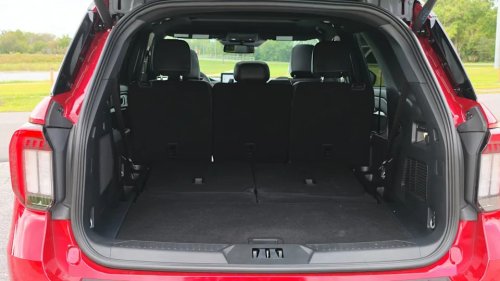
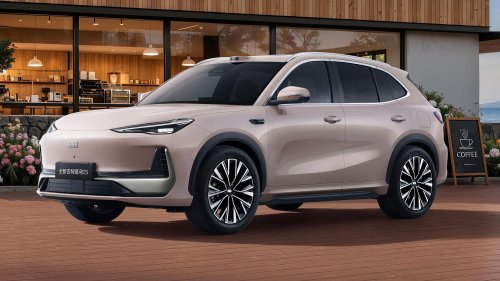
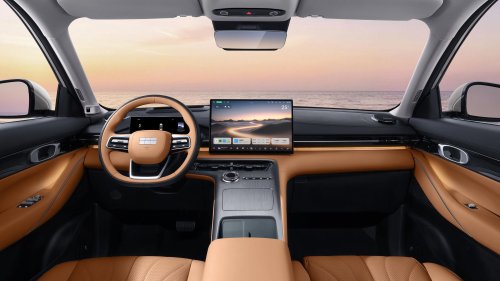
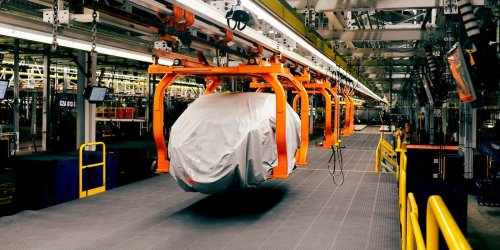
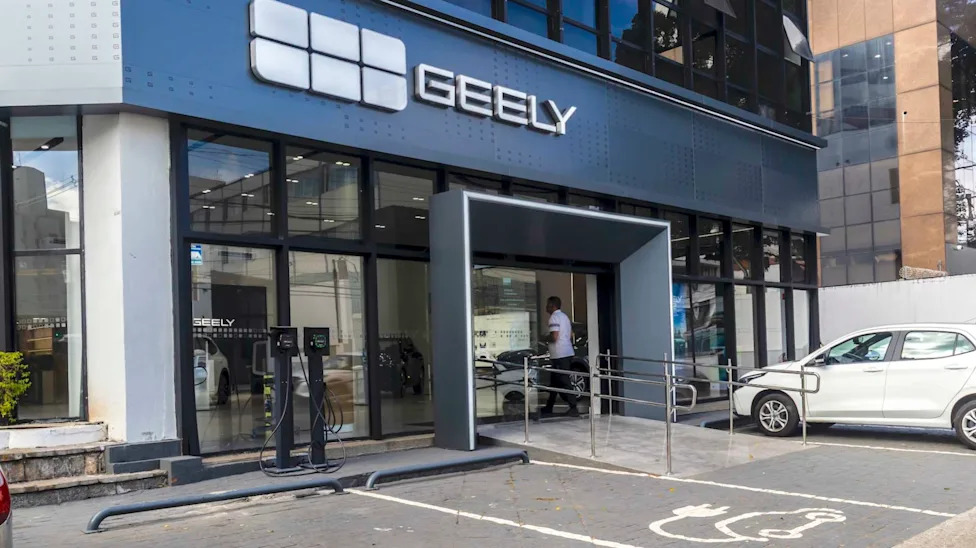
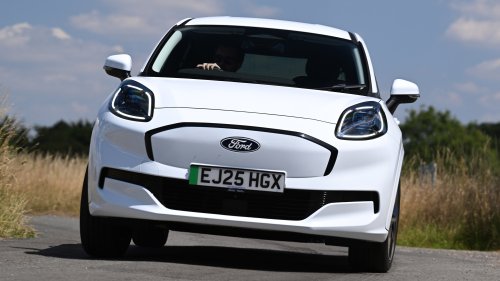
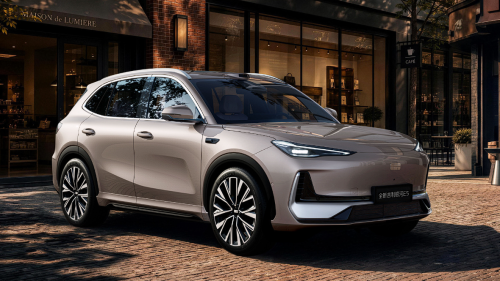
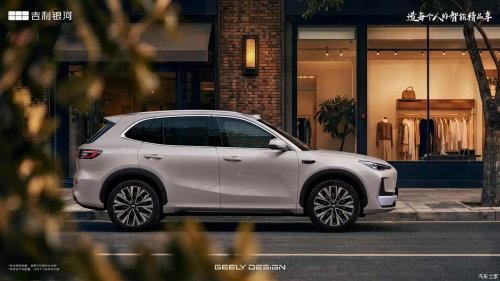
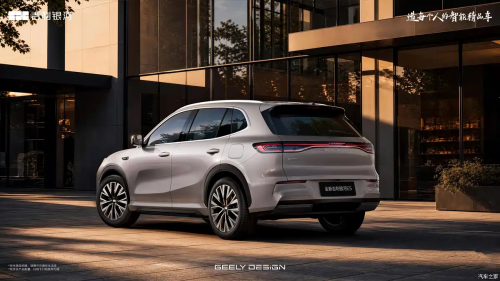
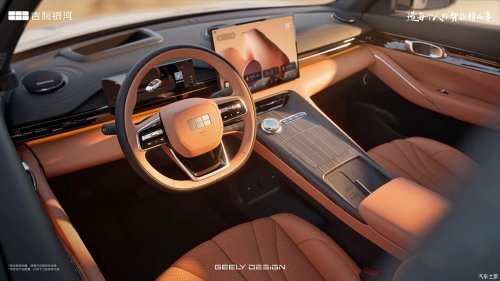
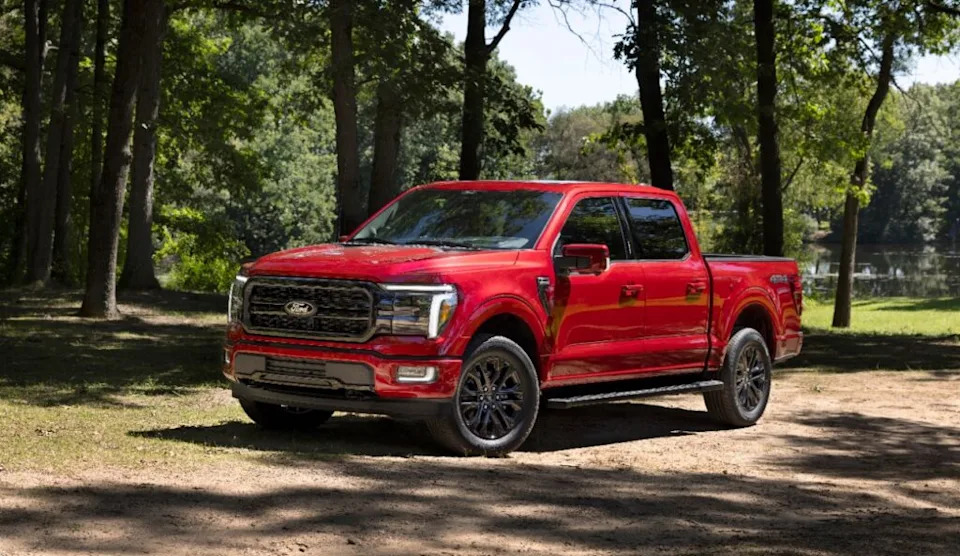
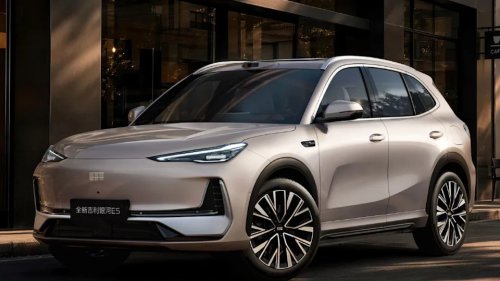
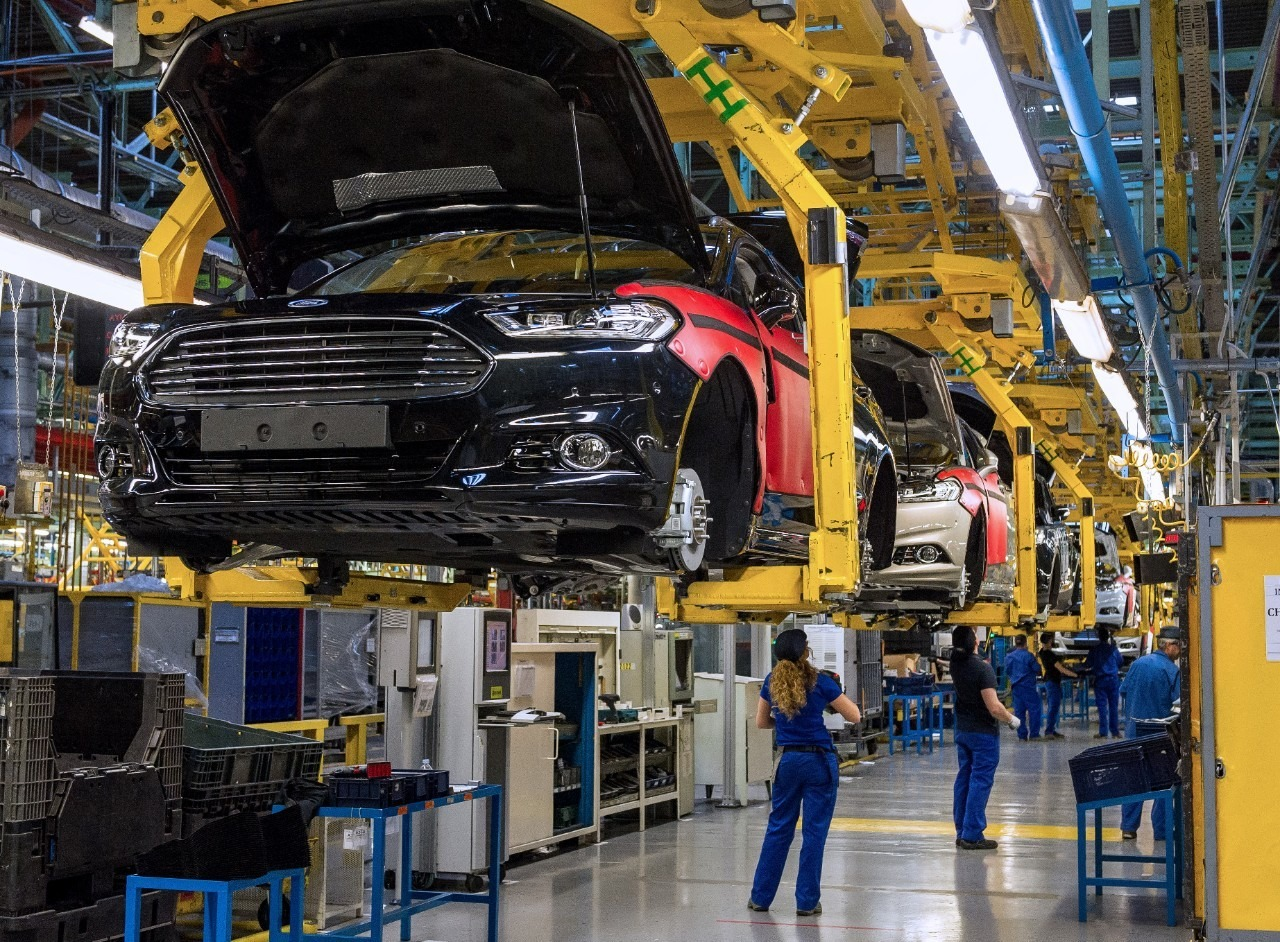
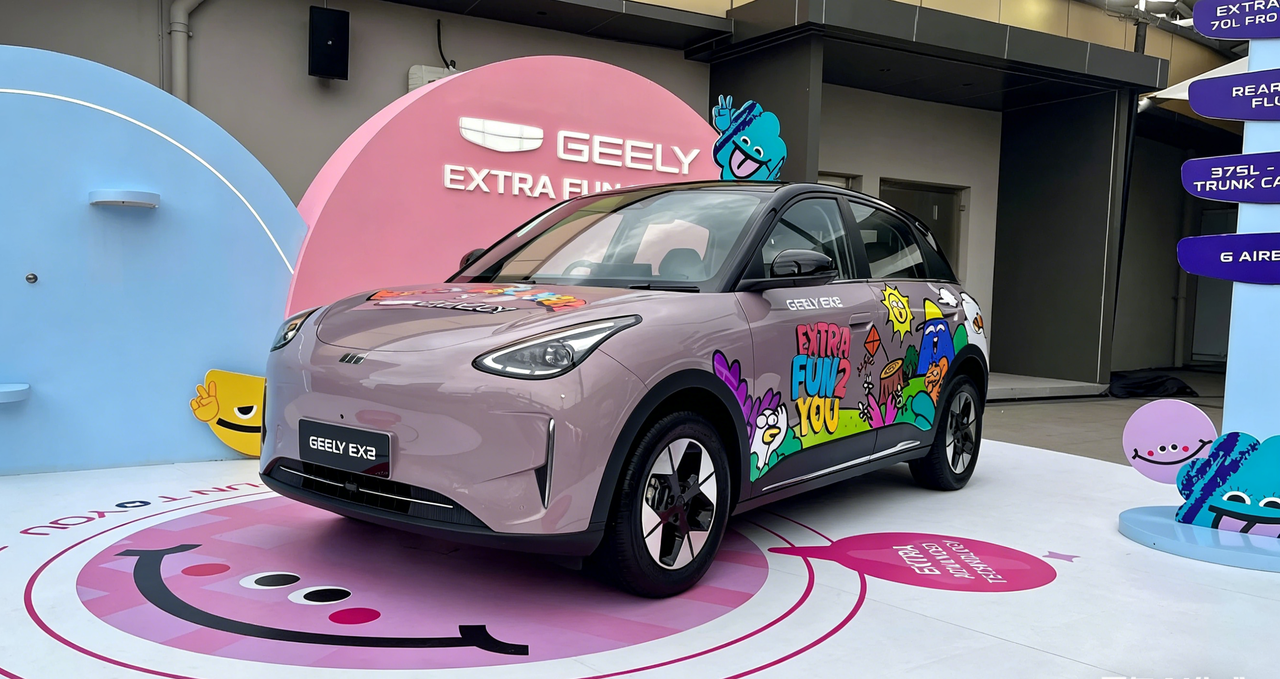
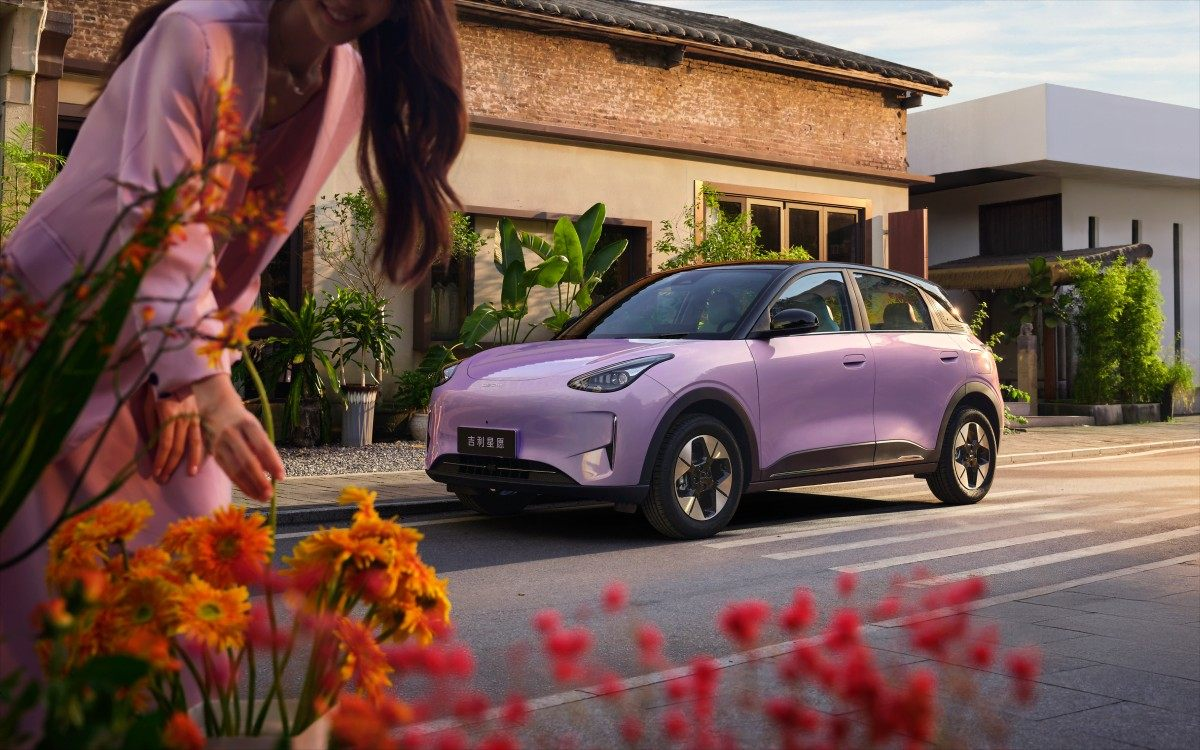
According to Spanish automotive outlet La Tribuna de Automoción, Geely has reached an agreement with Ford to acquire the Body 3 assembly line at Ford’s Almussafes plant in Valencia, Spain. Ford’s Almussafes plant in Valencia, Spain The production line was previously used to manufacture models such as the Mondeo and S-Max, and is currently idle. If the deal is finalized, Geely would gain the capability to independently carry out complete vehicle manufacturing in Europe. Under current plans, the line will be used to produce a new model based on Geely’s GEA (Global Intelligent New Energy Architecture). This platform has already been deployed in models such as the Galaxy A7 and E5, and supports multiple powertrain configurations. Details on the specific model remain limited. Overseas media speculate that it could correspond to the Geely Xingyuan (EX2), positioned as a compact SUV with multi-energy adaptability. Geely EX2 (marketed as Xingyuan in China) The report also noted that Ford may develop a new model based on Geely’s GEA platform, potentially as a successor to the Puma. This suggests that the two companies may not only share production capacity but also explore collaboration at the platform level. This development aligns with earlier market reports. In February, Reuters indicated that Geely and Ford were in discussions regarding cooperation in European manufacturing and autonomous driving technologies. If cooperation proceeds, the Almussafes plant could return to pre-pandemic production levels, when it manufactured five models with annual output exceeding 300,000 units. Geely Xingyuan For Geely, the move is supported by its growing scale. In the first quarter of 2026, the company recorded sales of 709,000 units, with market share rising to 11.95%. Export volume reached 203,000 units, up 126% year-on-year. During the same period, Geely reported revenue of RMB 83.8 billion ($12.25 billion), up 15% year-on-year. However, due to foreign exchange fluctuations, net profit attributable to shareholders fell 27% year-on-year to RMB 4.166 billion ($609 million).

















 +17 others