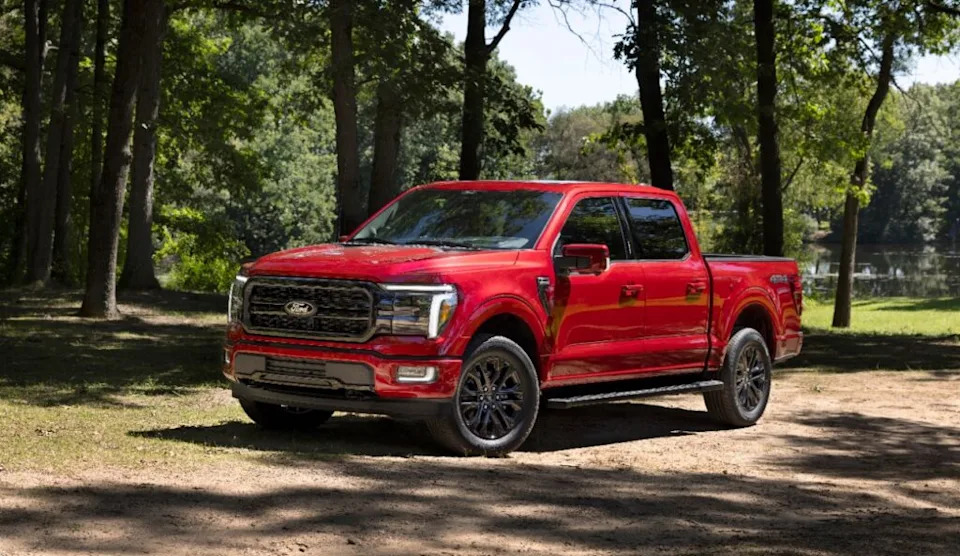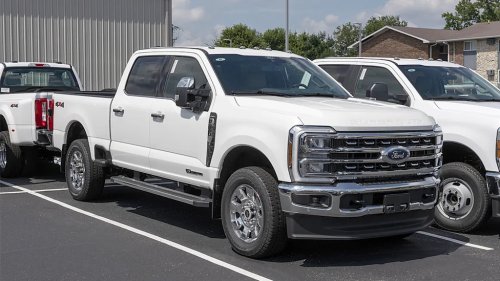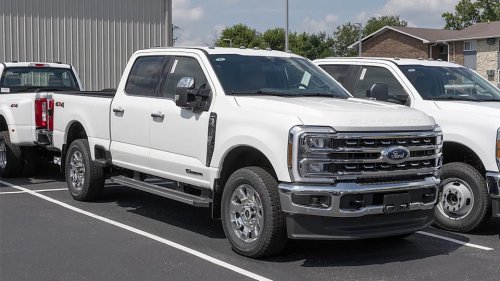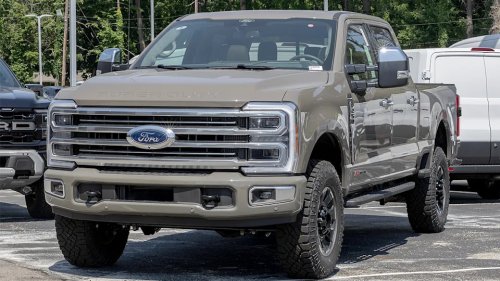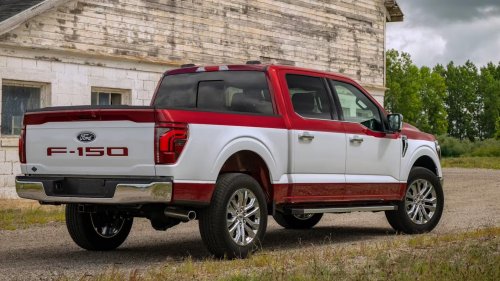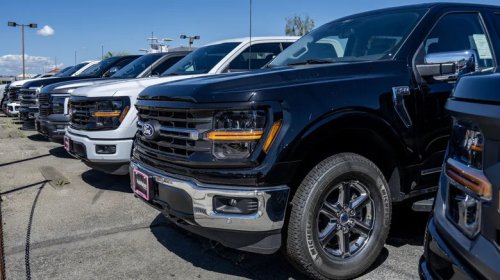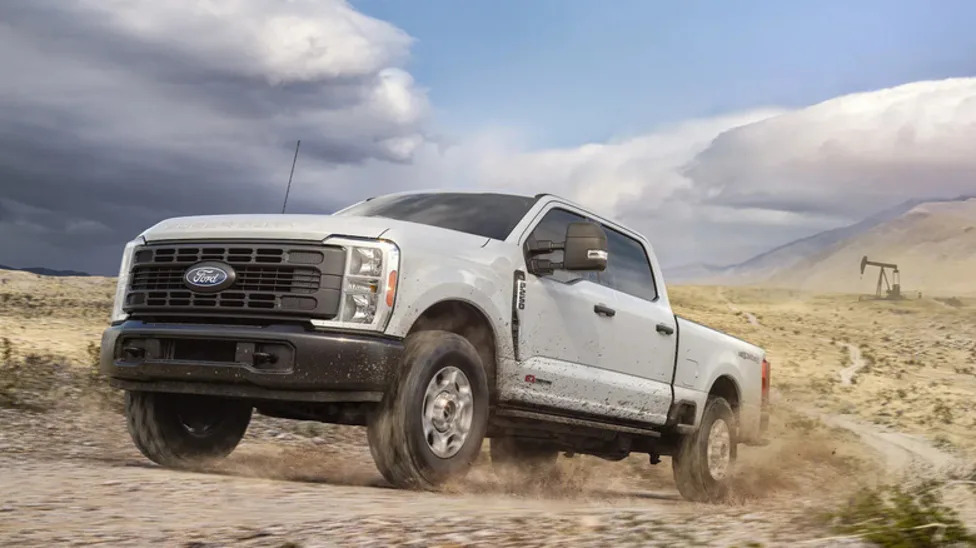
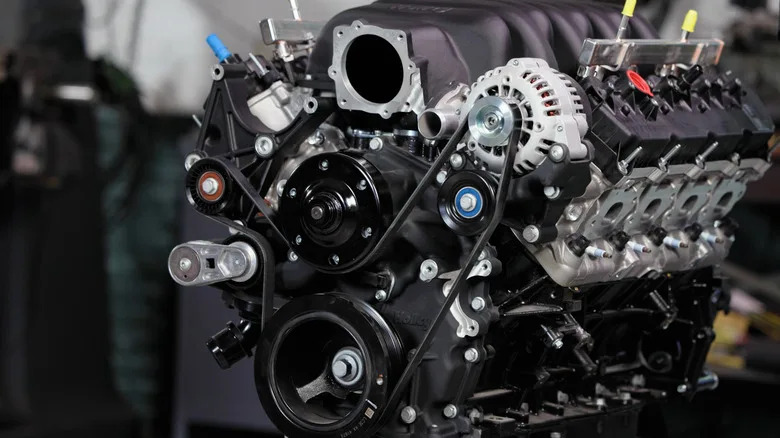
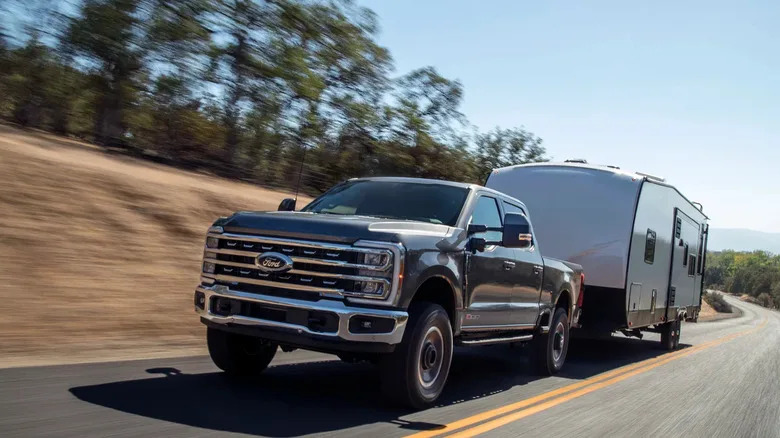



















Why Is Ford's 7.3-Liter Godzilla Crate Engine So Reliable?SlashGearMadeline CuccioSat, September 12, 2026 at 10:45 AM UTCAdd us on GoogleFordReliability is a complex science when you're talking about automotive engines. Despite the technology being mature, it's still an incredibly involved process. Engines are basically well-synchronized dance routines between two halves — the bottom end with the pistons and crankshaft, and the top end with the valvetrain. There are dozens upon dozens of failure points everywhere you look, and it's only made worse by the recent trend of downsizing these engines.There's a saying, "There ain't no replacement for displacement". Well, there is. It's called forced induction. Companies are swapping out their big, inefficient V8s for turbo V6s in trucks, which isn't a bad idea on paper. It worked in the 1980s following the Malaise Era, after all, and today gas prices are on everyone's minds. Apparently Ford didn't get that memo, though, because instead of going smaller, the Blue Oval built a truly monstrous, rugged, and simple V8.The 7.3L Godzilla V8 is a modern-day equivalent to something like the Ford 300 — a basic workhorse with just enough power to be useful. Manufacturers (including Ford, mind you) often tout torque figures approaching or exceeding 1,000 lb/ft in big, complex turbo diesels, which is great if you're towing a lot over long distances. The 7.3 steps in the opposite direction; it's a gasoline engine that functions the same as, say, a farm truck from the 1970s. Granted, it's not perfect — Ford is the undisputed champion of recalls, and this engine is no exception. But it's also a breath of fresh air for owners looking for a good, honest work truck. How did Ford do it, though? Let's have a look under the hood.AdvertisementAdvertisementRead more: Why Is Ford's Modular 4.6-Liter 2-Valve V8 Engine So Reliable?What is the 7.3L Godzilla?Hemmings / YouTubeFirst things first, what are the Godzilla's specs, and what is it used for? As mentioned before, it's a gasoline V8 engine used exclusively in work-oriented trucks, namely the Super Duty F-250 through to the F-550 and E-350 models. That's a similar showing to the older 7.3 Power Stroke, which it coincidentally shares its displacement with. That engine is considered one of the best ever pickup truck diesels. That displacement is 445 oversquare cubic inches, so the piston is wide while the crank throw is shallow. The block itself is iron with aluminum heads, along with hypereutectic cast aluminum alloy pistons. It's a traditional pushrod OHV design like most classic muscle cars. Overall, nothing too complicated, and that's the point.Ford intended the Godzilla and its numerous variants to replace the outgoing Modular V10 in 2020, citing it as best in class for power figures against the likes of Ram's 6.4 Hemi and GM's 6.6 V8. And powerful it is, to the tune of 430 hp at 5500 RPM and 475 lb/ft torque at 4000 RPM when the engine debuted. The power's periodically jumped around since then, but it generally hovers around there unless you spring for the Megazilla crate engine, producing a cool 612 hp and 670 lb/ft torque.In keeping with the running theme of simplicity, the 7.3 Godzilla and Megazilla are both naturally-aspirated, so no turbo or supercharger here; it relies upon its variable valve timing and sheer, brute displacement for those power figures. Ford billed it as a relatively universal workhorse engine, favoring durability and ease of maintenance alongside the more capability-focused Power Stroke.Why it's so goodFordThe key here is failure points. Having an engine with less stuff that can go wrong is the first step toward durability. That isn't to say that a twin-turbo V6 is automatically unreliable because it's complicated; Nissan ran its 3.5L V6 at full-throttle for 100 hours straight without incident. The classic 7.3 Power Stroke understood this in spades, cementing a bulletproof reputation and leaving some mighty big shoes to fill. Luckily, Godzilla apparently has a big enough shoe size, because the new engine seemingly carries that legacy onward; owners have already reported hundreds of thousands of trouble-free miles while hauling campers and cargo alike.AdvertisementAdvertisementThe nice thing about pushrod V8s is that they've been around for nearly a century; Ford itself pioneered early developments with the flathead way back in 1932. The Godzilla also follows the equally venerable Modular, used in everything from Mustangs to Super Duties. In other words, Ford knows what works and what doesn't when it comes to V8s by now, so making a simple, overbuilt block for long-term commercial use is just a continuation of that lineage.That said, it's not perfect, but no engine is. Pick any engine, and it'll have problems within the first few years. Godzilla's include lifter and cam failure, occasional rough idling, and wiring harness bugs. Also, don't expect to get anywhere approaching 20 MPG unless you drop it out of an airplane. But in a thirsty, gas-powered V8 in a full-size pickup, that's a feature, not a bug.Want the latest in tech and auto trends? Subscribe to our free newsletter for the latest headlines, expert guides, and how-to tips, one email at a time. You can also add us as a preferred search source on Google.Read the original article on SlashGear.