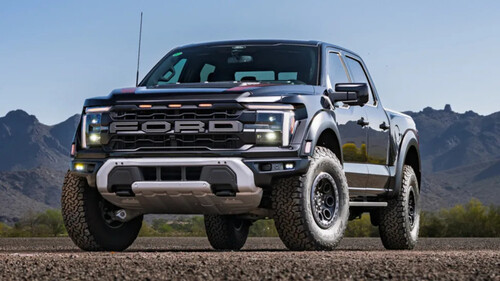
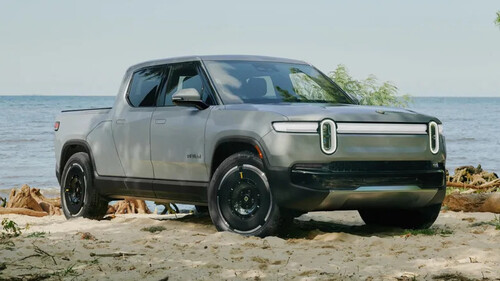
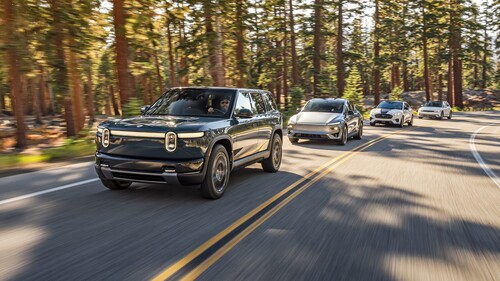
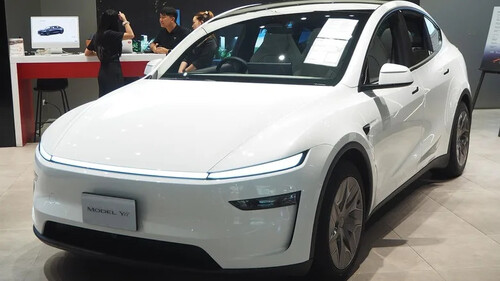
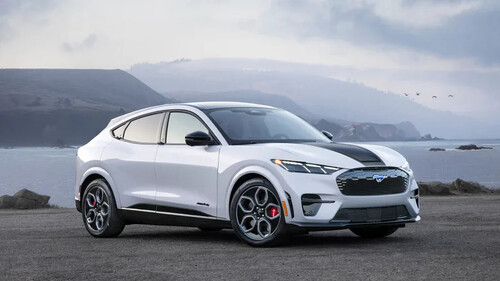
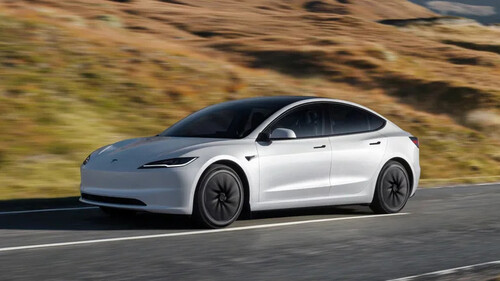
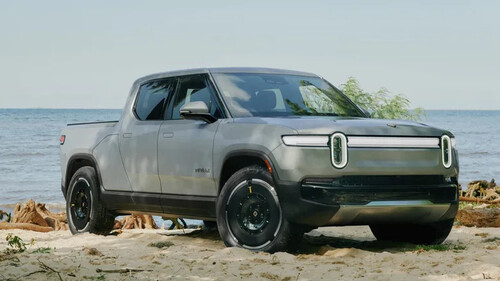
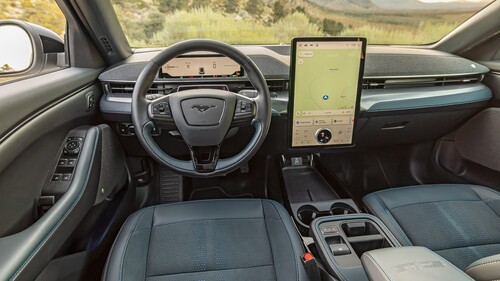
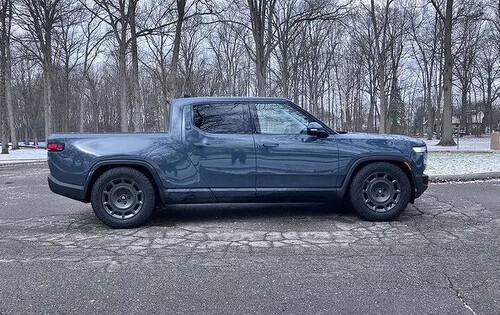
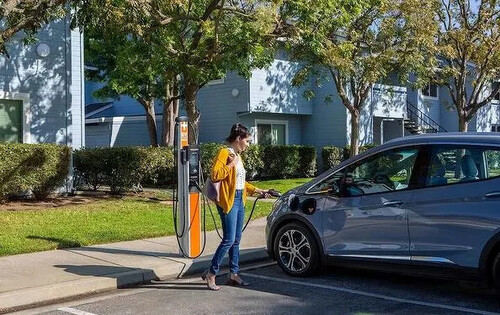
The Ford Motor Company really wasn’t kidding around when it teased a new LFP battery last year, aimed at reducing the up-front cost of an EV down to mass-market level. That’s a tough row to hoe considering the current state of federal decarbonization policy, but the company has a plan and a new factory up its sleeve, too. The New LFP Battery Is Coming…With Jobs, Jobs, And More Jobs Ford, of course, is not alone in the effort to reduce the up-front cost of EVs. Rival EV maker Rivian has been making some big moves this spring, having somehow managed to nail down a gigantic Energy Department loan towards the construction of its new factory in Georgia. Rivian has also affirmed plans to grab a slice of the forthcoming affordable EV market, and it recently joined the ChargeScape collaboration, an auto industry venture that makes it easier for EV drivers to hook up with utility discounts when charging up. What Rivian doesn’t have at the present time is a fresh wave of hiring. As is common in the auto industry (Ford included), Rivian has gone through layoff periods, including one in 2023 when it refocused its efforts on reducing battery costs. In the latest news, word dropped that the company has laid off several hundred workers, or about 2% of its current workforce. That round follows a cut of 4.5% last October. The hiring could bounce right back again once the company begins selling its much-anticipated, mid-sized R2 SUV to budget-conscious drivers. On the plus side, Rivian has earned a good reputation in the pureplay EV maker field, helping to set it apart from other automakers with political, social, and ethical baggage to carry. In the meantime, Ford is busy drawing attention to the hiring spree at its BlueOval Battery Park in Michigan. “We have welcomed more than 500 employees to BlueOval Battery Park Michigan so far, and we plan to reach 800 by the end of the year as we continue toward our goal of 1,700 American jobs,” Ford writer Scott Davis on June 17, referring to the hiring milestones to fulfill the manufacturing plan for its new LFP (lithium-iron-phosphate) EV batteries. Davis also notes that the hiring program is heavy on the workforce training and certification side, including exposure to electrochemistry, robotics, and software as well as machine operation and maintenance. In addition, Davis affirmed that Ford plans to ship the new batteries sometime this year. “These LFP prismatic batteries will power Ford’s affordable midsize electric truck, the first vehicle on Ford’s Universal EV Platform,” he added. The Return Of The Universal EV Platform And The Used Car Factor The staffing-up for LFP battery delivery may come as a surprise to anyone who gave up on Ford’s EV journey last year. After all, the company did unveil the new Universal EV Platform in August to much fanfare, only to roll back its EV manufacturing plans shortly after US President Donald Trump and his Republican allies in Congress killed off the $7,500 federal EV tax credit. Nevertheless, back in 2021 Ford began dropping hints that an affordable EV was in the works, and by 2024 the company was teasing word of an independent, soup-to-nuts “skunkworks” project aimed at bringing the up-front price of EVs down to parity with conventional cars. The Universal EV Platform is the centerpiece of the effort, with an LFP battery adding to the affordability factor. Gasmobiles are not the only target. When Ford unveiled the UEVP last August, the automaker also proclaimed that its forthcoming affordable EV will beat the cost of owning a three-year-old used Tesla Model Y — yes, that’s used — over a a five-year period. The mano-a-mano against leased Model Y’s is significant because auto industry observers have predicted — correctly — that a surge in off-lease EVs will help EV sales rebound after the tax credit catastrophe last fall. With that Model Y cost comparison, Ford clearly aims to pick off some Tesla drivers looking for a new, unencumbered electric mobility experience. The LFP Battery Difference CleanTechnica has spilled much ink on the LFP battery of the future over the years. In contrast to conventional lithium-based EV battery formulas, LFP offers the advantages of lower cost, longer life, and enhanced safety along with the avoidance of supply chain issues involving cobalt among other inputs. There being no such thing as a free lunch, an LFP battery typically takes up more space and weighs more, because they are less energy dense. That leads to a balancing act between size, weight, and battery range. In years past, the “range anxiety” bugaboo helped motivate EV makers to focus more attention on range, resulting in EVs at the pricier end of the spectrum. Ford is among those now focusing on cost, and LFP is the ticket. If you caught that thing about a “prismatic” LFP battery, that’s the key to boosting LFP into the mobility market. Prismatic is fancyspeak for rectangular EV battery cells, distinguishing them from the familiar cylindrical and pouch-type shapes. The latter two shapes were first to emerge on the EV scene, and the spaces between the cells helped reduce the risk of overheating. An LFP battery has fire safety built into its formula, complementing the prismatic architecture, which in turn helps to raise energy density while lowering costs. Another Energy Department Loan Rises From The Ashes Rounding out the news from Ford is the company’s new Ford Energy division. Last year Ford dissolved its EV battery partnership with the Korean firm SK On, only to launch the new Ford Energy branch into the red-hot market for stationary BESS (battery energy storage systems). Meanwhile, the breakup with SK On impacted the company’s eligibility for a gigantic Biden-era EV battery loan from the US Department of Energy under the Advanced Technology Vehicles Manufacturing program. The loan did not entirely evaporate, though. Last month the news organization Ford Authority reported that the Trump administration assigned a $4 billion loan to support Ford’snew BESS venture, located in Kentucky. In a not-so-coincidental coincidence, the stationary batteries will deploy an LFP formula. While not directly transferable to EV batteries, the BESS venture could provide Ford with some impactful economies of scale up and down the LFP supply chain, which could ripple into its EV battery plans. SK On is out of the picture, but Ford notes that the leading Chinese firm CATL is very much part of its LFP battery journey. Battery experts, drop a note in the discussion thread if you have any thoughts about that. Photo: What war on EVs? Ford is hiring hundreds of workers to manufacture a new LFP battery in the US, with an assist from the leading Chinese energy storage firm CATL (cropped, courtesy of Ford)