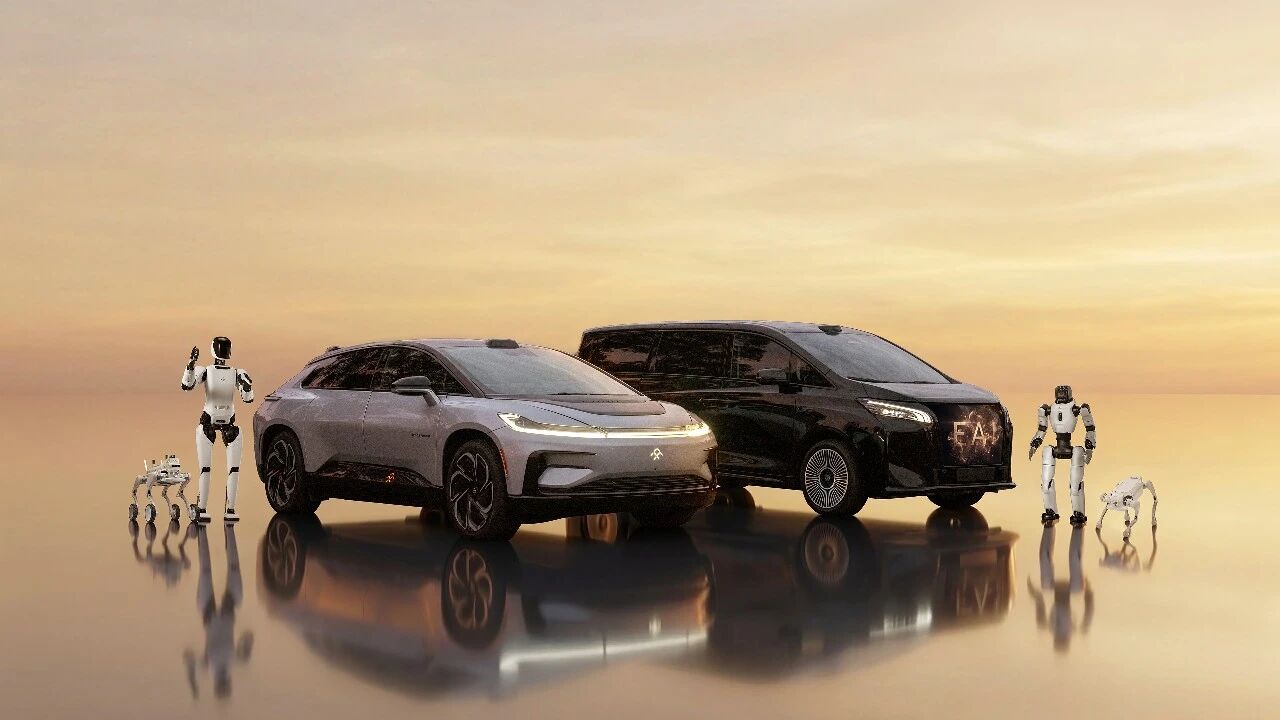
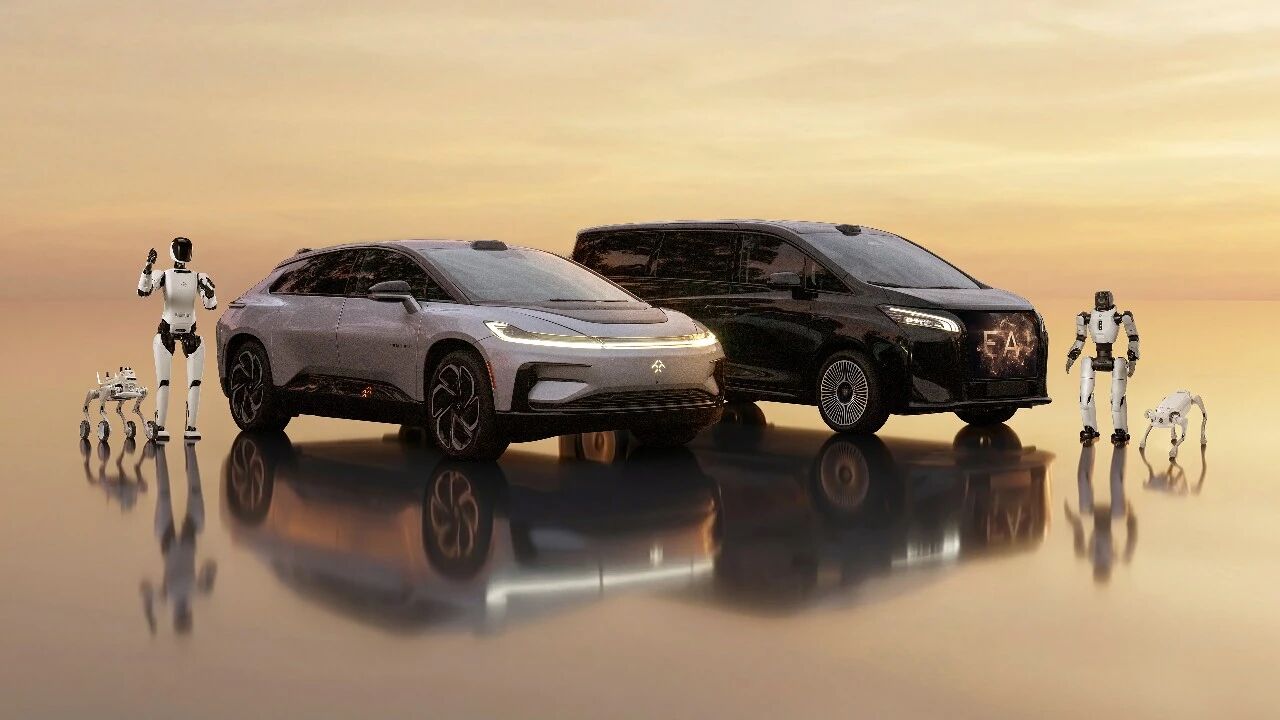
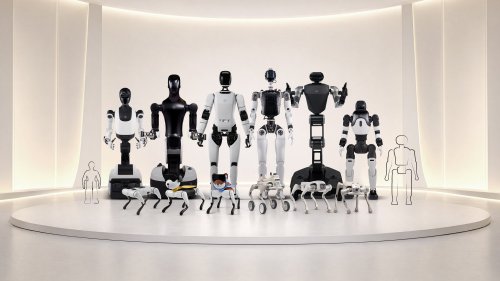
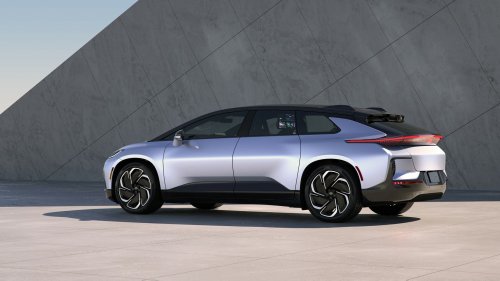
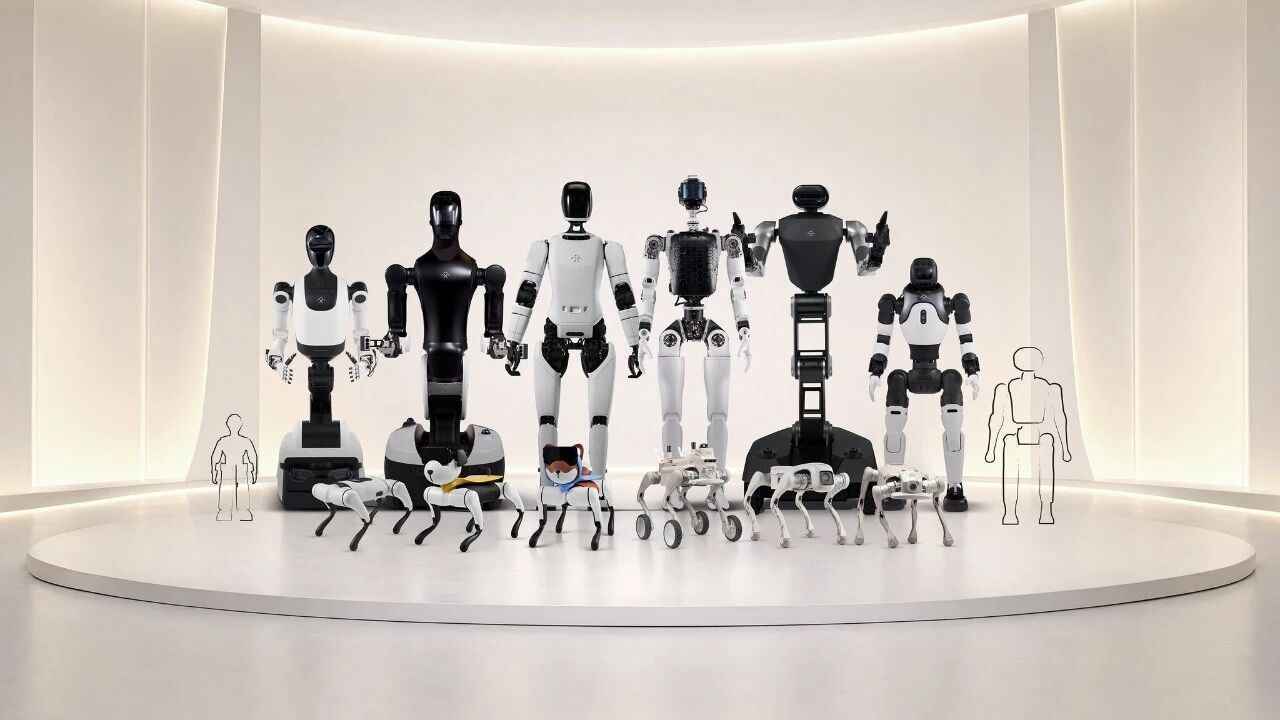
Gasgoo Munich- On May 7, 2026, Faraday Future (FF) announced plans to upgrade its FX Super One to an 800V pure-electric version or accelerate its AIHER hybrid project, while pausing cooperation on the original 400V model. The decision follows a strategic consensus with the company's bridge partners.Image Credit: Faraday FutureFF framed the move as a proactive optimization of its strategic execution. The shift to an 800V architecture—using a "high voltage, low current" approach—promises better range, faster charging, and improved powertrain efficiency over the original 400V plan, aligning more closely with long-distance travel demands in the U.S. Meanwhile, the AIHER hybrid technology, a world-first fusion of range-extended and hybrid systems, employs a "strong extended-range, weak hybrid" mode designed to address the cold-weather limitations of traditional hybrids.Under the latest roadmap, deliveries of the Super One 800V pure-electric model are slated to begin 6 to 9 months after securing sufficient strategic or long-term funding for mass production. Subsequent phases are targeted for 12 to 15 months and 21 to 24 months. The AIHER hybrid variant follows a slower track: first-phase deliveries are expected in 9 to 12 months, with the second and third phases targeted for 21 to 24 months and 24 to 28 months, respectively.FF acknowledged that while the shift alters the delivery timeline, it will reduce short-term cash burn and financial risks during a critical ramp-up period for its robotics business. The company also aims to avoid highly dilutive convertible debt financing to maximize shareholder value. Recently, FF secured $45 million in funding from U.S. mid-to-large institutional investors.On the robotics front, FF had shipped 68 EAI robots as of April 30, 2026, achieving positive gross margins on the units. The company targets a ramp-up to 200 units in May and expects cumulative shipments to exceed 1,000 units by year-end. FF is accelerating a "flywheel effect" through a "terminal-data-brain" evolutionary loop.