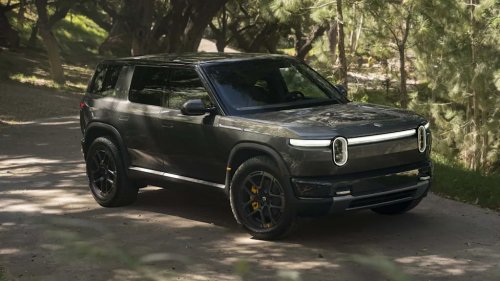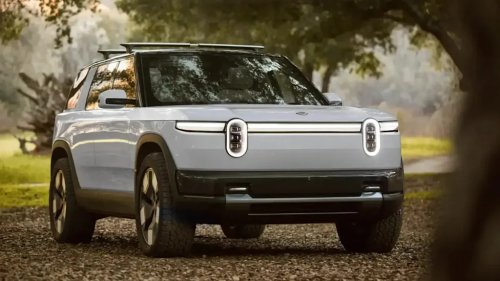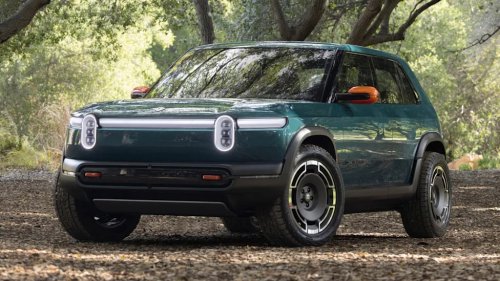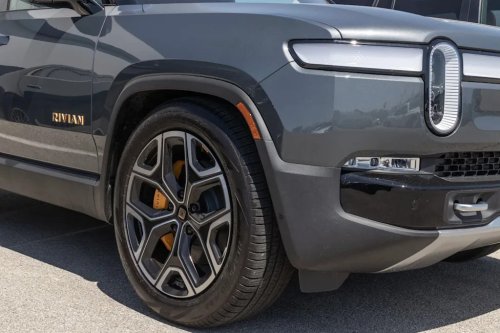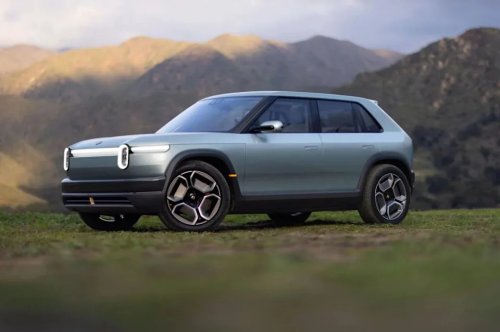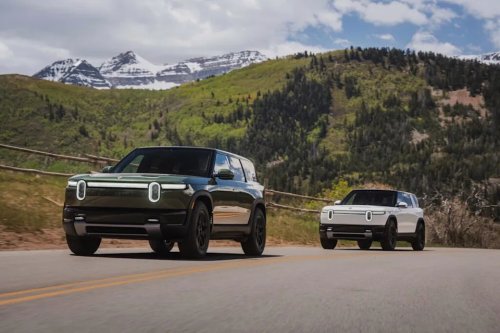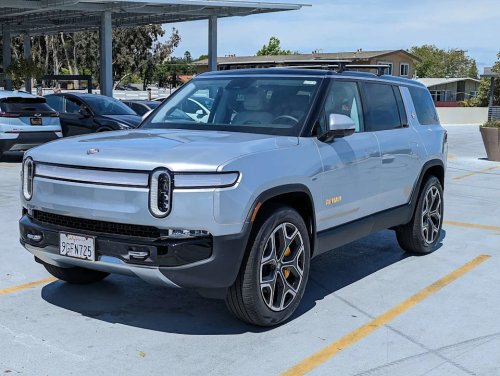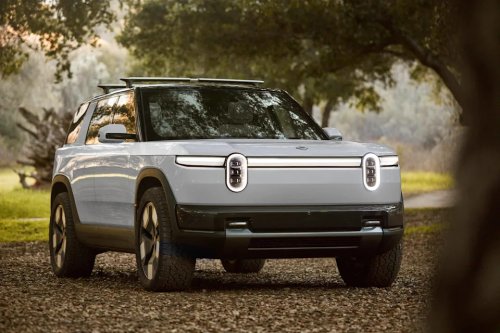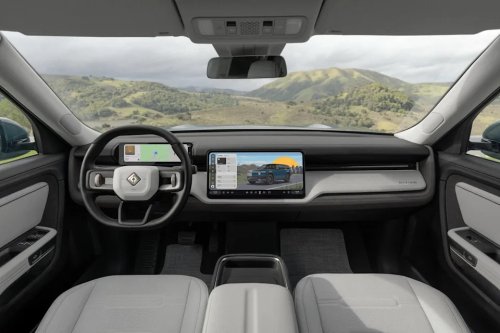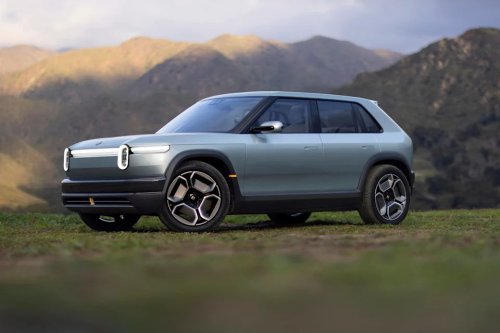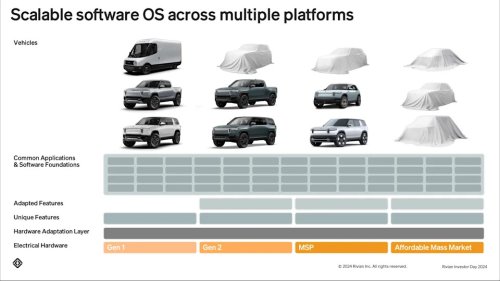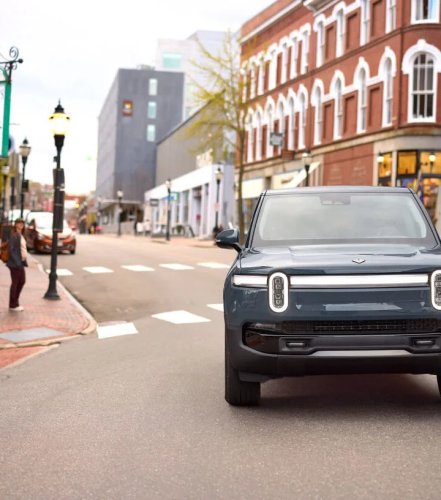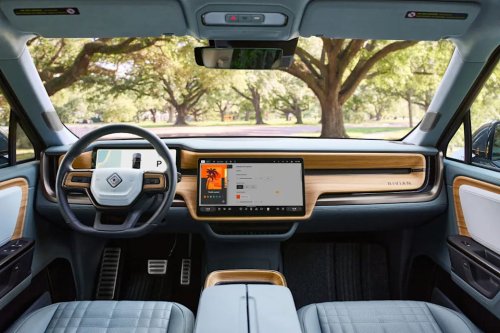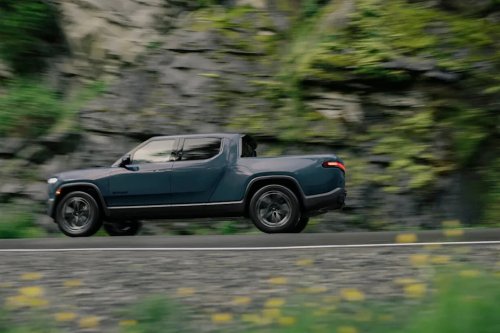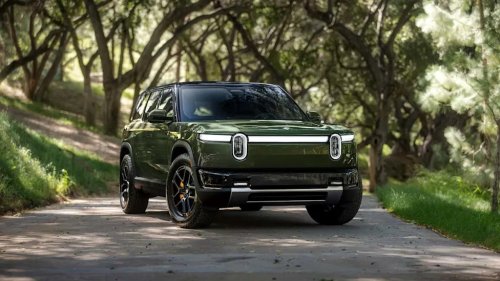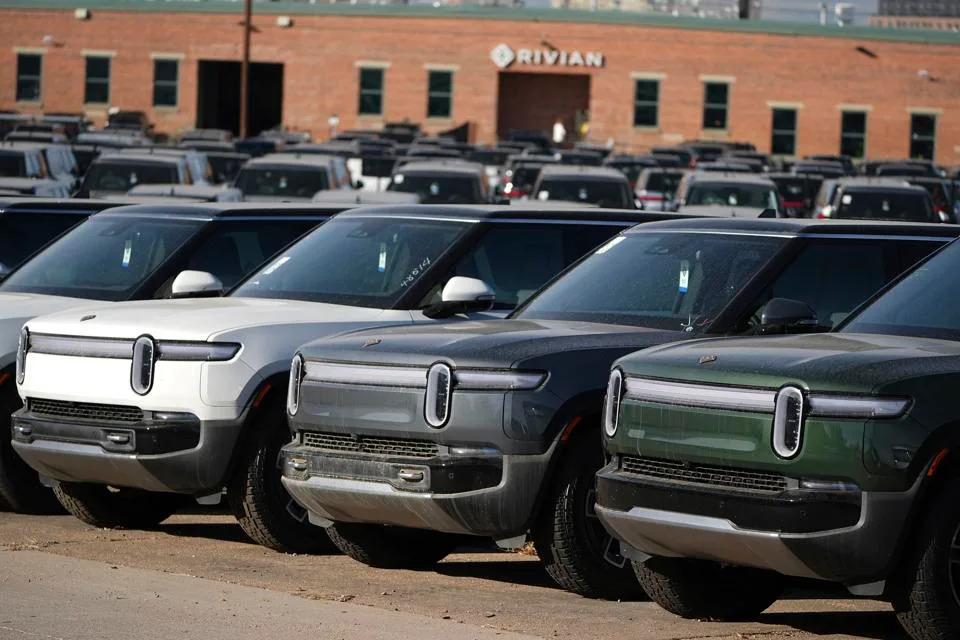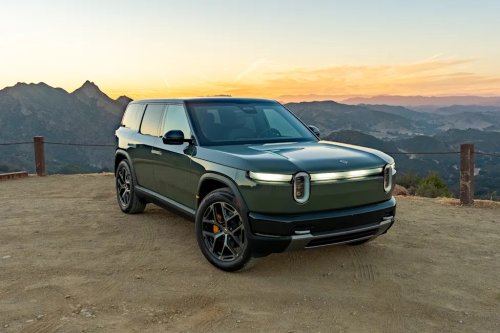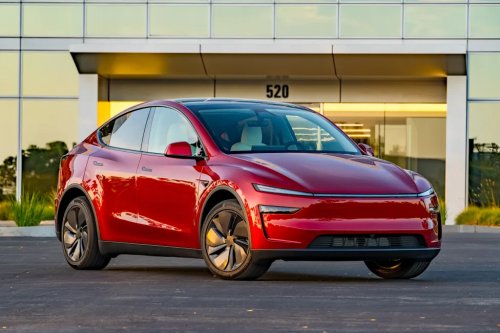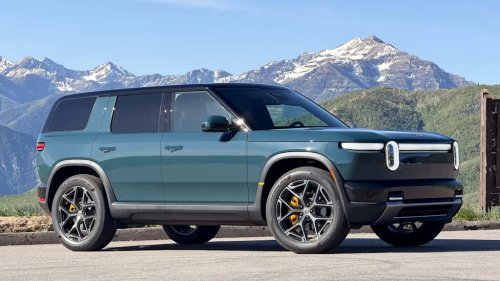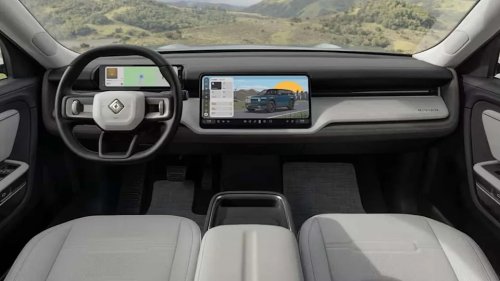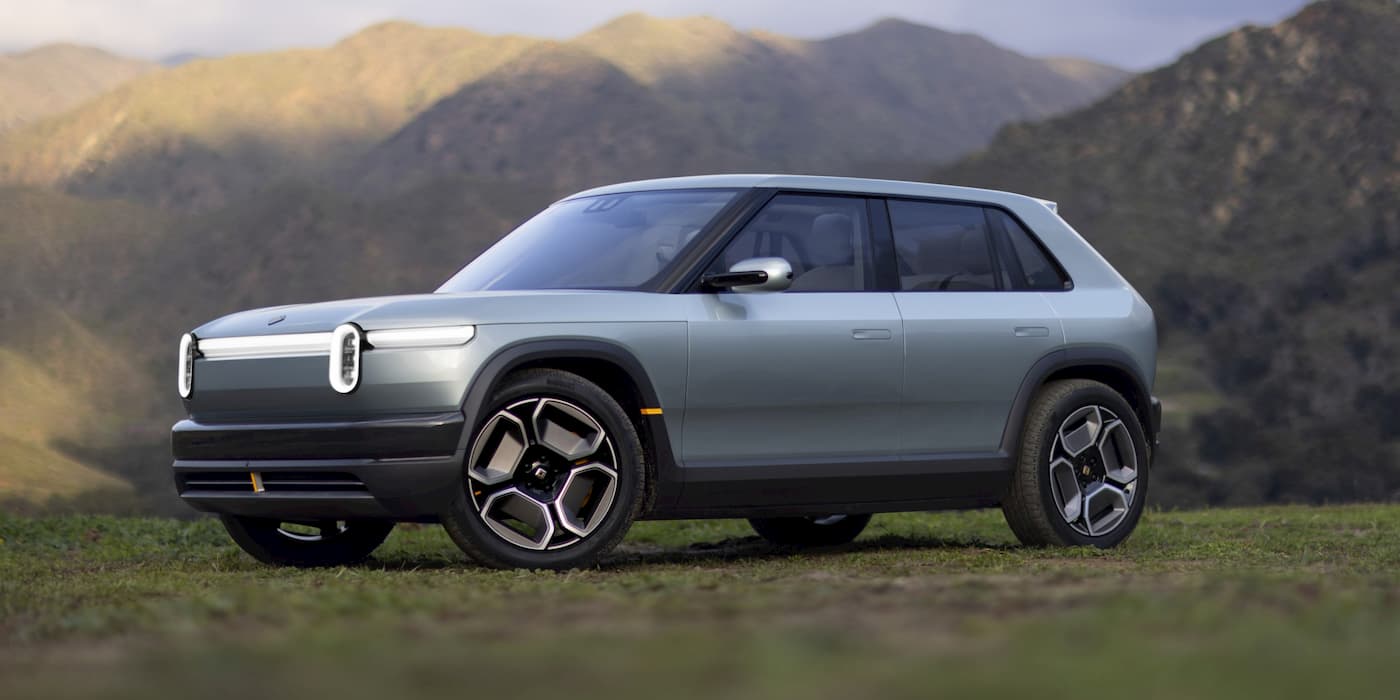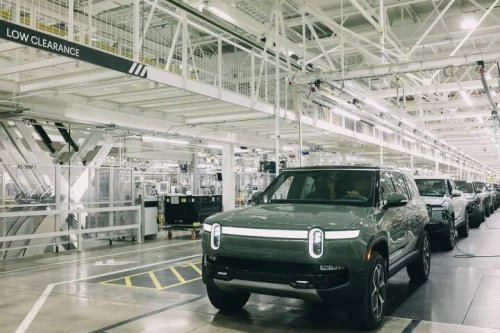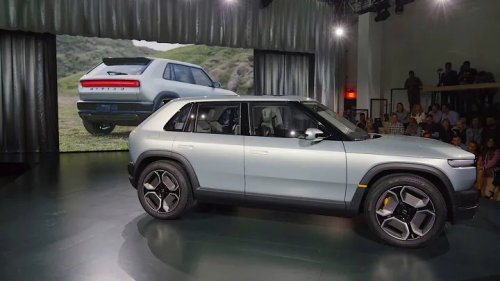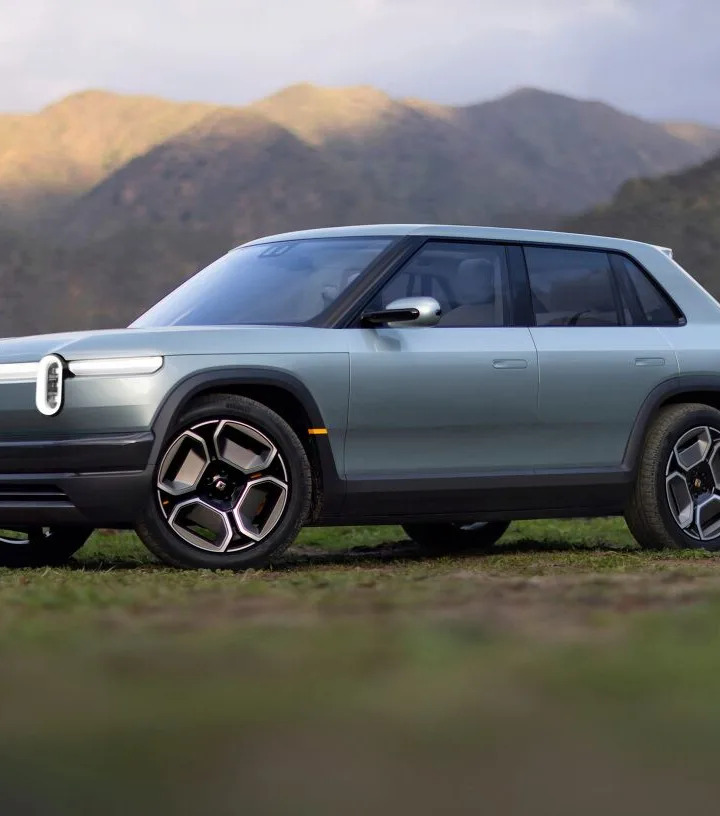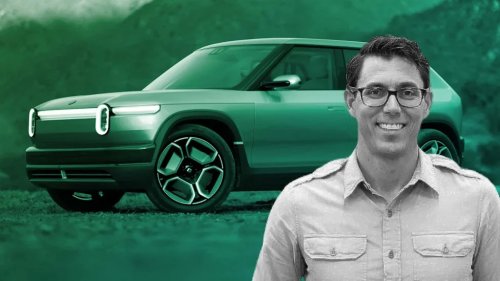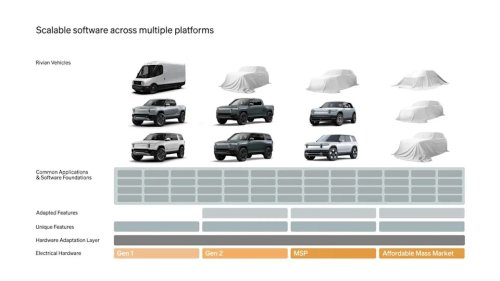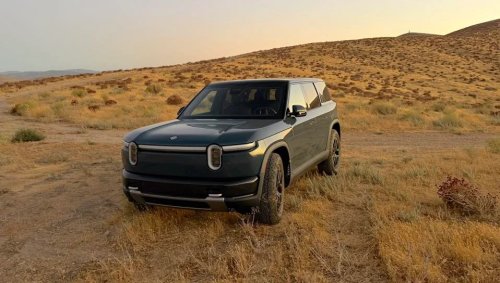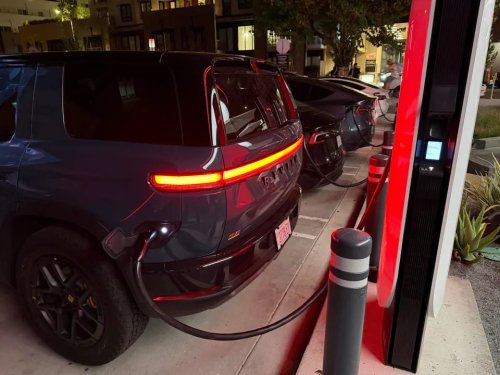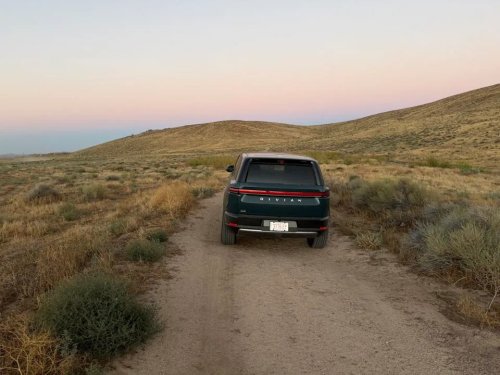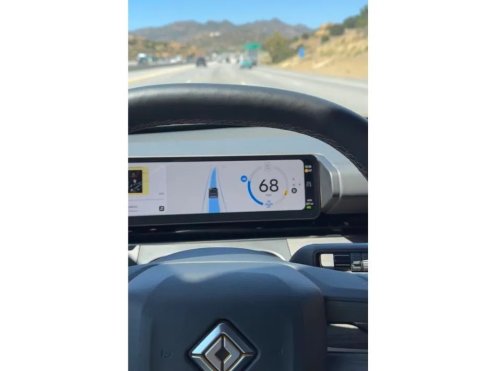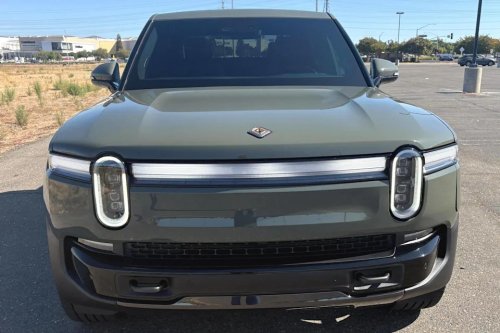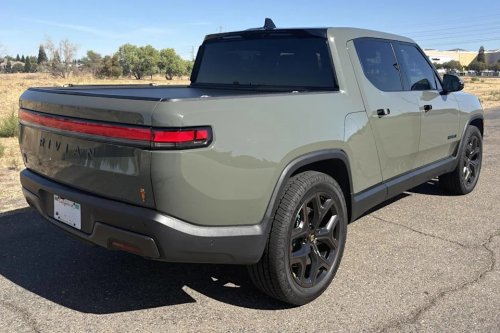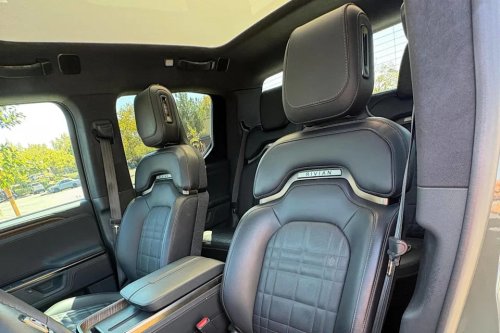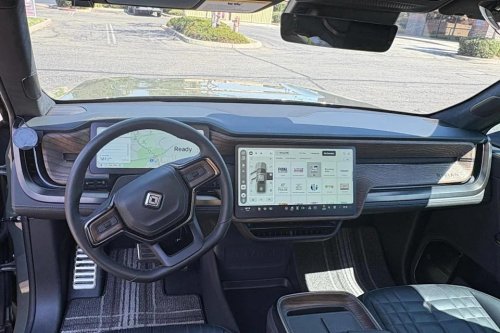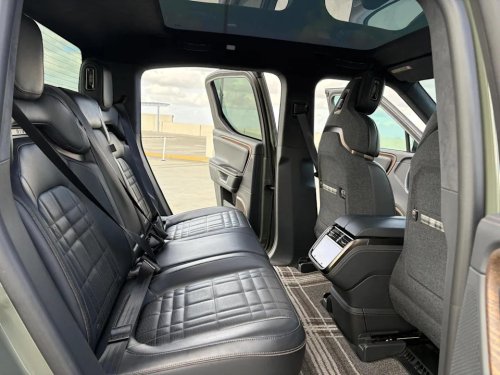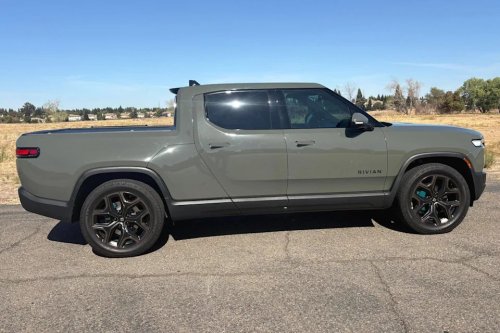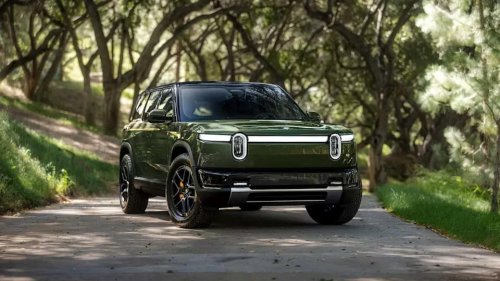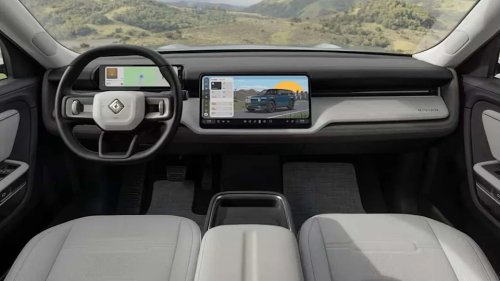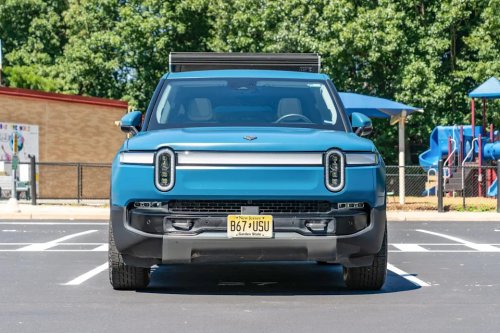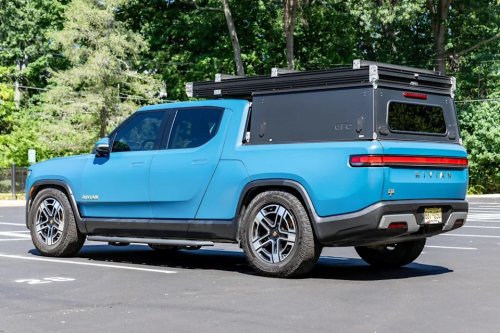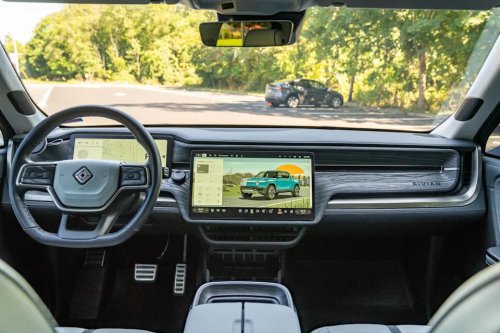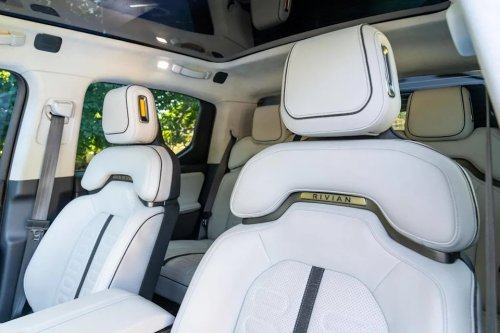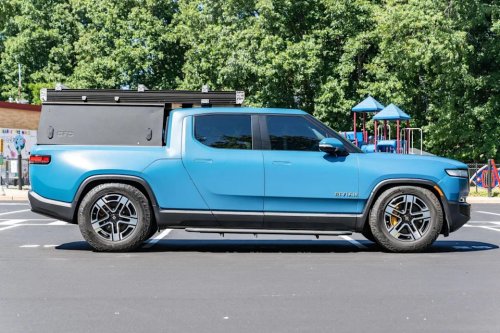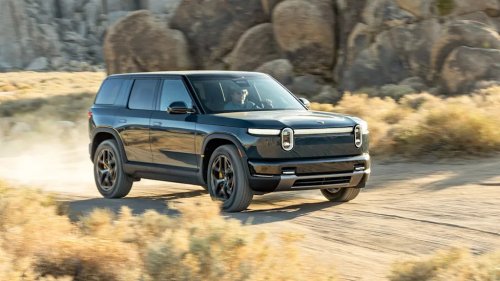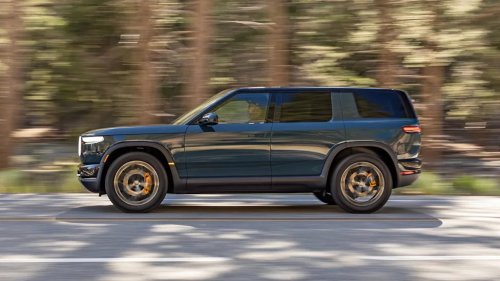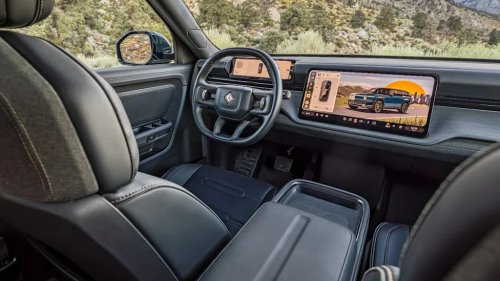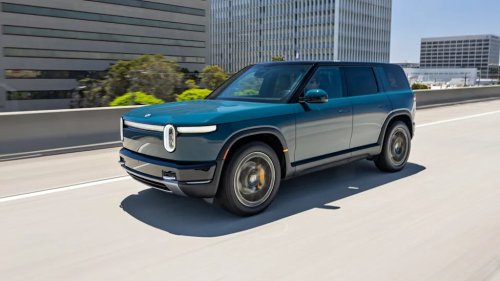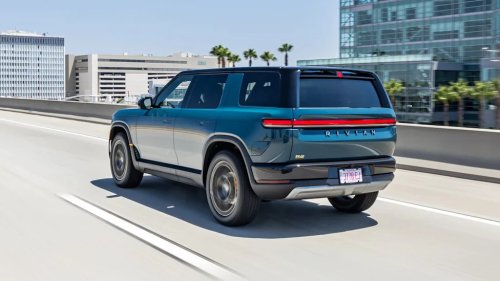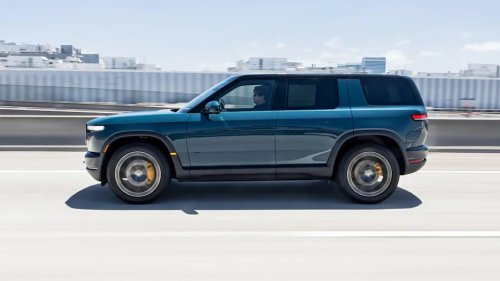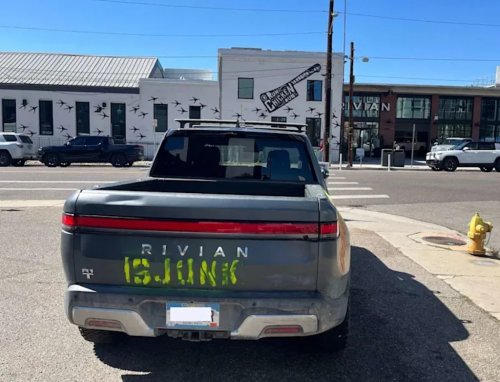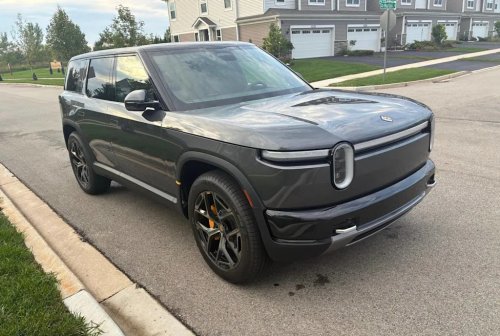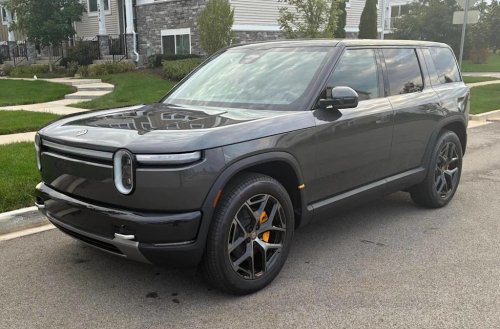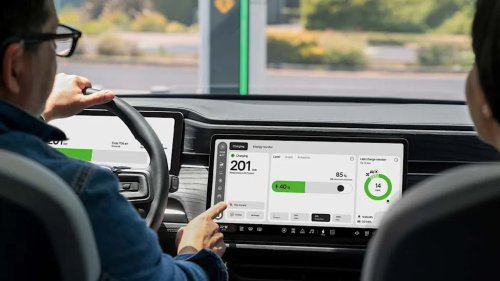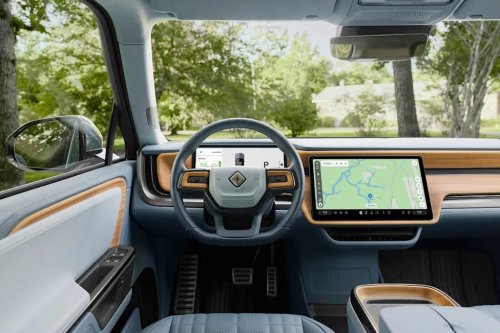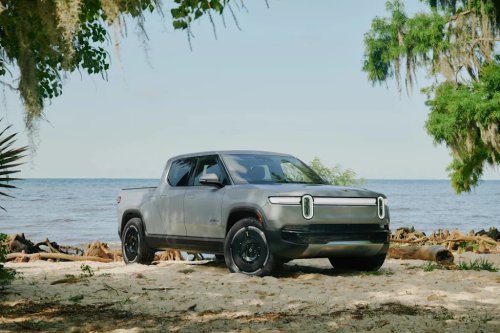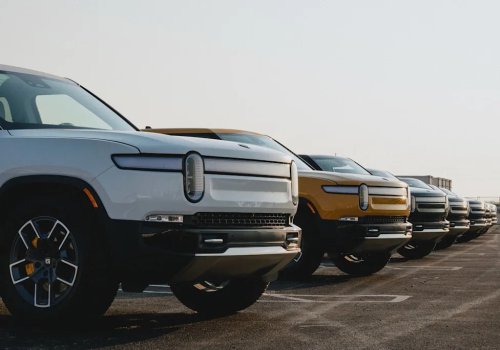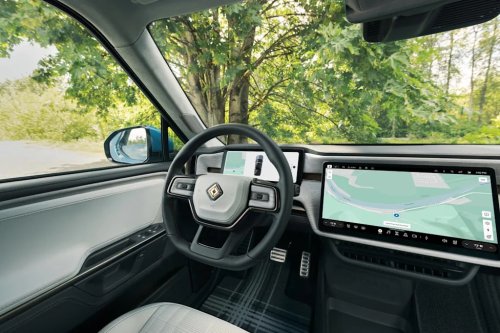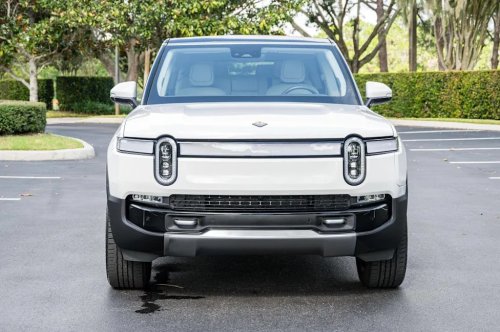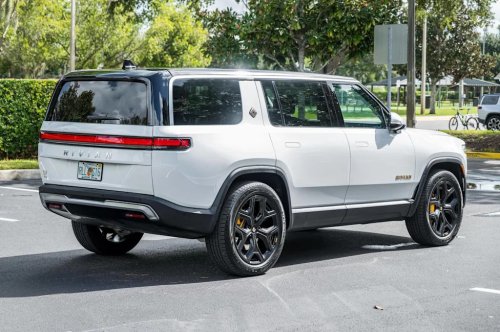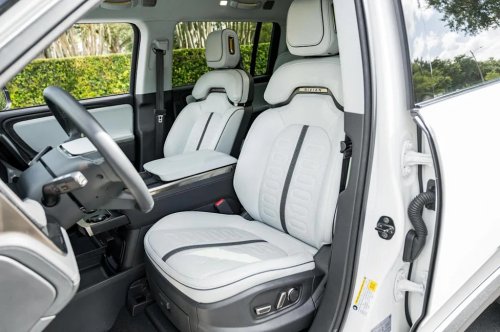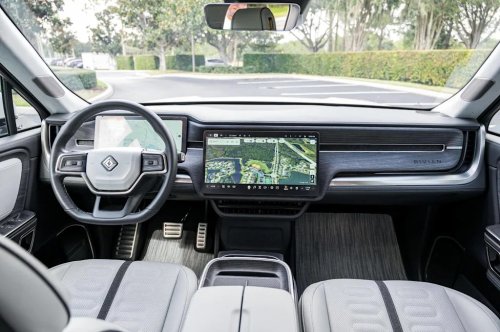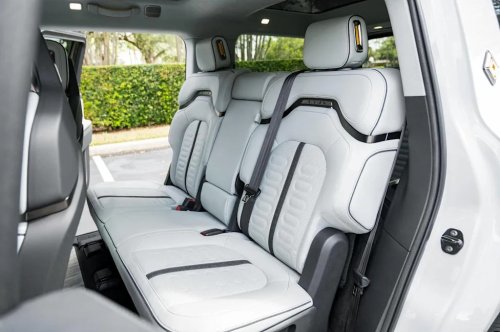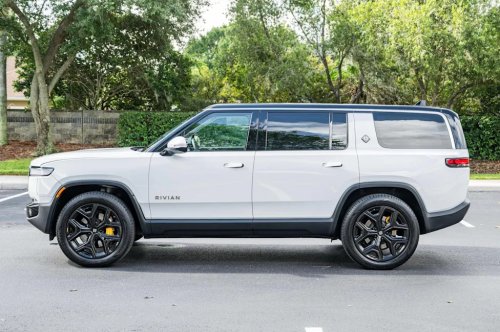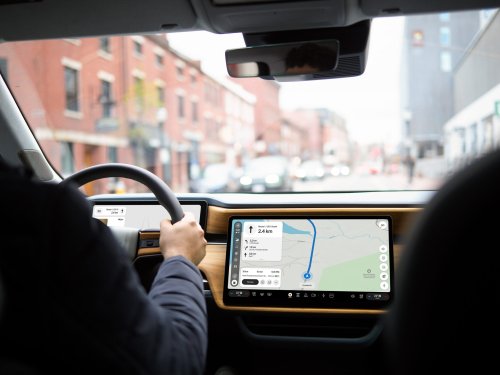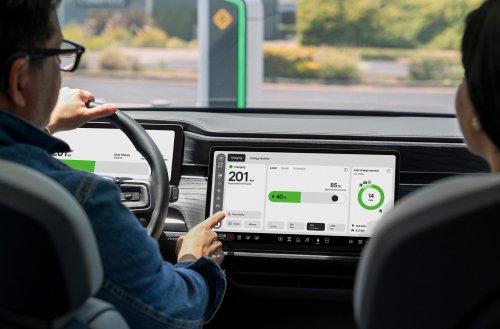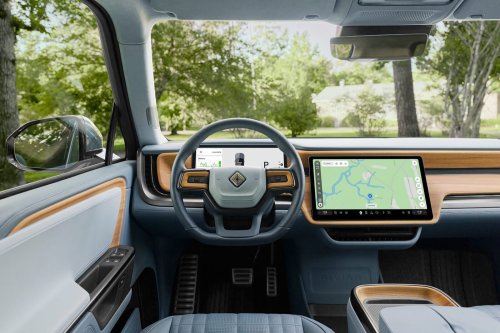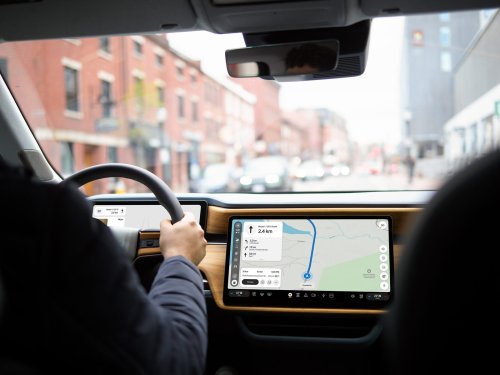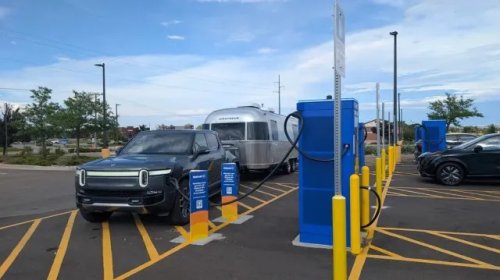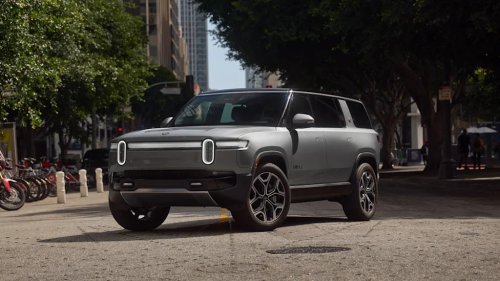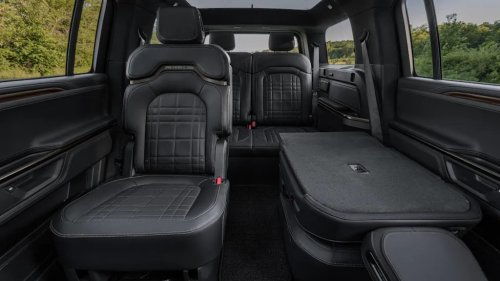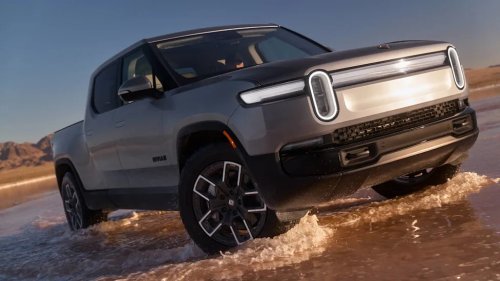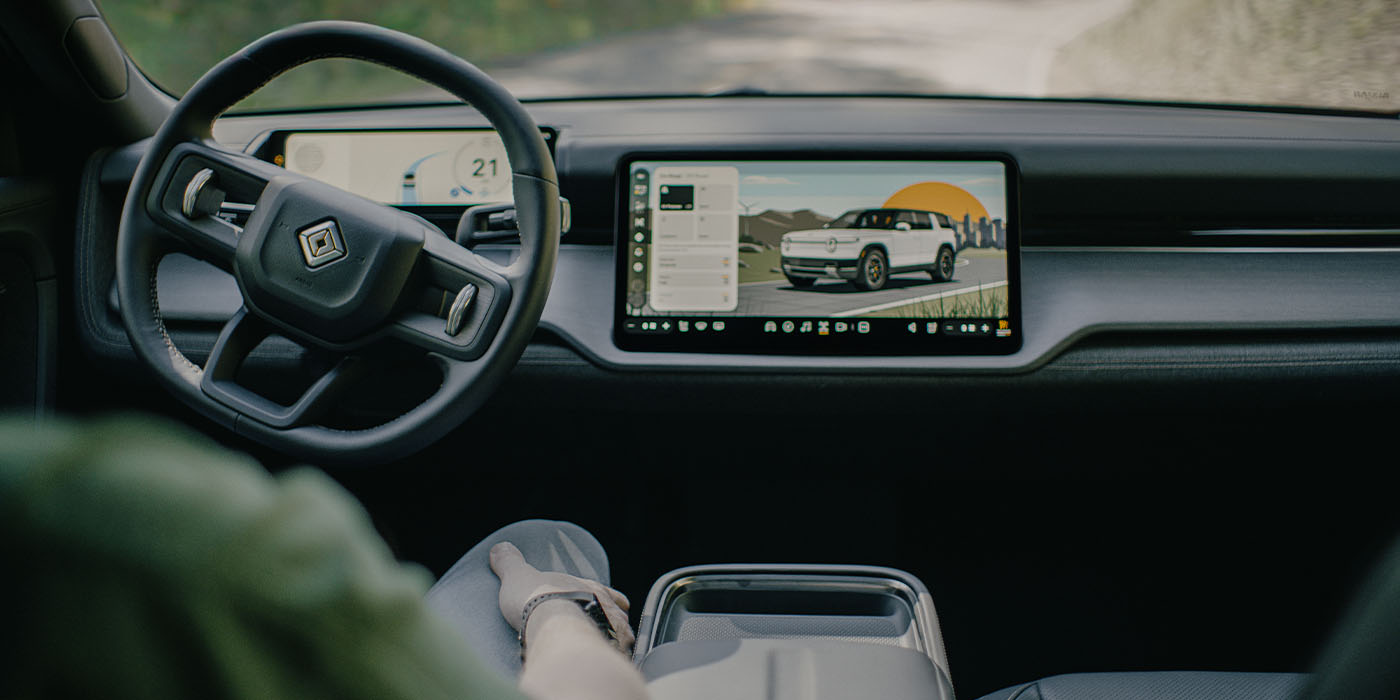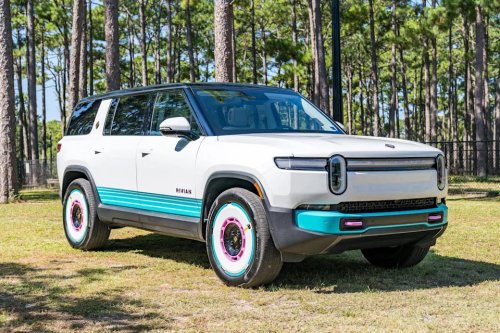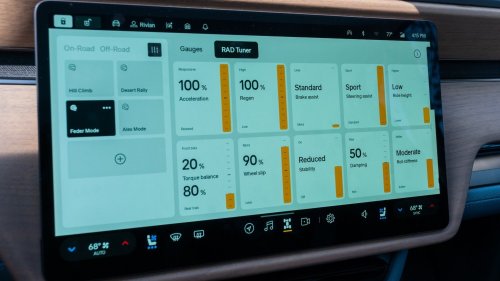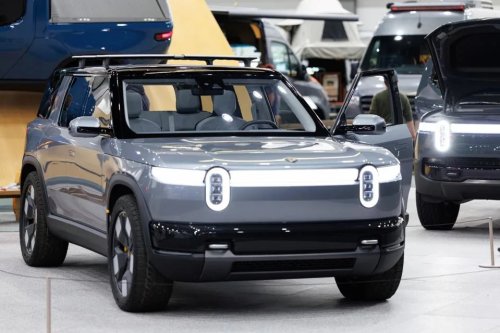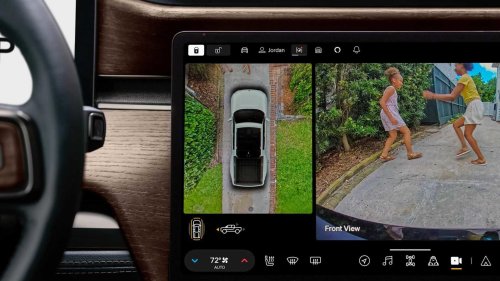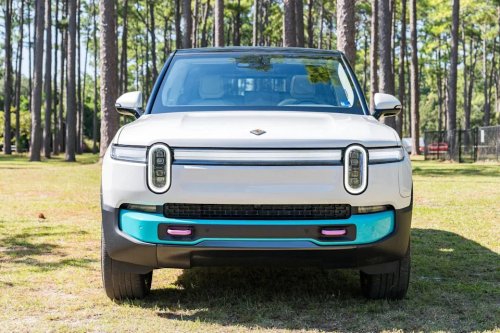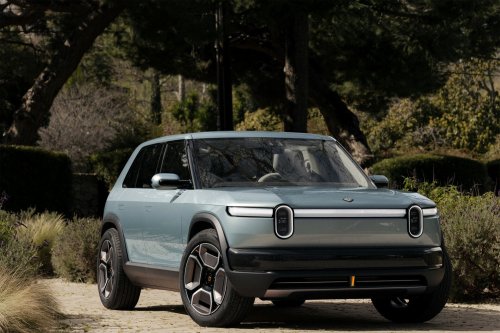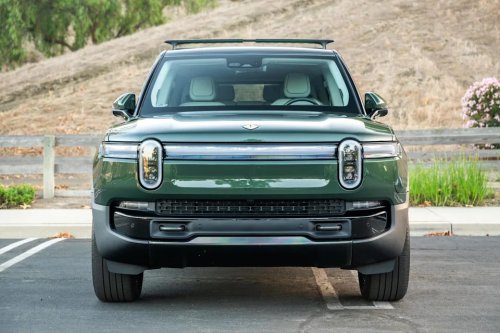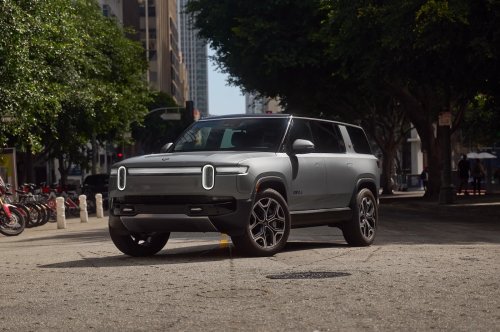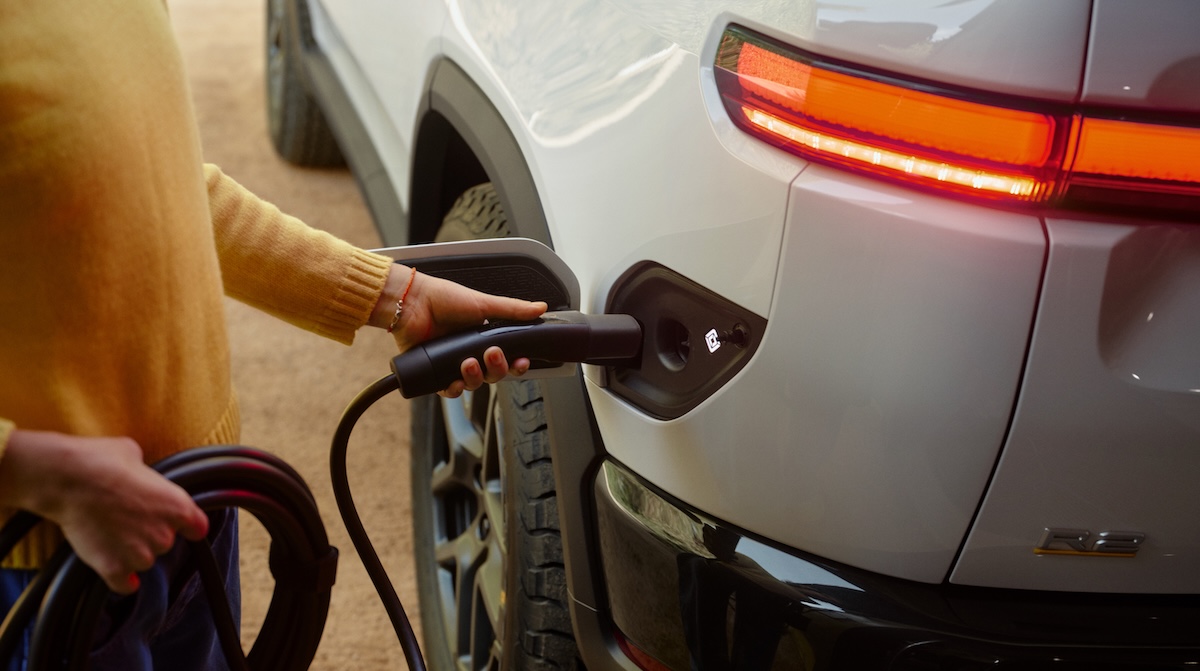



















The US startup Rivian just won’t take no for an answer. Despite the dismal state of affairs in the US market, the automaker aims to beat industry leader Tesla at its own game as a maker of premium 100% battery powered electric vehicles, with no hybrids or range extenders to pad the EV sales numbers. That’s going to be a tough row to hoe considering the current state of federal energy policy — but then again, maybe not. Rivan Makes Its Move(s) The premature expiration of the $7,500 federal tax credit demolished EV sales in the US after September 30, which was the drop-dead date for qualifying purchases. In accord with the switcheroo in federal tax policy, some automakers also pulled back on their formerly ambitious EV manufacturing plans. However, the damage was not nearly as catastrophic as feared, and Rivian is among the stalwarts readying themselves for a fresh wave of EV buyers to surface. In recent weeks, Rivian has announced volume production of the midsized R2 SUV, a more economical, mass-market version of its first SUV, the full-sized but rather pricey R1S. Rivian company also affirmed plans for launching two new affordable EVs into the mass market, the R3 and 3X. As for competing against Tesla, the timing is perfect, from the perspective of CleanTechnica. Federal energy policy aside, Rivian represents a fresh EV experience for the up-and-coming generation of EV-curious drivers. In contrast, Tesla is the EV of the early 2000’s. Outwardly, the curb appeal of a Tesla vehicle design hasn’t changed much since then. Drivers looking for something new and different can take their pick from Rivian, other startups, and legacy automakers that are free of the political and reputational baggage that encumbers Tesla (more about that here). EV Sales And The Public Charging Station Factor The timing is also ripe for Rivian on account of the EV charging situation. Millions of drivers — and potential EV drivers — live in rented housing or have other housing limitations that preclude home charging. They rely exclusively on public charging stations, which can be nerve-wracking when station availability is spotty and unreliable. The absence of a widespread, reliable, and accessible public charging station network has been cited as one of the key factors preventing EV-curious drivers from taking the leap into electrified mobility. However, that was then. This is now, and the charging station network has continued to fill out rapidly, despite the downward swoop in EV sales after the tax credit ended on September 30. Stakeholders are focusing on attention on quick-serve restaurants, convenience stores, and other locations where drivers tend to linger, with the IONNA consortium adding lounge-style standalone charging locations to the mix as well. And The Vehicle-To-Grid Factor, Too Yet another factor that keeps the EV dream alive is the mainstreaming of vehicle-to-grid technology. V2G programs enable participating EV drivers to earn incentives from their local utility when they deploy their cars as mobile grid energy storage units. With the aid of modern smart grid systems, utilities can coordinate the combined storage capacity of connected EVs, funneling more electricity into the grid when daily demand spikes upwards. Connected EV batteries can also be called upon to alleviate grid emergencies, too (see some early military V2G applications here). And, that’s where the latest news from Rivian comes in. This morning, Rivian announced a new partnership with the leading V2G firm ChargeScape, providing Rivian drivers with an easier way to tap into utility-based savings plans. “Rivian EVs already serve as a resource for the grid, but now they can seamlessly connect through partners like ChargeScape’s broad network of power utilities, to serve as even more powerful flexible grid assets to help balance peak grid demands,” Rivian explains. Rivian is relatively new to the Chargescape experience, though its vehicles are already part of the V2G ecosystem. Chargescape cropped up on the pages of CleanTechnica three years ago, as a new collaboration between Ford, BMW, and Honda. The three automakers aimed to ease the way for EV drivers to connect with local utility incentives for V2G services, here in the US as well as Canada. As a corollary mission, Chargescape is also tasked with recruiting utilities into the EV energy storage field. Since then, Nissan has also joined the venture. Tesla and Stellantis are among other automakers making use of ChargeScape’s services. Now Rivian has joined the club. “Rivian’s partnership with ChargeScape represents a shared belief in the importance of a simple, customer-friendly approach to grid-integrated electric vehicles that prioritizes scalability, interoperability, and direct OEM involvement,” Rivian explains. Customer-friendliness is one half of the equation. The other half is benefits on the grid side. “Once integrated with ChargeScape’s platform, Rivian EVs can serve as even more powerful, and more flexible energy resources for a utility’s managed charging program,” Rivian adds. Chargescape CEO Joseph Vellone also notes that Rivian EV are host to some of the largest batteries on the road, further cementing the benefits to utilities. Next Steps For Rivian Now that the Iran War is winding down for the umpteenth time, gas prices in the US are beginning to soften up a bit. That’s not a particularly encouraging sign for electrification advocates, who were banking on high costs to convince EV fence-sitters to take the electrification plunge. Still, that is not likely to change Rivian’s plans. Back in 2024 the company won a federal loan of $6.6 billion to build a new factory in Georgia. Even while the loss of the tax credit loomed over its head last summer, Rivian pushed forward with plans for the new factory. Other private sector stakeholders saw their federal support evaporate after Biden left office last year, but Rivian somehow escaped the chopper — mostly. Earlier this year the company renegotiated the Biden-era loan down to $4.5 billion, earmarked for Phase I of a planned two-phase project. As for what happens to Phase II, that’s a good question. Those of you familiar with Georgia politics know that Governor Brian Kemp is a reliable supporter of the electrification movement, but that could change after Election Day in November. The Governor is term-limited, and the fate of Phase II may hinge on which candidate, from which party, wins the office. Photo: The US startup Rivian has joined the ChargeScape collaborative, providing its customers with seamless access to utility discounts for EVs (cropped, courtesy of Rivian).