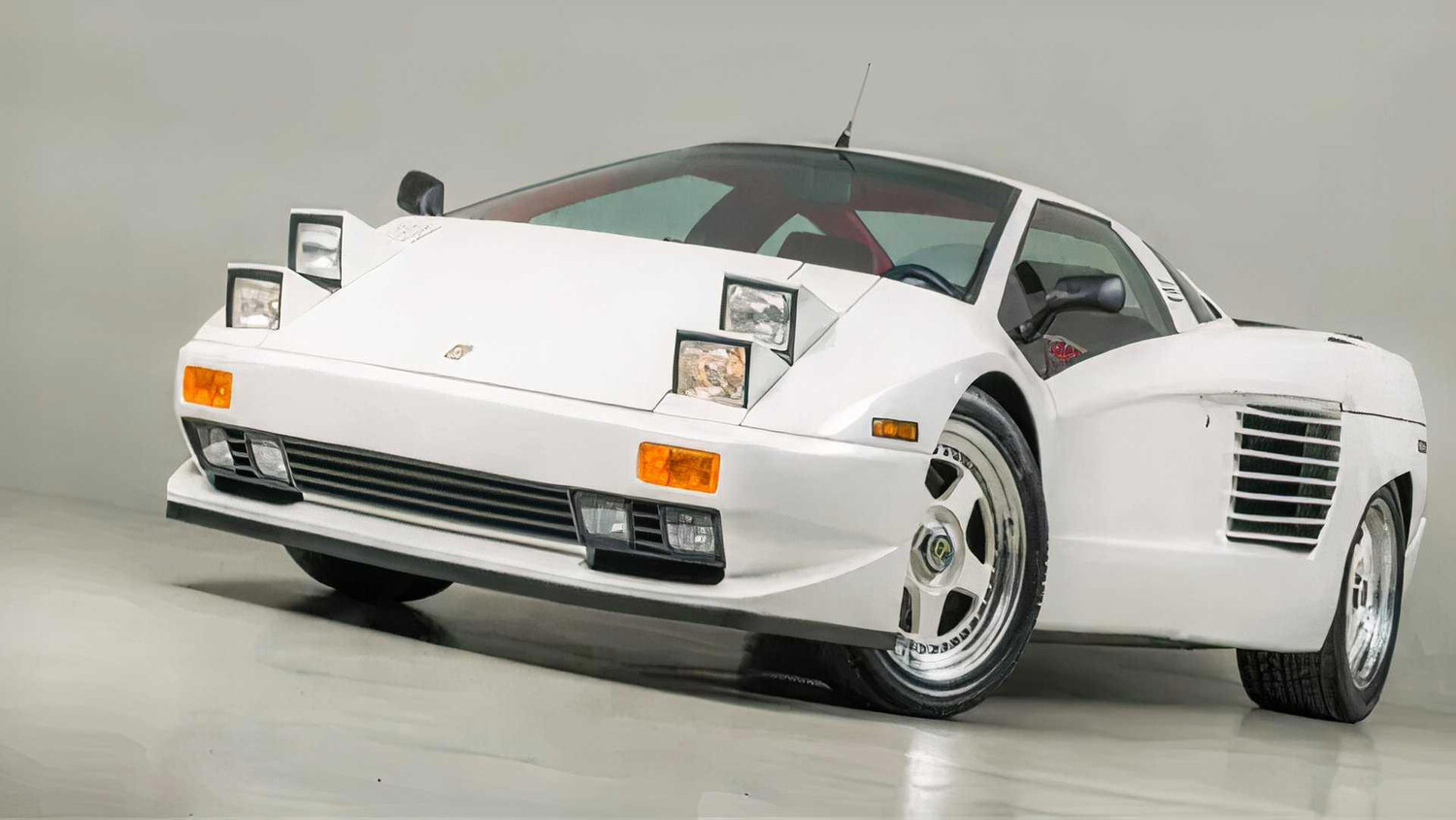
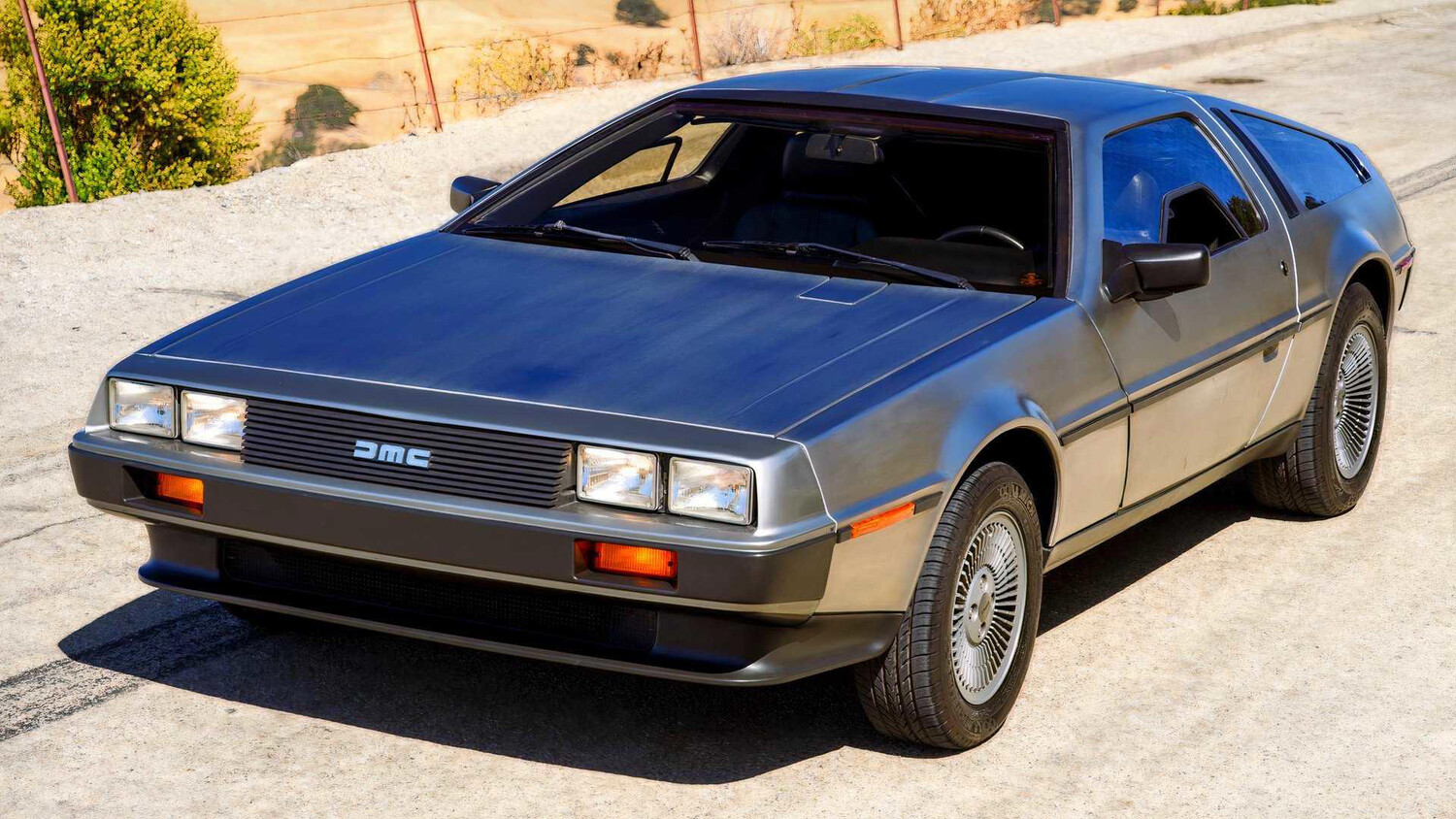
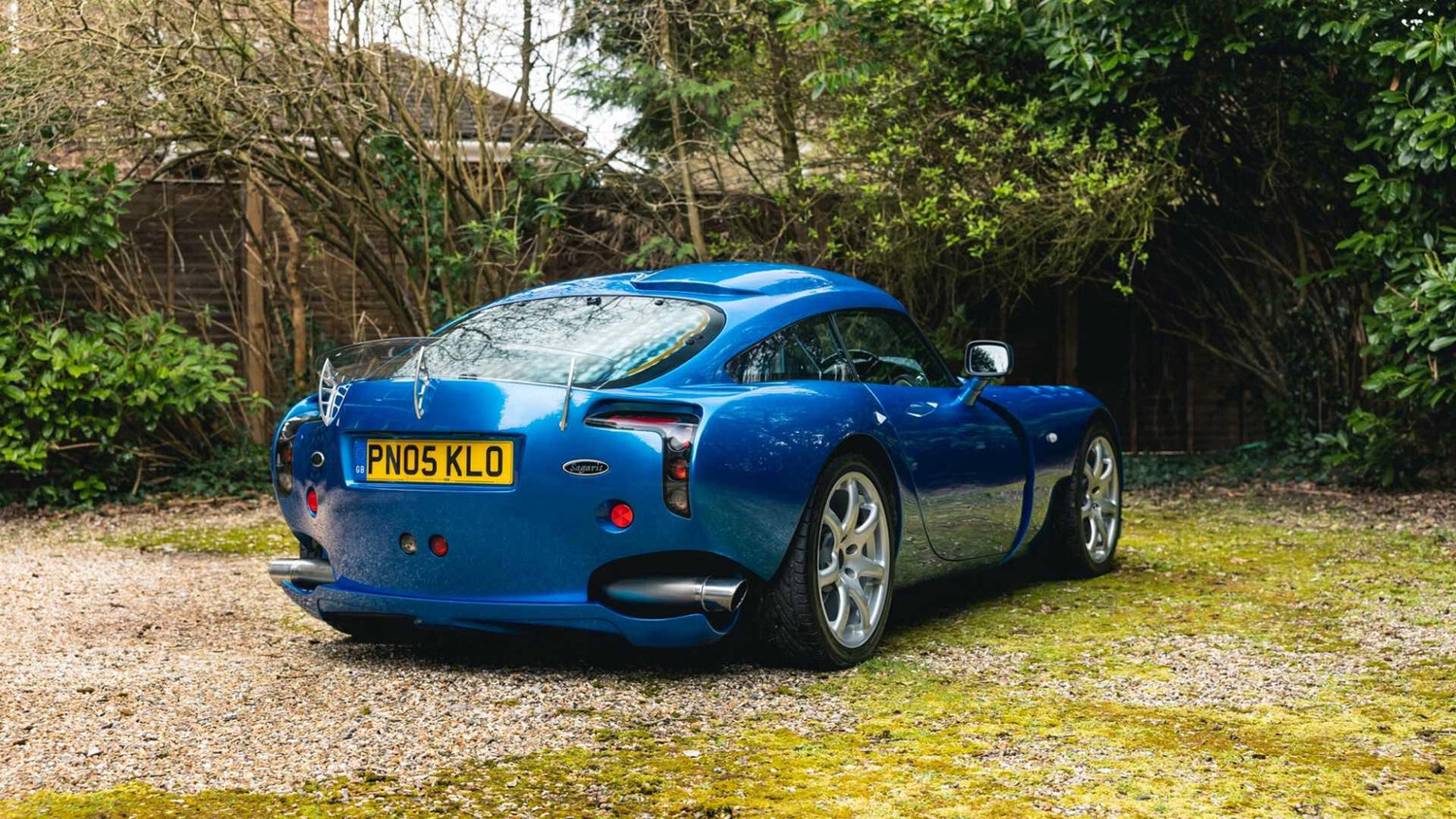
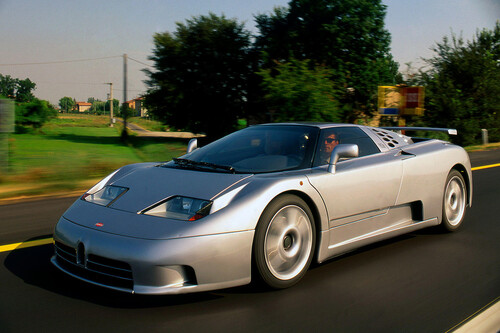
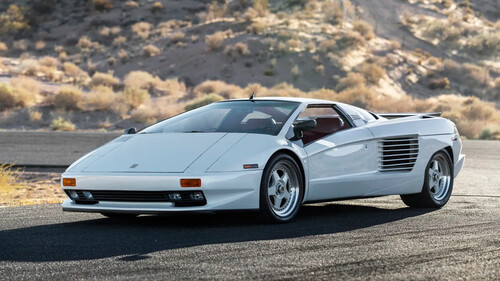
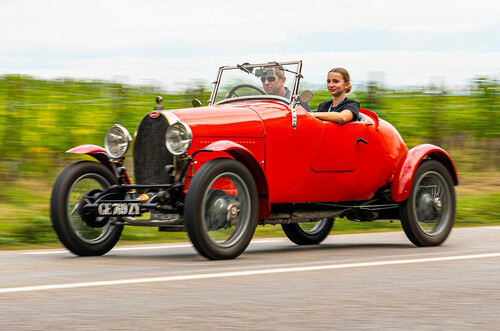
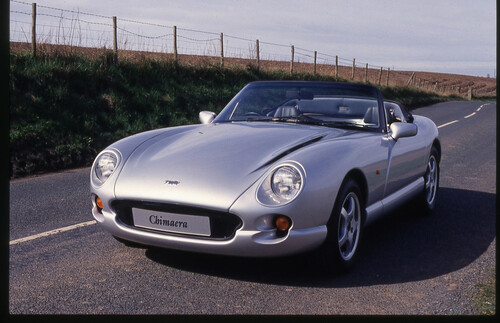
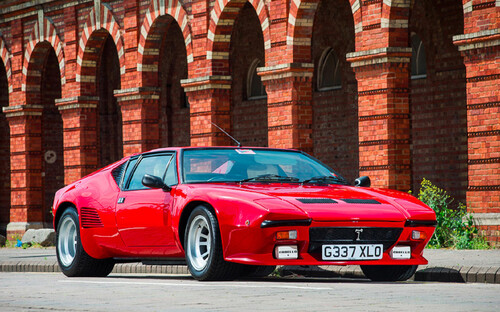
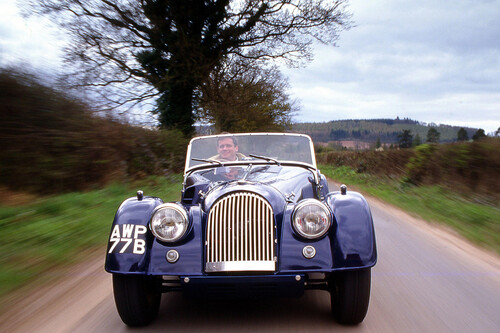
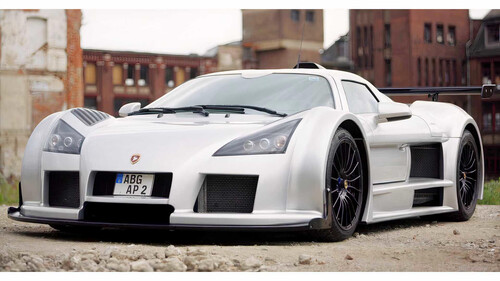
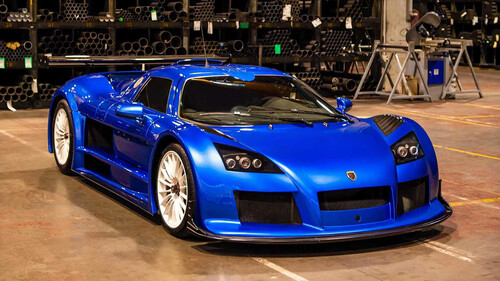
The automotive industry is a graveyard of ambition. For every manufacturer that successfully transitions from a boutique startup to a global powerhouse, dozens more find themselves liquidated before their first production run is even completed. The pursuit of the ultimate supercar is a high-stakes gamble that requires hundreds of millions in upfront capital, a flawlessly executed supply chain, and a global economy that remains stable for at least half a decade. Most brands have none of these things.The reality of the supercar business is that performance is often the easiest part of the equation. Engineering a car to exceed 200 mph is a matter of mathematics and metallurgy; however, building a sustainable business around that car is a matter of logistics and luck. Many of the greatest machines ever built were produced by companies that were technically insolvent before the first customer took delivery. This is a look at the dreamers who succeeded in making their masterpiece, only to lose everything in the process. The Financial Reality Of Niche Automakers Hilton Group Building a high-performance machine requires more than just a fast engine and a sleek silhouette. It requires a massive investment in specialized tooling, carbon fiber autoclaves, and international crash-testing compliance. While major manufacturers can spread the cost of a new platform across millions of units, a boutique brand must recoup every cent of research and development through a production run that might only total 50 units. This creates a precarious financial situation where a single delayed shipment or a shift in currency exchange rates can wipe out years of projected profit.Most boutique brands fall into the trap of the "Mega-Factory" before they have a finished product to sell. Instead of scaling production naturally, founders often invest in high-visibility headquarters and state-of-the-art assembly lines while the car is still in the prototype phase. This leads to a burn rate that makes survival impossible if the car does not sell out instantly or if a recession hits. This cycle of over-ambition and financial collapse has claimed some of the most respected names in the performance world. Bugatti: The EB110 and La Fabbrica Blu Romano Artioli’s attempt to resurrect Bugatti was defined by architectural excess. He built a $60 million factory in Italy featuring hand-laid tiles and marble workshops before the EB110 was even ready for the market. While the quad-turbocharged V12 EB110 was a technical masterpiece that outperformed contemporary Ferraris, the overhead of the "Blue Factory" was simply too high for a boutique startup to sustain.Bugatti The company collapsed under the weight of its own ambition when a global recession hit in the mid-1990s. Despite the EB110 being a genuine technical triumph, Bugatti Automobili SpA declared bankruptcy in 1995 with debts totaling $125 million. It took the might of the Volkswagen Group years later to turn the Bugatti name into a sustainable business. Vector Aeromotive: The Aerospace Obsession via Bring A TrailerJerry Wiegert spent nearly two decades trying to bring the Vector W8 to life as a fighter jet for the road. The car utilized aerospace-grade rivets, a twin-turbo V8, and a cockpit with CRT displays. However, the cost of producing each unit far exceeded the sales price, and the development timeline was plagued by constant delays that drained the company's initial capital. Wiegert refused to compromise on materials, which pushed the price point to astronomical levels for the time.via Bring A Trailer The downfall arrived when the Indonesian investment firm Megatech launched a hostile takeover while the company was struggling with cash flow. Wiegert was ousted from his own building, and the company spiraled into legal battles and insolvency after building only 17 production units. The W8 remains a symbol of the American supercar dream, but its astronomical R&D costs ensured it would never be profitable. Cizeta-Moroder: The Sixteen Cylinder Gamble Bring a TrailerThe Cizetta V16T was an exercise in mechanical excess that the market simply could not support. Claudio Zampolli teamed up with Giorgio Moroder to build a transverse V16 supercar, but the complexity of the engine was its financial downfall. Every unit required intense manual labor and bespoke parts that drove the price tag beyond $650,000 in the early 1990s, a figure few were willing to pay. The car was essentially a V16 engineering puzzle that was too expensive to manufacture efficiently.Bring a Trailer The partnership between Zampolli and Moroder dissolved quickly due to escalating costs and financial disagreements. With only 12 cars produced, the company could not cover its massive engineering debts and filed for bankruptcy in 1994. The V16T was too complex to manufacture and too expensive to market effectively in a world that was moving toward more efficient designs. DeLorean: The Belfast Debt Crisis Bring a TrailerWhile the DeLorean DMC-12 is an aesthetic icon, its development was a financial nightmare from the start. John DeLorean secured over $100 million in loans from the British government to build a factory in Northern Ireland. The car arrived underpowered and plagued by quality control issues, which caused sales to plummet almost immediately after its 1981 launch. DeLorean attempted to hide the lack of demand by increasing factory output, leading to massive inventory stockpiles that locked up his remaining capital.Bring a Trailer By 1982, the company was hemorrhaging cash and could not repay its massive debts to the UK government. The subsequent legal scandal involving John DeLorean was the final blow, but the company was already technically insolvent due to the high costs of setting up a new manufacturer in a volatile economic climate. Panther Westwinds: The Solo Effort That Failed Car and ClassicPanther Westwinds was a successful boutique brand until it attempted to build the Panther Solo. Originally a simple mid-engine project, the design was constantly changed to compete with the high-tech Porsche 959. This resulted in a complex carbon fiber and Kevlar AWD supercar that was far too expensive to manufacture for a small firm. The original company had already collapsed in 1980 because of the six-wheeled Panther 6 project, and the Solo finished what that car started.Car and Classic The development costs grew so high that the company went into receivership before full production could even begin. Panther was eventually sold to SsangYong, but the dream of the Solo had already destroyed the original firm’s financial stability. The car arrived too late and vastly over budget, proving that chasing perfection without a budget can be a fatal business strategy. TVR: The High Price of Independence Collecting CarsTVR was a powerhouse of British performance, but Peter Wheeler’s insistence on building everything in-house proved fatal. The development of the Speed Six engine and the AJP8 was a massive financial undertaking for a company with such low sales volume. When the TVR Sagaris arrived, it was a technical marvel, but it lacked the development polish of its German rivals. The cost of meeting tightening global safety standards was simply more than the company could bear.Collecting Cars The overhead of engine R&D and the lack of electronic safety aids limited its global appeal and drove the company into a corner. When the company changed hands in 2004, the finances were already a disaster. The Blackpool factory closed shortly after as TVR could no longer afford to develop cars that met modern safety standards. Gumpert: When Engineering Outpaces Marketing GumpertRoland Gumpert wanted to build the ultimate track-focused supercar, and the Gumpert Apollo succeeded by setting Nürburgring records. Unfortunately, the car was notoriously difficult to look at and even harder to sell to traditional luxury buyers. The development of the bespoke chassis and aerodynamic package was extremely expensive, and the brand struggled to find a sustainable customer base. The high production costs per unit meant that even selling a few cars wasn't enough to stay afloat.Gumpert A failed attempt to expand into the Chinese market in 2012 was the final blow for the company’s cash reserves. Without a steady stream of orders to offset the high production costs, Gumpert Sportwagenmanufaktur filed for insolvency. It proved that being the fastest on the track does not mean you can win at the bank.Following the 2013 bankruptcy of Gumpert Sportwagenmanufaktur, the brand was acquired by a Hong Kong-based investment group and rebranded as Apollo Automobil, effectively turning the original car's model name into the new company identity. The "new" Apollo hypercar, the Intensa Emozione (IE), serves as the spiritual successor to the original Gumpert Apollo, though original founder Roland Gumpert is no longer involved with the firm.Sources: Road & Track, RM Sotheby’s, UK Parliament Hansard, Autoweek, Car and Driver, Bloomberg, The Wall Street Journal, Hagerty, Classic.com