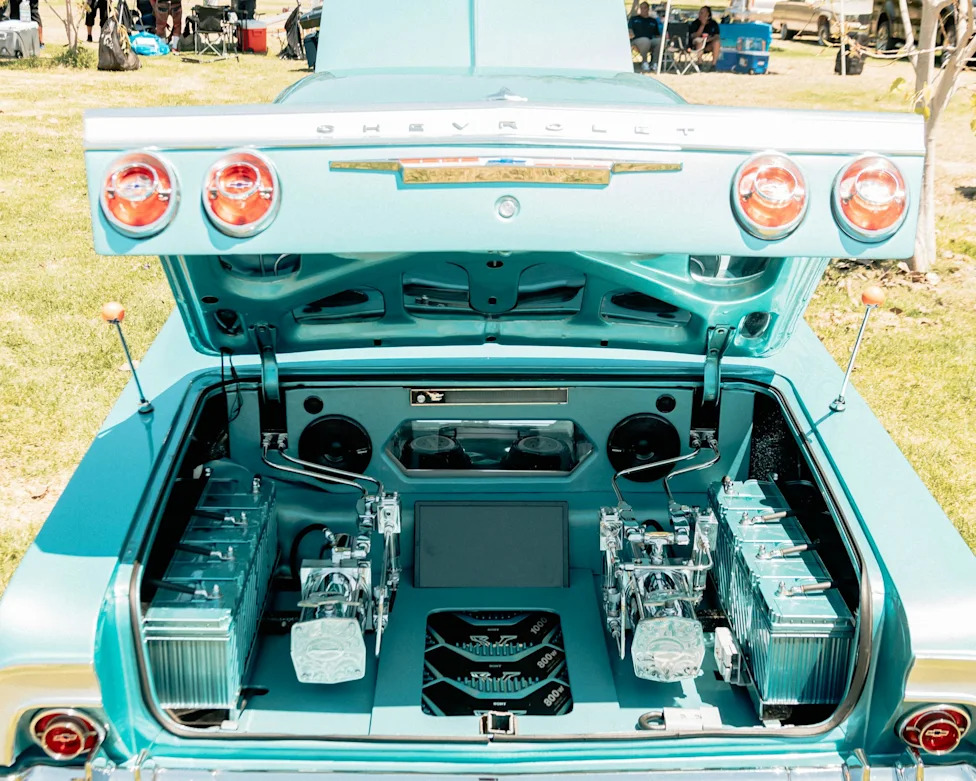
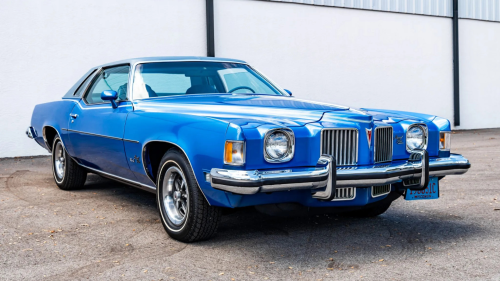
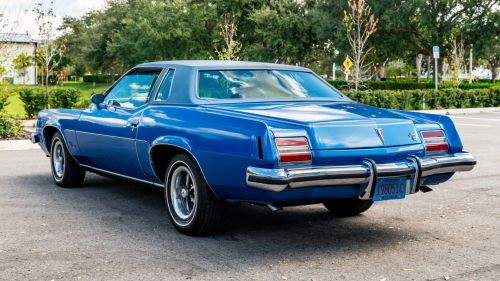
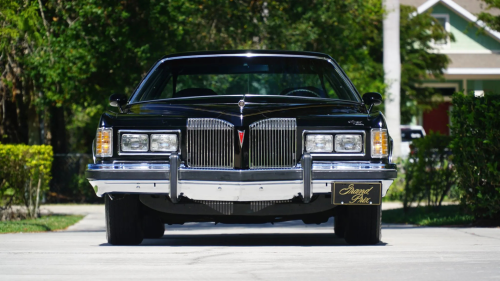
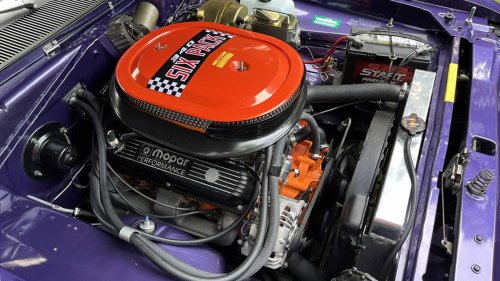
Electric Classic Car Conversions: A Growing NicheA small but fast-growing group of builders is swapping carburetors for battery packs, converting beloved classics to electric power while keeping their vintage looks fully intact. It's a controversial niche among purists, but one that's opening classic car ownership to an entirely new type of buyer.What an Electric Conversion Actually InvolvesA typical conversion removes the internal combustion engine, fuel system, and exhaust, replacing them with an electric motor, battery packs, and a controller, all fitted within the original engine bay and chassis wherever possible. The goal for most builders is to preserve the exterior and interior experience of the classic almost entirely, changing what powers the car without changing how it looks or feels to sit in.Why Some Owners Are Drawn to the IdeaElectric conversions eliminate many of the headaches that come with old fuel systems, carburetors, and ignition components, replacing them with fewer moving parts and virtually no scheduled maintenance. For owners who love the styling of a classic but want modern reliability and instant torque, a conversion offers a genuinely different ownership experience than a traditional restoration.The Debate Within the Collector CommunityPurists argue that removing a car's original engine erases part of its historical identity, particularly for significant or numbers-matching examples that should be preserved in factory condition. Conversion advocates counter that plenty of common classics were never particularly rare to begin with, and that electrifying them can save a car from an otherwise neglected fate by giving it a practical, everyday use case.What to Consider Before Converting a CarBattery weight and placement significantly affect a classic's handling balance, so reputable conversion shops spend considerable engineering effort on chassis and suspension tuning rather than simply bolting in a motor. Cost remains a major factor as well, since a quality conversion often rivals or exceeds the price of a traditional restoration once batteries, motors, and labor are all accounted for.Final ThoughtsElectric classic car conversions represent a genuinely new chapter in an old hobby, one that trades some originality for daily usability and modern reliability. Whether that trade appeals to you likely depends on whether you value a classic primarily as a historical artifact or as a car meant to be driven.Related ReadingRestomods Explained: Blending Classic Style with Modern PerformanceAdvertisementAdvertisementThe Basics of Engine Swaps: What to Consider Before You CommitHow to Properly Store a Collector Car Long-Term⚡️ Read the full article on MotoriousSign up for the Motorious Newsletter. For the latest news, follow us on Facebook, Twitter, and Instagram.