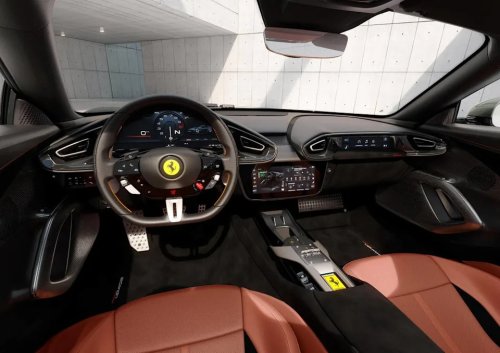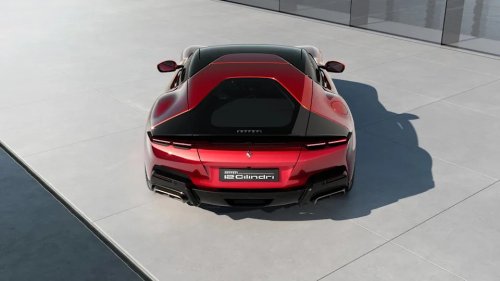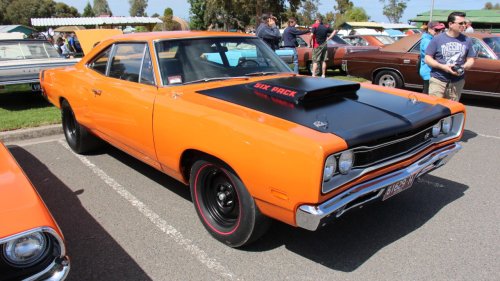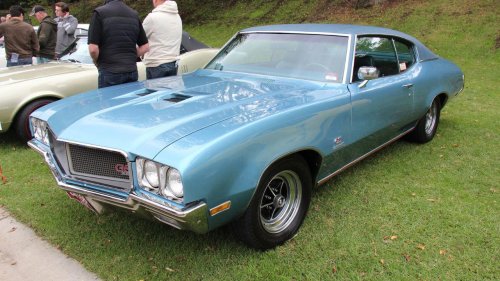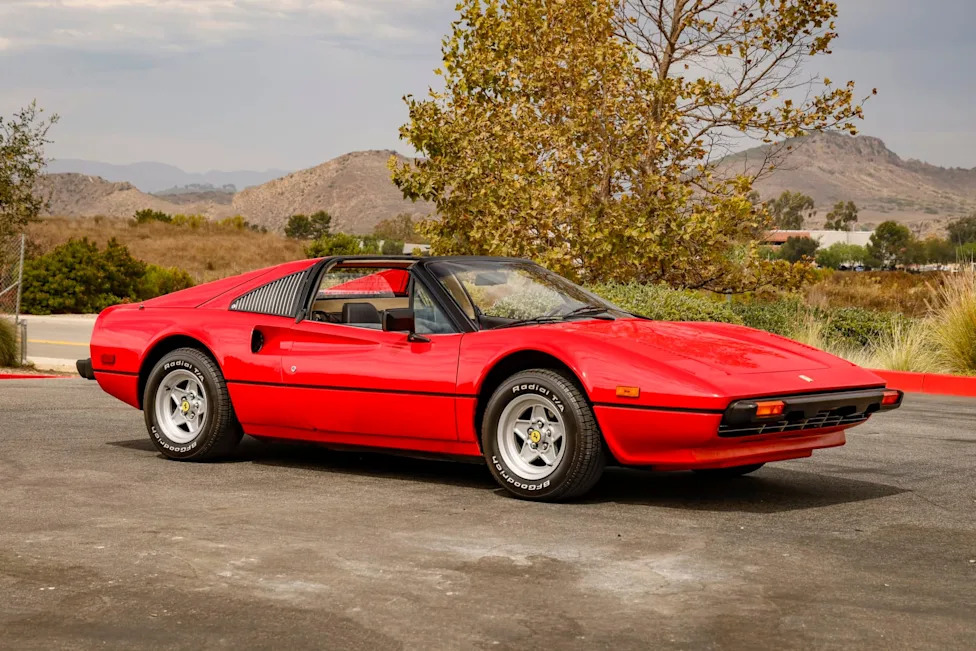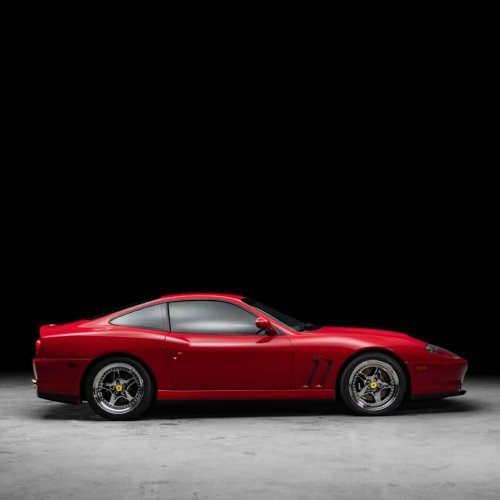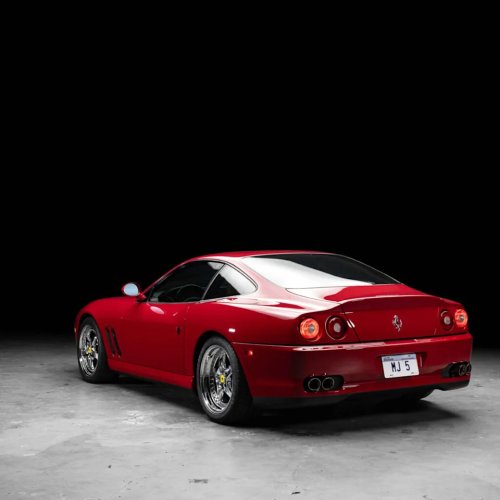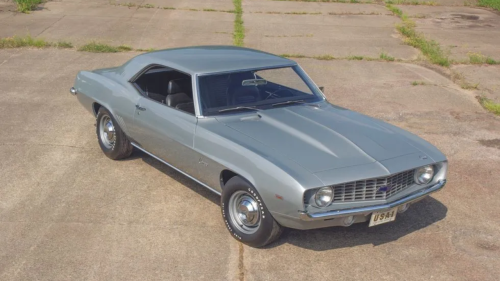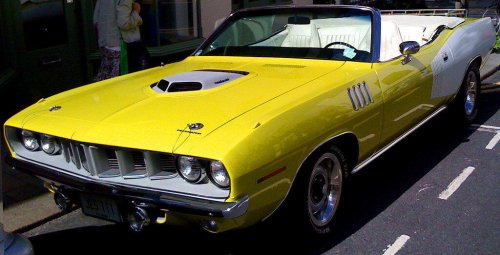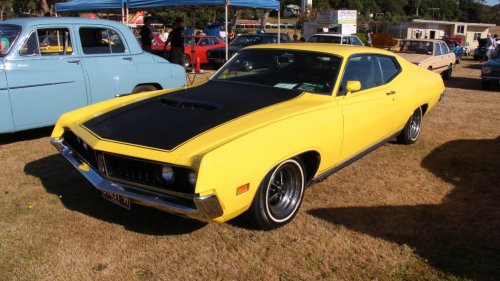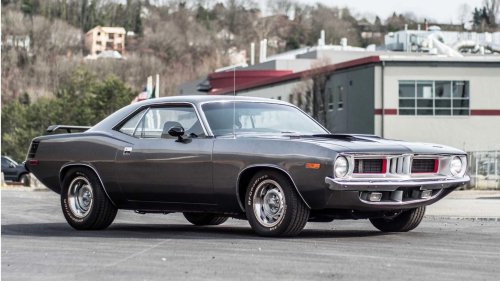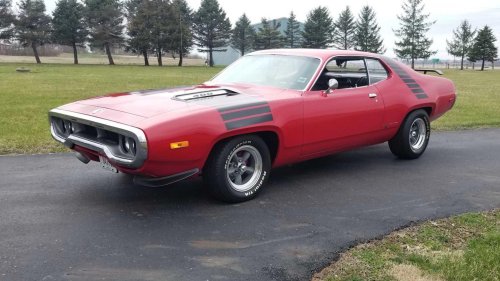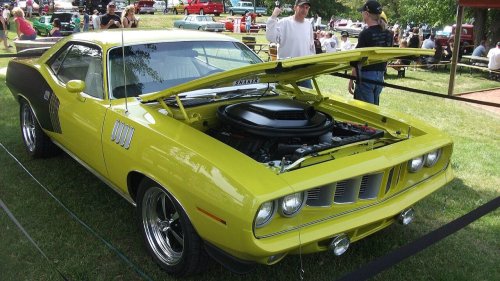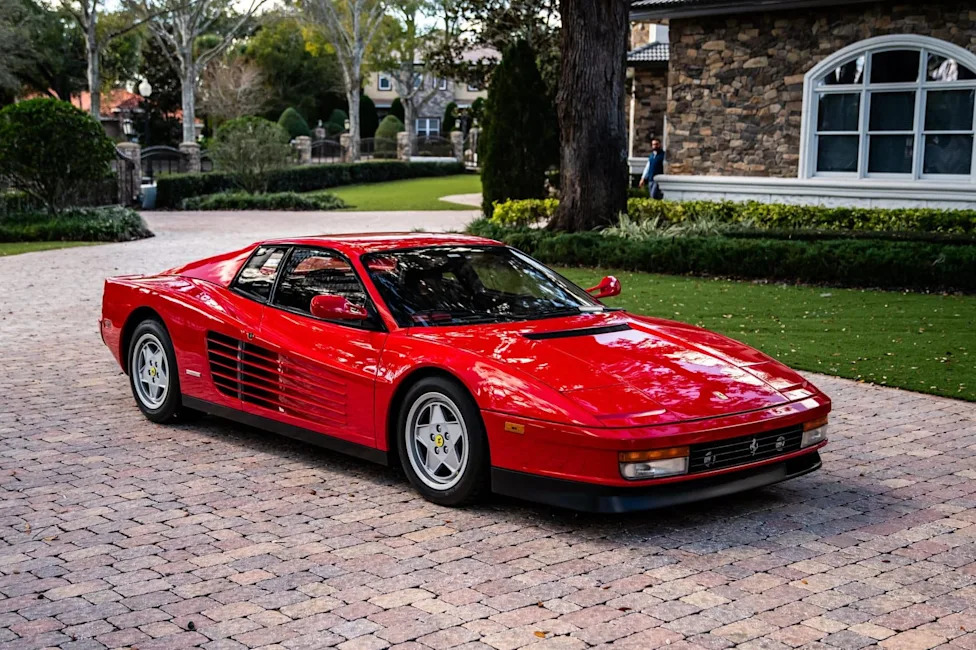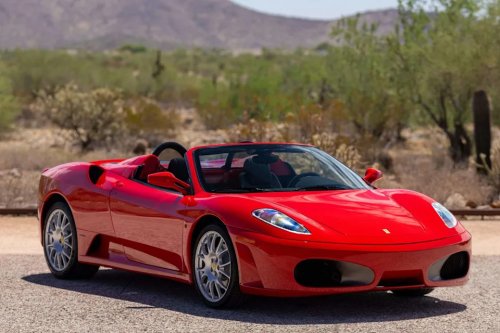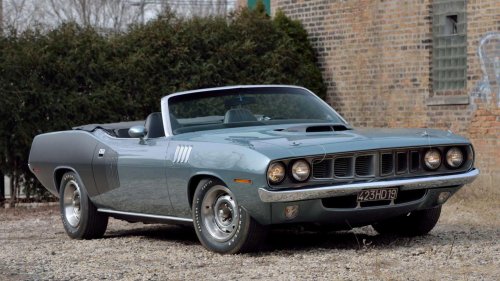
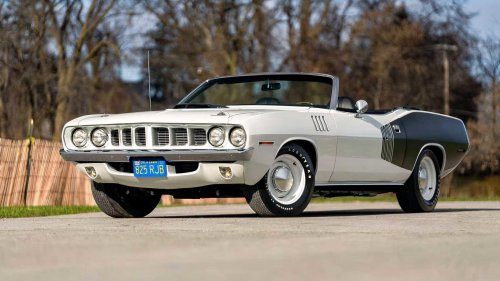
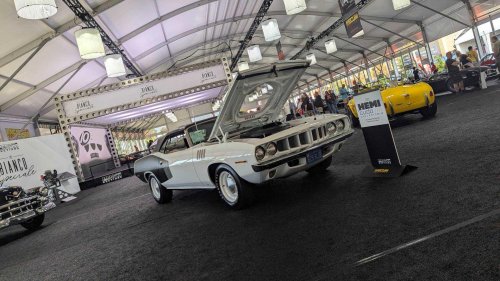
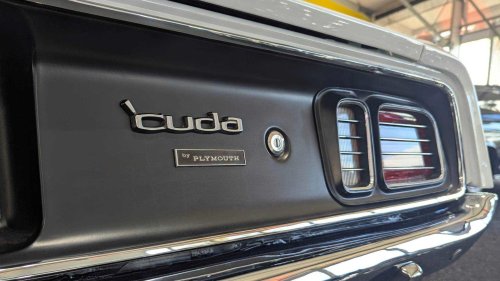
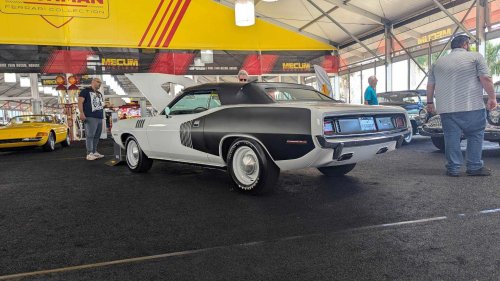
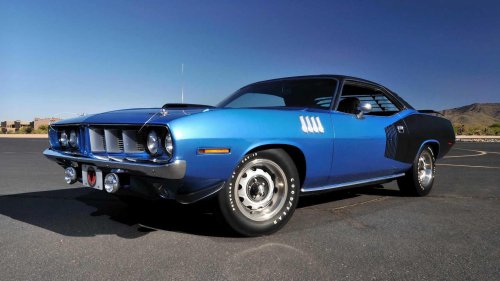
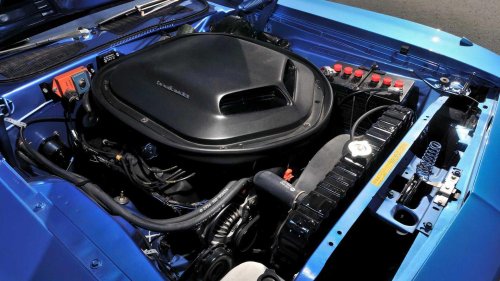



















Ferrari has always been the benchmark. If you were talking about long-term value, appreciation curves, or what cars actually hold their weight over time, the conversation almost always started there. For decades, that was just the reality of the collector market. European exotics set the tone, and everything else followed.But over the last twenty years, a few American cars started rewriting that script.few American cars started rewriting that script. Not all muscle cars, as most of them still live in that nostalgic, six-figure space. But the right combination of rarity, timing, and reputation has pushed a handful of models into a completely different category.The 1971 Plymouth Hemi ’Cuda sits right at the center of that shift. It didn’t start out as a collectible in the way Ferraris did. It wasn’t positioned as a luxury object or something meant to be preserved. It was built to be driven hard, to be loud, and to represent the peak of American performance at the time. And yet, decades later, it has become one of the most aggressive climbers in the collector market, in some cases outpacing Ferrari models, given how quickly values have risen. The 1971 Hemi ’Cuda Was Built At The End Of The Muscle Car Era MecumBy the time the 1971 model year rolled around, the muscle car era was already starting to lose momentum. Insurance companies had begun targeting high-horsepower cars, emissions regulations were tightening across the board, and the kind of unrestricted performance that defined the late 1960s was becoming harder for manufacturers to justify. Plymouth still went all in.The Hemi muscle car arrived with Chrysler’s 426 cubic-inch Hemi V8, officially rated at 425 horsepower and 490 lb-ft of torque. Those numbers were pretty impressive, but they don’t fully capture what the engine represented. The Hemi had a reputation that went beyond its spec sheet because it was known for delivering power, responding to tuning, and dominating under the right conditions.MecumWhat makes the 1971 version especially important is its timing. It wasn’t the beginning of the muscle car story, but more of one of the final chapters. That gives the car a very specific kind of weight in the collector world. It represents the peak, right before everything started to change.Fun Fact: The 426 Hemi added around $870 when new, which doesn’t sound huge now, but it was a massive jump at the time. That pricing is a big reason so few were ordered, and why the cars are so valuable today. Production Numbers Were Shockingly Low The Hemi engine was never a high-volume option, but by 1971, it had become even rarer. It added a pretty significant cost to the car at a time when buyers were already moving away from high-performance V8s. That combination kept production numbers extremely limited. Here are the numbers: 1971 Plymouth Hemi ’Cuda Production MecumThose 11 convertibles are what usually get the most attention, and it’s easy to understand why. Even in a world where low production numbers are common, that figure stands out. It puts the car in a category where supply has always been an issue.What also matters is how these cars were treated when they were new. These weren’t tucked away or preserved for future auctions, far from it. They were driven hard, modified, raced, or simply worn out over time. That means the number of original, well-documented examples available today is even smaller than the production numbers suggest. Why It Has Appreciated Faster Than Many Ferraris Hank O'Hop/HotCarsFerrari still dominates at the very top of the collector market, but appreciation is about more than just final value. It’s about how quickly a car gets there and how much ground it covers along the way. The ’Cuda started from a much lower baseline.In the late 1990s and early 2000s, these cars were already desirable, but they hadn’t yet reached the level they’re at now. Prices were strong, but still within reach for a much broader group of collectors. From that point forward, the trajectory changed. As American muscle cars gained more recognition in the global collector market, the most desirable examples began to climb rapidly.Hank O'Hop/HotCarsAt the same time, several Ferrari models that once felt like accessible entry points into the brand followed a more gradual path. Cars like the 308 GTB and Testarossa appreciated, but the movement was steadier. They didn’t experience the same kind of sharp jumps. Appreciation Comparison (Approximate Market Trends) When you look at those numbers side by side, it shows that the value moved quickly and kept moving.Fun Fact: Even though it was built as a hardcore performance car, buyers could still spec things like leather seats, woodgrain trim, and power windows. It created this weird mix of drag car and comfort cruiser that you don’t really see today. Multi-Million Dollar Auction Sales Changed Everything There’s usually a moment when a car crosses into a different category. For the Hemi ’Cuda, that moment came when prices pushed past the million-dollar mark. Once that happened, the perception shifted almost immediately. They were competing at the highest level of the collector market, with one auction at Mecum Auction's Indy 2021 hitting $4.8 million for a convertible but not meeting reserve.Hank O'Hop/HotCarsSeveral well-documented convertibles have sold for well over $2 million at major auctions. Those sales confirmed that there was real demand at that level. Buyers were willing to pay for the combination of low production, historical significance, and the reputation that came with the Hemi name. Hardtop models followed a similar pattern, even if the numbers weren’t quite as extreme. Values increased steadily, and the gap between average muscle cars and top-tier examples became more obvious. Multi-Million Dollar Sales Cemented Its Status MecumWhat makes this muscle car story so interesting is how much the market has changed since it first hit the market. This wasn’t a car that entered the market with built-in prestige; it earned that status over time. It represents a very specific moment in American automotive history. A point where performance was pushed as far as it could go before outside forces started to limit it. Over time, that recognition translated directly into value. The rarity and reputation were already there, and once the broader market caught up, the prices followed quickly.MecumFun Fact: The “Shaker” hood wasn’t just for looks. It was mounted directly to the engine, so it moved with it under acceleration and fed cooler air straight into the carburetors. You could literally see the engine working from the driver’s seat.Now, the Hemi ’Cuda sits in a space that would have been hard to predict when it was new. It’s no longer just part of the muscle car conversation; it’s part of the larger collector car market at the highest level. And more importantly, it shows how quickly things can change. A car that started out as a raw, street-focused performance machine now stands as one of the clearest examples of how American muscle can outperform expectations, even when the comparison is something as established as Ferrari.