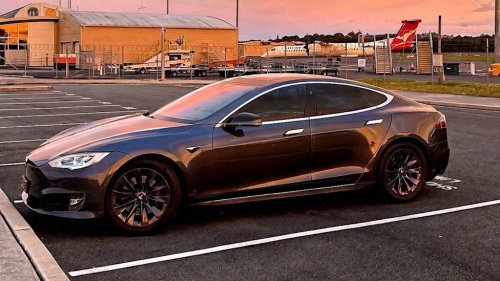
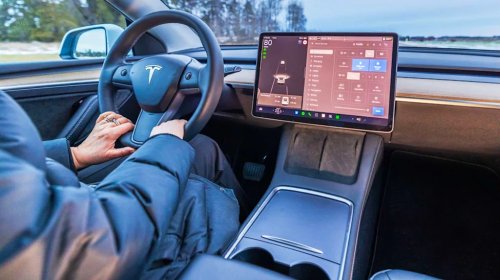
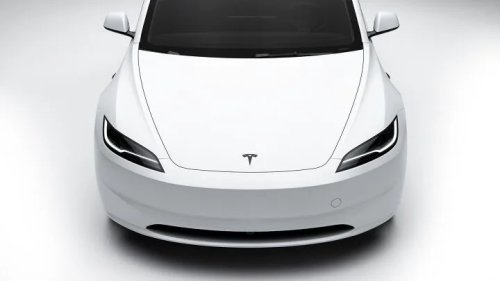
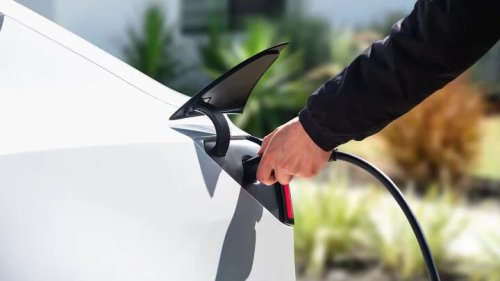
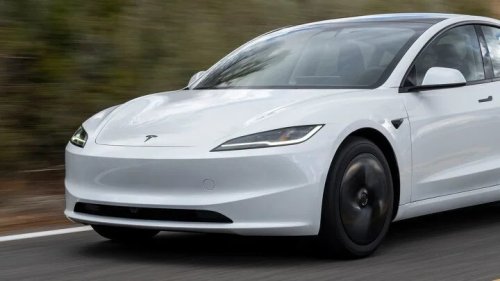
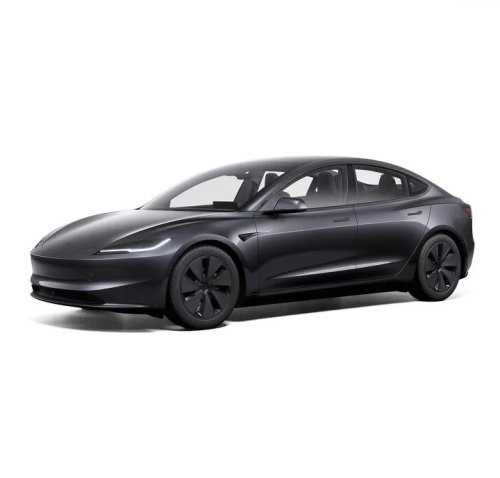
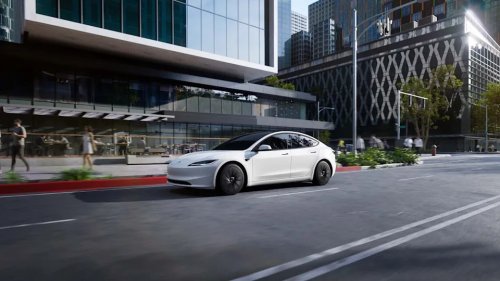
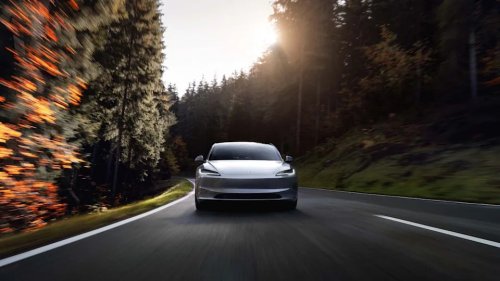
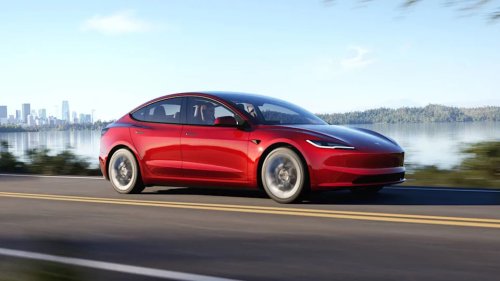
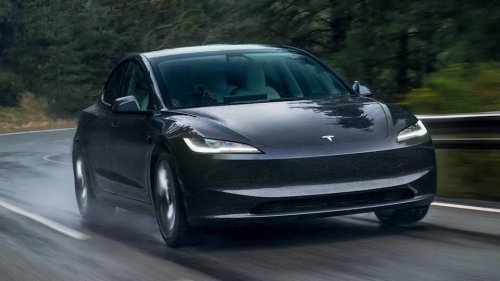
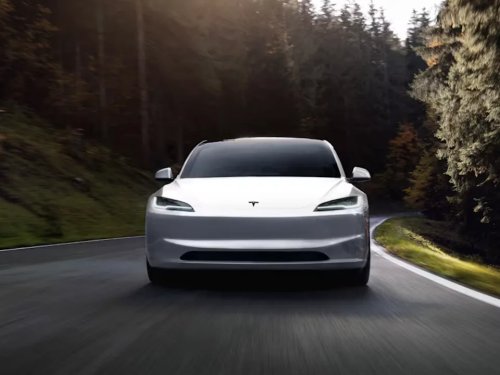
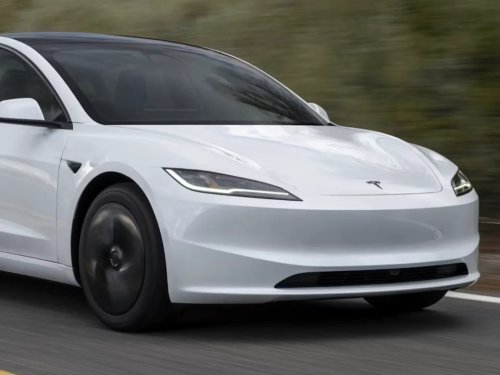
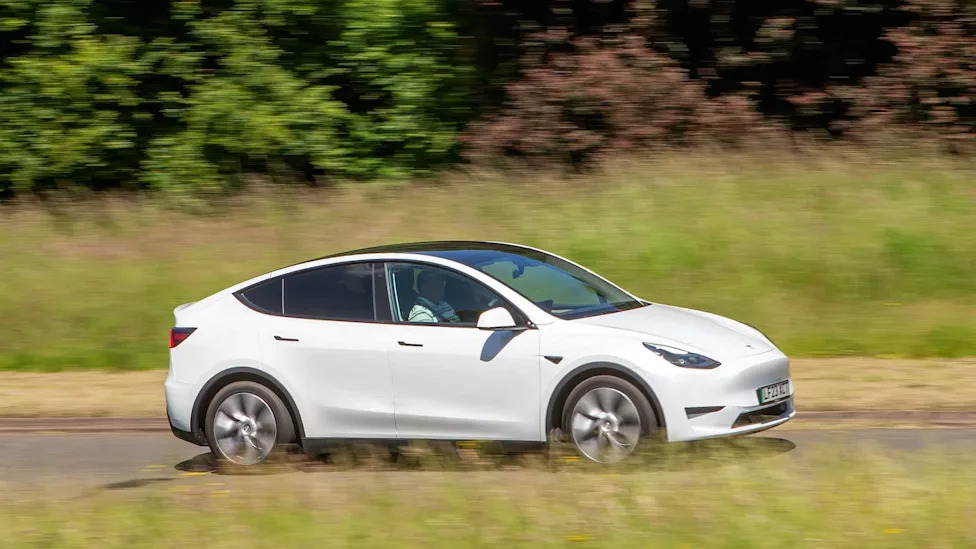
Photo Credit: iStockWith 247,000 miles already behind it, a five-year-old Tesla Model 3 made a 260-mile drive across England without needing to recharge.As The Wall Street Journal reported, that trip adds to a growing body of evidence that modern EV batteries may last much longer than many car shoppers assume.What's happening?Richard Symons, whose U.K. used-car business specializes in EVs, calls the Tesla "Miles."He said the Model 3 still regularly takes on longer trips despite having nearly a quarter of a million miles on the odometer.AdvertisementAdvertisement"They are proving themselves to be exceptionally reliable," Symons said, per The Wall Street Journal.Data from Recurrent, which makes a battery-monitoring tool for EVs, suggests the average electric vehicle still offers up to 95% of its initial range after five years — a stronger result than many in the auto industry once anticipated.Those worries were more justified with older models: Recurrent said about one in 12 EVs built between 2011 and 2016 ended up needing replacement batteries. For EVs built from 2022 onward, that figure is just 0.3% so far, indicating much better durability in newer packs.Why does it matter?Many buyers still hesitate over EVs because they don't trust the battery.AdvertisementAdvertisementJessica Caldwell, head of insights at Edmunds, told the Journal that "there still is a lot of trepidation amongst buyers." Meanwhile, AutoPacific found that fear of paying for a replacement battery remains the top reason many consumers avoid EVs.Depending on the manufacturer, replacing an EV battery outside warranty can cost between $5,000 and $16,000, Recurrent estimated. If newer batteries keep lasting longer, owners may be able to avoid one of the most expensive repairs associated with EV ownership.For companies and city fleets, improved battery durability could mean keeping vehicles on the road longer, reducing downtime, and getting more value from each purchase.What's being done?The gains stem from improvements in battery chemistry, battery management systems, and thermal regulation, as the Wall Street Journal observed. Those changes have helped newer EVs avoid some of the wear problems that affected early models like the original Nissan Leaf, which lacked modern cooling technology.AdvertisementAdvertisementBattery prices have fallen by more than 90% since 2010, according to a BloombergNEF report cited by the Journal, and Case said many EV makers now allow technicians to repair smaller parts of a battery pack rather than replace the whole pack.That can save drivers thousands of dollars and get cars back on the road more quickly.Charging habits still matter, though. Geotab found that batteries subjected to frequent high-power fast charging lose range about twice as fast on average as batteries charged at lower power. Regularly charging to 100% or leaving a battery at 0% for long periods can reduce range over time, while extreme heat or cold can temporarily cut performance.Despite this year's drop in U.S. EV sales, analysts still see the market expanding over time. AlixPartners said EVs could make up 11% of new U.S. car sales by 2030, nearly double today's share.AdvertisementAdvertisementGet TCD's free newsletters for easy tips, smart advice, and a chance to earn $5,000 toward home upgrades. To see more stories like this one, change your Google preferences here.



















 +16 others


![Battery, Watt's up, doc? Huddig hybrid loader gets a big battery boost [video]](https://cdn.topcarnews.net/thumb/id/aHR0cHM6Ly9pMC53cC5jb20vZWxlY3Ry-ZWsuY28vd3AtY29udGVudC91cGxvYWRz-L3NpdGVzLzMvMjAyNi8xMC9odWRkaWct-aHlicmlkX21haW4uanBnP3c9MTUwMCZh-bXA7cXVhbGl0eT04MiZhbXA7c3RyaXA9-YWxsJmFtcDtzc2w9MQ/ea51c544798341190a5eed718aab1ee3.jpg?t=20261006&post_id=67784)
![Battery, Watt's up, doc? Huddig hybrid loader gets a big battery boost [video]](https://cdn.topcarnews.net/thumb/id/aHR0cHM6Ly9lbGVjdHJlay5jby93cC1j-b250ZW50L3VwbG9hZHMvc2l0ZXMvMy8y-MDI2LzEwL0hlcm9iYW5uZXJfVGlnb25f-MS1jbG9zZS1jb3B5LmpwZw/d26fab6fabc13bc13692cf5d41542493.jpg?t=20261006&post_id=67784)
![Battery, Watt's up, doc? Huddig hybrid loader gets a big battery boost [video]](https://cdn.topcarnews.net/thumb/id/aHR0cHM6Ly9lbGVjdHJlay5jby93cC1j-b250ZW50L3VwbG9hZHMvc2l0ZXMvMy8y-MDI1LzAzL0RFUy0xMDM4X0VsZWN0cmVr-LUJhbm5lcnNfRVZzXzA3OTdjMi5wbmc/e850e929e3168f8c7ff73cd888e54add.png?t=20261006&post_id=67784)








![Not sold on Tesla Powerwall? There are great battery alternatives out there [update]](https://cdn.topcarnews.net/thumb/id/aHR0cHM6Ly9pMC53cC5jb20vZWxlY3Ry-ZWsuY28vd3AtY29udGVudC91cGxvYWRz-L3NpdGVzLzMvMjAyNi8wNy9ob21lLXNv-bGFyLWJhdHRlcnkucG5nP3c9MTUwMCZh-bXA7cXVhbGl0eT04MiZhbXA7c3RyaXA9-YWxsJmFtcDtzc2w9MQ/18e81f395a77dbb42269ab5e106fea41.png?t=20261006&post_id=68280)