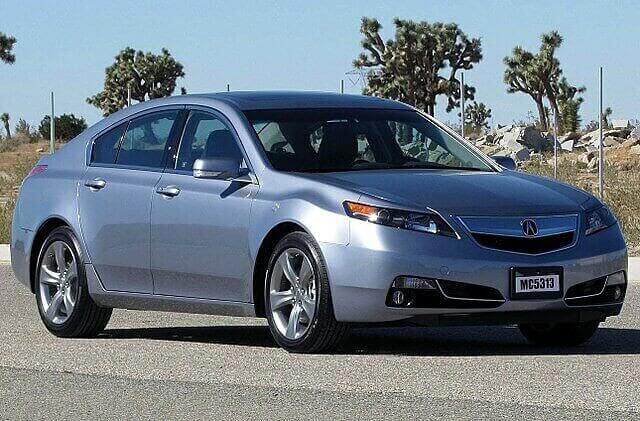
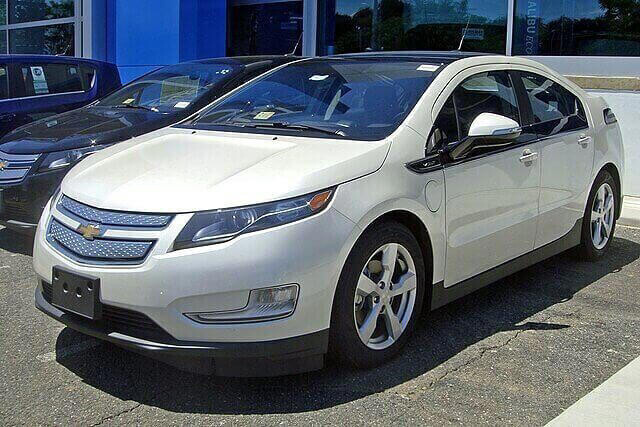
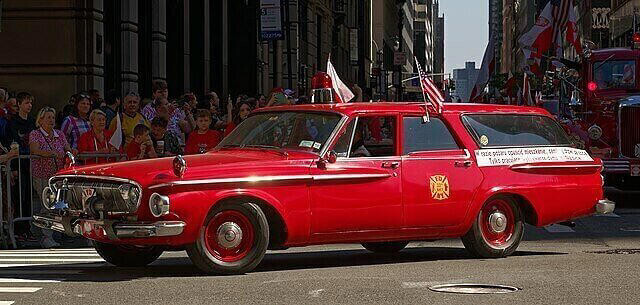
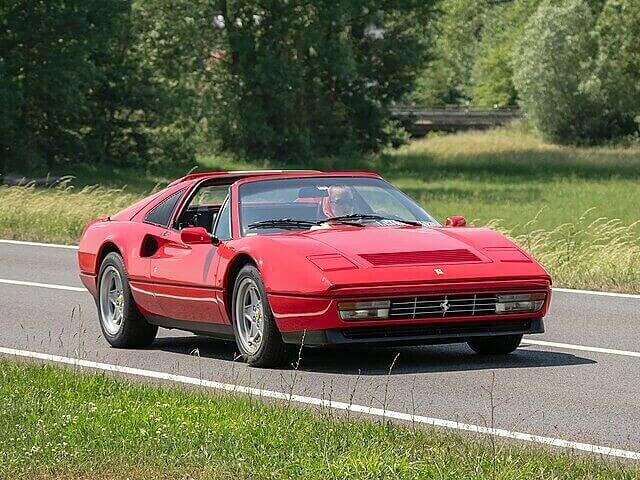
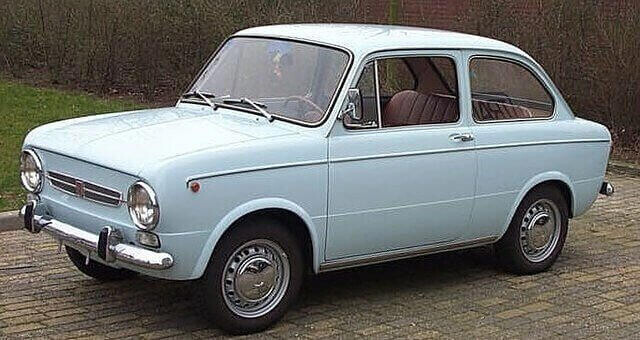
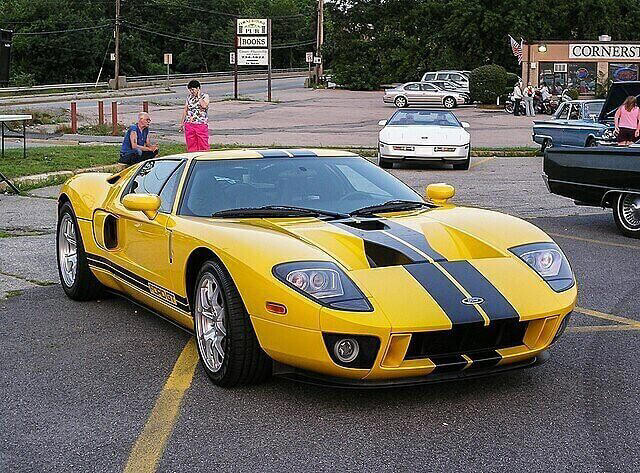
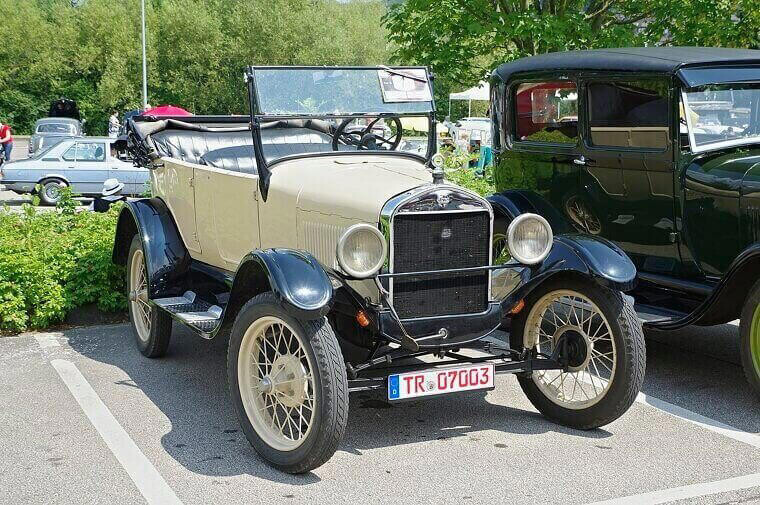
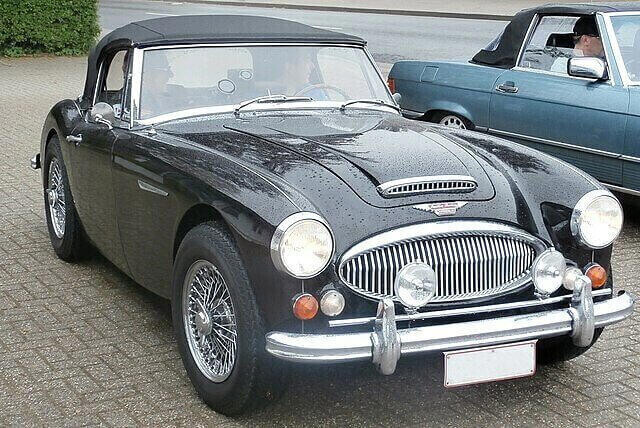
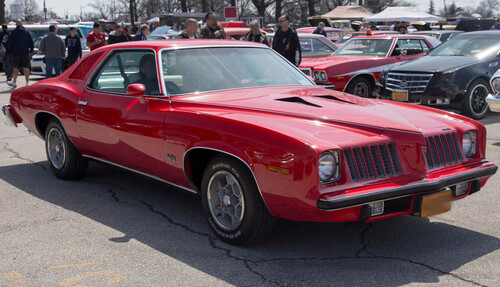
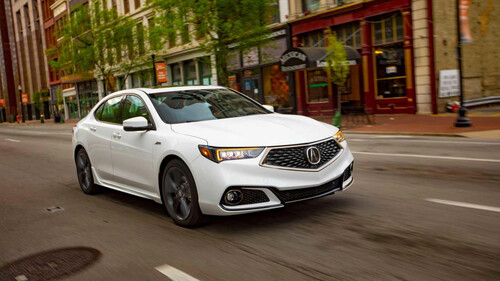
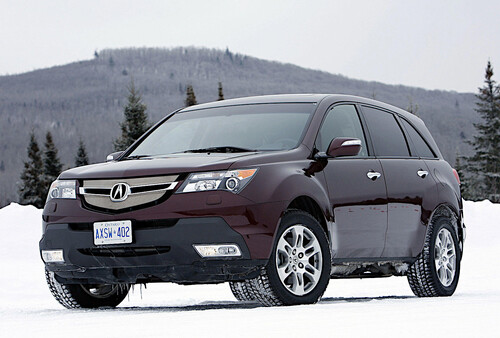
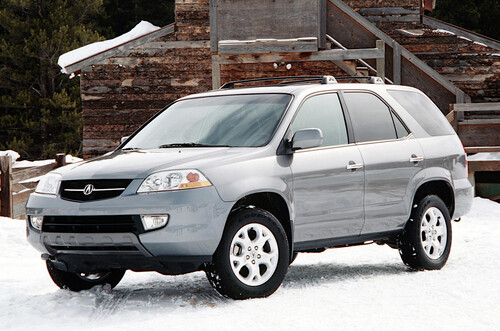
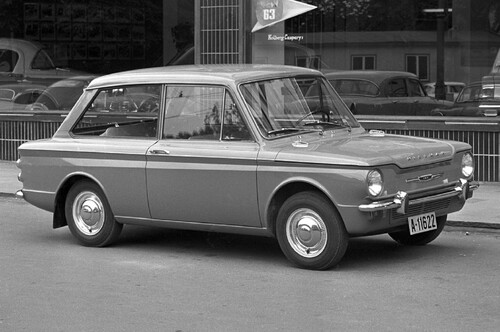
AMC JavelinBack in the early 1970s, the AMC Javelin was the underdog of the muscle car wars — priced below the Mustang and Camaro, but packing serious performance with its optional 401 cubic-inch V8. AMC couldn't match the marketing budgets of Ford or GM, so the Javelin never got the respect it deserved on showroom floors. That's changed dramatically. Clean examples, especially the AMC/Javelin models from 1971 to 1974 with the Go Package, now command prices well into the five-figure range at auction. Collectors who once overlooked these cars are paying real money to track them down today. The rarity factor works in your favor if you already own one — AMC folded in 1988, meaning no new parts pipelines, no factory support, and a shrinking pool of surviving cars driving values steadily upward.Honda Acura NSXBack in 1990, Honda shocked the automotive world by releasing a supercar that could actually be driven every day without a team of mechanics on standby. The Acura NSX went toe-to-toe with Ferrari and won plenty of admirers doing it, thanks to a hand-built aluminum body and a mid-mounted V6 engine that revved like nothing else on the road. Production ended in 2005, and for years you could find clean examples at surprisingly reasonable prices. That window has closed. First-generation NSXs in good condition now regularly command six figures at auction, with low-mileage survivors pushing well past that. If you passed on one at a dealer back in the day, you were not alone — but that decision looks a lot more expensive in hindsight.Chevy NovaBack in the late 1960s, the Chevy Nova was the kind of car your neighbor might have had sitting in the driveway — nothing flashy, just solid American muscle at an affordable price. Nobody imagined it would become a collector's dream worth serious money decades later. A clean 1969 Nova SS with the 396 big-block engine can fetch anywhere from $40,000 to well over $70,000 at auction today, depending on condition and matching numbers. What made the Nova special was its no-nonsense attitude — lightweight body, rear-wheel drive, and enough power to make your pulse quicken at a stoplight. If you held onto one of these, or managed to pick one up before prices climbed, you made a genuinely smart move without even knowing it at the time.Acura TLBack in the late 1990s and early 2000s, the Acura TL was the kind of car your neighbor drove when he wanted something sharper than a Camry but didn't want to stretch all the way to a BMW payment. It felt premium without being pretentious — a genuinely sporty sedan with a smooth V6, a cabin that smelled of real leather, and a sound system that turned heads. Today, clean examples of the third-generation TL, especially the 6-speed manual Type-S, are climbing steadily in value among collectors who remember just how good these cars were to drive. Finding one with low miles and no rust is getting harder every year, and prices are reflecting that scarcity.AMC EagleBefore crossovers took over every dealership lot, AMC gave America something genuinely ahead of its time. The Eagle debuted in 1980 as a car-based four-wheel-drive wagon and sedan, blending everyday commuter comfort with honest off-road capability. At the time, buyers weren't quite sure what to make of it. Today, collectors absolutely do. Clean Eagles — especially the woody-trimmed wagons — regularly fetch $15,000 to $25,000 or more depending on condition, a number that would have stunned anyone who watched these roll off AMC's Kenosha, Wisconsin line. AMC folded in 1987, making every surviving Eagle a piece of American automotive history that can't be replaced. If you held onto one of these, or know where a solid example is sitting in a barn somewhere, that quirky old bird may be worth far more than you'd expect.Chevrolet SSThe Chevrolet SS sedan flew under the radar when it was sold from 2014 to 2017, and that quiet exit turned out to be great news for anyone who bought one. Built in Australia and powered by a 415-horsepower V8, this four-door muscle car was essentially a Holden Commodore wearing a Chevy badge — and that made it something genuinely special. Dealers couldn't move them fast enough at the time, which kept prices low. Today, clean examples regularly fetch well above their original sticker price, with low-mileage cars commanding serious attention at auction. Collectors recognize what many buyers missed: a rear-wheel-drive, manual-transmission sedan with real performance credentials doesn't come along very often, and GM will never make another one quite like it.Ford FalconThe Ford Falcon had a good run from 1960 to 1970, and back in the day it was the sensible, affordable compact that filled driveways across America. Nobody was treating it like a treasure then — it was just reliable transportation. Fast forward to today, and the right Falcon can fetch serious money, especially the 1963–1965 Sprint models with their bucket seats and available V8 engines. Collectors have rediscovered what made these cars special: clean lines, a lightweight body, and a driving feel that bigger cars of the era simply couldn't match. A well-preserved Sprint convertible in good condition can command prices well into the five-figure range at auction, leaving plenty of people wishing they hadn't let theirs go for a few hundred dollars decades ago.BMW Z8Back in 2000, BMW built something truly special — a roadster that looked like it came straight from a Hollywood dream. The Z8 blended 1950s styling cues from the classic 507 with a thunderous 400-horsepower V8 engine, and only around 5,700 were ever made. James Bond drove one in *The World Is Not Enough*, which only added to the mystique. Today, a well-preserved Z8 regularly sells at auction for $200,000 or more — sometimes far beyond that figure. Collectors prize these cars for their hand-built aluminum bodies and their sheer rarity. If you remember seeing one on the road and thinking it was the most beautiful car you'd ever laid eyes on, your instincts were right on the money.Chevrolet VoltThe Chevrolet Volt was ahead of its time when it launched in 2010, blending electric driving with a gasoline backup engine before most people had even considered plugging in a car. GM discontinued it in 2019, and at the time, many buyers shrugged it off. Now, with gas prices doing what they do and charging infrastructure still catching up across rural America, a clean low-mileage Volt looks pretty smart sitting in someone's garage. Early models in excellent condition have been climbing steadily in private sales, particularly the first-generation versions that collectors see as genuine automotive milestones. If you held onto yours, you made a better decision than you probably realized at the time.Datsun 510Back in the late 1960s and early 1970s, the Datsun 510 was the practical little import your neighbor drove to save money on gas. Nobody thought twice about it. Today, clean examples regularly fetch $20,000 to $40,000 or more at auction, with pristine two-door sedans commanding even higher prices from serious collectors. What changed? Enthusiasts discovered that the 510's independent rear suspension and lightweight body made it a genuinely brilliant driver's car — one that punched well above its humble origins. The racing community embraced it decades ago, and that motorsport legacy only added to its reputation over time. If you ever sold one for a few hundred dollars back in the day, this might sting a little.Dodge DartThe Dodge Dart was the kind of car your neighbor drove to work every single day without a second thought. Built from 1960 through 1976, it was affordable, dependable, and about as exciting as a Tuesday morning — or so people thought back then. Today, a clean first-generation Dart, especially a convertible or a Swinger 340, can fetch serious money at auction. Collectors have rediscovered what made these cars special: solid A-body construction, a wide range of engine options, and parts that are still reasonably available. A well-preserved 1968 Dart GTS with the 383 big block can command prices well above $40,000 depending on condition and documentation. What once sat forgotten in driveways across America is now turning heads at car shows from coast to coast.Cadillac ATSCadillac's attempt to take on the BMW 3 Series produced something genuinely special, even if buyers didn't fully appreciate it at the time. The ATS launched in 2013 as a compact luxury sport sedan with sharp handling and a tight, athletic feel that felt unlike anything Cadillac had built in decades. Sales never matched expectations, and Cadillac pulled the plug after the 2019 model year. Clean, low-mileage examples — especially the ATS-V with its twin-turbocharged V6 — are climbing steadily in value among collectors who recognize what this car actually was. If you find a well-kept ATS-V coupe, you're looking at a legitimate performance machine that Cadillac may never build again.Cadillac Coupe DeVilleBack in the 1970s, pulling up in a Cadillac Coupe DeVille meant something. It was the car your successful neighbor drove, the one that turned heads at the country club and filled an entire parking space with room to spare. Cadillac discontinued the Coupe DeVille nameplate after 1993, ending a production run that stretched back to 1949. Today, clean examples from the late 1950s and early 1960s — especially those long, finned models with the pillarless hardtop roofline — regularly fetch $40,000 to $80,000 at auction depending on condition and originality. Collectors prize the ones with matching numbers and untouched interiors. If your family owned one of these land yachts and let it go for a few hundred dollars at an estate sale, that memory probably stings a little differently now.Chrysler Town & CountryBack in the day, the Chrysler Town & Country was the wagon your neighbors envied sitting in the driveway. From the 1940s through the 1980s, these beauties featured real wood paneling on the exterior — not just a decal, but actual structural wood in the early years. That craftsmanship made them stand out from every other family hauler on the road. Today, a well-preserved 1948 or 1949 Town & Country convertible can fetch anywhere from $80,000 to well over $100,000 at auction, depending on condition and originality. Collectors prize them for their unmistakable styling and the sheer rarity of surviving examples. If your family owned one of these and you let it go, that's a tough memory to sit with.Ferrari 308 GTSThe Ferrari 308 GTS is the car that made a generation fall in love with Italian sports cars, largely thanks to a certain TV detective driving one around Hawaii every week. Back in the early 1980s, you could pick up a used 308 GTS for a price that seemed almost reasonable by Ferrari standards. Today, clean examples regularly fetch $70,000 to $100,000 or more, with pristine low-mileage cars pushing well past that. The targa-top design, the throaty wail of that V8 engine, and those unmistakable lines from Pininfarina made it one of the most desirable Ferraris ever built. Production ended in 1985, and the supply of well-preserved examples keeps shrinking every year. If you ever passed on one at a dealership back in the day, that memory probably stings a little right now.Fiat 850The Fiat 850 was one of those small, affordable European imports that most American buyers overlooked back in the late 1960s. It was cheap, quirky, and rear-engined — not exactly the kind of car that screamed "future investment." But clean examples today, especially the sporty 850 Spider roadster, command serious money from collectors who appreciate its Italian charm and compact design. Prices for well-preserved Spiders have climbed well past what anyone paid new. The coupe version draws strong interest too. These cars survived in small numbers, which makes finding one in good condition genuinely difficult. If you spotted one rusting in a neighbor's driveway back in the day and passed on it, you already know exactly how this story ends.Ford FocusThe Ford Focus may have seemed like just another practical compact when Ford pulled the plug on it for the American market in 2018, but clean examples are already turning heads at used car lots. The last-generation Focus ST and RS performance variants are the real sleepers here — the RS especially, with its rally-bred all-wheel drive and limited production numbers, commands serious money from enthusiasts who missed their chance the first time around. A well-preserved Focus RS in good condition can fetch well over its original sticker price today. If you held onto yours and kept the miles reasonable, you might be sitting on more than you realize. The performance compact market has a long memory.Ford GTBack in 2005, Ford brought back the GT as a tribute to the legendary GT40 race cars that dominated Le Mans in the 1960s. It was a dream machine for serious collectors — mid-engine, supercharged V8, and a body that looked like it belonged on a racetrack. Ford built just over 4,000 of the first-generation models, and that limited production has made them genuinely rare. Today, a well-kept 2005–2006 Ford GT regularly sells for $400,000 or more at auction, sometimes several times its original $150,000 sticker price. The second-generation GT, produced from 2017 to 2022, is already climbing fast as well. If you ever passed on one thinking it was too expensive, that decision probably stings a little differently now.Ford ThunderbirdThe Ford Thunderbird started as America's answer to European sports cars back in 1955, and collectors have never stopped loving it. The original two-seat "Personal Luxury" design made it an instant classic, and clean examples from the first generation now regularly fetch $40,000 to $60,000 at auction. Even the later 1961-1963 "Bullet Bird" models with their sleek, rocket-inspired styling command serious money from serious buyers. Ford revived the nameplate briefly in 2002, but it's those early cars — the ones your neighbor might have parked in his driveway on a Sunday afternoon — that hold the real value. If you ever passed on buying one decades ago for a few hundred dollars, you already know exactly how this story ends.Geo MetroBack in the early '90s, the Geo Metro was the car people bought when they wanted to spend as little as possible on gas and payments. Nobody looked at one and thought "future collectible." It was tiny, underpowered, and about as glamorous as a kitchen appliance. But here's the twist — those same qualities that made people laugh are exactly why collectors are paying serious money for clean examples today. A well-preserved three-cylinder Metro, especially a convertible, can fetch surprising prices at auction now that fuel-sippers from that era have nearly vanished from the road. The ones that survived decades of salt, rust, and neglect are genuinely rare finds.GMC SafariBack in the day, the GMC Safari was just the family hauler you loaded up for road trips and hardware store runs. Nobody thought twice about trading one in. The Safari ran from 1985 to 2005, and its rear-wheel-drive platform — shared with the Chevrolet Astro — made it genuinely capable in ways that front-wheel-drive minivans simply weren't. Today, clean examples with low miles are commanding serious attention from collectors, particularly the all-wheel-drive versions. Cargo vans with minimal rust fetch strong prices too, especially in the overlanding community, where buyers prize that rugged drivetrain. If you held onto yours, you might want to get it appraised before assuming it's worth nothing.GMC EnvoyThe GMC Envoy had a good run through the early 2000s before GM pulled the plug in 2009, and plenty of buyers moved on without a second thought. That turned out to be a mistake worth reconsidering. Clean, low-mileage Envoys — especially the XUV model with its retractable rear roof panel — have quietly climbed in value among collectors who appreciate that kind of bold, practical engineering. The XUV was genuinely unlike anything else on the road at the time, and GM never tried anything quite like it again. If you kept yours in good shape and held onto it, you may be sitting on more than just a reliable old SUV.Cadillac CTSThe Cadillac CTS was discontinued after the 2019 model year, replaced by the CT5 in a full lineup rebrand. At the time, plenty of buyers moved on without a second thought. That turned out to be a mistake worth reconsidering. The CTS-V in particular — especially the third-generation model with its supercharged 6.2-liter V8 producing 640 horsepower — has become a serious collector's piece. Clean examples with low mileage are selling well above their original sticker prices. It delivered genuine sports sedan performance with American muscle underneath, a combination that doesn't come along often. If you held onto yours, or if you're hunting for one now, the window to find a good deal is closing fast.Hummer H2When GM pulled the plug on the Hummer H2 in 2009, plenty of people cheered. Gas prices were brutal, and that big, blocky SUV felt like a relic before it even left the lot. Fast forward to today, and clean, low-mileage H2s are commanding serious money — especially the rare SUT pickup variant. Collectors who snagged one for under $20,000 a decade ago are sitting on machines that can fetch $40,000 to $60,000 or more depending on condition. There's something about that unapologetic size and military-inspired styling that never stopped turning heads. If you kept yours garaged and maintained, you might be holding one of the more surprising success stories in the used truck market right now.ImperialChrysler's Imperial was never just a car — it was a statement. Built to compete directly with Cadillac and Lincoln, the Imperial carried itself with a kind of formal dignity that felt genuinely special. Back in the day, spotting one in a neighbor's driveway meant something. Production ended in 1983 after several revivals and restarts, leaving behind a devoted following that never forgot what the nameplate represented. Clean examples from the late 1950s and early 1960s, particularly the 1960 and 1961 models with their distinctive reverse-slant tailfins, have climbed steadily in collector value. Restoration costs remain high, but so does the reward — a well-preserved Imperial commands serious attention at any show. If you've been watching one sit in a garage nearby, that patience might finally be worth something.Jaguar XJ220Back in 1992, the Jaguar XJ220 arrived as the fastest production car on the planet, hitting a top speed of 212 miles per hour. Buyers had lined up years earlier, writing checks during the excitement of the 1988 motor show debut, only to receive a car that had changed significantly from the original concept. Many were furious and tried to back out of their contracts. Fast forward to today, and those same buyers would kick themselves for walking away. Clean examples now sell for well over $400,000, with the rarest versions climbing even higher at auction. The XJ220 only lasted three model years before Jaguar pulled the plug, making every surviving example a genuine collector's prize.Ford Model TBack in the early 1900s, Henry Ford changed everything when he introduced the Model T — a car built for ordinary Americans, not just the wealthy. Produced from 1908 to 1927, it was the first automobile most families could actually afford. Today, a well-preserved Model T in running condition can fetch anywhere from $10,000 to over $30,000 at auction, with rare early examples or pristine restorations commanding even more. Collectors love these cars because they represent the moment America truly fell in love with driving. If your grandfather ever talked about cranking one of these up on a cold morning, he was describing a genuine piece of living history — and that history has serious value today.Austin-Healy 3000The Austin-Healey 3000 was Britain's answer to the open-road sports car dream, and Americans fell hard for it during the late 1950s and 1960s. Production ended in 1967, partly because tightening U.S. safety and emissions regulations made it too costly to keep building. Back then, you could pick one up for a few thousand dollars. Today, a well-preserved Mark III in good condition can fetch anywhere from $50,000 to well over $80,000 at auction, with pristine examples climbing even higher. That throaty inline-six engine, the low-slung body, and the wind-in-your-hair driving experience made it unforgettable to anyone who ever got behind the wheel. Collectors prize these cars for exactly what made them impractical by modern standards — raw, unfiltered driving with no computers between you and the road.Ford RancheroThe Ford Ranchero was ahead of its time — a car-truck hybrid that Detroit built before anyone had a name for the concept. Sold from 1957 to 1979, it blended the ride of a passenger car with the hauling ability of a pickup, and plenty of buyers loved it for exactly that reason. Today, clean examples — especially the early 1957 and 1958 models with their classic styling — can fetch anywhere from $20,000 to well over $50,000 depending on condition and trim. The muscle-era Rancheros from the late 1960s and early 1970s, particularly those equipped with the 428 Cobra Jet engine, draw serious attention at auctions. If you held onto one of these, you made a smart call without even knowing it.Cadillac XLRCadillac tried something bold when it launched the XLR in 2004 — a luxury roadster built on the Corvette platform, wrapped in sharp angular styling that turned heads on every boulevard. Production ran only through 2009, with fewer than 15,000 total units ever built across all model years. That limited run is exactly what collectors are paying attention to now. The XLR-V variant, packing a supercharged V8 pushing around 443 horsepower, commands particular attention at auction. Clean examples with low miles are steadily climbing past the $30,000 mark, and the rarest configurations push well beyond that. For years, these cars sat underappreciated at used lots while buyers chased European alternatives. Patient owners who held onto theirs are now watching that loyalty pay off in a meaningful way.GMC VanduraBack in the day, the GMC Vandura was the workhorse of American driveways — the van your neighbor used to haul lumber, the one your church drove for weekend trips, the one families loaded up for cross-country summers. Nobody gave it much thought as a collector's item back then. Today, clean examples — especially the ones from the late 1970s through the mid-1980s — are pulling serious money at auctions and private sales. Pop culture played a big role here. The A-Team made the Vandura an icon, and that nostalgia factor has driven demand sky-high. A well-preserved or restored Vandura in good condition can fetch prices that would genuinely surprise you, particularly the custom van versions with period-correct interiors. What was once an everyday utility vehicle has quietly become one of the more unexpected finds in the collector market.Mercury MountaineerThe Mercury Mountaineer was Ford's upscale answer to the Explorer, and plenty of buyers chose it for that extra touch of refinement without the full luxury price tag. Built from 1997 to 2010, it shared its bones with the Explorer but offered a quieter ride, nicer interior trim, and a more polished look overall. Mercury's quiet death in 2010 left Mountaineer owners with something genuinely rare — a mid-size SUV from a brand that no longer exists. Clean examples with low miles, especially the V8-powered models, are drawing serious attention from collectors who remember when Mercury meant something on American roads. A well-preserved late-model Mountaineer can fetch surprisingly strong prices today, particularly in two-row Premier trim. If one has been sitting in your garage, it might be worth more than you think.Cord 812 PhaetonThe Cord 812 Phaeton was unlike anything else rolling down American roads in 1937. Built by the Cord Automobile Company in Auburn, Indiana, this front-wheel-drive beauty featured hidden headlights, a supercharged V8, and styling so advanced it looked like it came from another decade entirely. Production ended after just two model years, making surviving examples genuinely rare. Today, a fully restored 812 Phaeton commands prices well into six figures at serious collector auctions, with exceptional examples fetching close to half a million dollars. Car enthusiasts who remember seeing one parked outside a diner back in the day knew something special was passing through town. The Cord's combination of mechanical innovation and breathtaking design makes it one of the most coveted prewar American automobiles in existence.