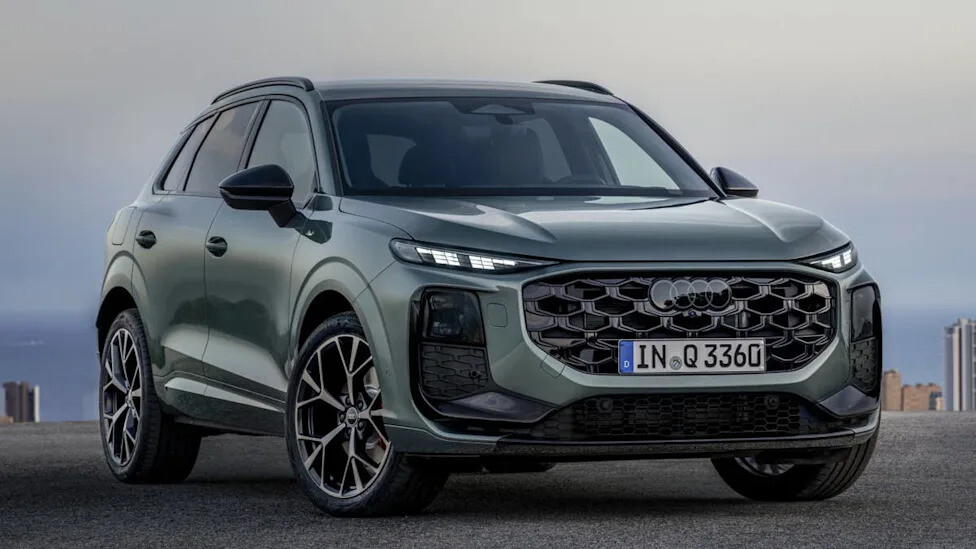
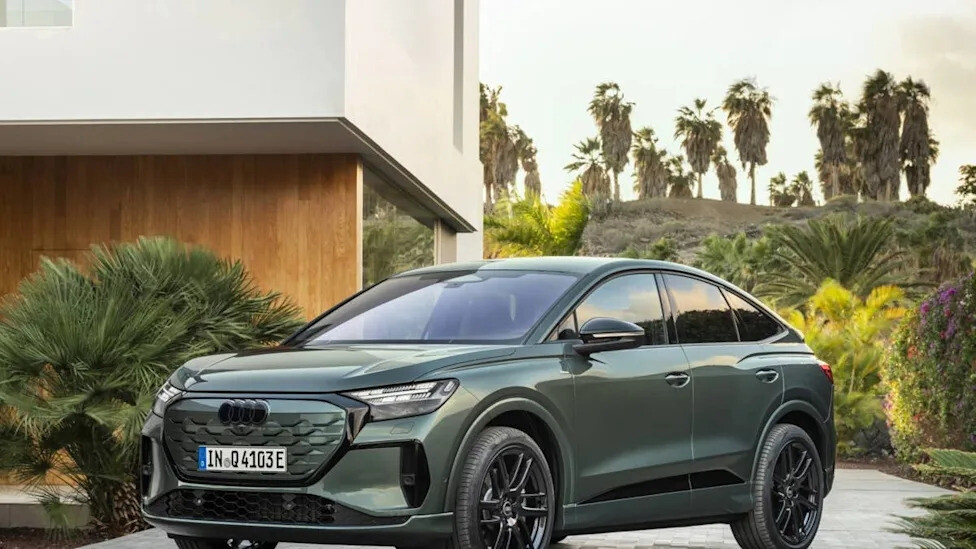
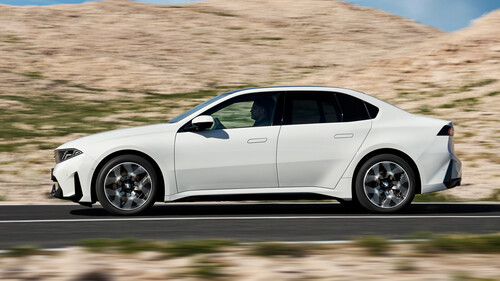
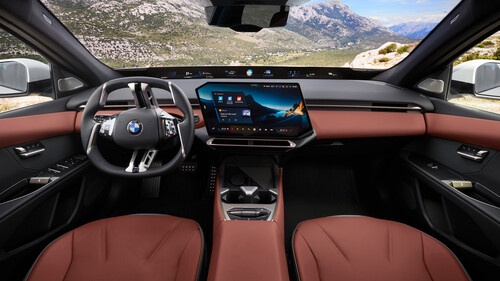
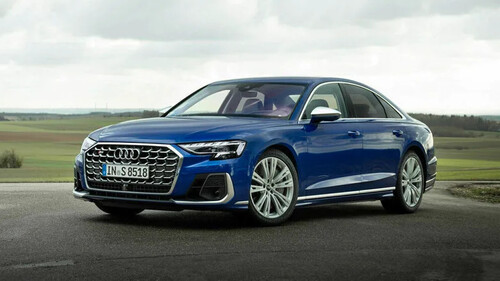
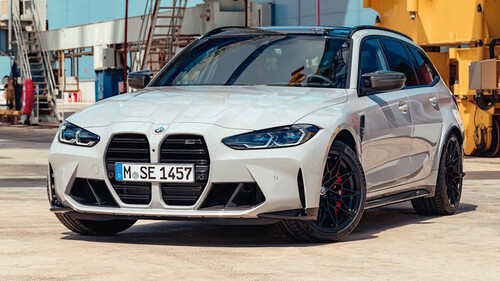
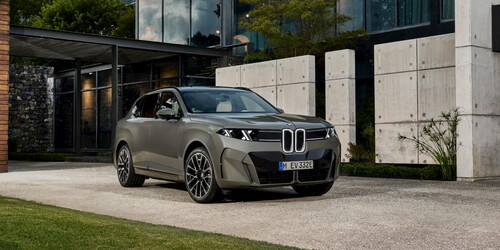
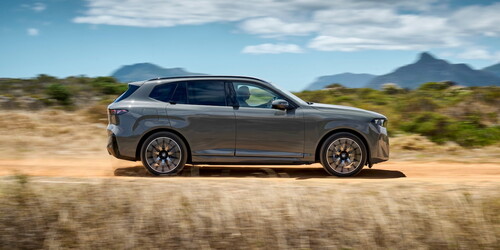
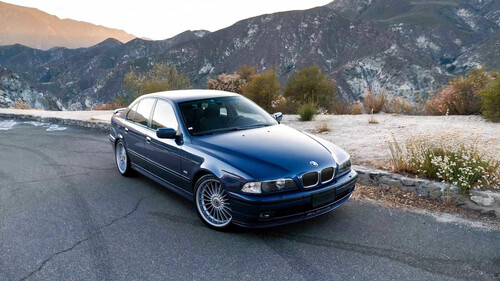
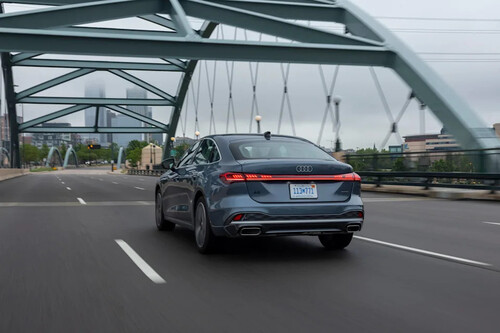
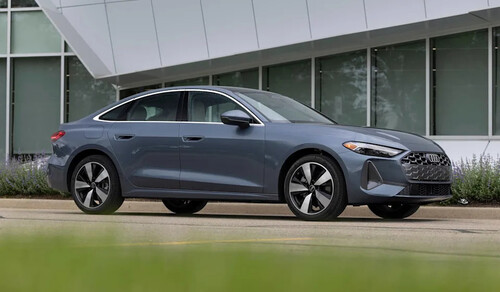
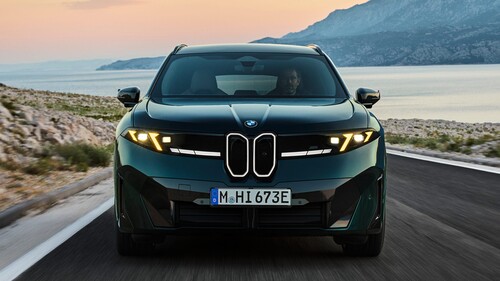
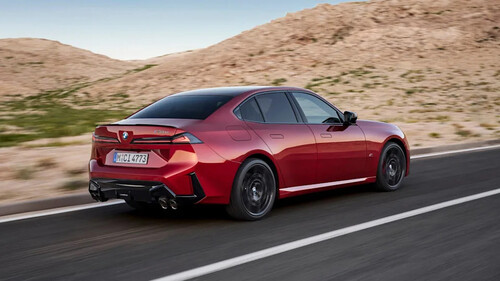
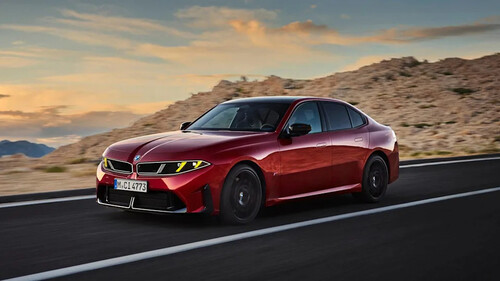
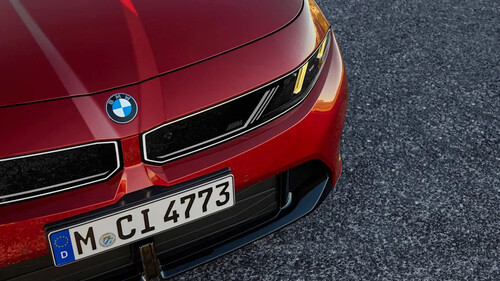
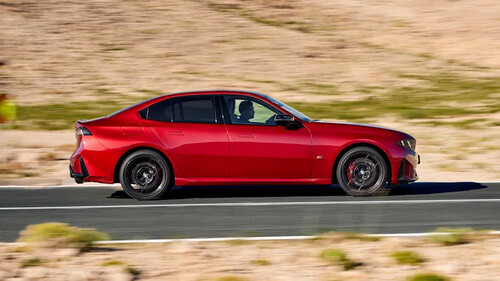
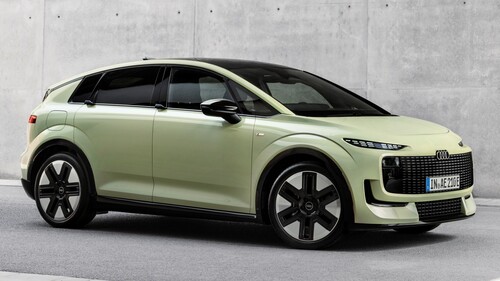
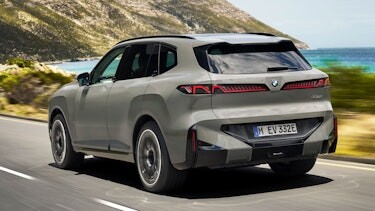
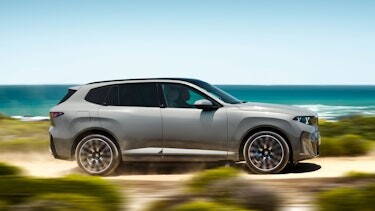
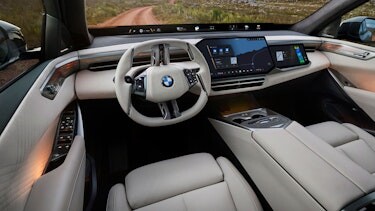
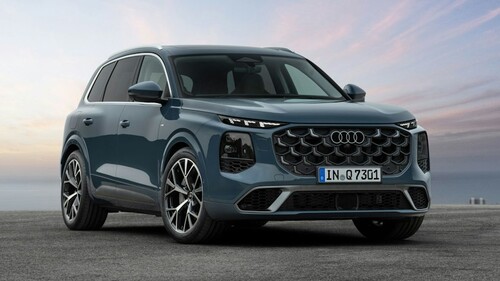
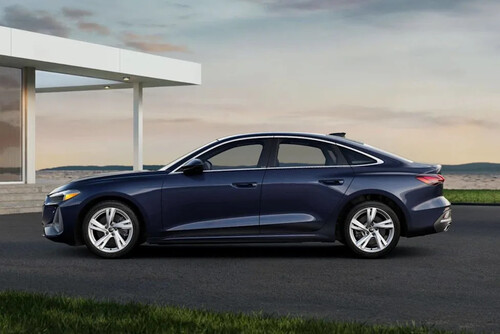
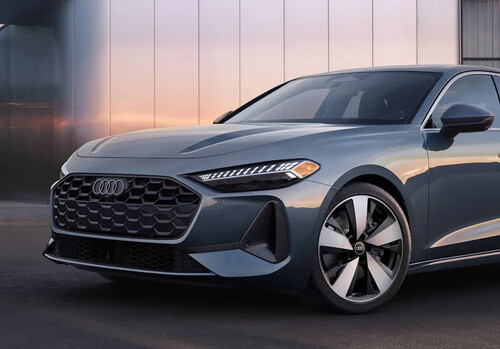
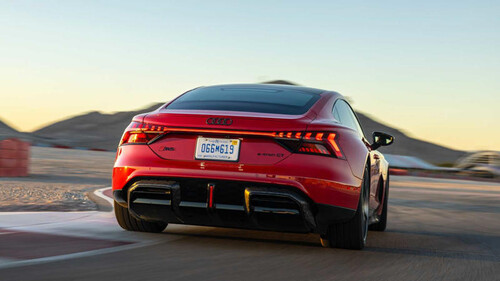
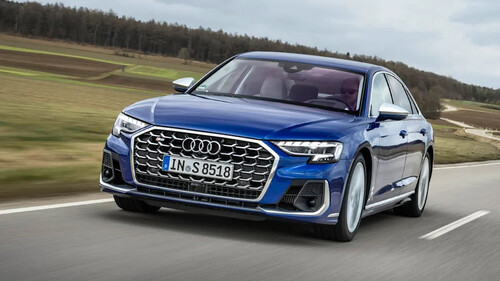
Autoblog and Yahoo may earn commission from links in this article.It's hard not to notice the design shift in newer Audis. No longer content to be the muted German luxury brand in terms of styling, Audi's front-end design is becoming bolder just as its sales soften, while BMW's controversial grille era has coincided with higher global volumes and record U.S. results. That contrast adds real-world data to the idea that daring design, however polarizing it is, can still move cars off showroom floors better than more conservative fare.AutoblogExtreme design cues don't always get received well by the automotive public. BMW took big risks by being daring with their front fascias, making their iconic kidney grilles look like visual offenses. But people who spend big money on premium brands want to be noticed, and that's how BMW succeeded. Their designs grew on people, but Audi started to fade into the background with its more conservative designs. Here's how the new generation of Audis is taking cues from BMW but in its own fresh way.Audi's Bold Front Fascias2026 Audi Q3Here are two generations of the Audi Q3 compact crossover. The one above is the new 2026 Q3. While the grille isn't much bigger than the 2025 (below), it gets a thicker bezeled frame and some rather large headlight surrounds/faux vents in black that frame the Audi grille. The slim and pixellated daytime running lights sit atop the headlight clusters. It's a much more striking front fascia that pushes the envelope of Audi designs for its SUVs, as well as its sedans.2025 Audi Q3Audi long built its image on meticulous restraint: tight surfacing, crisp lines, and a Singleframe grille that evolved incrementally rather than dramatically. The newest front fascias, especially on EVs and high-profile concepts, are vastly different from the more traditional versions—they stretch the grille graphic lower, deepen the grille frame, and lean on more intricate light signatures and aggressive intake treatment.2027 Audi Q4 e-tron SportbackAdvertisementAdvertisementElectrification gave Audi more freedom to treat the grille as a brand-defining canvas rather than for cooling like its gas cars, and the latest designs on their e-trons show how far they've pushed things. It's attempt at providing more artistically bold expression is evident, although it may not be considered beautiful. It seems Audi is acknowledging that being noticed like its more dramatic German rivals is better than being just conservatively attractive.Thinking about selling your car? Get an instant cash offer online now. Click here to get started.BMW's Bold Move and its OutcomesBMW iXBMWBMW started this shift years earlier when it blew up the scale of its kidney grilles on models like the 4 Series, X7, and iX, triggering a wave of online outrage and forum debates. They were called "beaver teeth" and "pig snout" by car critics, and it seemed like a horrilbe decision for such a German brand that produced such beauties as the M1 and the E39 5-Series. Despite the noise, BMW doubled down, even giving "beaver teeth" to the iconic M3 and two-door M4 coupe.2024 BMW M4 CSBMWThe sales data suggests the gamble has not hurt the brand's trajectory—and may have helped cement its visibility in a cutthroat industry. Globally, BMW Group passenger-vehicle deliveries were around 2.45 million units in 2024 and essentially flat but still strong at roughly 2.46 million in 2025, with the BMW brand alone delivering about 2.17 million vehicles that year. In the U.S., BMW set record or near-record volumes, with around 370,000 units sold in 2024 and low-single-digit growth over 2023. The proof is in the pudding for BMW. Their polarizing designs actually drew customers rather than sending them running for the hills. Audi was not so fortunate.Audi's Numbers in the Same Period2018 Audi Q5AudiAudi's recent global volumes weren't nearly as impressive. Worldwide deliveries were about 1.7 million vehicles in 2024, then slipped to roughly 1.62 million in 2025—a decline of around 3 percent year over year, with particular losses in the U.S. and China even as Germany grew slightly during the same period of time. Audi designs were attractive but not eye-catching. Models like the Q5, Q7, A3, A6, and A8 seemed rather vanilla, models of restraint. Only the A7, Q8, RS6 Avant, and the e-tron GT stood out with their more aggressive styling.Audi RS E-tron GT PerformanceCole AttishaAdvertisementAdvertisementThe brand has pushed more EVs into the mix, with more than 164,000 fully electric models delivered in 2024, but that tally was still down compared with the prior year. Audi's group revenue likewise dipped in 2024, with company materials citing lower wholesale numbers and model changeovers—exactly the period when these new faces are rolling into showrooms. It really couldn't come at a better time, and ironically it's when BMW is rolling out more conservative styling with their new Neue Klasse design language showing up on its EVs.Design Shock vs. Market Reality2026 BMW i4BMWBMW endured years of aesthetic outrage while still growing or stabilizing global sales, including strong performance for polarizing nameplates like the latest 4 Series and electric i4. Meanwhile Audi, which is only now cranking up the visual drama, is working through a period of declining global volumes and mixed regional performance. BMW has consistently outsold Audi, but the delta has only grown larger, with around half a million more cars sold globally than the Ingolstadt brand.2026 Audi RS7Kyle EdwardIt's hard to say whether or not the design changes at Audi will make a difference. The situation is more complicated than visuals. A sales turnaround for Audi is not happening in the short term, and it may be much longer before there's an appreciable uptick. Audi sales continue to decline for numerous reasons. BMW continues to handily outsell Audi in every segment, and with full redesigns of its X5 and 3-Series, Audi has an uphill battle on its hands.Final ThoughtsBold design alone neither guarantees success nor failure—but it can show that calculated risk can have great rewards, deliver an improvement in public perception, and also set a tone for the industry. BMW used its grille shock as a spotlight in a crowded luxury field and backed it with strategic product cadence and strong EV momentum. Audi appears to be adopting a similar front-end ethos at a moment when it needs to sharpen its identity. In that sense, Audi's new front fascia philosophy doesn't just resemble BMW's visual risk; it's chasing the same goal: bold recognition in a premium market where being conservatively tasteful just doesn't cut the mustard.AdvertisementAdvertisementDisclaimer: Autoblog aims to feature only the best products and services. If you buy something via one of our links, we may earn a commission.This story was originally published by Autoblog on Jul 1, 2026, where it first appeared in the Features section. Add Autoblog as a Preferred Source by clicking here.