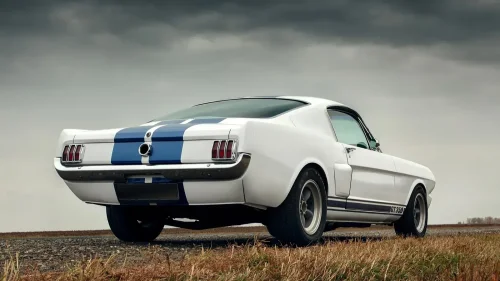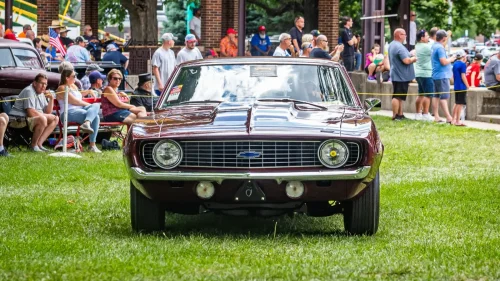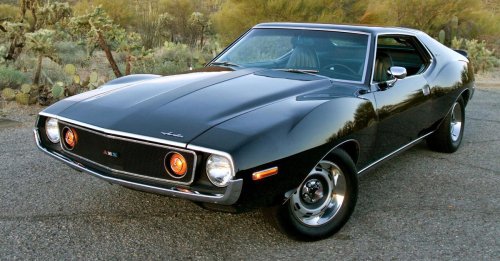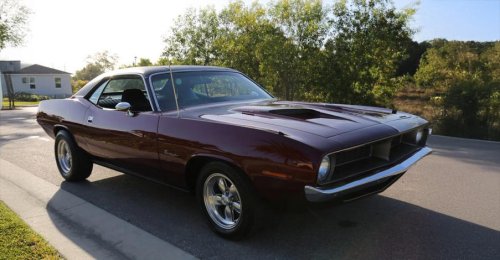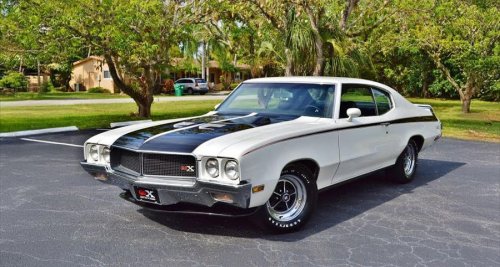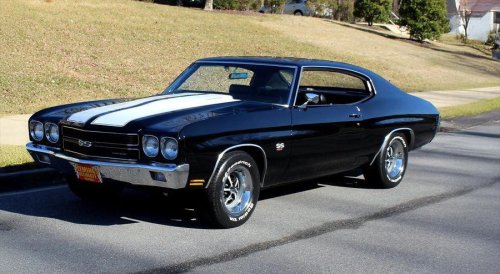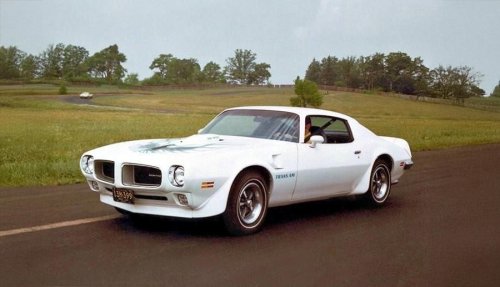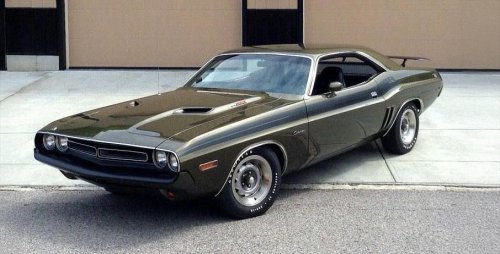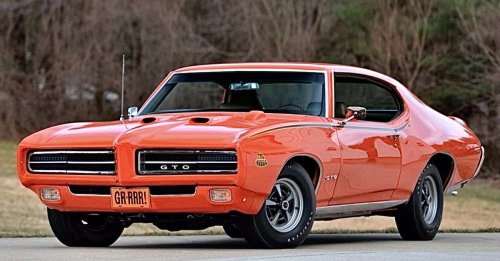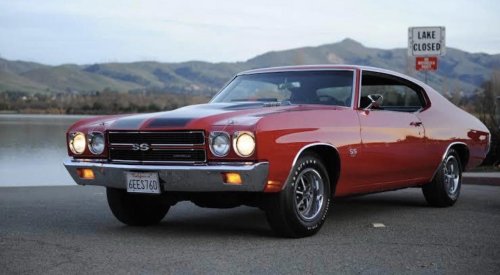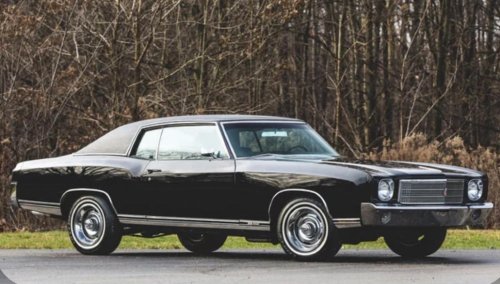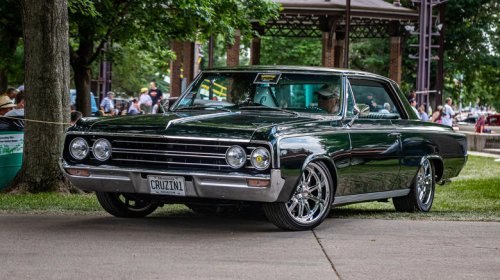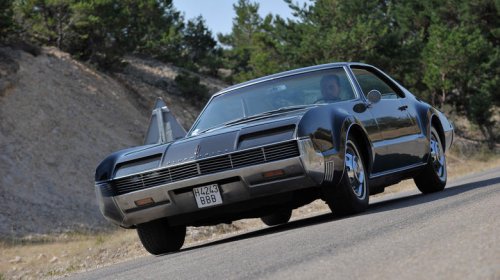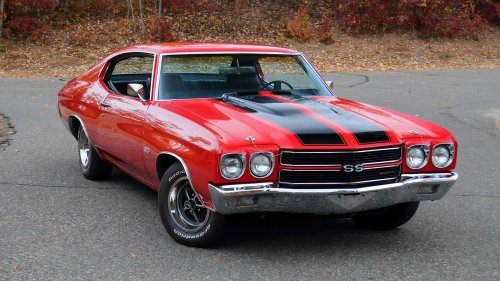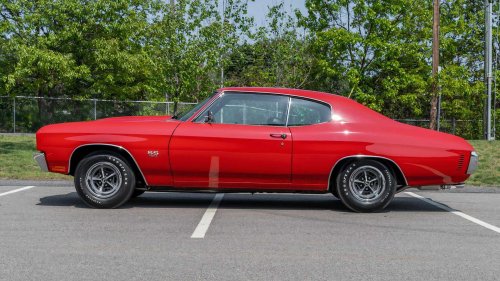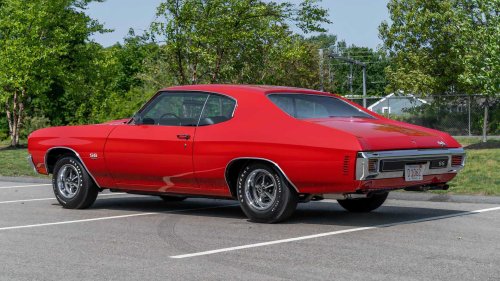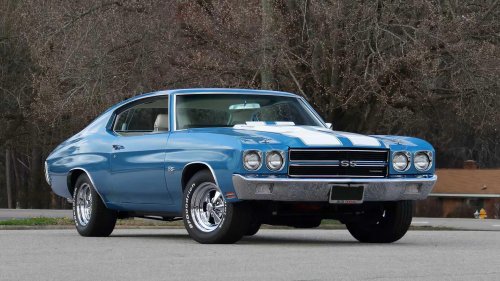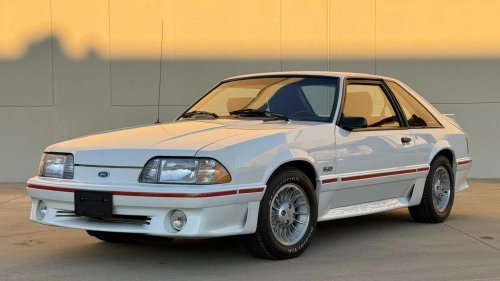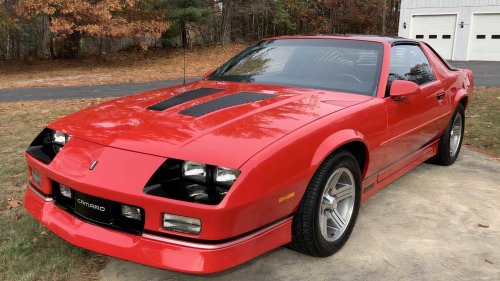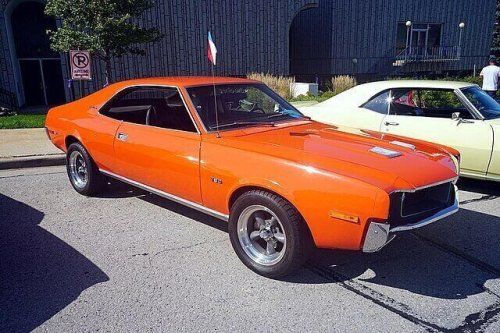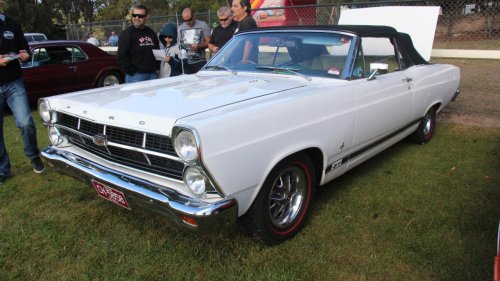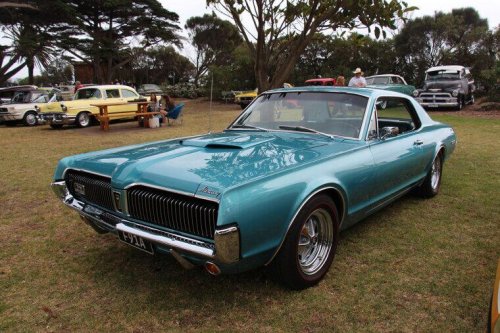
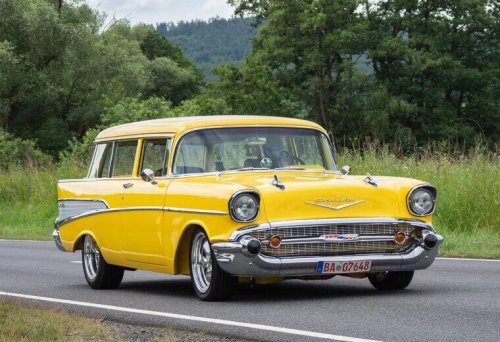
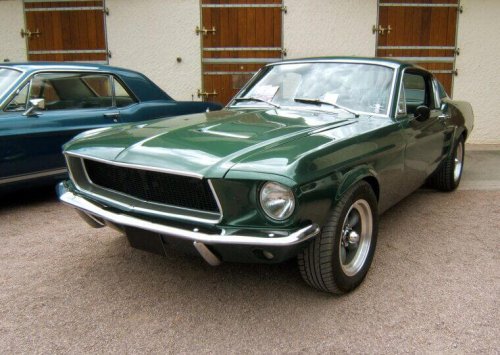
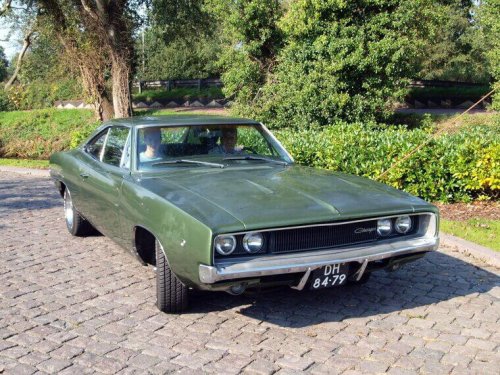
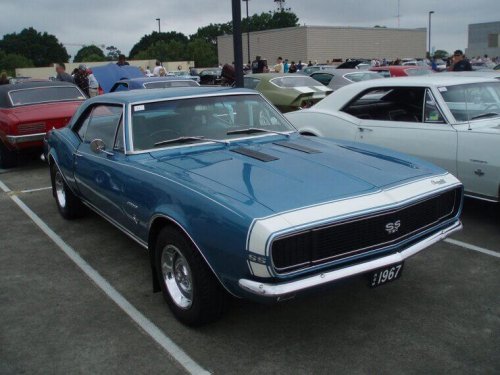
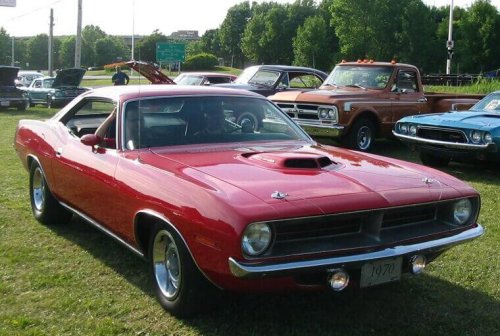
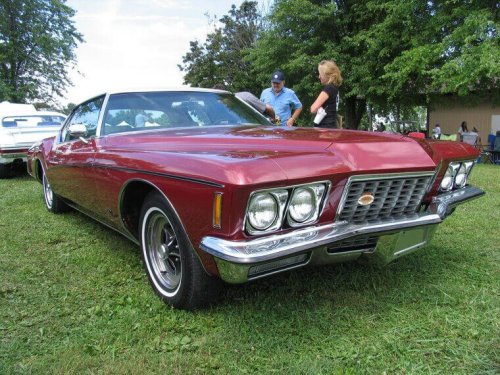
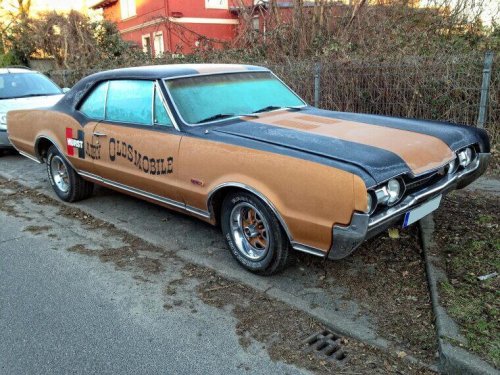
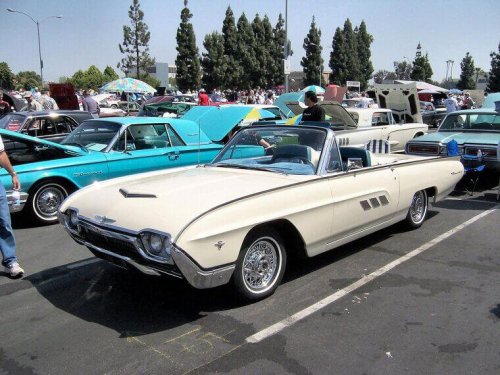
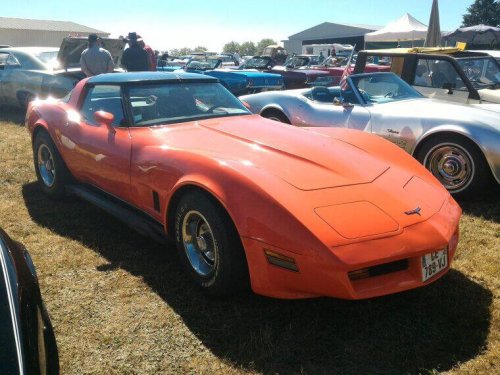
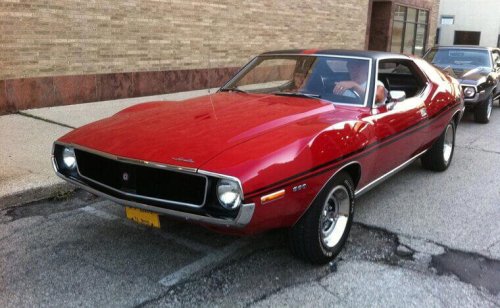
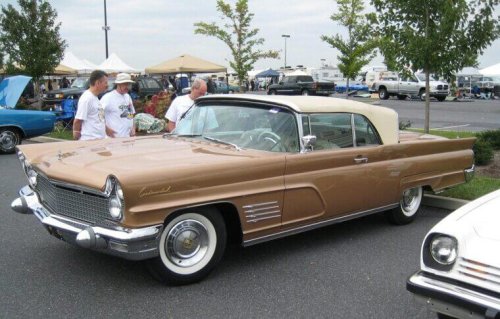
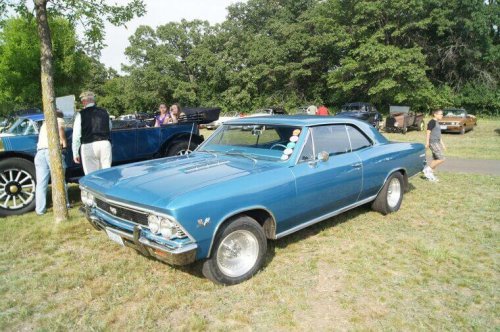



















The Mercury Cougar's Hidden ValueMercury's Cougar suffered from an identity problem in its own era—was it a luxury car or a performance machine? That ambiguity actually creates opportunity for today's collectors. Sharing platform DNA with the Mustang but offering more refined styling and available options, the Cougar occupied a genuinely unique market position. XR-7 versions with 390 or 428 engines represent particularly strong collector interest, with documented examples selling for $25,000-$45,000. The 1967-1968 models, before significant styling changes, remain most coveted among purists. Sequential taillights and hidden headlights added distinctive visual flair that Mustangs simply didn't offer. Values continue climbing steadily as collectors recognize the Cougar's unique blend of muscle car performance and luxury car refinement.The Chevrolet Bel Air's Timeless AppealFew cars evoke the 1950s quite like the Chevrolet Bel Air. With its chrome-laden grille, wraparound windshield, and gentle tailfins, it captured an era when American optimism rode on four wheels. Dads who cruised drive-ins in a '57 Bel Air weren't just driving a car—they were making a statement about postwar prosperity. Today, that statement carries a hefty price tag. Pristine convertible models can fetch well over $100,000 at auction, while even modest hardtop versions in good condition regularly sell for $40,000 or more. Collectors prize the two-tone paint schemes and factory-original V8 engines. What was once a family sedan has become a blue-chip investment, proving that nostalgia and horsepower age remarkably well together.Ford Mustang Fastbacks Command Big MoneyThere's something about the fastback silhouette that still makes hearts race. Ford's Mustang Fastback, especially the 1967-1968 GT390 models made famous by 'Bullitt,' represents peak American muscle car design. The sloping roofline wasn't just aesthetic—it improved aerodynamics for serious performance. Original Shelby GT500 fastbacks now command prices often exceeding $200,000, while standard fastbacks in solid condition routinely sell between $35,000 and $60,000. Documentation matters enormously here; a car with its original engine and verified production numbers can double in value overnight. Many fathers bought these as their first 'real' sports car, never imagining the modest coupe would become one of the most sought-after collectibles in American automotive history.Dodge Charger's Roaring V8 LegacyThat distinctive rumble echoing through suburban garages in the late 1960s? That was probably a Dodge Charger warming up. The 1968-1970 models, with their coke-bottle styling and available 426 Hemi engines, represent the pinnacle of Mopar muscle car engineering. R/T versions with the 440 Magnum or Hemi engines have become genuine unicorns in the collector market. A documented Hemi Charger can easily surpass $150,000 at auction, sometimes reaching seven figures for exceptionally rare configurations. Even standard 383-equipped Chargers in good condition now sell for $30,000-$50,000. The car's association with pop culture, from television to film, only amplified its legendary status. Dad's daily driver became automotive folklore.Chevrolet Camaro SS Values Keep ClimbingChevrolet's answer to the Mustang arrived in 1967, and the SS package immediately established the Camaro as a serious performance contender. First-generation SS models, particularly those with the 396 big-block engine, have seen remarkable value appreciation over the past decade. RS/SS combinations with documented options now regularly cross the $50,000 threshold at auction. What's driving this surge? Increasing scarcity combined with growing appreciation for American muscle car heritage. Second-generation Camaros from the early 1970s are also gaining collector attention, though prices remain more accessible. Original paint and unmolested interiors command significant premiums. These weren't just sports cars—they were affordable performance that let ordinary families experience genuine speed and style.The Plymouth Barracuda's Rare Collector StatusRarity creates value, and few cars demonstrate this principle better than the Plymouth Barracuda. While Mustangs and Camaros sold in massive numbers, Barracudas were comparatively scarce, especially in high-performance configurations. The 1970-1971 'Cuda models with Hemi engines represent the holy grail of muscle car collecting—some examples have sold for over $3 million at auction. Even six-cylinder base models now command $20,000 or more simply due to limited surviving numbers. Convertible versions add exponential value regardless of engine configuration. Many fathers who owned Barracudas didn't realize they were driving future legends; they just wanted something different from the crowd. That distinctiveness now translates into serious collector premiums decades later.Buick Riviera's Understated Luxury StyleNot every classic worth chasing roars with muscle car aggression. The Buick Riviera offered something different: refined power wrapped in genuinely elegant styling. Introduced in 1963, its clean lines and personal-luxury positioning attracted buyers seeking sophistication over raw horsepower. First-generation Rivieras, particularly 1963-1965 models with their distinctive hidden headlights, have quietly become serious collector items. Well-maintained examples now sell in the $25,000-$45,000 range, with exceptional cars exceeding $60,000. The Riviera's understated approach—substantial power delivered without ostentatious styling—appeals to collectors tired of screaming hood scoops and racing stripes. Dad might have chosen this over flashier options precisely because it whispered luxury rather than shouted performance.Oldsmobile 442 Muscle Sedans Gain ValueOldsmobile's 442 often gets overlooked in muscle car conversations, overshadowed by louder competitors from Chevrolet and Dodge. That oversight is starting to correct itself in collector circles. The name itself tells the story: four-barrel carburetor, four-speed transmission, dual exhaust. This engineering-focused approach produced genuinely capable performance cars throughout the late 1960s. W-30 models, Oldsmobile's top-tier performance package, have seen particularly strong value growth, with documented examples now selling between $40,000 and $75,000. The 442's combination of General Motors engineering quality and relative rarity compared to Chevelles makes it increasingly attractive to serious collectors. Sedan versions, once considered less desirable, are finally receiving appropriate recognition and corresponding price appreciation.The Ford Thunderbird's Cruising CharmPicture a summer evening drive with the top down—that's the Thunderbird experience Ford perfected across multiple generations. The original 1955-1957 two-seat Thunderbirds established personal luxury as a genuine American category, distinct from both economy cars and muscle cars. These early 'Baby Birds' now command $40,000-$70,000 depending on condition and originality. The 1961-1963 'Bullet Bird' generation, with its distinctive projectile styling, offers slightly more accessible entry points around $25,000-$40,000. Convertible versions naturally command premiums over hardtops. What made Thunderbirds special wasn't raw performance but rather comfortable, stylish cruising capability. Fathers who owned these weren't racing anyone; they were simply enjoying the journey, and that philosophy still resonates with today's collectors.Chevrolet Corvette Stingrays Still Turn HeadsSleek, sculpted, and undeniably dramatic—the Corvette Stingray redefined what an American sports car could look like. The 1963-1967 C2 generation introduced independent rear suspension and that unforgettable split-window design for the initial model year. Split-window '63 Corvettes have become particularly coveted, with exceptional examples exceeding $150,000 at auction. Big-block 427 versions from 1966-1967 offer serious performance credibility alongside collector appeal. Even smaller-block small-window models regularly sell for $60,000-$100,000 today. Corvettes occupy a unique position in American automotive history: genuine sports car performance without European price tags or reliability concerns. This accessibility, combined with distinctive styling, ensures continued strong demand from collectors who remember riding shotgun as children.AMC Javelin, an Overlooked GemAmerican Motors Corporation never had General Motors' budget or marketing muscle, yet the Javelin managed to compete respectably in the pony car wars. This underdog status now works in its favor within collector circles. Production numbers were significantly lower than Mustang or Camaro competitors, creating natural scarcity that's only increasing with time. AMX versions, essentially two-seat performance variants, command particular attention from serious collectors, with documented examples selling for $30,000-$50,000. Standard Javelins remain more accessible, often available for $15,000-$25,000 in good condition. The car's distinctive styling, featuring that unmistakable tunneled rear window, gives it genuine visual character. Collectors increasingly appreciate vehicles that dared to be different rather than simply following established formulas.Lincoln Continental's Elegant Road PresencePresidential motorcades. Hollywood glamour. The Lincoln Continental occupied rarified territory during the 1960s, representing American luxury manufacturing at its absolute peak. The fourth-generation models, particularly 1961-1969 examples with their distinctive rear-hinged 'suicide doors,' have become genuine automotive icons. These weren't cars for everyone—they were statements of arrival and success. Well-preserved convertible versions now regularly exceed $80,000 at auction, while hardtop sedans command $30,000-$50,000 depending on condition. What separates Continentals from other luxury classics is their combination of restrained styling with genuine engineering substance. Suicide door mechanisms alone required precision manufacturing that few competitors could match. Dad's Continental wasn't just transportation; it was a rolling declaration of achieved success.Chevrolet Chevelle SS Prices on the RiseBetween 1968 and 1972, Chevrolet's Chevelle SS established itself as legitimate competition for Pontiac's GTO and Dodge's Charger. The SS396 package, later upgraded to SS454, delivered genuine big-block performance in accessible mid-size packaging. What's happening now in the collector market reflects broader appreciation for this era's engineering achievements. Documented SS454 models with the LS6 engine option have seen values surge past $80,000, while more common SS396 examples typically sell between $35,000 and $55,000. Convertible versions command significant premiums over coupes regardless of engine configuration. The Chevelle's combination of General Motors build quality, genuine performance credentials, and relative production volume compared to rarer competitors makes it increasingly attractive to collectors entering the muscle car market.