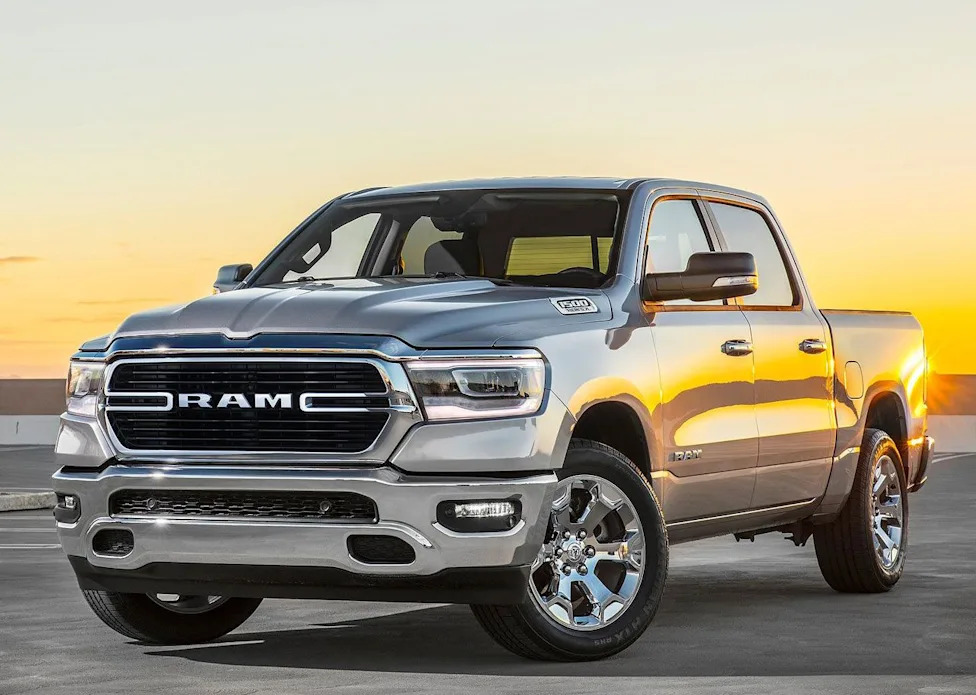
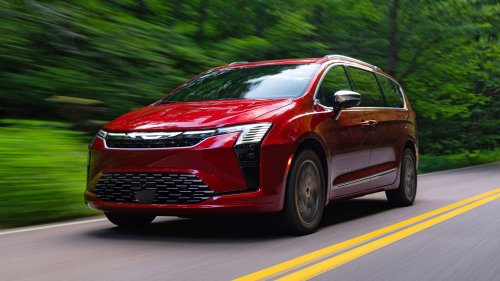
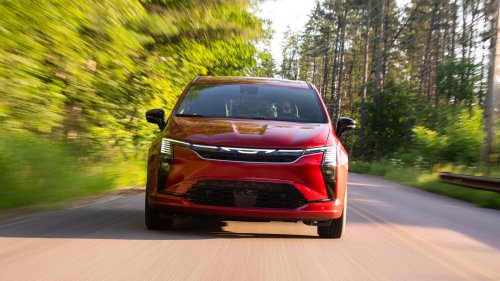
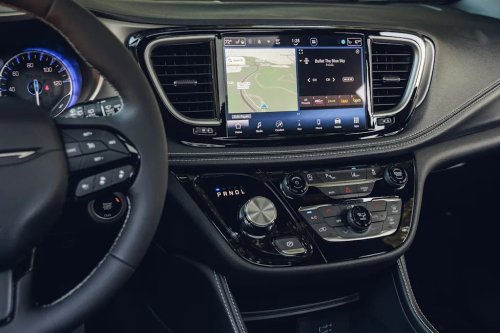
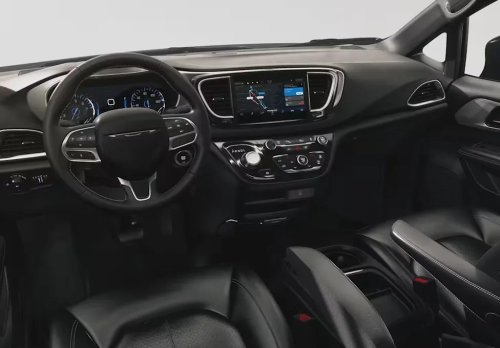
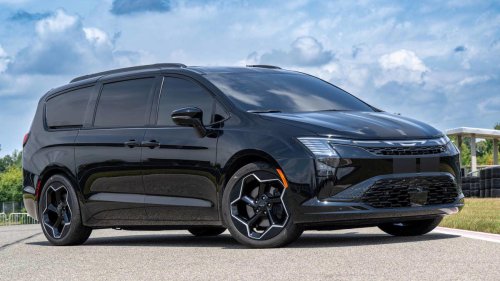
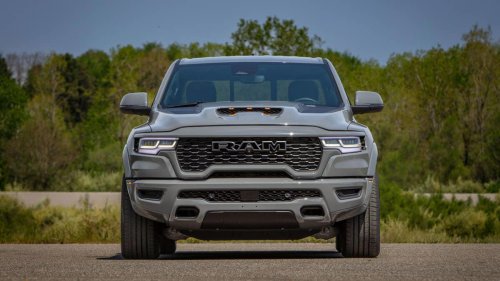
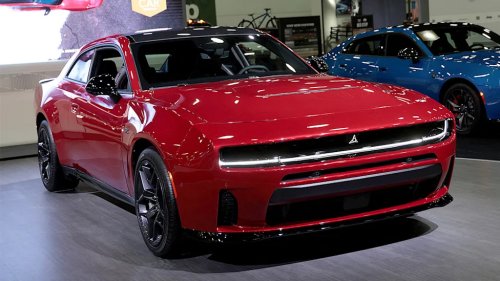
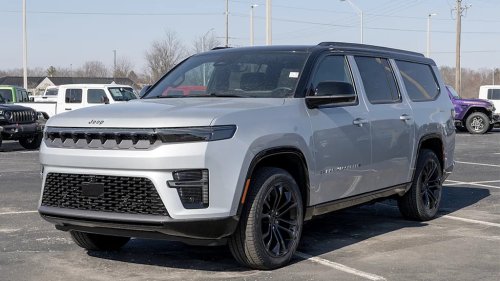
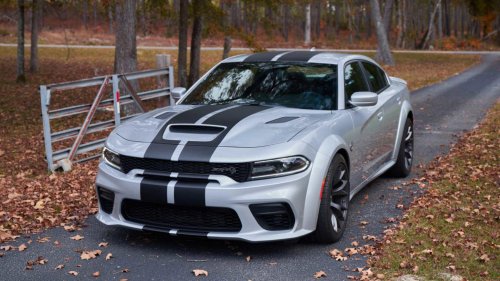
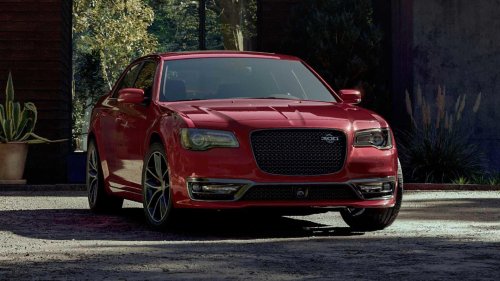
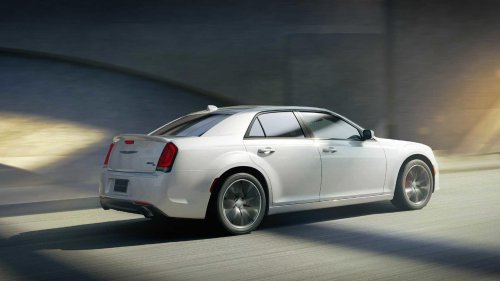
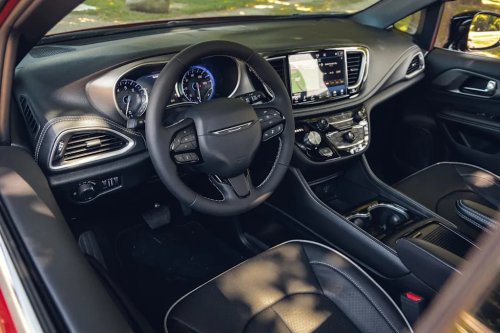
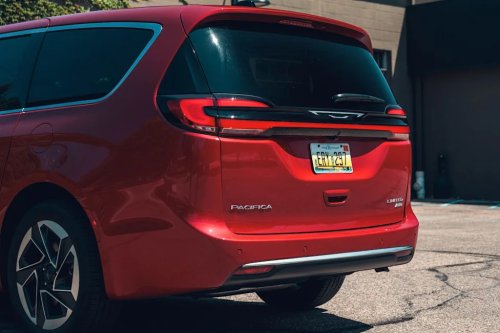
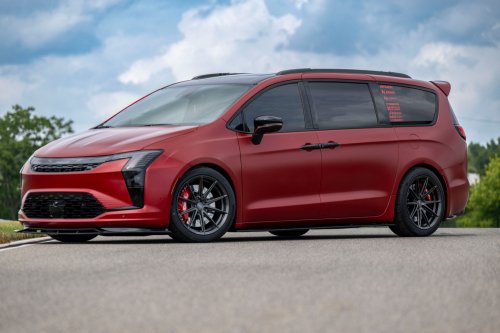
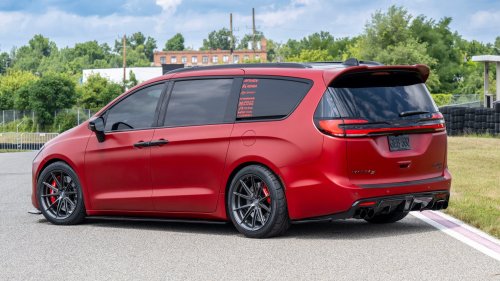
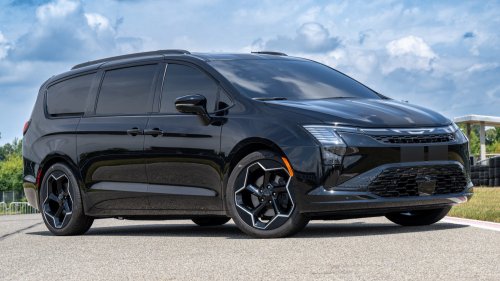
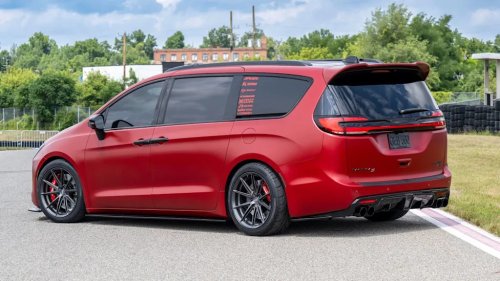
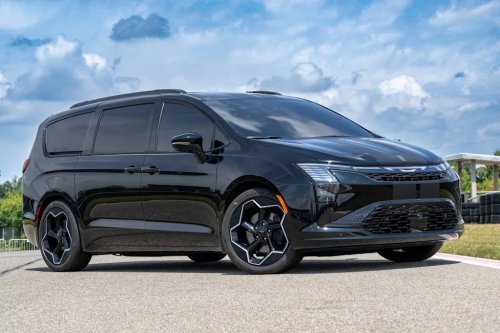
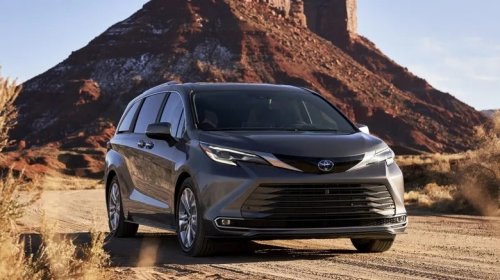
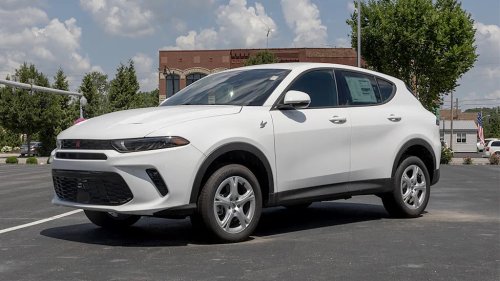
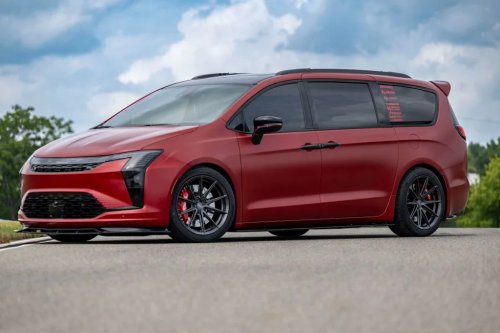
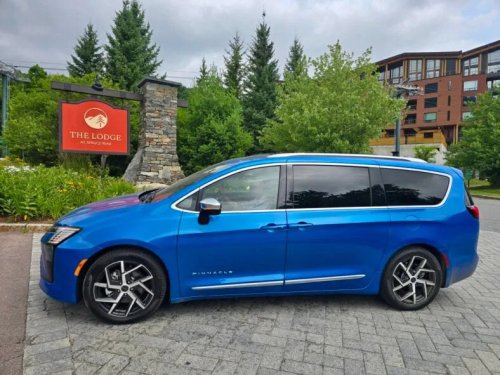
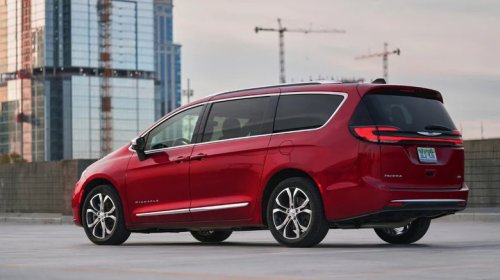
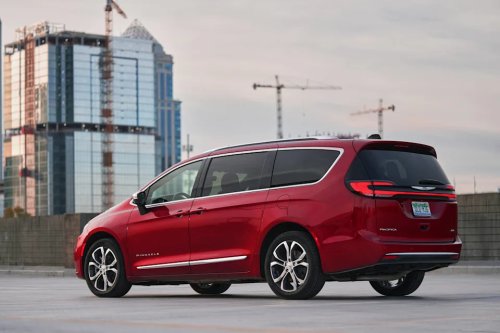
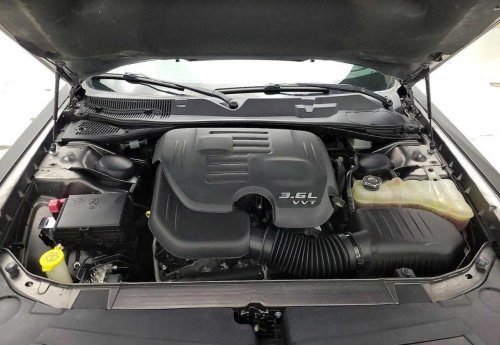
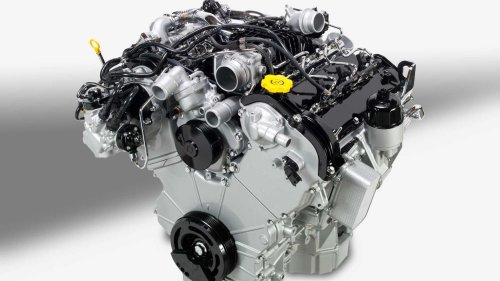
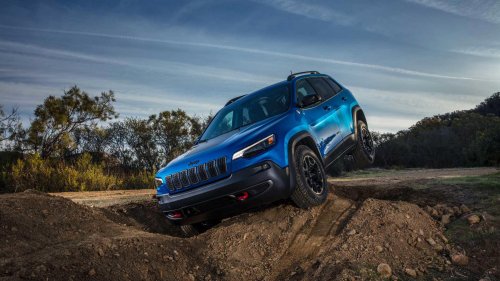
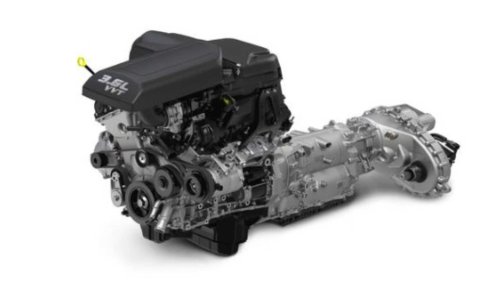
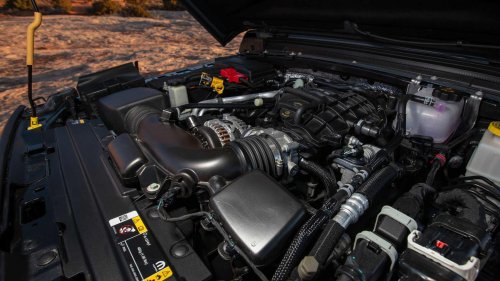
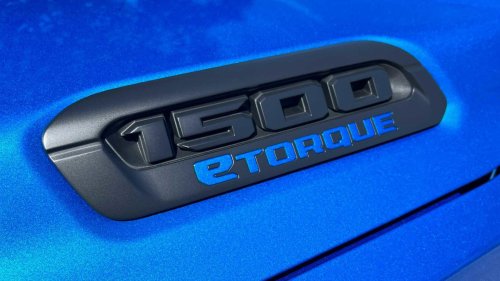
Jump LinksOne Engine Does It AllThe 3.0-liter PentastarThe 3.2-liter PentastarThe 3.6-liter PentastarA Couple More Tricks Up Its SleeveThe 3.6-liter Pentastar V6 is a reliable workhorse that has earned the respect of the car community. Since its 2011 debut, this stalwart six-cylinder has become an essential part of the Stellantis engine lineup, powering a wide range of vehicles across the Chrysler, Dodge and Jeep brands. Delivering up to 305 horsepower, the Pentastar is the backbone of the brands' available engines, powering some of the most popular vehicles like the highly capable Jeep Wrangler off-roader and a quintessential family hauler, the Chrysler Pacifica. Long-serving and battle-tested, the Pentastar remains one of FCA/Stellantis' most successful engines ever produced.If your vehicle is exhibiting any of the problems associated with the Pentastar engine listed below, it is advisable to have your vehicle inspected by a qualified repair technician for an accurate repair and diagnosis. The Chrysler Pentastar V6 History: 15 Years Of American Power One Engine Does It All Carmax In 2009, Chrysler first publicly unveiled the Pentastar V6 at the New York Auto Show. This was to be the replacement V6 for the aging and problematic single overhead camshaft Chrysler LH and Powertech V6 engines that were known for their numerous issues. These engines were notorious for rocker arm and lifter failures, lots of oil sludging and lubrication problems, coolant leaks and even head gasket failures. Chrysler needed an ace in the hole V6 that could be easily adapted to multiple platforms, all while providing enough power and efficiency to keep customers happy.The Pentastar was a major relief for both Chrysler and its customers, as the new V6 addressed many of the lubrication and cooling problems caused by the ill-designed but compact V6 engines that came before it. That's not to say that Pentastar V6 engine problems were nonexistent for the new block. Rocker-arm problems persisted, and cylinder head-related issues were also experienced by some owners, but it was a vast improvement over the older SOHC V6. Production began in 2010, and the engine was available in many 2011 model year vehicles.Stellantis The construction of the Pentastar is rather straightforward; a 60-degree aluminum block, with dual overhead camshafts, and 24 valves. As it was designed for application across numerous vehicles, it was originally designed in several sizes; 3.0, 3.3, 3.6 and 4.0 liters. By the time the Pentastar went into production, the 3.3- and 4.0-liter versions were dropped. The smaller 3.0-liter was never offered in the United States but was used in prominent Chrysler and Jeep models in both Russia and China.The 3.2-liter was the only other Pentastar engine used in the United States, aside from the versatile and capable 3.6-liter. Each different engine variant was tuned uniquely for its size and application. By a very wide margin, the 3.6-liter Pentastar is the most broadly used version today. It is very adaptable and is reliably used in pickup trucks, SUVs, minivans and cars. To prove its ability and strength, the Pentastar has even found homes in work/cargo vans and some performance-oriented vehicles as well, such as the Dodge Challenger and the Dodge Charger.ModelYear(s)SegmentEngineChrysler 2002011–2014Sedan3.6-literChrysler 3002011–2023Sedan3.6-literChrysler Town & Country2011–2016Minivan3.6-literChrysler Pacifica2017–PresentMinivan3.6-literChrysler Aspen2011–2012SUV3.6-literDodge Avenger2011–2014Coupe/Sedan3.6-literDodge Challenger2011–2023Coupe3.6-literDodge Charger2011–PresentSedan3.6-literDodge Journey2011–2020Crossover3.6-literDodge Durango2011–PresentSUV3.6-literDodge Caravan2011–2020Minivan3.6-literJeep Grand Cherokee2011–PresentSUV3.6-literJeep Cherokee (KL)2014–2022SUV3.2-literJeep Wrangler (JK & JL)2012–PresentSUV3.6-literJeep Gladiator2020–PresentMidsize Pickup Truck3.6-literRam 15002013–PresentFull-size Pickup Truck3.6-literRam ProMaster (1500/2500/3500)2014–PresentFull-size Cargo Van3.6-literVolkswagen Routan2011–2014Minivan3.6-liter read more Pentastar V6 Applications Through The Years The 3.0-liter Pentastar Stellantis*Varies dependent on make and modelThe smaller but still versatile 3.0-liter Pentastar V6 was never available for the US market. It was developed primarily for oversees markets in China and Russia. It accounted for only 0.4% of total Pentastar engines built between 2013 and 2020. The 3.2-liter Pentastar Stellantis*Varies dependent on make and modelThe 3.2-liter was available in the United States. However, it was only offered in one model, which was the 2011–2022 Jeep Cherokee KL and accounted for only 5.6% of total Pentastar engines produced between 2013 and 2021. This engine is not as robust as its bigger brother, with the 3.6-litter Pentastar V6's reliaibility overshadowing the 3.2L, which had several major issues. The 3.2-liter Pentastar saw failures of its rocker arms/cam followers and oil cooler, and had oil consumption problems. The timing chain tensioners were also known to fail. This would cause a noticeable rattle from under the hood. This engine can be reliable, with a good and regular maintenance routine that includes frequent oil changes using high-quality oil. The 3.6-liter Pentastar Stellantis*Varies dependent on make and modelThe 3.6-liter Pentastar is the heavy lifter of the Chrysler Pentastar engine line. Its application is seemingly unending, and it's a major improvement over the older V6 engines produced by Chrysler. Often referred to as a solid work horse, the 3.6-liter is known to be smooth, torquey, and capable of high mileage with proper maintenance. It offers real world performance and fuel economy you could expect from a powerful V6 engine. However, the early versions of the 3.6-liter did have some growing pains. The first few years for the 3.6-liter Pentastar saw valve train issues, roller rocker arm failures, oil filter housing/oil cooler leaks, head gasket failures and excessive oil consumption.In 2016, Chrysler released a revised 3.6-liter Pentastar, with some serious improvements. The heads were completely redesigned to include larger intake ports, having a profound improvement in flow, in conjunction with revised combustion chambers. The rocker arms were also strengthened and utilized revised roller bearings.Stellantis North America The compression was bumped up in many tunes for overall power gains and efficiency improvement. The intake manifold now had shorter runners and improved flow to match the revised heads. The oil pump was upgraded to a variable displacement type and the oil cooler was reinforced to solve the cracking of the previous design. Improved exhaust flow was made possible thanks to updated exhaust manifolds and the engine control unit was recalibrated and tuned for better throttle response. On top of those significant improvements, the revised 3.6-liter Pentastar engine saw improvements to its variable valve timing (VVT) system and its two-stage variable valve lift (VVL). New piston rings were utilized as well as improved fuel injectors and ignition coils, and a cooled exhaust gas recirculation (EGR) system was added. These revisions resulted in lowered internal friction and lower overall weight, which, in turn, led to more horsepower and better fuel economy.The 3.6-liter Pentastar was reborn to become one of the best V6 engines ever produced by FCA, with over 16 million units powering 17 models between Chrysler, Dodge and Jeep, the 3.6-liter accounted for a staggering 53% of total Pentastar engines produced. The Most Versatile V6 In America A Couple More Tricks Up Its Sleeve RAMThe first-generation Pentastar V6 was designed with flex fuel in mind and rated for E85. This was evident by not only special badges affixed to the car, but the bright yellow gas cap that was used. This gave owners the option to use ethanol blends of up to 85%. As the 2016 revisions brought higher compression ratios, a new head design, and different tunes, the flex fuel system was omitted for reasons of efficiency and emissions.Joel Stocksdale / CarBuzz / Valnet The higher compression ratios made the use of E85 less practical without major calibrations. Although the flex fuel option was no longer available, the already multipurpose 3.6-liter gained a mile hybrid system beginning in the 2019 model year for select models. The new eTorque system adds a 48-volt, belt-driven starter-generator that is capable of a near-seamless start and stop function. Additionally, it provided a modest amount of torque assist during acceleration (up to 90 lb-ft of torque assistance). This boosted fuel economy but the 3.6L Pentastar V6's horsepower could still reach up to 305 hp, depending on application.





















 +50 others