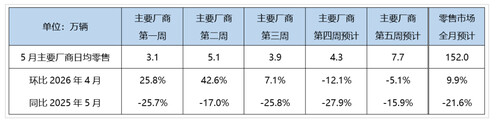
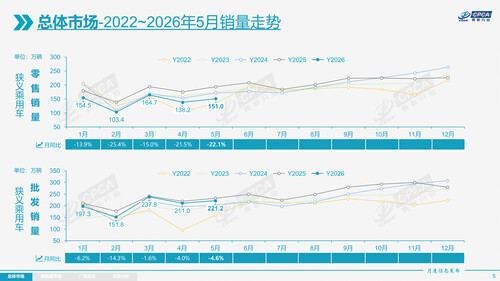
Alexander Morgan · 6 months ago@alexandermorgan17China NEV Retail Penetration Hits 57.7% in Early April Despite Market Slowdown Liked by+1 othersPost commentRelated PostsChina Passenger Car Retail Sales Fall 23% in First Three Weeks of June, NEV Penetration Hits 63.8% 15 · Claire Girard · 4 months agoDespite the Criticism, Ferrari's $586,600 Luce EV Is Flying Off the Shelves in China 78 · Henry Brown · 3 months agoChina NEV Retail Sales Fall 14% in Early June, Penetration Rate Hits 66.7% 24 · Camille Carter · 4 months agoGeely Galaxy ZJ700 Hits Market With Limited-Time Pricing Starting at RMB 169,800Madeleine Lewis · 14 days agoBehind a 57% NEV Penetration Rate, What Battle Is Geely Fighting? 69 · Audrey Fortin · 3 months agoChina NEV Retail Sales Fall 8% in June 1–14 as Penetration Nears 64% 22 · Connor Lavoie · 4 months agoDespite Early EV Promises, Volvo Will Keep Gas Engines For a Lot Longer 91 · Leo Brown · 12 months agoNissan’s High-Tech China Sedans Hit Early Recall Over Accelerator Pedal Risk 29 · Zoë Harris · 5 months agoBYD Ti 7 Hits Market in UzbekistanAva Anderson · 16 days agoTesla’s China-Made EV Sales Hit 85,670 Units in Mar as NEV Market Recovers 88 · Justin Brown · 6 months ago2027 JETOUR ZONGHENG G700 Hits MarketGabriel Smith · 18 days agoBYD's NEV Deliveries in the UK Reach 100,000 Units, Market Share Rises to 7.2% 88 · Adam Pelletier · 4 months agoChina NEV Retail Sales Reach 974K in May, Penetration Climbs to 63% 76 · Aiden White · 4 months agoLUXEED RX hits market with up to 852 km of CLTC range, priced from RMB 259,800 48 · Owen Martin · 27 days agoChina NEV Retail Sales Fall 11% in May 1–24, Penetration Hits 62.5% 77 · Emma Brown · 5 months agoAll-New IM LS6 Hits Market, Starts at RMB 197,900 54 · Sarah Leblanc · 27 days agoICE Sales Down 39%, Has NEV Growth Stalled? The Truth Behind the May Auto Market 61 · Jenna Anderson · 4 months agoChina NEV Retail Sales Fall 11% in May 1–24, Penetration Reaches 62.5% 15 · Victoria Mitchell · 5 months agoDENZA N8L SUV's BEV version hits market, starts at RMB 299,800 22 · Abigail Hall · 1 months agoGAC enters UK NEV market as European push gathers pace 11 · Emma Hall · 4 months ago




 +1 others