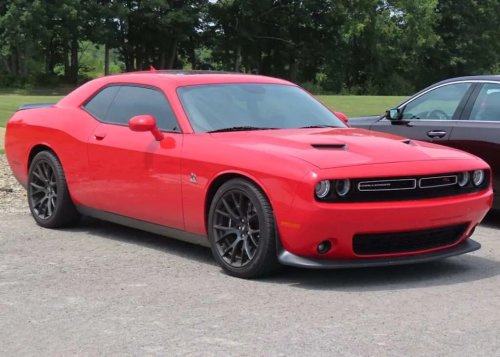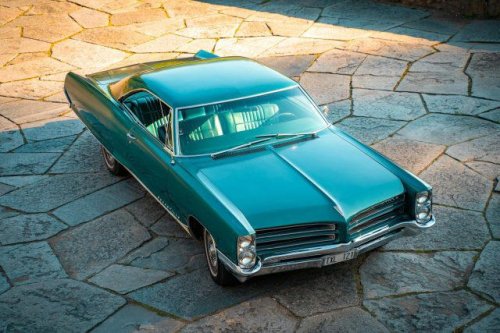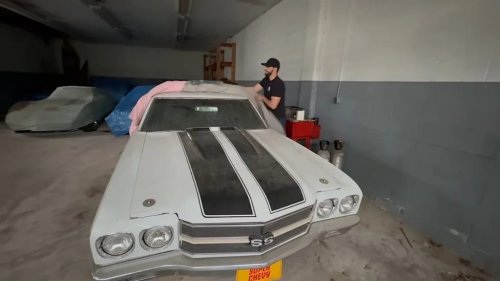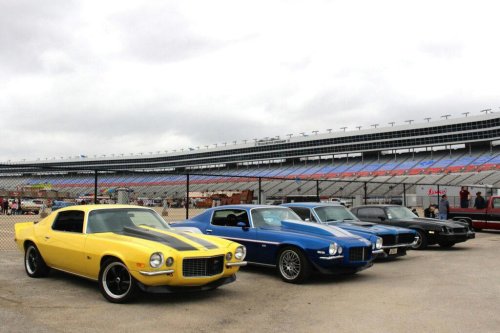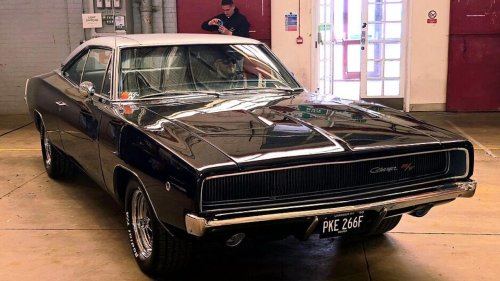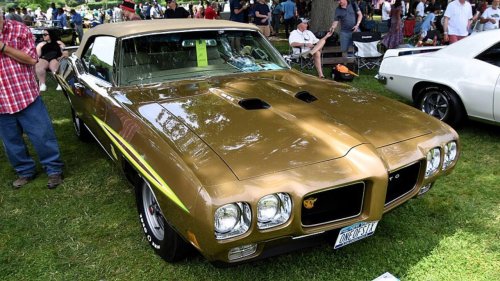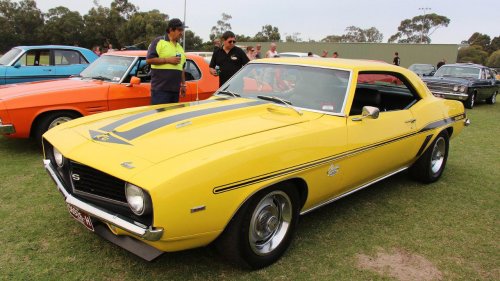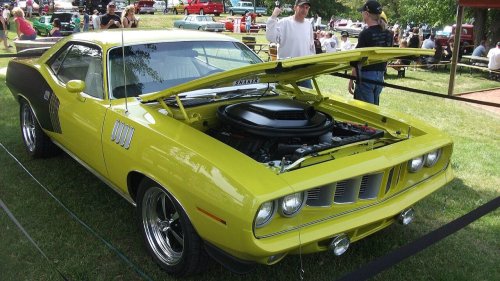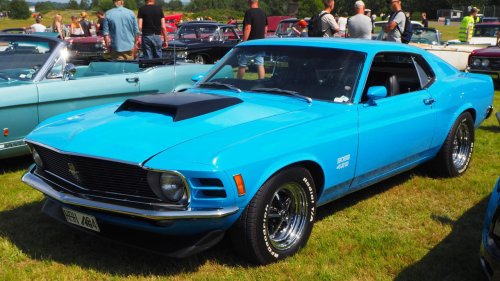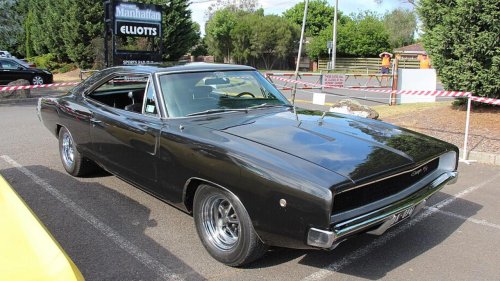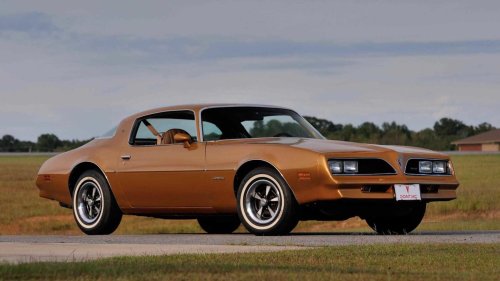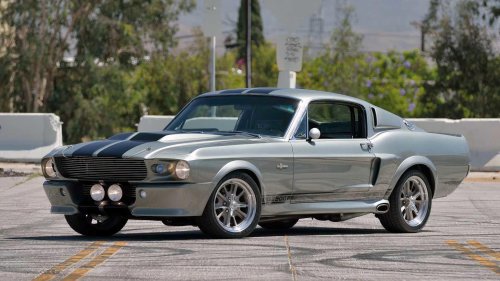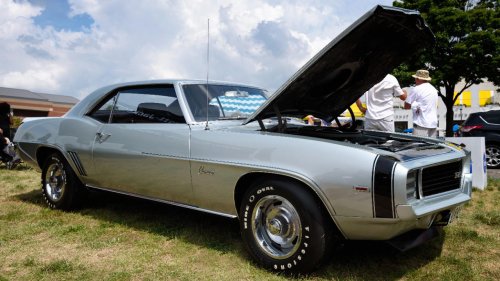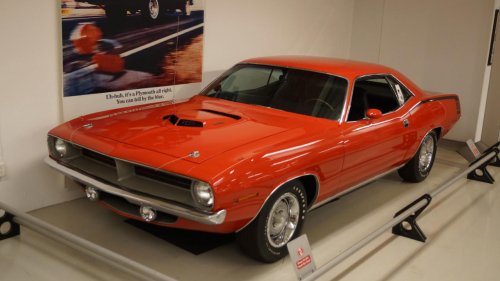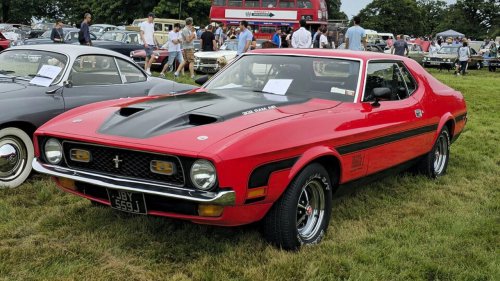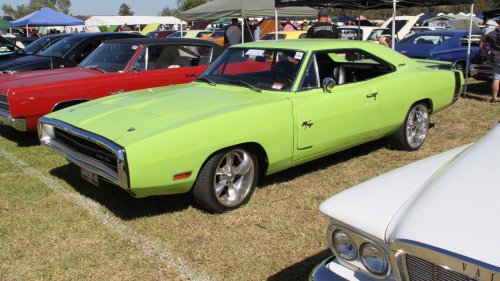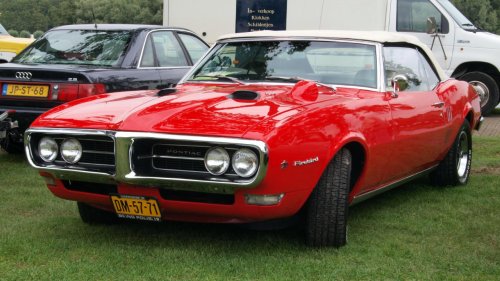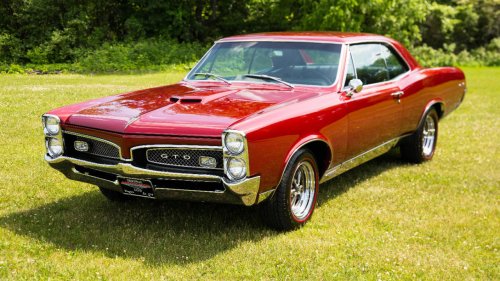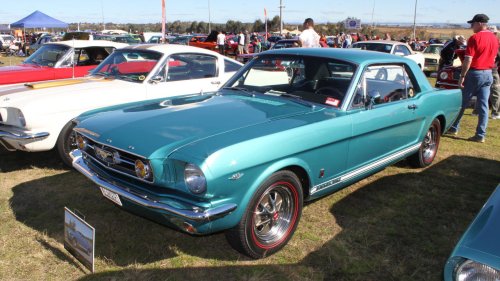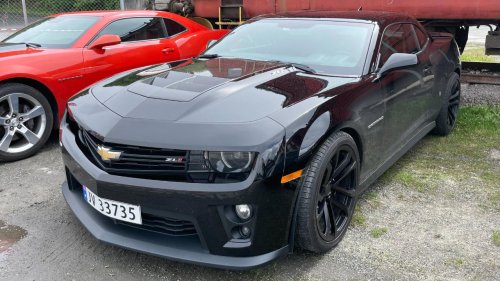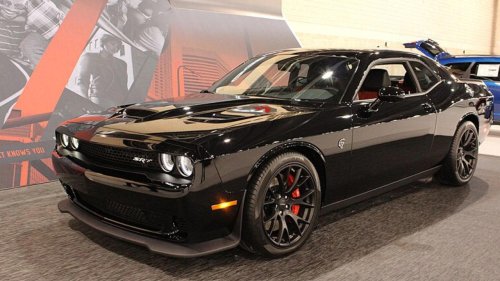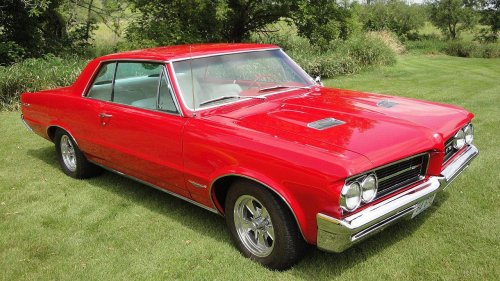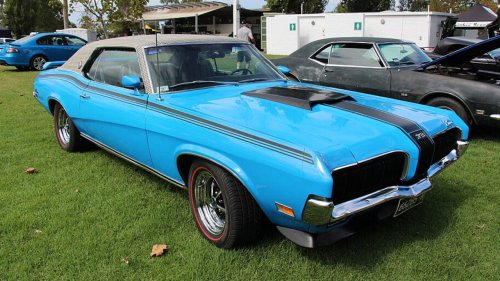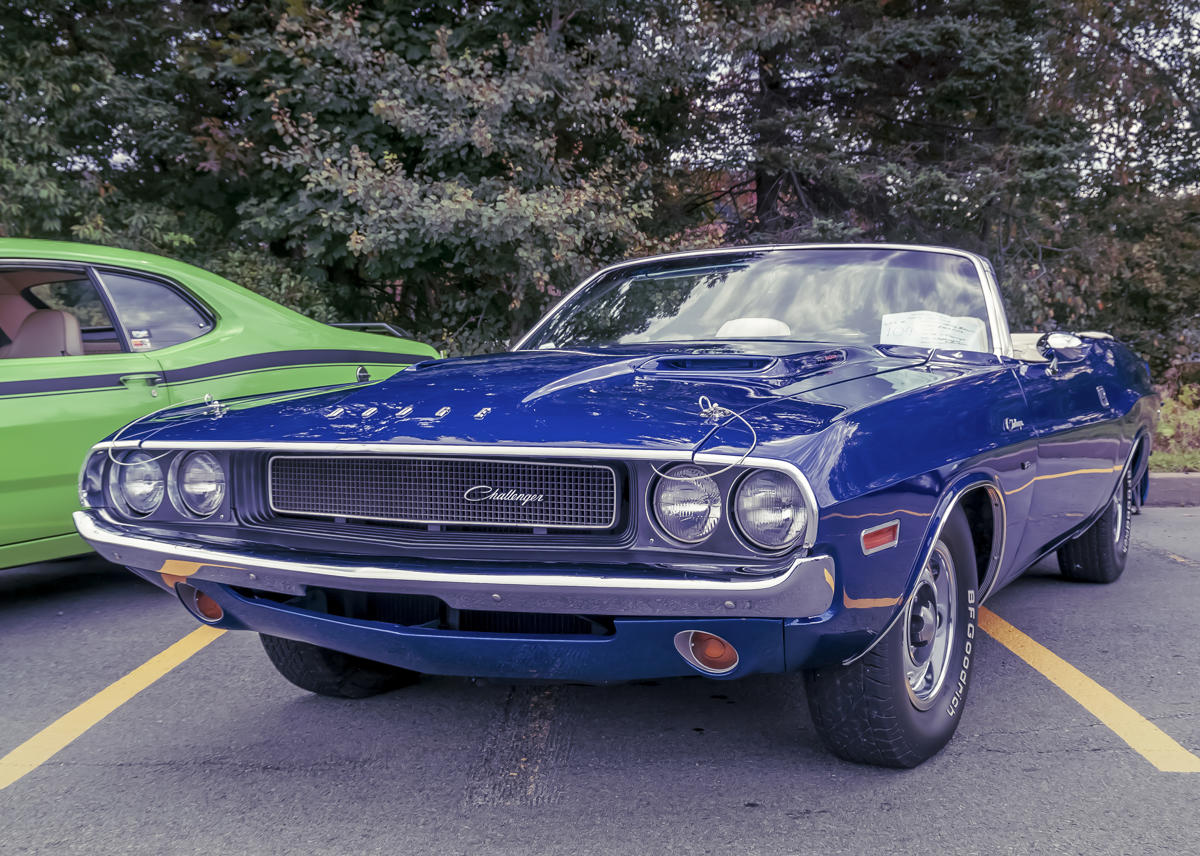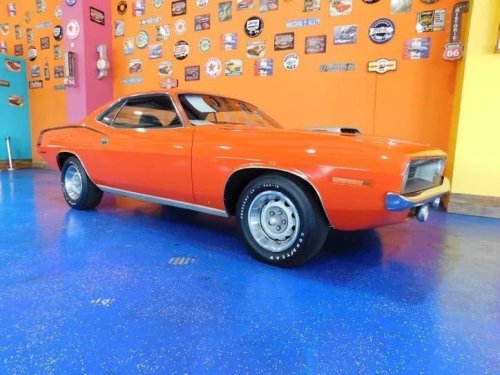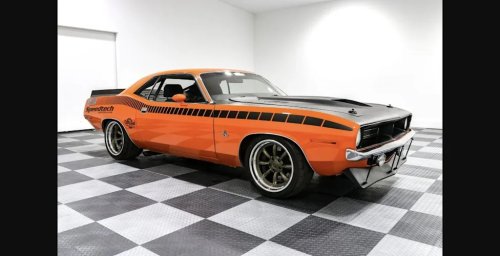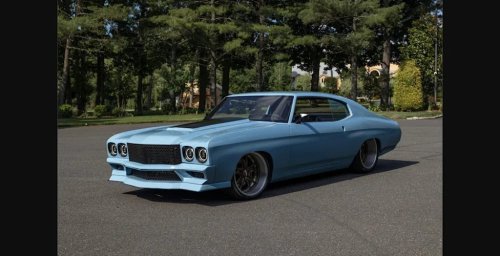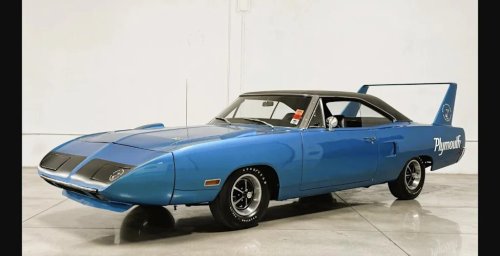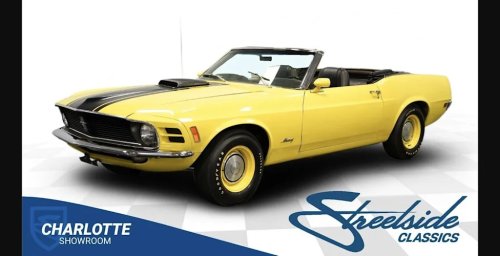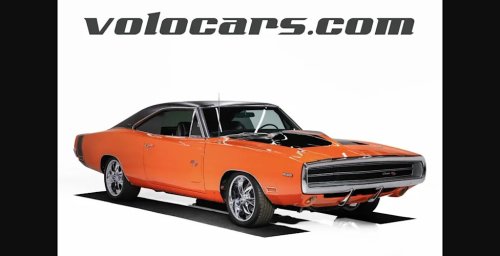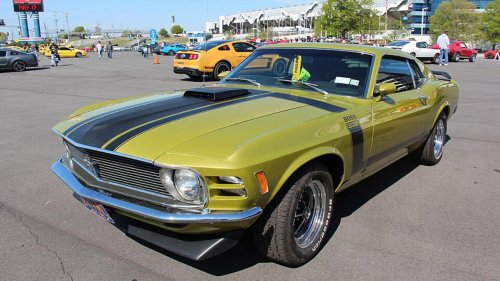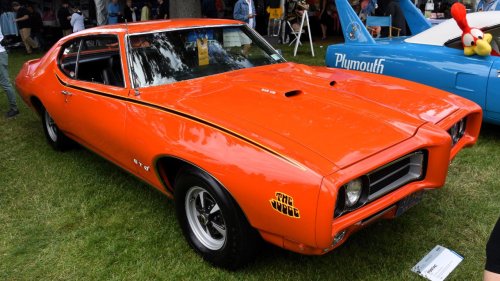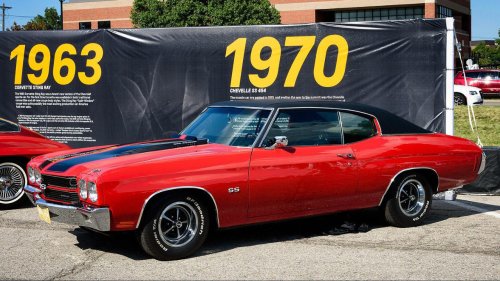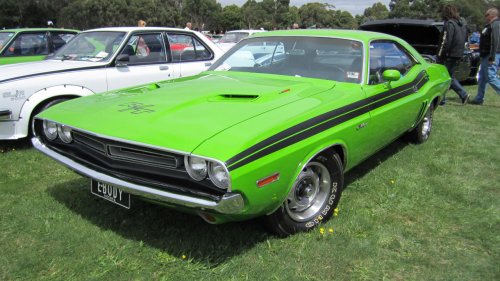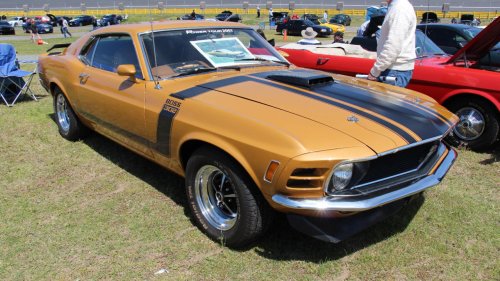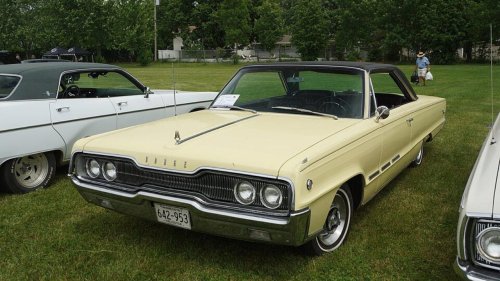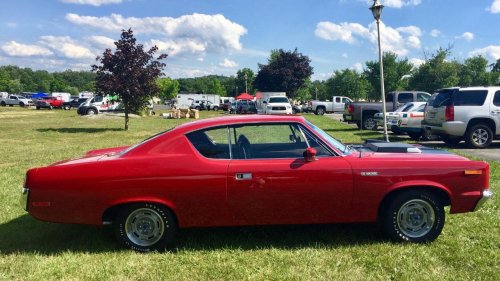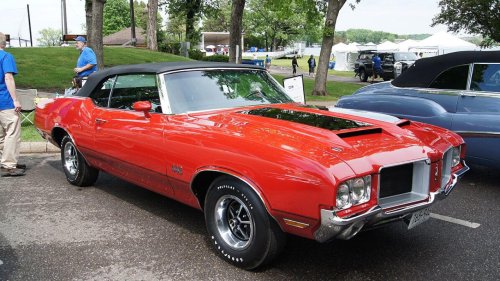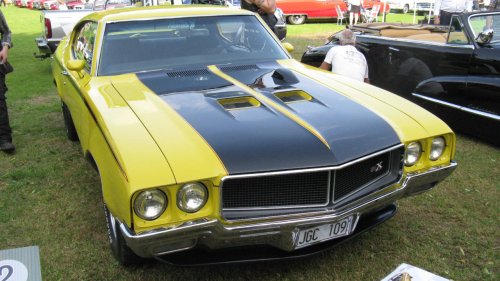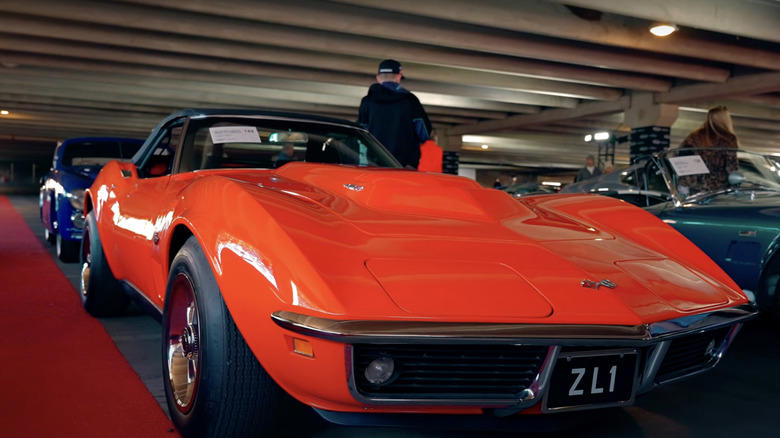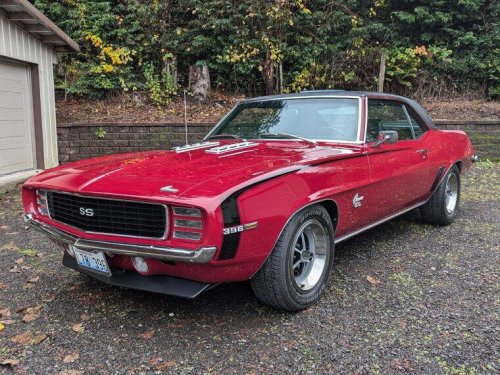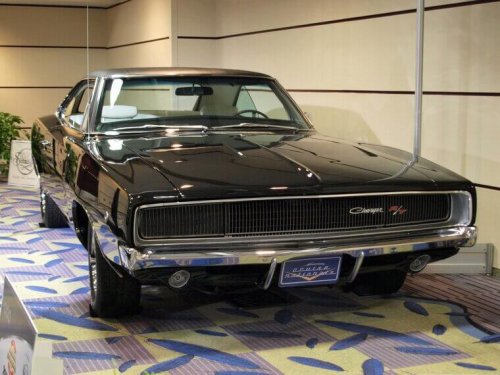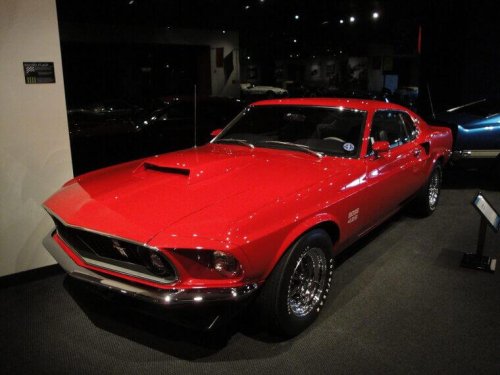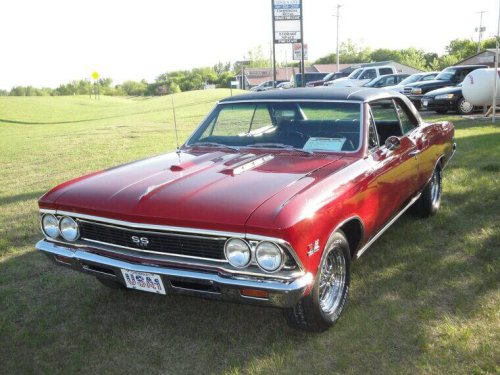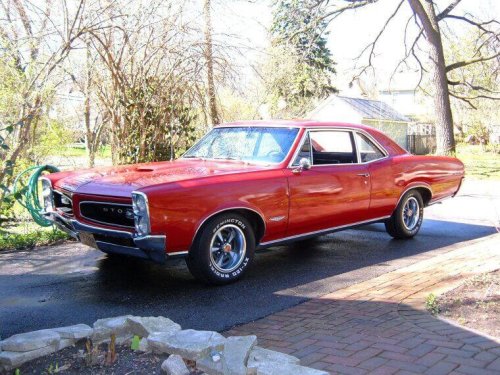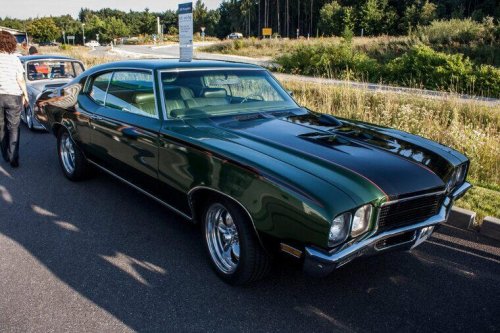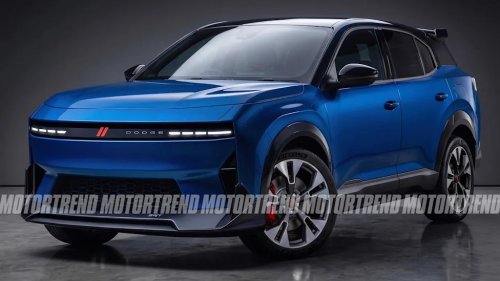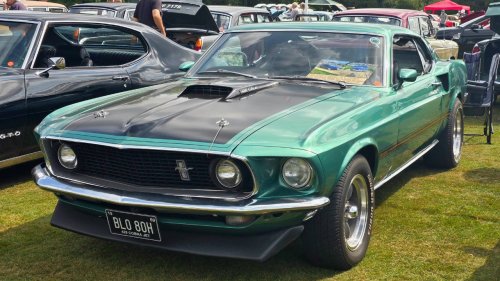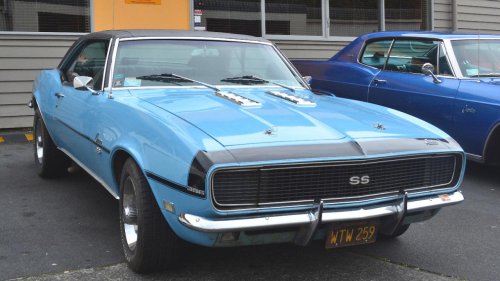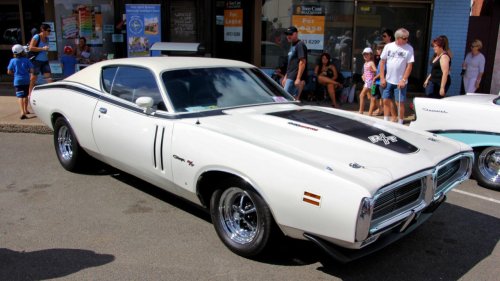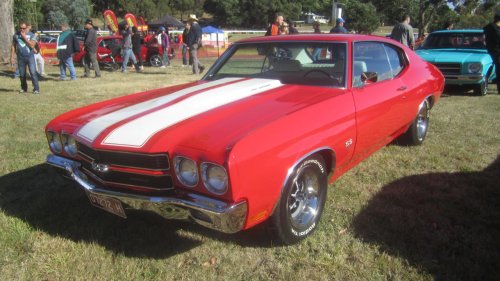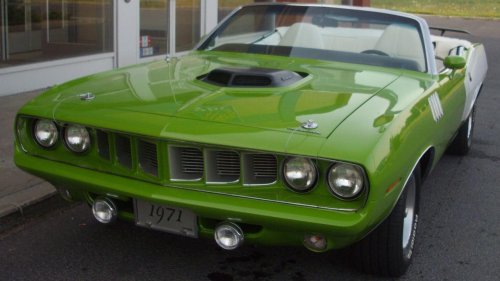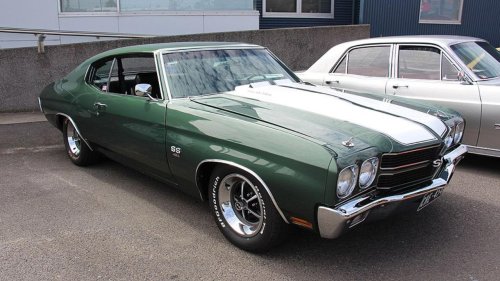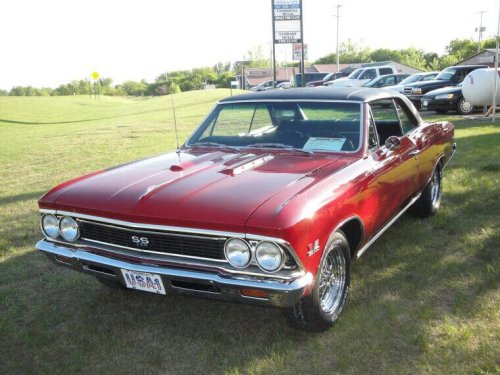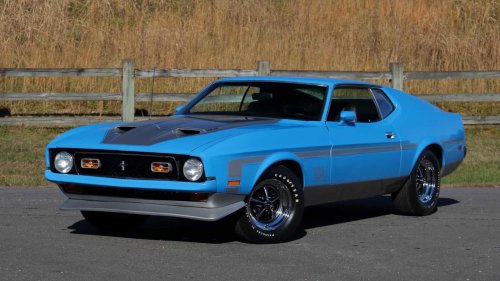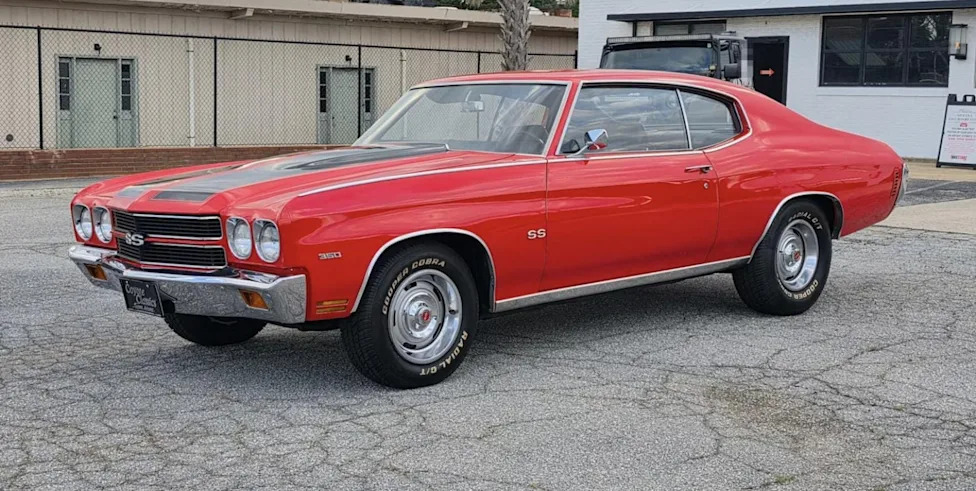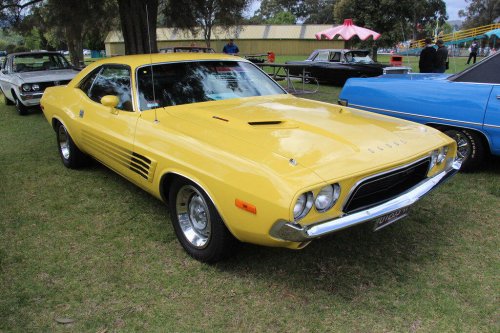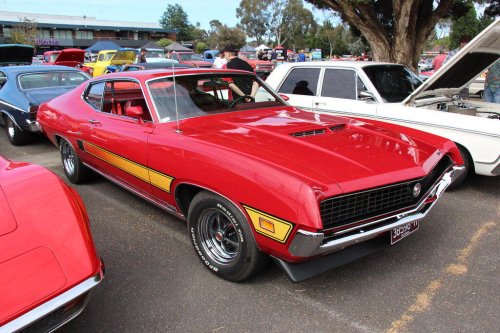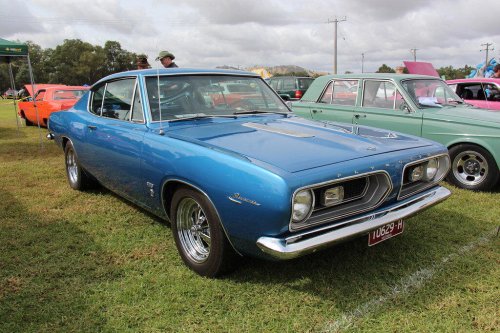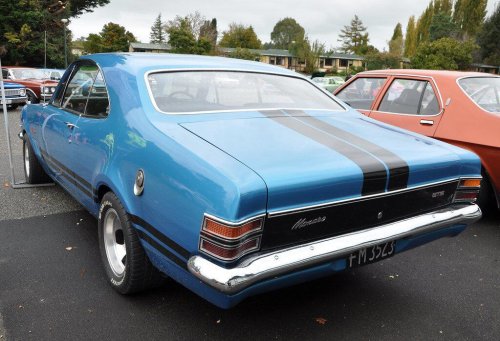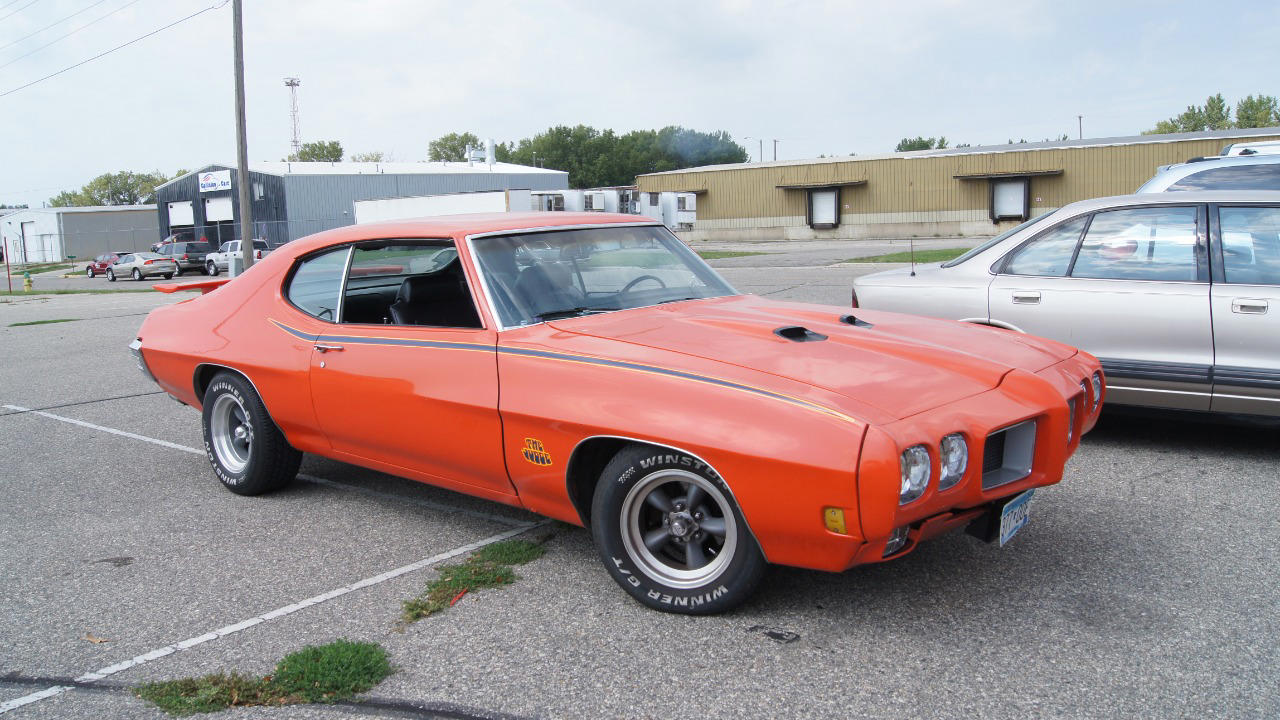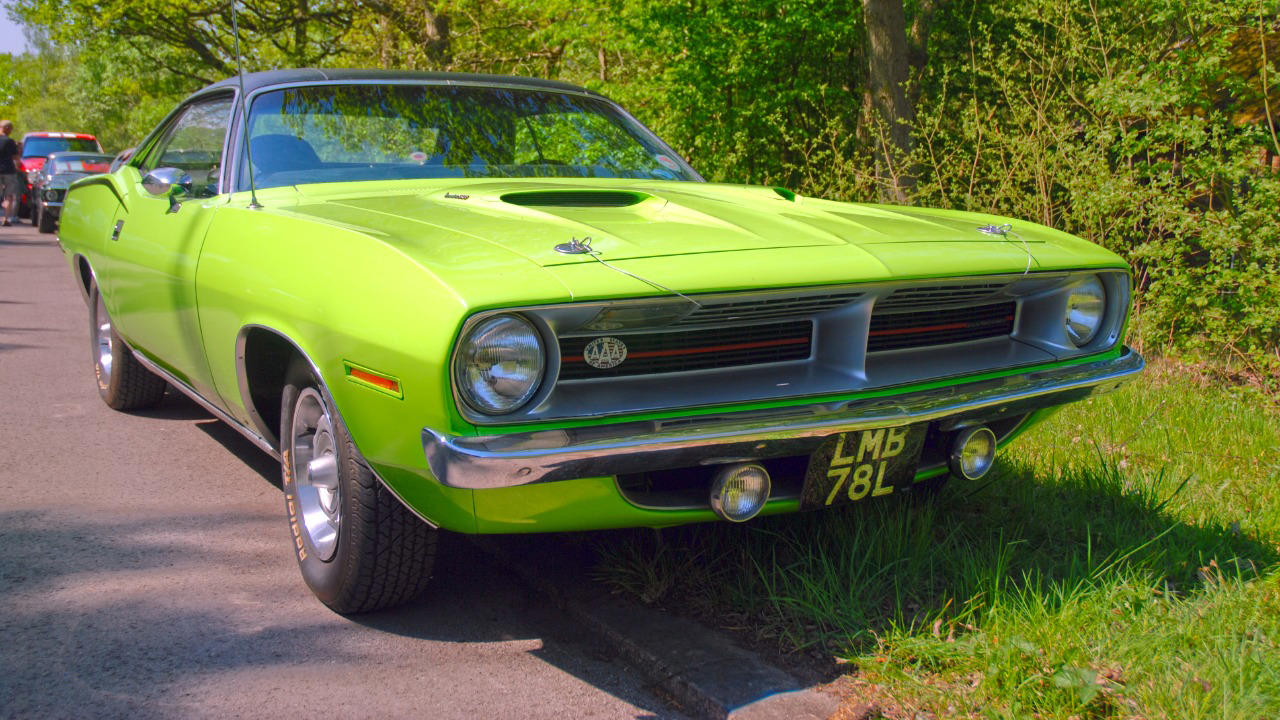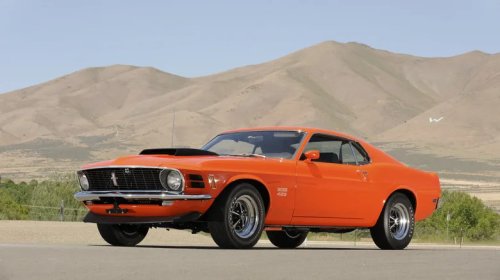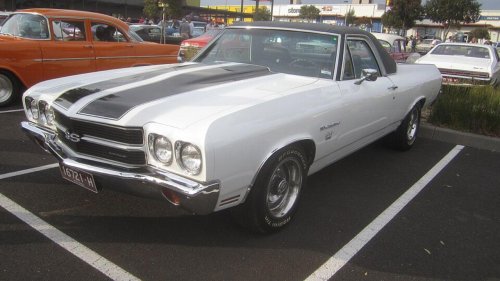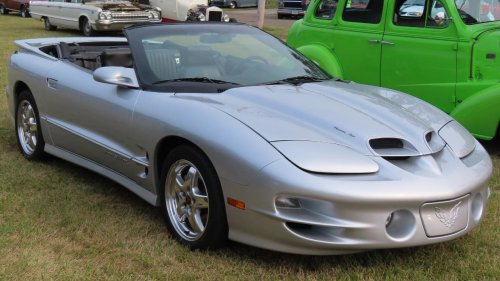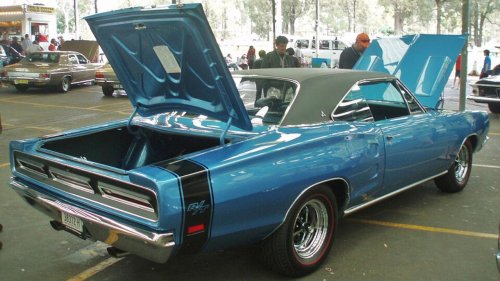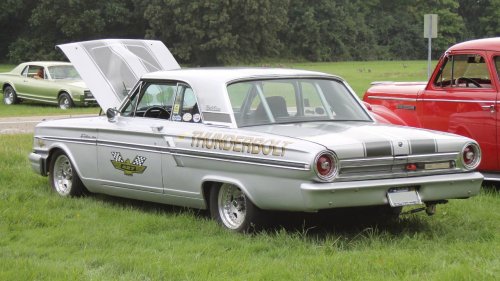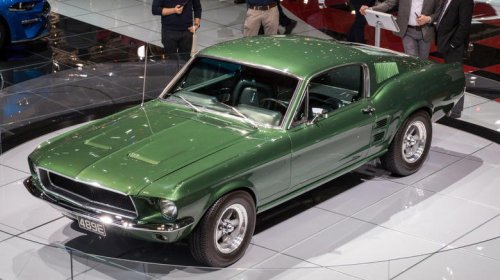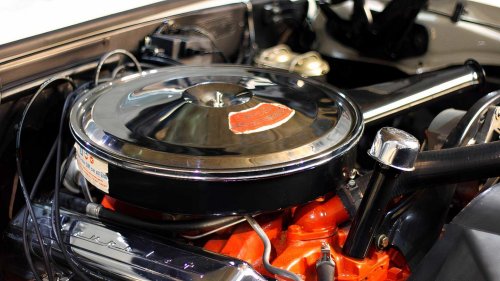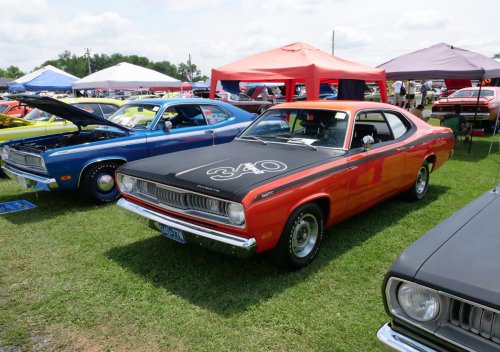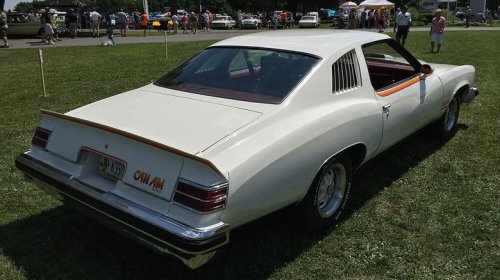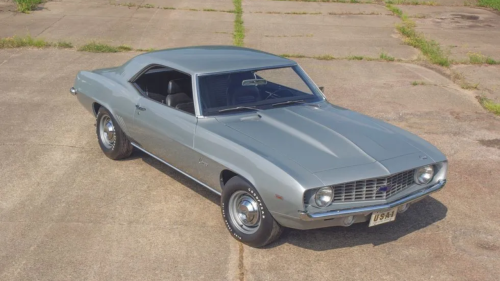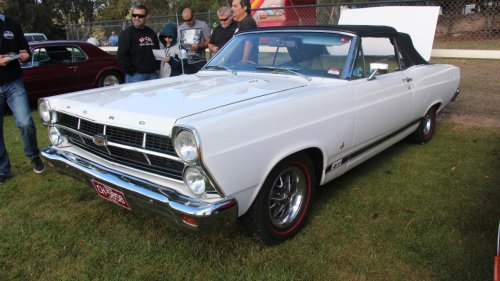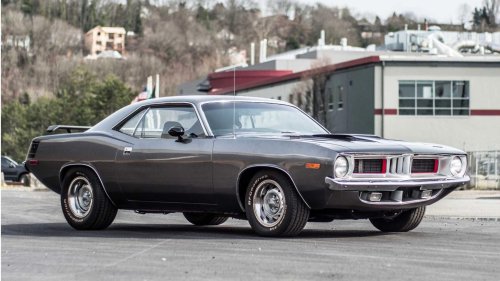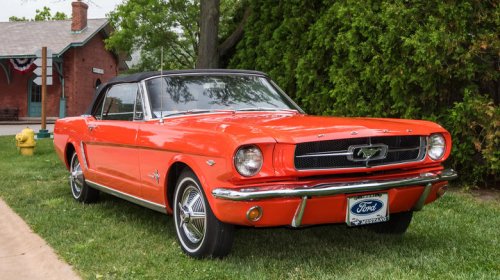
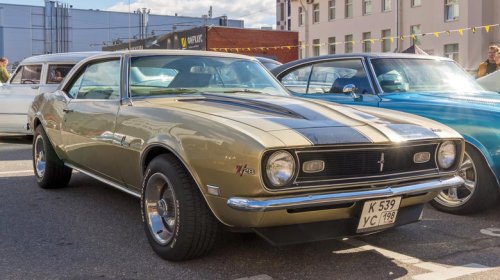
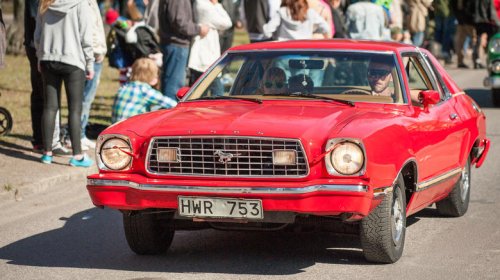
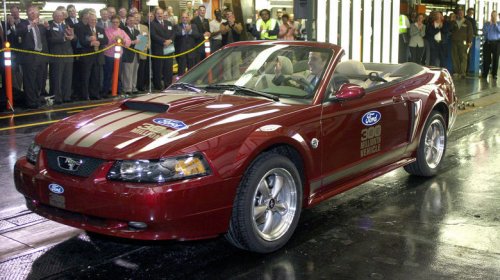
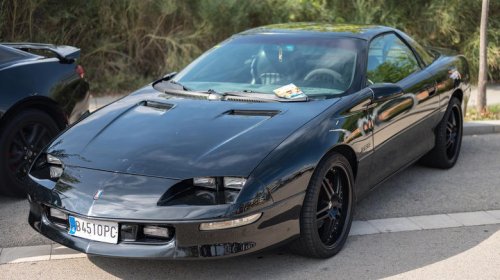


















A brief history of the Camaro and MustangTo truly grasp the essence of the Camaro vs. Mustang rivalry, one must journey back to the mid-1960s when these automotive titans first roared onto the scene. In 1964, Ford unveiled the Mustang, ushering in the pony car era. Designed to cater to the sprouting youth market, the Mustang was revolutionary as a compact, affordable, and stylish alternative to the bulky, performance-focused cars of the time. Its debut at the New York World's Fair created an unprecedented buzz, and the Mustang quickly became an emblem of American freedom and individuality.In response to the Mustang's immediate success, Chevrolet decided to throw its hat into the ring. The result was the birth of the Camaro in 1966. Named after the French word for "comrade" or "friend," the Camaro aimed to be a worthy companion to its Ford adversary. Chevrolet positioned the Camaro as a versatile, high-performance vehicle, offering a wide array of engines and trim levels to cater to diverse consumer tastes. The Camaro quickly established itself as a formidable competitor, providing drivers with a thrilling alternative to the Mustang's already-established dominance.The early years of the Camaro and Mustang set the stage for a rivalry that would define an era of American automotive excellence. As these two titans squared off, they not only engaged in a battle for market share but also ignited a passion for performance and style that continues to resonate with car enthusiasts today. In the following sections, we will explore the evolution of their designs, the horsepower wars, and the cultural impact that has elevated the Camaro vs. Mustang rivalry to legendary status.Origins of the rivalryThe origins of the Camaro vs. Mustang rivalry can be traced back to the mid-1960s, a time when the automotive landscape was undergoing a radical transformation. The rivalry, at its core, wasn't just a battle of metal and horsepower to see who could make the better muscle car. It was more, at the time, a reflection of the intense competition between Ford and Chevrolet for supremacy in the American automotive market. Each new model year saw these two titans pushing the boundaries of design and performance, creating a captivating spectacle for enthusiasts.As the Camaro and Mustang rolled off the production lines and into dealerships, automotive enthusiasts eagerly took sides. The competition extended beyond the showroom floor and onto racetracks, where these muscle cars battled for supremacy in events like the Trans-Am Series. The rivalry's intensity only fueled the passion of fans, and the Camaro vs. Mustang showdown became a recurring theme in automotive discussions. The friendly yet fierce competition between the two manufacturers not only elevated their respective brands but also enriched the overall automotive landscape.Design evolutionOne of the most compelling aspects of the Camaro vs. Mustang rivalry lies in their evolving designs. From their inaugural models in the 1960s to the sleek and modern iterations of today, the Chevrolet Camaro and the Ford Mustang have undergone transformative changes, reflecting shifts in automotive design trends and consumer preferences.In the 1960s, the design language of the Camaro and Mustang embodied the spirit of the era. The Ford Mustang, with its long hood, short deck, and distinctive fastback profile, became an instant symbol of youthful exuberance and speed. The Camaro, on the other hand, embraced a more muscular, aggressive aesthetic, signaling Chevrolet's commitment to high-performance driving. The next decade saw changes in automotive design influenced by both performance and regulatory requirements. Both cars were transformed to meet safety and emissions standards, resulting in revised body styles. The sleek lines of the 1960s evolved into more angular, substantial shapes during this era.The 1980s presented several unique challenges for the automotive industry, including the Camaro and Mustang. The oil crisis and a focus on fuel efficiency influenced design choices, leading to smaller, more aerodynamic profiles. While performance took a temporary hit, the '80s laid the groundwork for technological advancements that would shape future iterations. In the 1990s, the fourth-generation Mustang featured a return to more aggressive, bold styling, while the Camaro, after a brief hiatus, made a triumphant comeback with a sleeker and more modern appearance.In the 21st century, both the Camaro and Mustang have embraced a modern aesthetic while paying homage to their heritage. The fifth and sixth generations boast aerodynamic efficiency, cutting-edge technology, and a commitment to both performance and comfort. Design elements such as distinctive grilles, sculpted hoods, and sleek profiles continue to capture the imagination of automotive enthusiasts.Fanbase and communityThe Camaro vs. Mustang rivalry has become a phenomenon that has sparked the formation of passionate fanbases and communities. Enthusiasts, drawn together by their love for these iconic muscle cars, have created a vibrant subculture that extends far beyond the showroom floors and racetracks.Camaro and Mustang enthusiasts have established car clubs that serve as hubs for like-minded individuals to connect, share experiences, and revel in their mutual appreciation for these iconic vehicles. These clubs often organize events, ranging from local meet-ups to large-scale gatherings, providing enthusiasts with opportunities to showcase their cars, exchange tips, and forge lasting friendships.Annual events dedicated to the Camaro and Mustang serve as pilgrimage sites for fans. These gatherings, featuring car shows, races, and other festivities, attract enthusiasts from around the world. Whether it's the camaraderie of the Mustang Week in Myrtle Beach or the excitement of the Camaro Superfest, these events become an integral part of the fanbase's calendar, offering a chance to immerse themselves in their shared passion.Sales trendsOf course, the Camaro vs. Mustang rivalry goes past enthusiasts and cultural impact; it is, at the end of the day, a commercial battleground where sales figures and market trends provide a tangible measure of success. Over the decades, both Chevrolet and Ford have navigated the ever-changing automotive landscape, adapting their strategies to try and secure a dominant position in the competitive muscle car market.The sales histories of the Camaro and Mustang are marked by shifts in consumer preferences and industry dynamics. Both models experienced periods of triumph and challenges, with sales figures reflecting the ebb and flow of their rivalry. The Mustang's early lead in the 1960s was met with a spirited comeback by the Camaro in the late '60s and early '70s. Subsequent decades saw fluctuations in sales as both manufacturers introduced new models and adapted to evolving market demands.Several factors have influenced the sales trends of the Camaro and Mustang. Design innovation, performance enhancements, and strategic marketing campaigns have played crucial roles in capturing the attention of consumers. Economic conditions, fuel efficiency concerns, and changing regulations have also shaped the market landscape, impacting the sales performance of these iconic muscle cars.As the automotive industry embraces new technologies and shifts toward electric and hybrid models, the Camaro vs. Mustang rivalry faces a new frontier. Both Chevrolet and Ford are strategically positioning their muscle cars to remain relevant in a rapidly changing market. The quest for market share remains as competitive as ever, with each manufacturer vying for the attention of discerning consumers.