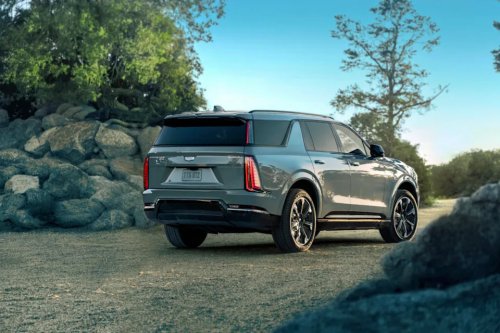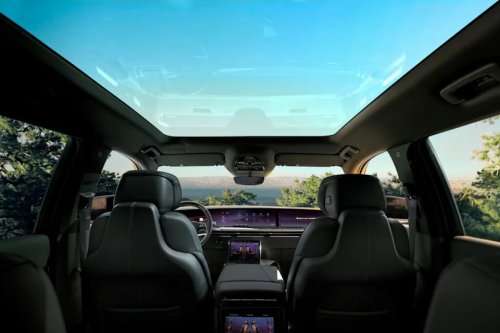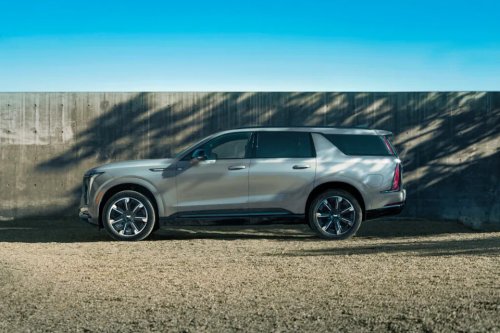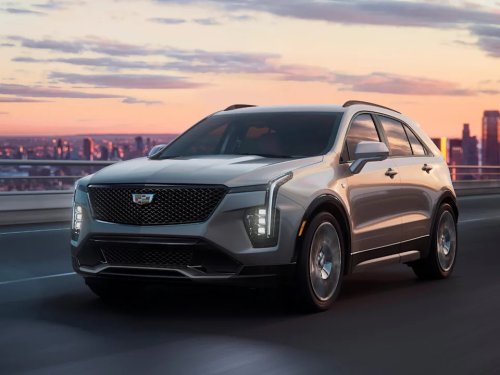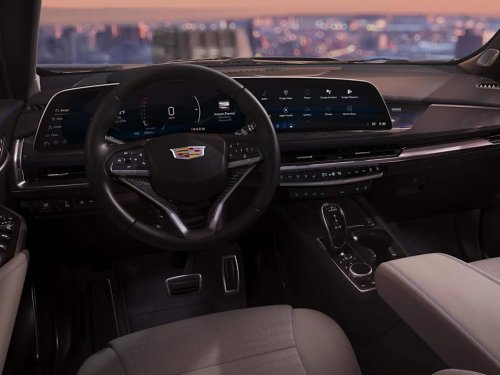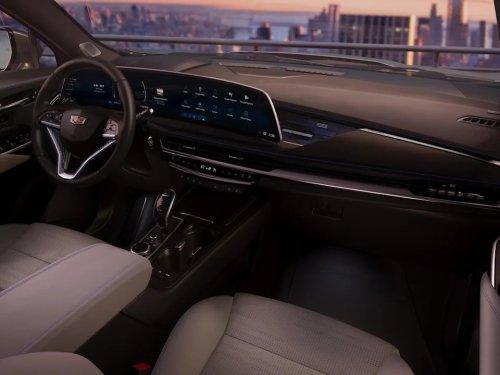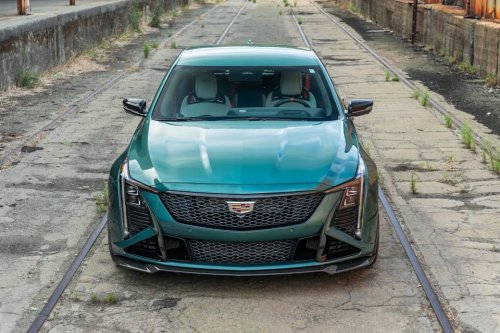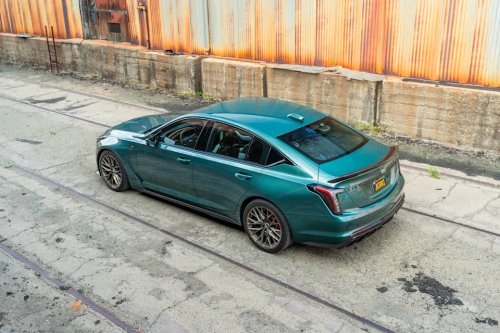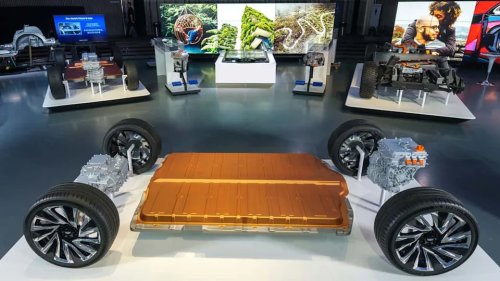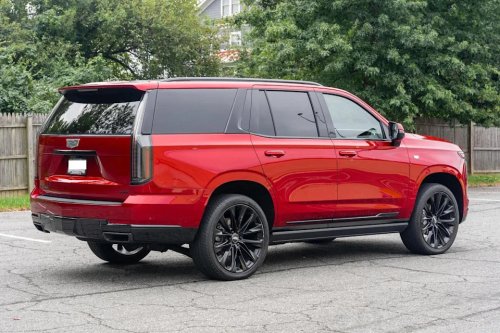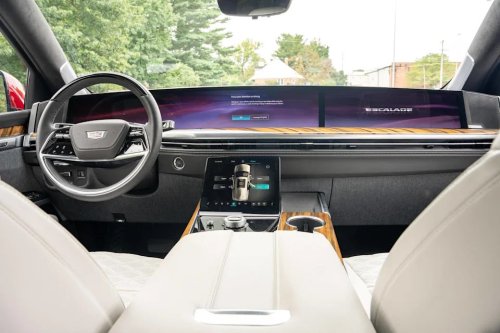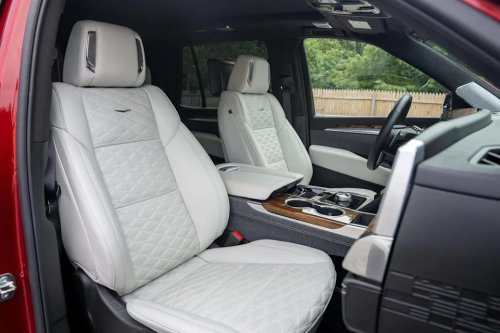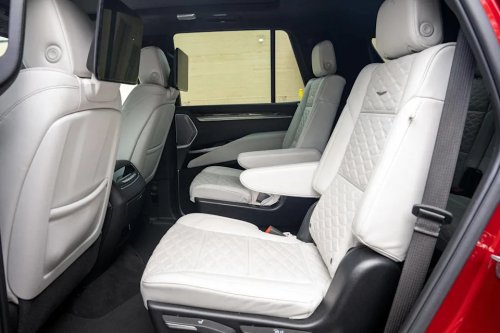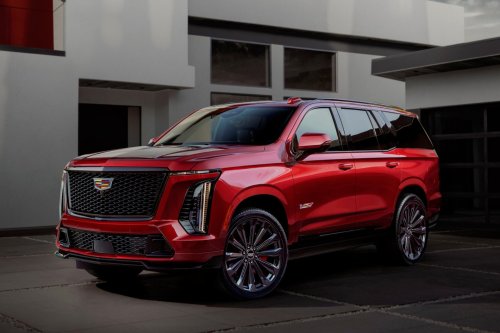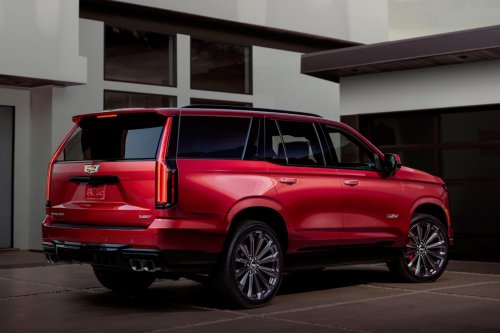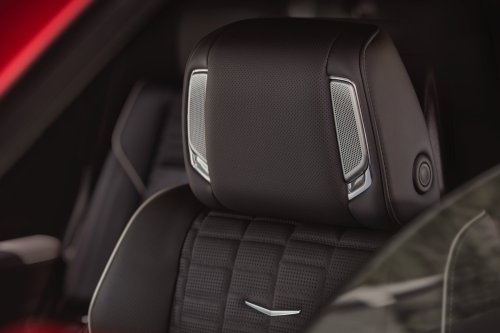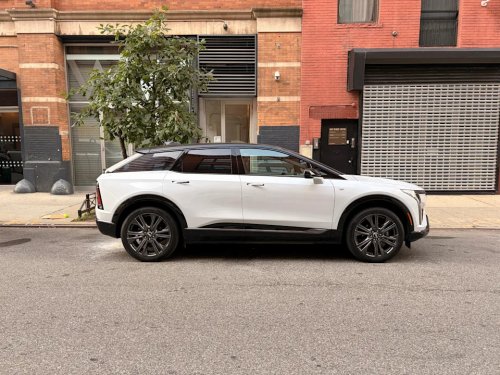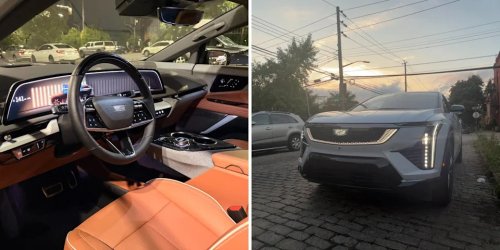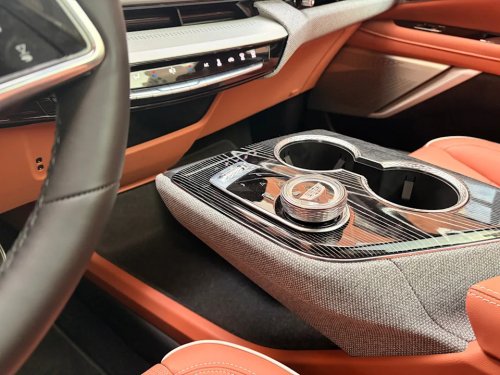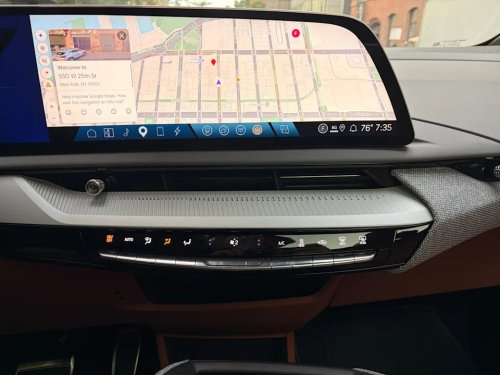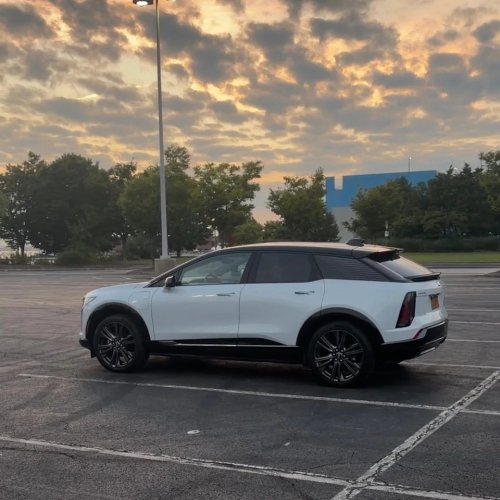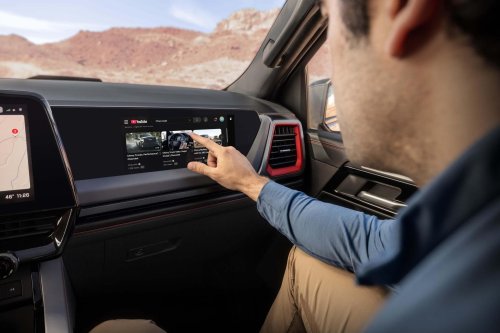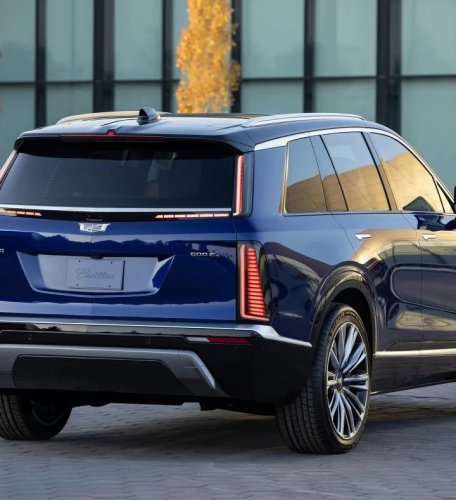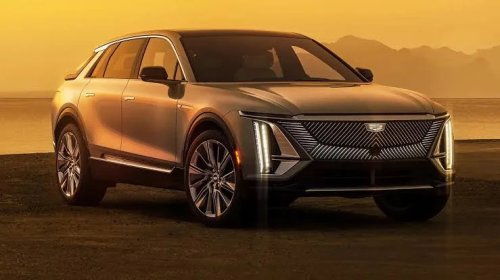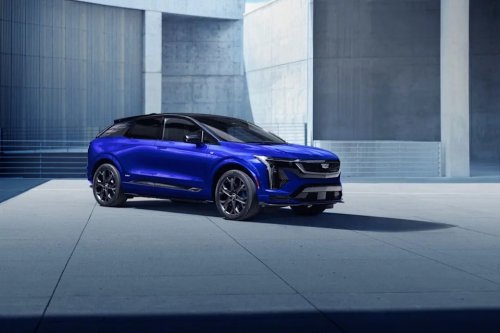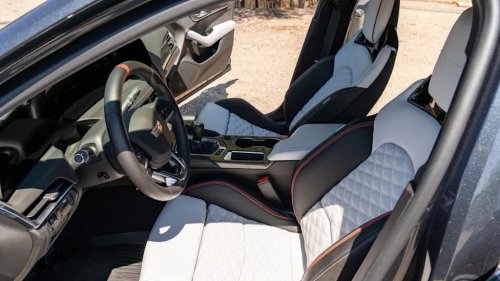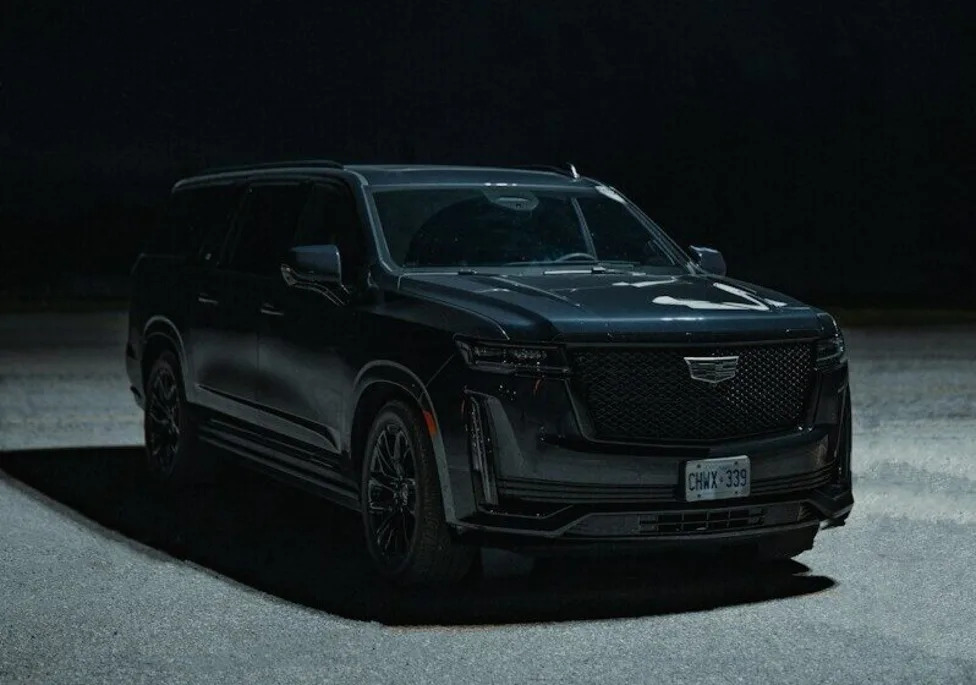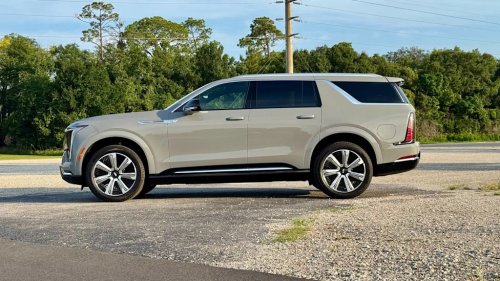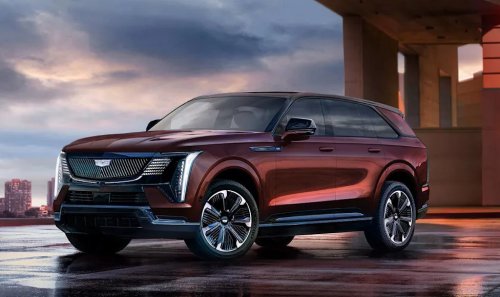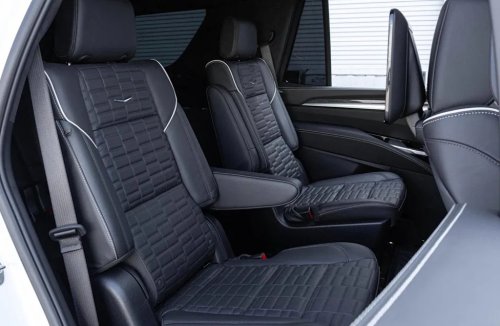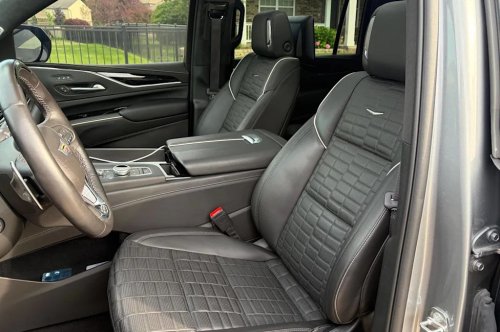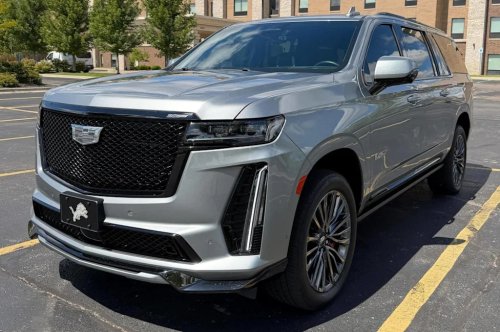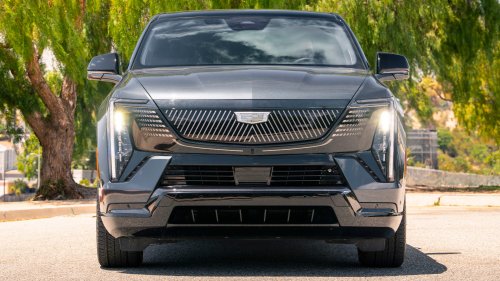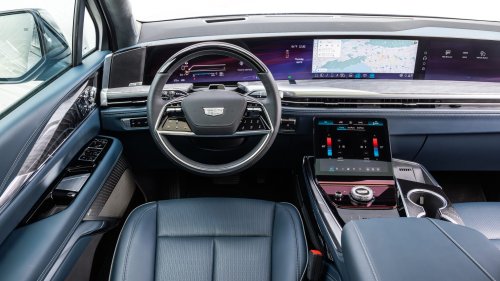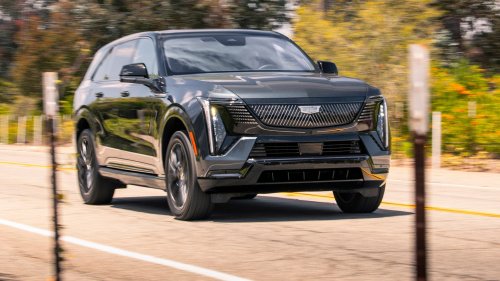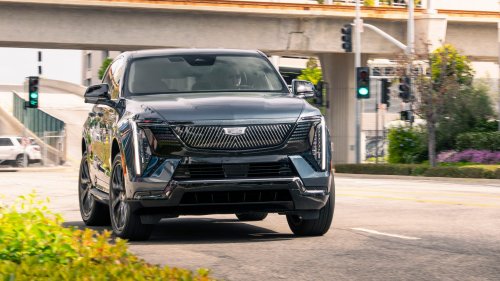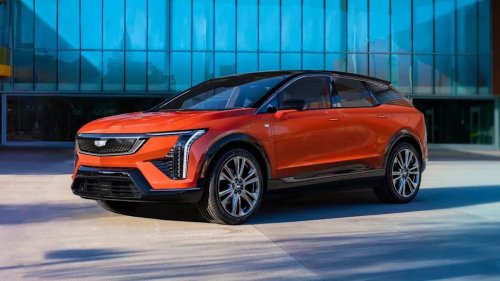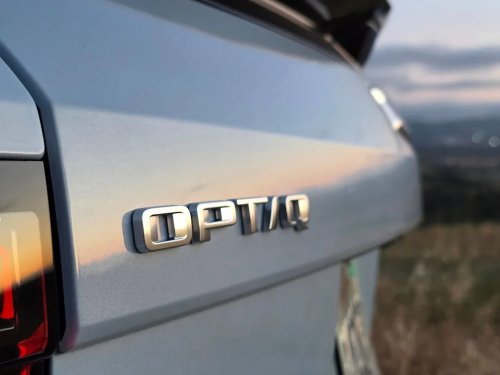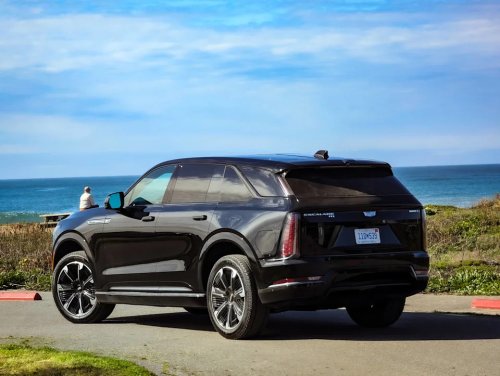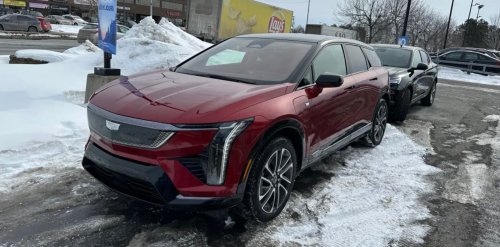
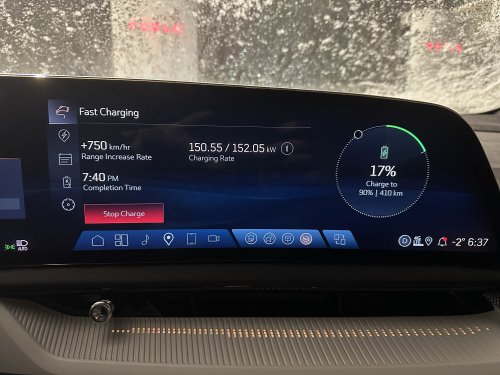
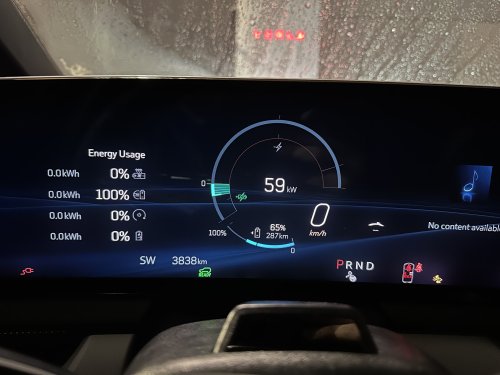
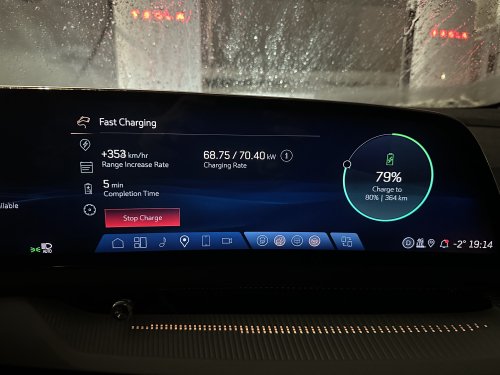
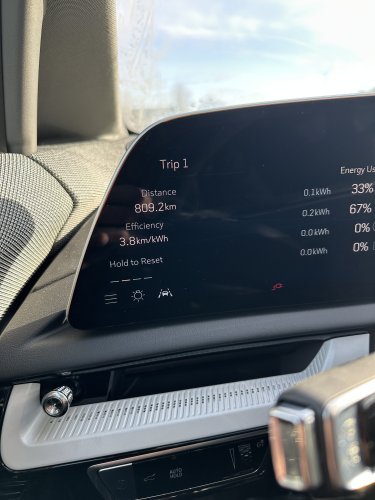
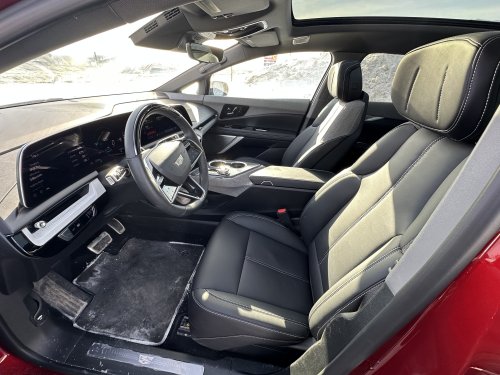
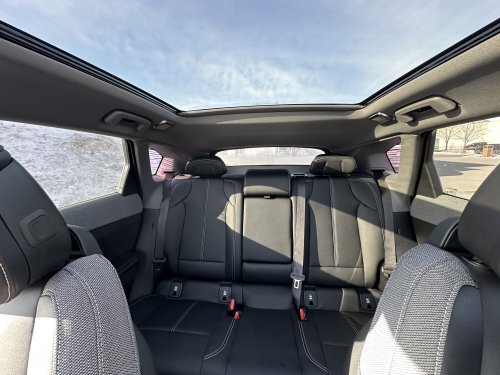
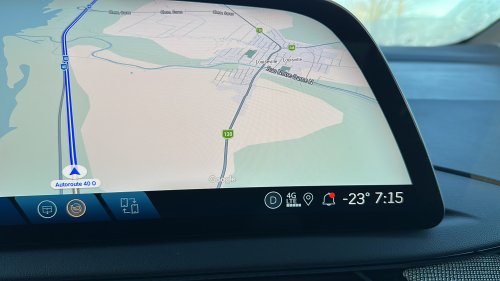
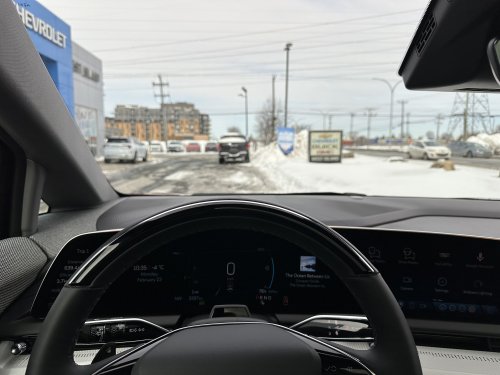
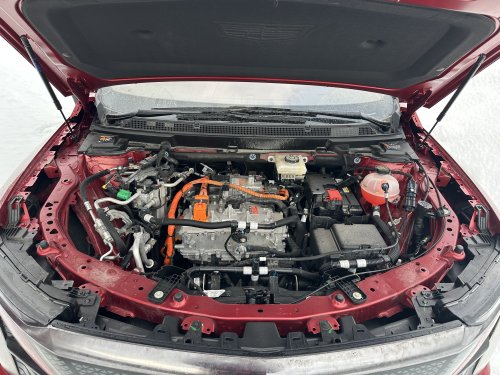
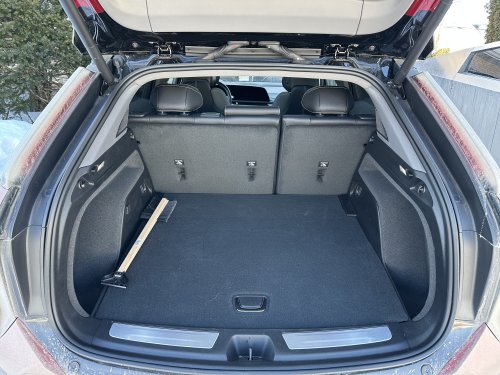
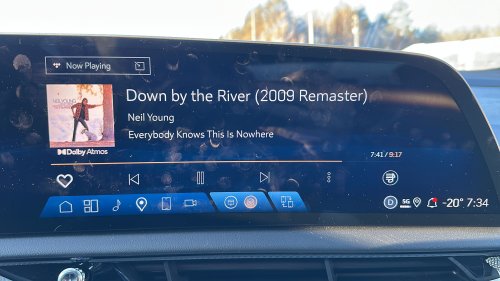
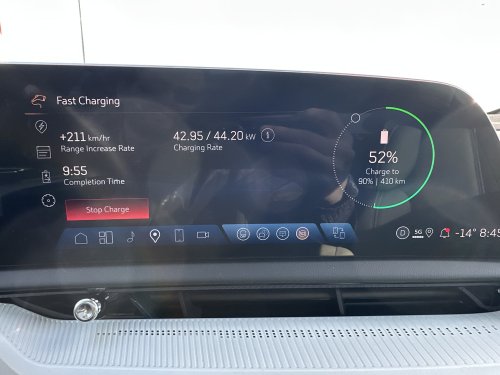

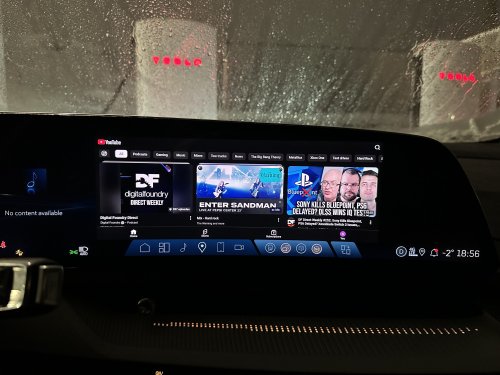



















I drove the latest Cadillac Optiq electric SUV for a week. I was able to drive it for a bit more than 500 miles in the tough conditions of a Canadian winter that doesn’t seem to end. The results were a mixed bag of experiences. Some good, some bad. Find out more in the review below! TL;DR The Cadillac Optiq is a compact luxury EV that gets a lot right for urban daily driving, like good traction, a responsive AWD powertrain, a great Dolby Atmos sound system, and a capable Android-based UI with native Google Maps routing and charging stop planning. SuperCruise adds real highway value when conditions allow, a shame it is included just for 3 years before requiring a monthly subscription. Where it falls short is charging performance, with peaks at 150 kW and a not-so-great charging curve, resulting in a 43-minute session for a 13–80% charge, underwhelming for a 2026 EV. Rear headroom is genuinely problematic for taller passengers, and the driver’s seat causes thigh fatigue after a while. Add in a below-average trunk and no frunk, and practicality takes a hit. Advertisement - scroll for more content The Optiq is best suited to a solo commuter or a couple who values the Cadillac badge and a premium feel in short-range, urban use. It is not a road trip car, and it is not a family car. Starting at $52,695, I would have liked to experience better EV performance and convenience, but if the brand matters and your use case fits with its capabilities, you’ll find things to love about it. Scores by category Engineering: 6.9 / 10 Electric Performance & Charging: 11 / 20 Ergonomics, Cabin & Storage: 12 / 20 Driving Experience: 9.4 / 15 Driver Assistance Systems: 7.1 / 10 Extra: 4 / 5 Value: 5 / 10 Fitness for Purpose: 3 / 5 Safety: 3.5 / 5 Total score: 61.9 / 100 Engineering (6.9 / 10) The Optiq shares the same Ultium battery platform as all other GM EVs. In this case, to achieve a smaller battery capacity than the Cadillac Vistiq we reviewed a few weeks ago, the number of installed modules has been reduced. However, since the modules are connected in series, this translates into not only a smaller battery capacity, but also a lower battery voltage since fewer cells are connected in series. Compared to the 102 kWh battery in the Vistiq and Lyriq, this one is 85kWh and consists of 10 modules in series instead of 12, for a voltage range of 200V to 336V, compared to the 240V to 403V of the 102 kWh battery. This has a significant impact on the vehicle’s fast-charging performance. The Optiq offers the same Vehicle‑to‑Home (V2H) capability as other GM EVs when paired with the GM Energy V2H Bundle. This allows the Optiq to power a home during a blackout, and with an 85 kWh battery, it can supply multiple days of energy depending on household demand. I have the same ask as when I reviewed the Vistiq: Please GM support third‑party systems, and allow your EVs to be discharged through the charging port even if your own branded system isn’t plugged in. And this vehicle, too, is lacking proper onboard 110V outlets, like most EVs, to be fair. Charging is handled by either an 11.5 kW onboard charger, allowing up to 54 km (35 mi) of range per hour of AC charging. The vehicle uses a NACS inlet for Level 2 and Level 3 charging. A 19.2kW onboard charger is available for the Premium trims of the Optiq, allowing charging up to 90km (58mi) of range per hour. The dual‑motor powertrain uses two permanent‑magnet motors for a combined output of 328 kW (440HP). It feels good driving it. Electric Performance & Charging (11 / 20) Charging The Cadillac Optiq is capable of reaching a charging power of up to 150kW, and we actually reached it, as shown in the picture below. 150kW reached ! This is a bit on the lower end of the charging power we are used to, being less than 2C (150kW / 85kWh = 1.76C) or, in other words, the theoretical minimum charging time would be 34 minutes, if this charging power were held all along the State of Charge, which isn’t physically possible (yet). As the battery gets fuller, fewer ions can exchange simultaneously in the cell chemistry, reducing charging power. We are far from the 10C batteries available in China. After an initial charging power of 150 kW, the charging power drops as expected, but for some reason it rises again until the SOC reaches 80%, then drops significantly. See the next 2 pictures, at 65% it was charging at 59 kW, but at 79% it was accepting 70kW. 59kW at 65%… … and 70kW at 79% ?? It indicates that some calculations performed by the BMS (Battery Management System) are not optimal, to say the least, and that correcting them could reduce the charging time. Speaking of charging time, the Optiq is disappointing; its charging curve doesn’t deliver the full 150kW for long, resulting in a 43-minute session to go from 13% to 80% (a 67% gain). It would have been okay 10 years ago. In my opinion, the Optiq should achieve the same charging time as the Vistiq, both sharing the same Ultium platform and achieving roughly the same range. As a reminder, the Vistiq took 38 min for a 5% to 80% charging session. Yes, as mentioned before, the Optiq battery pack has a lower voltage, which affects the charging power it can request from a charging station. However, this one is equipped with a native NACS charge port, which means it can, if designed for it, reach the full 700A available at the Tesla’s Superchargers. Even at the lower 200V of the pack, which never happens, 140 kW of charging can be output (200V * 700A = 140 000W), so on a Supercharger, without using an adapter limiting the current at 500A, the full charging power can be reached, the lower working voltage of the battery not being a limitation. It won’t be the same story with another kind of charger, like a Kempower limited to 300A, where only 100kW can be reached at most (336V * 300A = 100 800W). So, since the battery is the same as the Vistiq, with only 2 removed modules, resulting in a lower voltage, all other parameters should stay the same, and the battery should accept the same 2C charging and hold the same charging curve, with a peak power of 170 kW instead of the 200kW of the Vistiq, given that the charging station can output enough current to reach that power. It’s not the case, and it’s disappointing. 43 minutes for a 13-80% charging session is too long. Efficiency The Optiq is a small SUV with a good-sized battery and a decent range. With 487km (303mi) of range in its dual motor AWD configuration, it’s not the most efficient small SUV on the market, but it’s not the worst. And with the use of a heat pump for warming the cabin, the efficiency drop in freezing temperatures isn’t as pronounced as others, which is welcome. I achieved a 3.8km/kWh (2.36mi/kWh) or 263Wh/km (423Wh/mi) efficiency during my test week over 809 km (502 mi), at freezing temperatures down to -23°C (-9F). Efficiency during the review Ergonomics, Cabin & Storage (12 / 20) Seats and Comfort The seats look good and feel good… the first hour of driving, at least for me. I’m on the taller side (6′ 2″) and rather slim (< 180lbs), however, the side bolsters of the seats were causing numbness in my legs after a while. I recommend test-driving the Optiq for at least an hour before purchasing it, making sure the driver seat is comfortable for you. Front Seats As for the rear seats, it’s a completely different story. The legroom is pretty nice, even for me. But, and that’s a big one, my head is touching the ceiling. I can’t be comfortable in the back of the Optiq. I can’t understand why the 95th percentile wasn’t applied to this design. I’m actually far more comfortable in the back of a Model 3, which is smaller. Maybe if they get rid of the electrically deployable sun shade, there would be more headroom for the back passengers? Back seat and nice panoramic glass roof HVAC The HVAC system works pretty nicely. I kept it in auto mode and even at very cold temperatures like -23°C (-9F) it runs perfectly well. The heat pump can be a little loud and noticeable when parked, but that’s a small price to pay for the added efficiency this system brings to colder regions. a very cold -23°C (-9F) morning UI With the UI being the same as the Vistiq I reviewed a few weeks ago, and the same infotainment system and screen size, my experience was identical. For those who read the Vistiq review, those next 4 paragraphs will feel familiar. The infotainment system is impressive but occasionally frustrating. It offers extensive functionality, though deep menu structures can be overwhelming at first. Some settings, such as maximum regenerative braking, are oddly buried in quick menus instead of the Driving Modes section. Driver display customization is also limited. That said, touchscreen responsiveness is good, and the Android‑based system is intuitive for anyone familiar with Android smartphones. Google Maps is native, along with access to the Google Play Store for automotive‑oriented apps. The system synchronizes with your Google account, making navigation to home or work seamless. Voice commands function much like they do on an Android phone. Google Maps integration is excellent. It predicts the arrival state of charge, plans routes with charging stops, and triggers battery preconditioning automatically. Predictions are generally accurate, with only minor deviations. One limitation is incomplete recognition of certain Tesla Supercharger compatibilities, though this should be addressed through over‑the‑air updates. Cadillac offers a companion phone app for vehicle location, cabin preconditioning, locking/unlocking, and charge‑limit settings. Unfortunately, it is painfully slow and sometimes displays incorrect state‑of‑charge information, requiring lengthy refreshes. Despite this, the app remains useful, especially for cabin preconditioning in extreme weather. However, there is a difference I want to cover, the steering wheel position: In the Optiq, the driver screen is visible even when lowering the steering wheel, as I like it, which is a big improvement over the Vistiq, for me. Also, I want to correct one thing I said about the Vistiq, the absence of streaming apps: There are streaming apps like YouTube available on the Play Store. Like apps on a phone, they have to be installed and are not present by default in the system. My view with the seat set to my liking. I can see the driver screen ! Storage As with the Vistiq, the absence of a front trunk (frunk) is disappointing for a modern EV. No frunk unfortunately The trunk size is decent, but somewhat small for the size of the vehicle, at 26 cu.ft. For me, the height of the trunk floor was surprising, given the absence of a muffler; I’m used to a lower floor on EVs. Trunk Floor is high, and the hidden compartment is rather small, just enough for the portable EVSE Driving Experience (9.4 / 15) I liked driving the Optiq to a certain degree. It is a responsive vehicle with enough power to make you smile. The comfort of the driver seat was actually the only weak point of the driving experience, keeping in mind it’s a small SUV. The powertrain is strong and efficient, with good traction on snowy roads and responsive enough for a non-performance-oriented vehicle. What I liked most was the strong regenerative braking and the one-pedal driving. There is one quirk, though, when regenerating on icy roads, if the ABS kicks in, the regen is deactivated, and the hydraulic system takes over, removing any control from the driver, as the only way to stop the braking at this moment is to tap the accelerator for a few seconds. It is a strange behavior as the hydraulic system will be pretty aggressive in this situation. I think this is due to the hydraulic braking system taking over when regenerative braking isn’t powerful enough (like at high SOC or with a cold battery), so the user always feels the same braking when lifting off the throttle. In that particular instance, the hydraulic system isn’t capable of decelerating the vehicle enough due to a lack of traction, causing the system to ask for more braking power until the hydraulic system is maxed out. This could be fixed via a software update, and I’d like to see it done. Like in other Cadillacs, there is a left‑side steering‑wheel paddle that temporarily boosts regenerative braking by roughly 15 kW, allowing full deceleration without touching the brake pedal in many situations. The audio system is pretty great when paired with a high‑quality streaming service like Tidal and Dolby Atmos‑enabled tracks. The sound quality is great, not the best I’ve ever experienced (the Vistiq and Cybertruck share the crown for that in my opinion) however the implementation of the Dolby Atmos 3D sound is pretty awesome in a car. Dolby Atmos enabled on this track ! I can’t recommend the Optiq for long road trips as the charging experience is really on the low side, with lengthy charging sessions, as well as bad seat comfort. However, the Optiq offers most of the other required features, like Navigation auto-routing through charging stations, battery preconditioning, a great audio system and a good driving feeling. One thing on the battery preconditioning, if the charging station is too new, it might not be integrated in the algorithm for preconditioning, resulting in a pretty poor charging experience, like the 44kW power limited by the battery I experienced during a -23°C (-9F) day after about 2h of driving. Cold battery charging, preconditioning didn’t start Driver Assistance Systems (7.1 / 10) The following text is reminiscent of what I wrote in the Cadillac Vistiq review, as it is the exact same system and I experienced it the same way I used SuperCruise extensively during my week with the Optiq. It offers both hands‑free and hands‑on modes with driver‑attention monitoring. Hands‑free SuperCruise works on highways and select secondary roads, while hands‑on assist is available elsewhere. On highways, SuperCruise performed very well, enabling relaxed cruising. It follows lanes, automatically passes slower vehicles (if enabled), and returns to the right lane, though it occasionally lingers in the passing lane without reason. It follows navigation logic by avoiding passes near exits but sometimes fails to take the exit itself, instead asking the driver to intervene. Limitations remain. The system struggles with unclear lane markings, especially true on snow-covered or partially covered roads. SuperCruise reacts to speed‑limit changes when activated. Is it vision-based reading the speed limit sign or relying on the map data, I do not know. It works well enough, though, and was useful more than once in my week of driving it. Off‑highway winter driving in Quebec exposed weaknesses. SuperCruise frequently disengaged due to snow‑covered markings, repeatedly handing control back to the driver. In these conditions, I disabled it entirely. Like on the Vistiq, hands‑on assist offered little benefit on poorly marked roads and frequently nagged me to place my hands on the wheel even when they were already there. This is clearly an advanced driver‑assistance system, not autonomy. It occasionally reacted too late to sudden merges or attempted lane changes that were not possible. Still, it significantly reduces highway fatigue when its limitations are understood. OTA updates should improve performance over time. However, the monthly subscription fee (after a three‑year grace period) for advanced features remains a major downside. In winter driving, you have to clear the front radar for the system to keep working (see picture below) Front Radar being blocked by the ice. No ADAS ! Extra (4 / 5) Dolby Atmos audio, native Android apps, and in‑car entertainment options (YouTube, Prime Video, games) add real value while you wait or charge. A larger main screen would further enhance the experience. I’d say that’s a start and more than many other EVs. YouTube while charging ! Value (5 / 10) The Cadillac Optiq starts with the Luxury trim at $52,695 ($61,043 CAD) and goes as high as $69,095 ($82,243 CAD) for the V-Series trim, which is the performance trim of the Optiq, unlocking 0-60mph (0-96kph) in 3.5s at the expense of a reduced range of 447km (278mi). The AWD option, available on every trim, is a $3,500 ($4,500 CAD) premium for those wanting better traction and performance at the expense of a negligible 23km (14mi) in range. The trim I drove for this review was the Sport AWD at $56,795 ($65,543 CAD) MSRP. For what the Optiq brings its users, which is mostly the luxury aspect of it, with good quality and fit and finish, I find it to be quite expensive, primarily because of the slow charging performance and the lack of comfort I experienced, as well as my inability to sit comfortably in the back seat. Fitness for Purpose (3 / 5) The Cadillac Optiq positions itself as a compact luxury daily driver for urban and suburban use, and against that idea, the results are mixed. With good traction and handling, it is a pleasant drive for short urban loops and enjoyable back roads. Moreover, with the great Dolby Atmos-enabled sound system included, driving can be really enjoyable. However, as a vehicle meant to carry people comfortably as a premium vehicle should, the Optiq doesn’t deliver. Rear passengers will find headroom tight to the point of discomfort, and the driver’s seat induces thigh fatigue after about one hour of driving. And the trunk isn’t big enough to mitigate the absence of a frunk. For a buyer whose lifestyle demands flexibility, this isn’t the right vehicle. For a professional who typically drives alone in their car, or a couple, it can be a good vehicle, but it is not a family car. Safety (3.5 / 5) All trims include the same active safety features, such as Reverse Automatic Braking, Side Cyclist Alert, Rear Pedestrian Alert, and Front Pedestrian and Cyclist Automatic Braking. At the time of writing, no IIHS rating is available, and if the rating from its sister car the Chevrolet Blazer EV is any indication, the rating is expected to be Good. Electrek’s Take The Cadillac Optiq isn’t a bad vehicle, but it certainly not a great EV either. At this price point, I expected better EV performance, better comfort, and an easier connected user experience. However, if you like the brand and are looking for a commuter vehicle, I think you’ll be pleased with it. Build quality is great, driving experience is pleasant, and it feels luxurious enough for the price point. But I think Cadillac has a lot of room for improvement with this one, and the brand offers other, better options. Stay up to date with the latest content by subscribing to Electrek on Google News. You’re reading Electrek— experts who break news about Tesla, electric vehicles, and green energy, day after day. Be sure to check out our homepage for all the latest news, and follow Electrek on Twitter, Facebook, and LinkedIn to stay in the loop. Don’t know where to start? Check out our YouTube channel for the latest reviews.