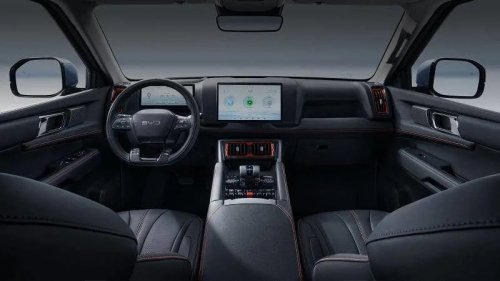
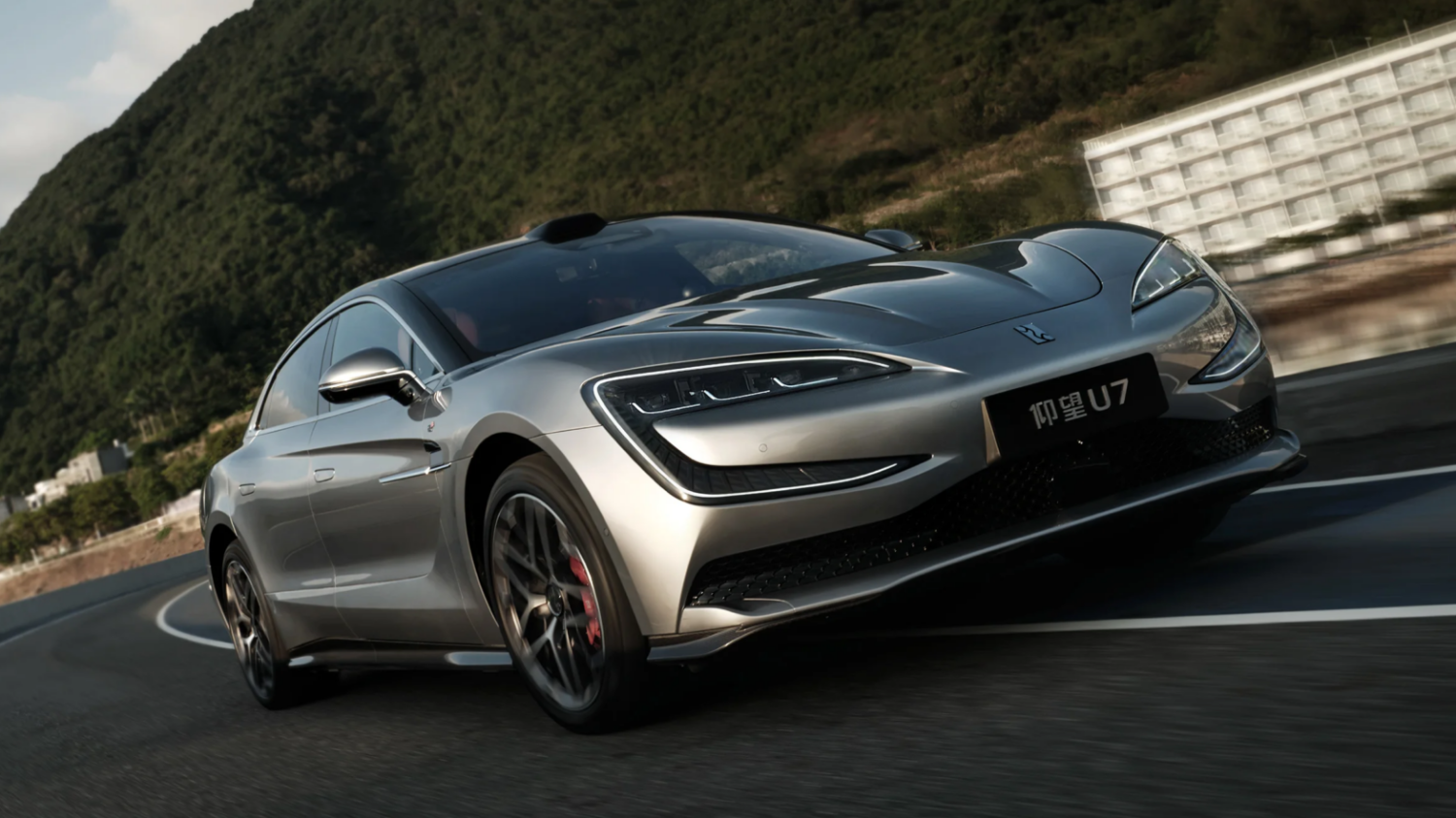
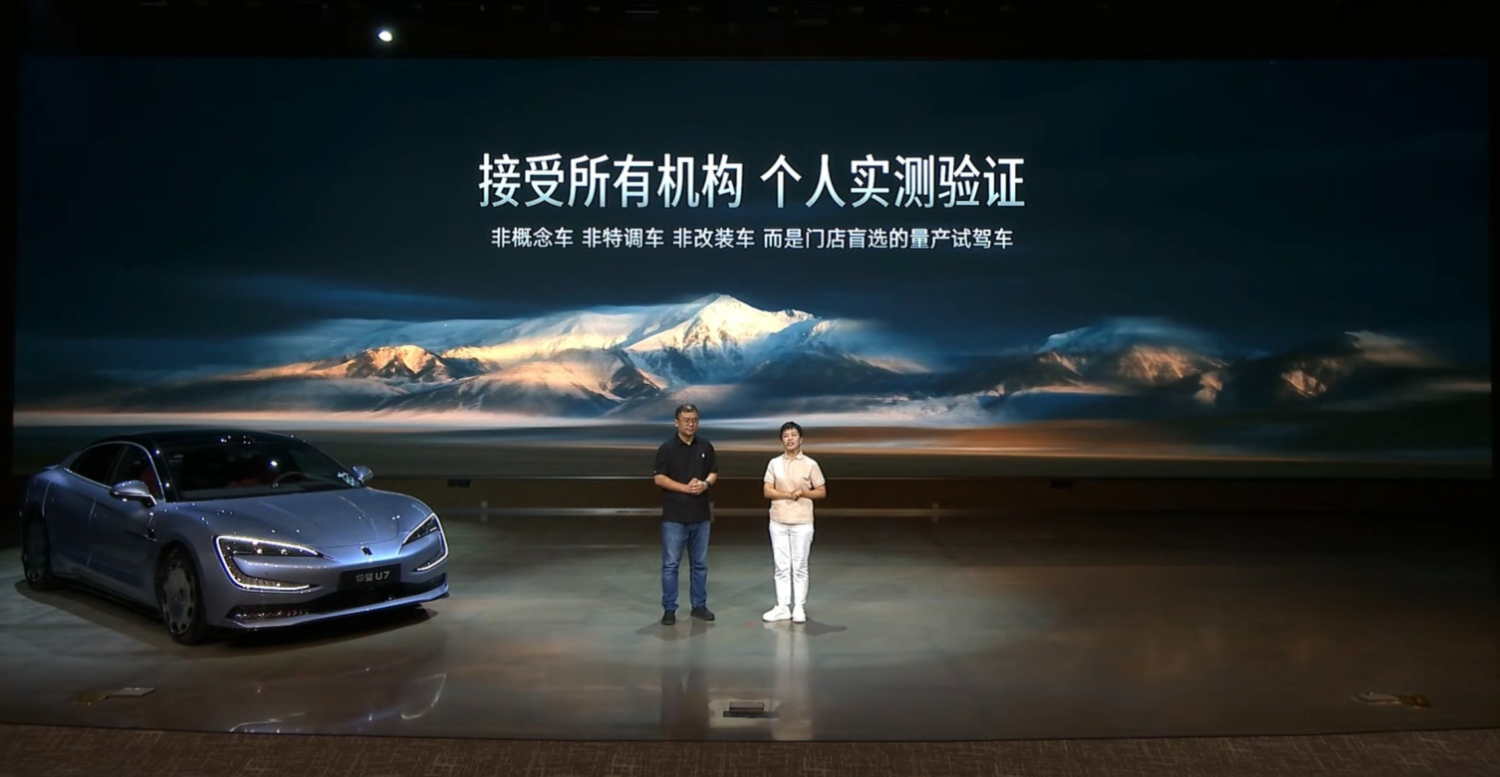
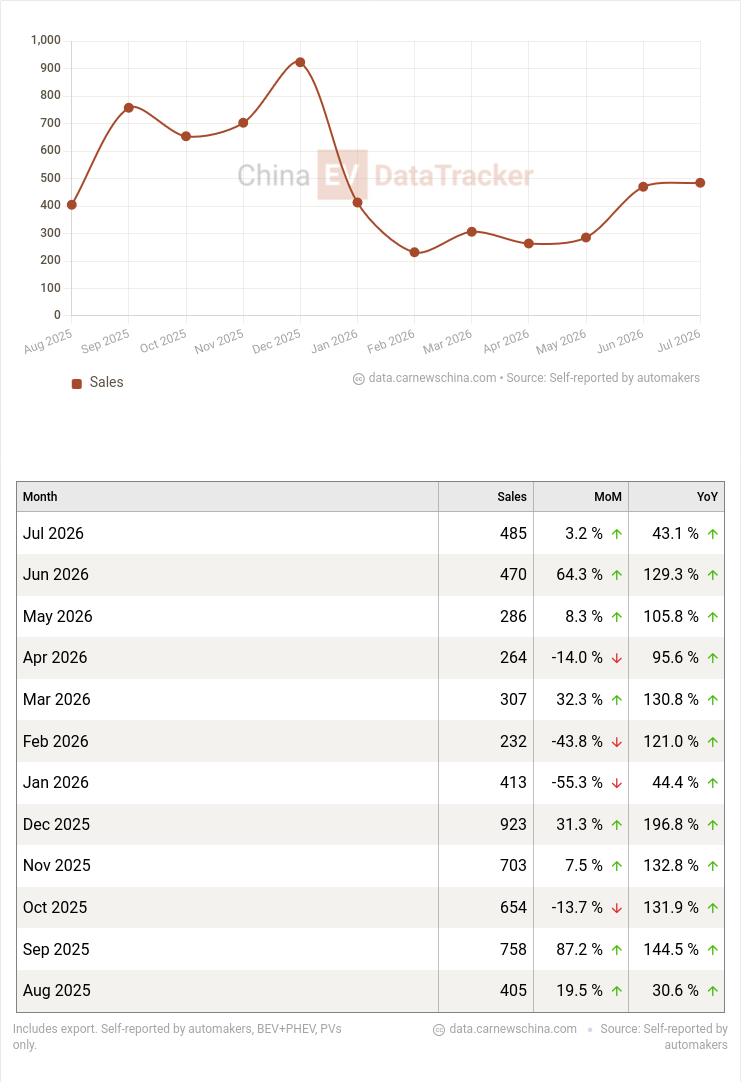
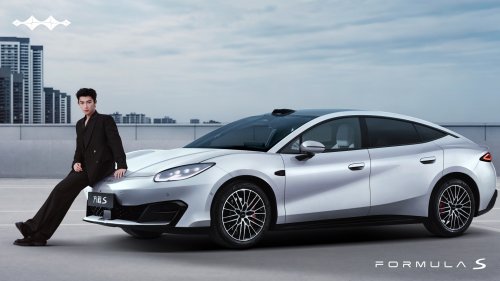
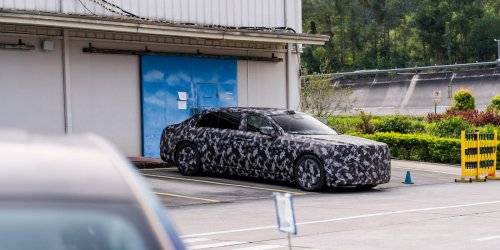
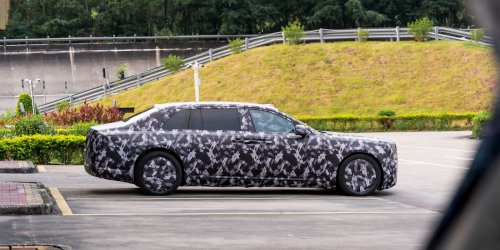
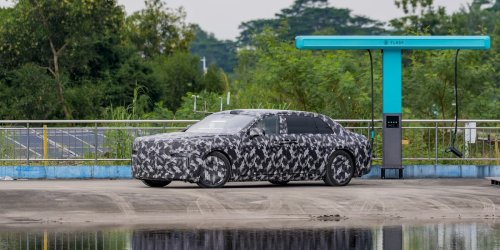
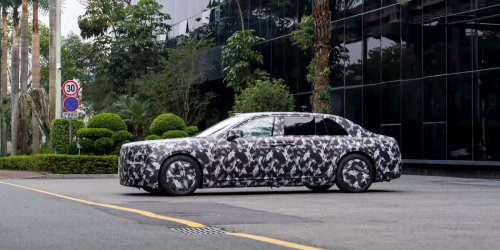
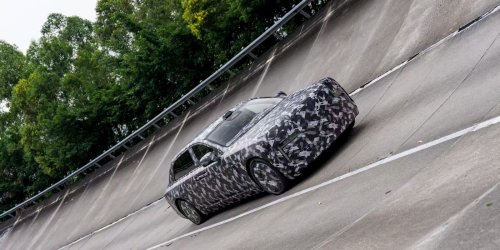
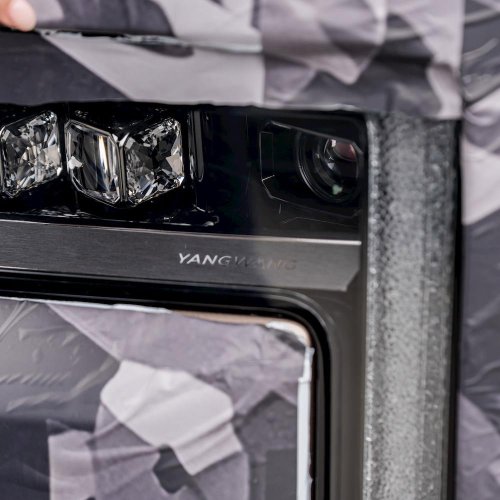
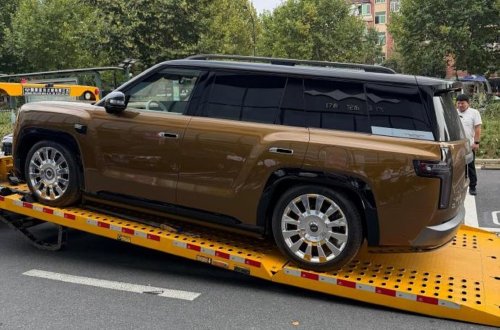
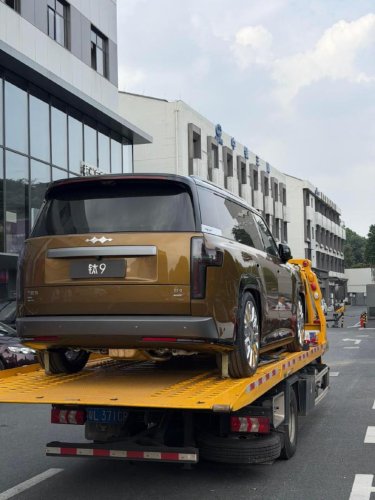
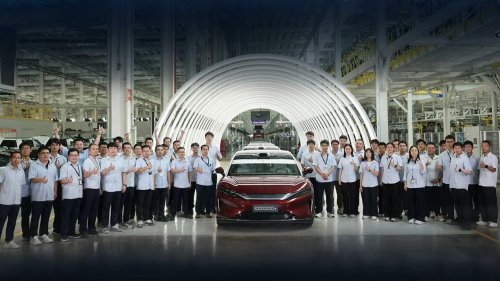
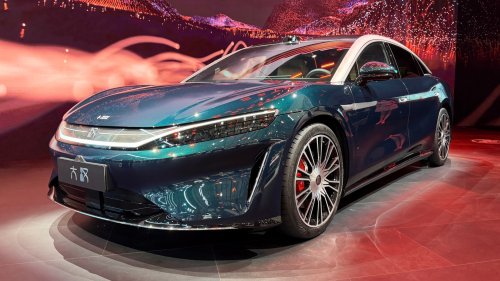
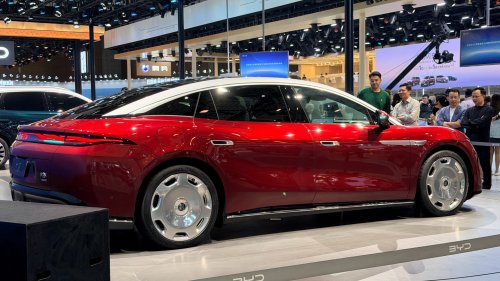
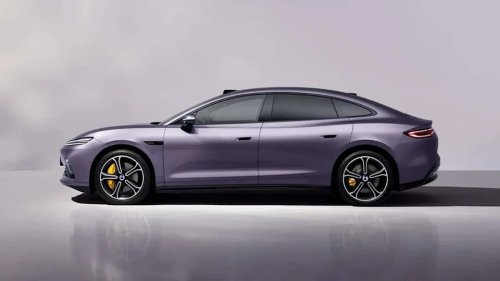
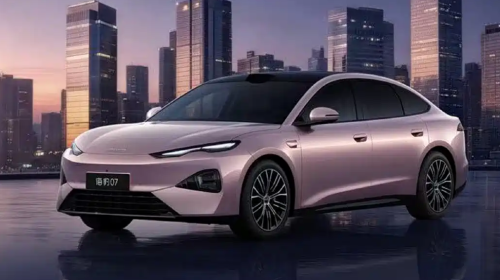
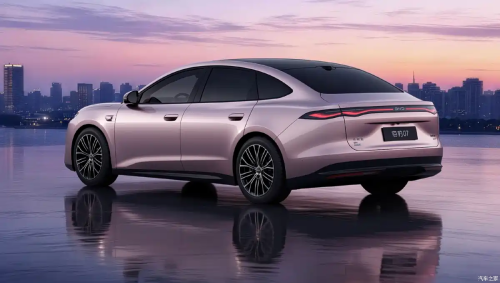
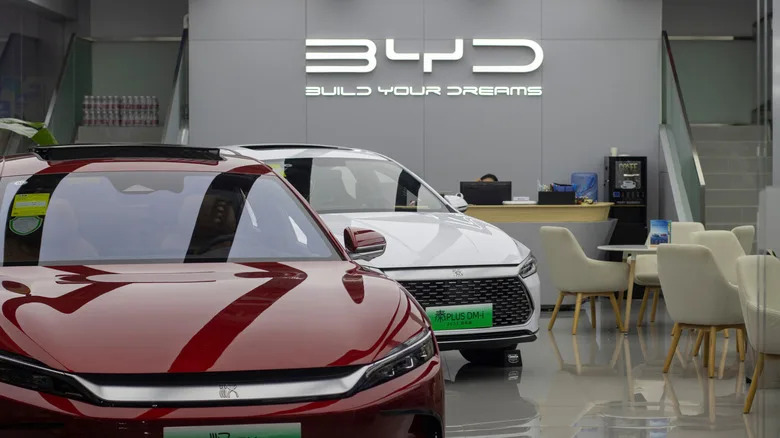
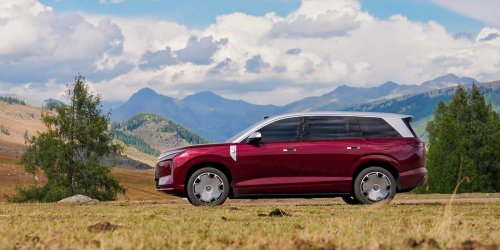
The 2026 Yangwang U7. Credit: BYD Understand China EV’s Market Real-time notifications when critical EV data is released All important data in one place 2,000,000+ data points Become a member BYD‘s Yangwang announced on August 25 that the production version of the 2026 Yangwang U7 pure electric sedan has successfully completed a 30,000 km endurance test in 8 days, 19 hours, and 58 minutes. The Yangwang U7, which has a starting price of 95,400 USD in China, was BYD’s first model to feature BYD’s Blade Battery 2.0. During the “Yangwang U7 Driver’s Conference,” Hu Xiaoqing, General Manager of Yangwang, emphasised the authenticity of the trial. She stated that the test vehicle was a standard production model randomly selected from a retail store, not a concept car, a specially tuned vehicle, or a modified version. Hu further declared that Yangwang welcomes verification and testing from all independent institutions and individuals. Throughout the endurance test, the U7 underwent more than 350 flash charging cycles. Upon completion, the battery capacity retention rate remained at 98.7%. According to company officials, Yangwang has deployed a total of 758 test vehicles for the U7 prior to its market launch, accumulating 10.49 million km of actual testing mileage. “Yangwang welcomes verification and testing from all independent institutions and individuals”. This testing comes amid a tightening regulatory environment for vehicle reliability in China. On January 21, 2026, the Ministry of Industry and Information Technology (MIIT) issued the 2026 No. 1 Announcement, revising the access review requirements for motor vehicle manufacturers and products. The new regulations, set to take effect on January 1, 2027, mandate that traditional vehicles (passenger cars, buses, and trucks) must undergo reliability verification tests of no less than 30,000 km. Furthermore, in July this year, the National Technical Committee for Automotive Standardisation sought public opinion on three proposed revisions to national standards. These proposals significantly increase the reliability test mileage for new energy vehicles (NEVs). Specifically, the total reliability driving distance for pure electric vehicles must be at least 30,000 km – aligning them with traditional internal combustion engine vehicles. Plug-in hybrid electric vehicles are also required to cover at least 30,000 km, with at least 10,000 km dedicated to pure electric reliability testing. Fuel cell electric vehicles are similarly required to complete at least 30,000 km in hybrid drive mode. Yan Jinghui, a member of the Expert Committee of the China Automobile Dealers Association, noted in an interview with NBD that these increased requirements reflect the rapid progress of China’s NEV technology. He suggested that raising the reliability standards for pure electric and plug-in hybrid models proves that battery range and durability are no longer the primary bottlenecks for the industry. As BYD’s most high-end brand, Yangwang’s monthly sales are in the hundreds. In July, it sold 485 units. Most important news in your inbox. Recaps · scheduled All you need, in one email. Instant alerts · real-time Ping me when an article goes live. 0 of 27 topics selected Bundle into one email per day — instead of one email per article No spam · Unsubscribe with one click · Change settings anytime



















 +38 others



![Battery, Watt's up, doc? Huddig hybrid loader gets a big battery boost [video]](https://cdn.topcarnews.net/thumb/id/aHR0cHM6Ly9pMC53cC5jb20vZWxlY3Ry-ZWsuY28vd3AtY29udGVudC91cGxvYWRz-L3NpdGVzLzMvMjAyNi8xMC9odWRkaWct-aHlicmlkX21haW4uanBnP3c9MTUwMCZh-bXA7cXVhbGl0eT04MiZhbXA7c3RyaXA9-YWxsJmFtcDtzc2w9MQ/ea51c544798341190a5eed718aab1ee3.jpg?t=20261006&post_id=67784)
![Battery, Watt's up, doc? Huddig hybrid loader gets a big battery boost [video]](https://cdn.topcarnews.net/thumb/id/aHR0cHM6Ly9lbGVjdHJlay5jby93cC1j-b250ZW50L3VwbG9hZHMvc2l0ZXMvMy8y-MDI2LzEwL0hlcm9iYW5uZXJfVGlnb25f-MS1jbG9zZS1jb3B5LmpwZw/d26fab6fabc13bc13692cf5d41542493.jpg?t=20261006&post_id=67784)
![Battery, Watt's up, doc? Huddig hybrid loader gets a big battery boost [video]](https://cdn.topcarnews.net/thumb/id/aHR0cHM6Ly9lbGVjdHJlay5jby93cC1j-b250ZW50L3VwbG9hZHMvc2l0ZXMvMy8y-MDI1LzAzL0RFUy0xMDM4X0VsZWN0cmVr-LUJhbm5lcnNfRVZzXzA3OTdjMi5wbmc/e850e929e3168f8c7ff73cd888e54add.png?t=20261006&post_id=67784)





![Not sold on Tesla Powerwall? There are great battery alternatives out there [update]](https://cdn.topcarnews.net/thumb/id/aHR0cHM6Ly9pMC53cC5jb20vZWxlY3Ry-ZWsuY28vd3AtY29udGVudC91cGxvYWRz-L3NpdGVzLzMvMjAyNi8wNy9ob21lLXNv-bGFyLWJhdHRlcnkucG5nP3c9MTUwMCZh-bXA7cXVhbGl0eT04MiZhbXA7c3RyaXA9-YWxsJmFtcDtzc2w9MQ/18e81f395a77dbb42269ab5e106fea41.png?t=20261006&post_id=68280)