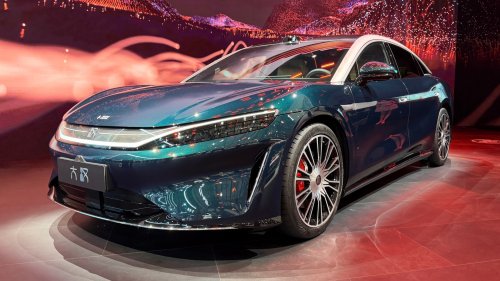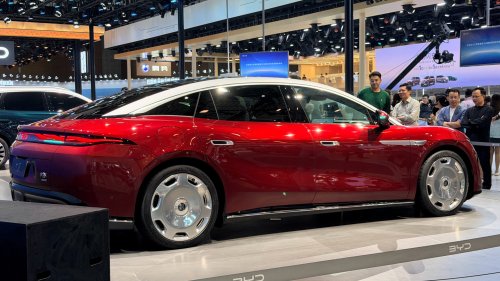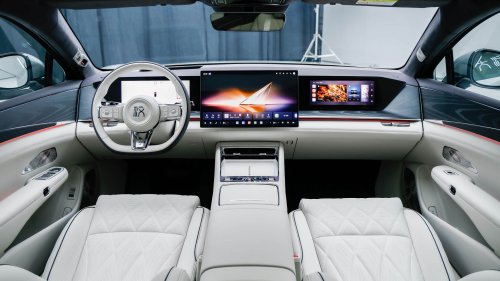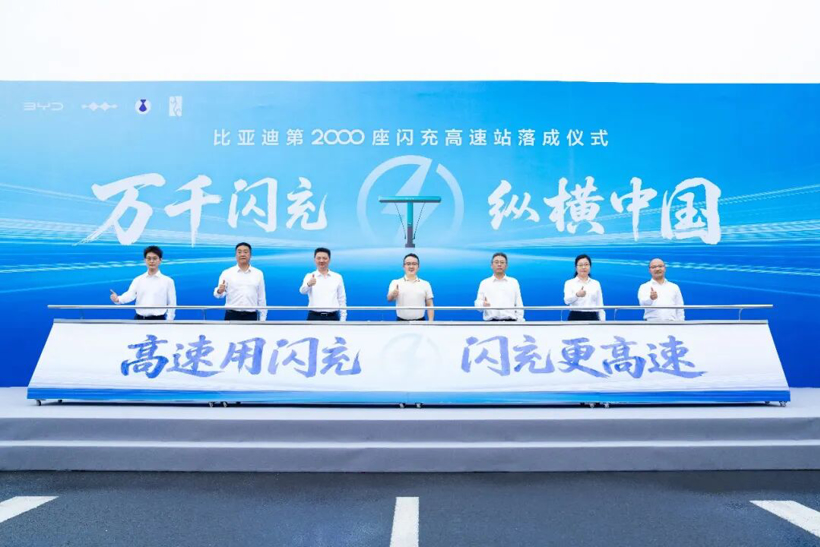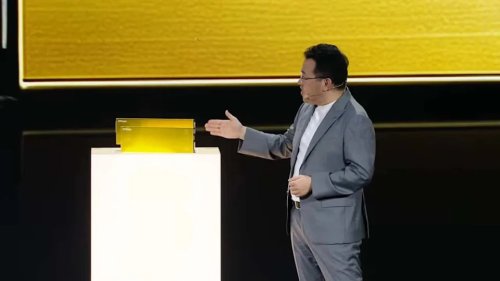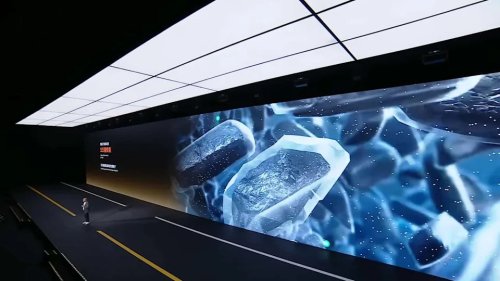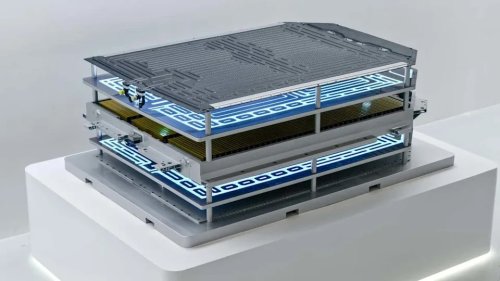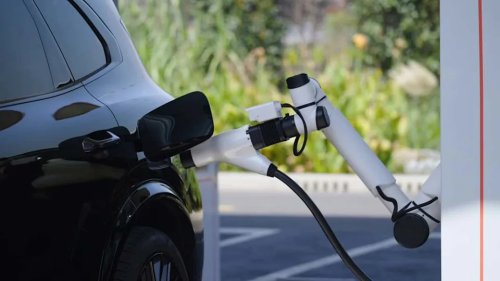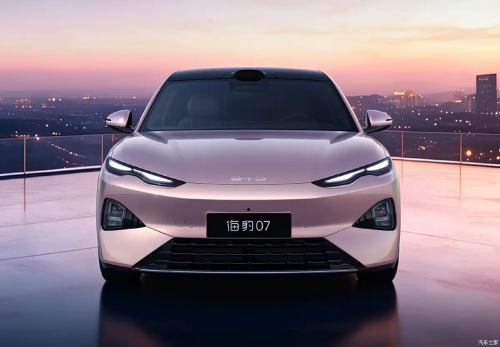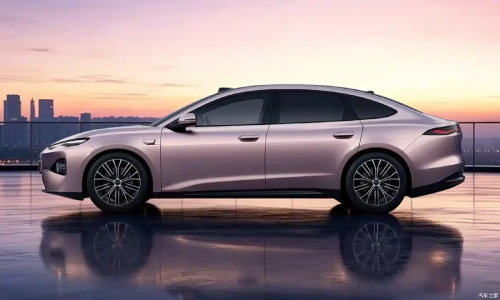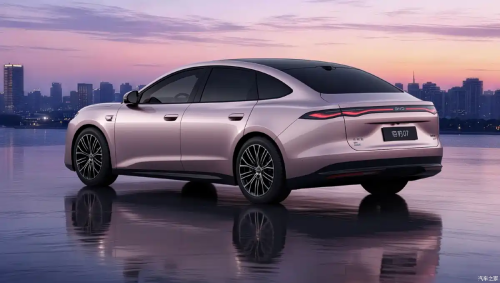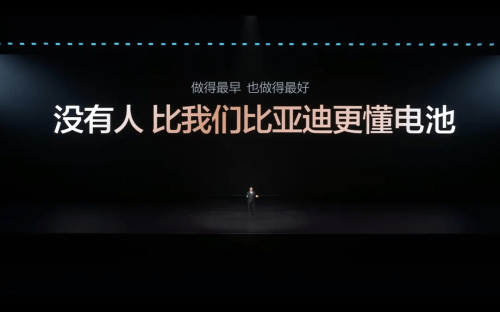
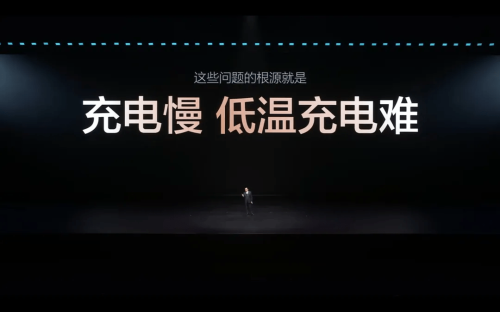
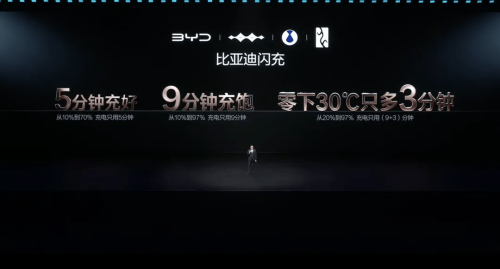
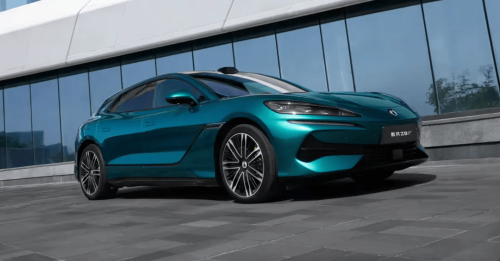
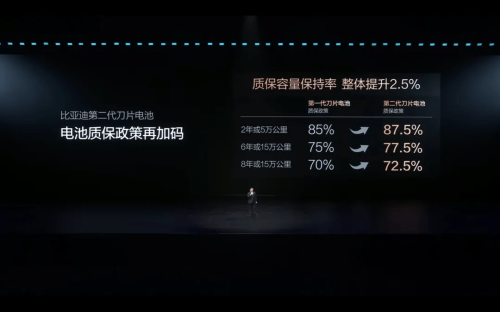
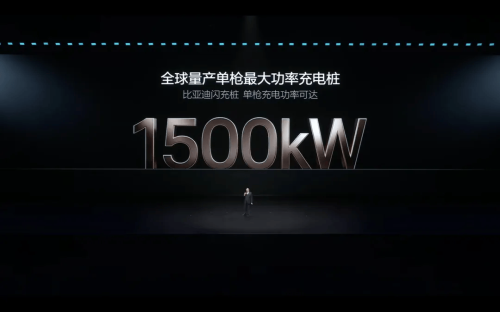
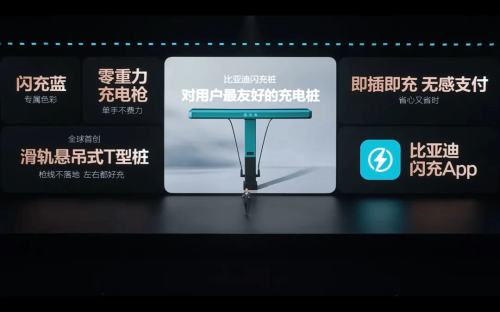
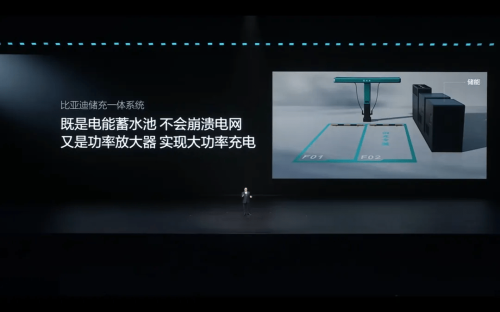
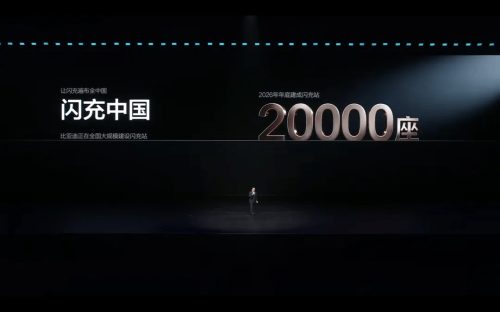
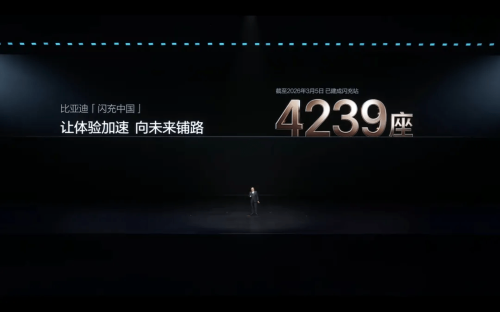
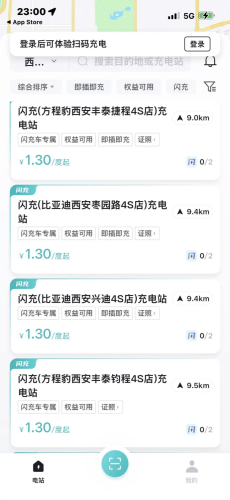



















BYD unveils new battery technologies addressing slow charging issues, aiming to enhance user experience and boost EV adoption in China. Ahead of unveiling what he described as BYD’s “disruptive tech event” tonght, BYD Chairman Wang Chuanfu made a bold statement: “No one understands batteries better than BYD.” BYD chairman Wang Chuanfu said: “No one understands batteries better than BYD.” In 2025, the penetration rate of new energy vehicles in China surpassed 50%, and the country became the world’s largest exporter of new energy vehicles for the third consecutive year. Despite the strong growth reflected in the data, unresolved user concerns remain when it comes to real-world experience. According to Wang, these concerns stem from lingering issues from the early stage of electrification, particularly slow charging and difficulty charging in low temperatures. He cited long queues at charging stations during holidays and sluggish winter charging performance as examples. During the recent Spring Festival travel period in China, waiting in line to charge became, after traffic congestion, one of the main obstacles preventing drivers from getting home. Obstacles in current charging situations Against that backdrop, BYD’s latest launch event appears intended to draw a line under the first phase of automotive electrification. Whether it can truly eliminate these concerns remains one of the most common questions surrounding the “second-generation Blade Battery” and BYD’s flash-charging technology, and reflects one of the most basic expectations the market holds for the EV experience. Has BYD succeeded in challenging the long-held notion that “new energy vehicles struggle in northern China”? To answer that question, it is worth examining the two “disruptive” technologies BYD unveiled. Fast Charging That Works in Heat and Cold In Wang’s view, solving EV user anxiety fundamentally comes down to the battery. He said the second-generation Blade Battery directly addresses two persistent issues: slow charging and poor low-temperature charging performance. Wang summarized the new battery’s capabilities with nine Chinese characters: “5 minutes good, 9 minutes full, 3 minutes cold.” Specifically, the second-generation Blade Battery can charge from 10% to 70% in five minutes, from 10% to 97% in nine minutes, and from 20% to 97% in 12 minutes under extreme cold conditions. BYD’s flash charging tech That is only three minutes longer than flash charging at room temperature, which Wang described as the “three-minute cold” benchmark. According to Wang, the second-generation Blade Battery can charge faster at -30°C than “other vehicles” can at 30°C. At the same time, while maintaining high charging efficiency, the battery’s energy density has improved by 5% compared with the previous generation, and its lifespan has also been extended. The updated Denza Z9GT equipped with the second-generation Blade Battery features roughly 22 kWh more capacity than the previous version, bringing the total to 122.496 kWh and enabling a CLTC range of 1,036 km, which BYD describes as the “longest in the world.” Denza Z9GT Previously, the NIO ET7 equipped with a 150 kWh battery pack achieved a range of 1,050 km, while the Zeekr 001 with its 140 kWh “1,000 km range package” also surpassed the 1,000 km threshold. Market demand for ultra-long-range EVs appears limited. Zeekr has since discontinued the 140 kWh battery option for the Zeekr 001, and NIO founder William Li has said the 150 kWh battery pack carries more “symbolic significance.” As for longevity, BYD did not disclose specific lifespan figures, but it has strengthened its warranty policy. The second-generation Blade Battery raises the guaranteed capacity threshold to 87.5% from 85% in the previous generation, an increase of 2.5 percentage points. BYD’s warranty policies for for the second-gen Blade Battery The warranty changes suggest BYD is confident about the battery’s long-term durability. In addition to the Denza Z9GT, several models unveiled that evening—including the Song Ultra EV, Seal 07EV, and the Fangchengbao Tai 7 EV Flash-Charging Edition—are equipped with the second-generation Blade Battery and support the latest flash-charging technology. Of course, “flash charging” is a complete ecosystem, and the second-generation Blade Battery represents only half of BYD’s newly announced “disruptive technologies.” Flash Charging Anywhere In March last year, BYD introduced its megawatt flash-charging system. While vehicles already supported the full technical stack, the ecosystem required to scale megawatt charging had yet to be fully established. At this event, BYD unveiled the final piece of that ecosystem, introducing new flash-charging infrastructure including charging piles capable of delivering up to 1,500 kW from a single connector, described as the highest power output for a mass-produced single-gun charger globally. BYD’s new flash-charging infrastructure delivers up to 1,500 kW from a single connector Also drawing attention was a sliding rail suspended T-shaped charging station. Featuring a suspended cable and sliding rail design, the system keeps cables elevated and allows them to move along the rail, accommodating different vehicle charging port locations while making the charging gun easier for users to handle. BYD also optimized the user experience around unlocking and payment. The BYD Flash Charging App supports “plug-and-charge” with seamless automatic payment. BYD’s new flash-charging station Beyond convenience, one of the biggest questions surrounding megawatt charging is whether power grids can handle the load. Wang explained that if all charging piles nationwide were upgraded to megawatt chargers (1,000 kW), the total demand based on China’s existing 4.8 million public charging piles would reach 4.8 billion kW, far exceeding the national grid’s total capacity of 3.8 billion kW. BYD proposes a solution in the form of an “energy reservoir” integrated with flash-charging stations. This storage-and-charging system can store electricity during idle periods and deliver high-power output when needed, which Wang said allows high-power charging “without overwhelming the grid.” BYD’s integrated storage-and-charging system Based on this integrated storage-and-charging technology, BYD—long criticized for not building its own charging stations—has launched an expansion plan for its flash-charging ecosystem. By the end of 2026, BYD aims to build 20,000 flash-charging stations. Of these, 18,000 will be “stations within stations,” created by upgrading existing public charging facilities. BYD aims to build 20,000 flash-charging stations by the end of 2026. Before the May Day holiday, BYD plans to complete the first 1,000 highway flash-charging stations to handle peak travel demand. As of March 5, 2026, BYD said it had already built 4,239 flash-charging stations. BYD has built 4,239 flash-charging stations as of March 5, 2026. That figure has sparked heated discussion online. Questions remain about where these more than 4,000 stations are located and whether they effectively meet users’ charging needs, pending further official disclosure. Starting immediately, all owners of vehicles equipped with the second-generation Blade Battery and flash-charging capability will receive one year of free flash-charging privileges from the date of delivery. Wang also said the pricing of BYD flash-charging stations will align with industry peers, and the chargers will be open to EVs from across the industry. Taken together, BYD’s flash-charging technology and second-generation Blade Battery aim to directly address user pain points left unresolved during the early stage of electrification, reinforcing fast charging as the company’s core solution to energy replenishment anxiety. While charging speeds still fall slightly short of the time required to refuel a gasoline vehicle, and the buildout of flash-charging infrastructure will take time, widespread recognition of megawatt charging may also require a longer adoption cycle. Over the longer term, however, the idea of “flash charging anywhere” could prove transformative. It could increase EV adoption among northern drivers and reduce conflicts over charging stations during peak holiday travel periods. That outcome will depend on whether BYD can fully deliver on these technologies in practice—whether the more than 4,000 flash-charging stations meaningfully ease charging anxiety and whether the user experience matches the company’s claims. For now, according to the BYD Flash Charging App, most flash-charging sites are located at BYD 4S dealerships and user experience centers. YD Flash Charging App Whether they can truly solve the industry’s energy replenishment challenges remains to be seen. If charging can eventually rival refueling in speed, the “first half” of the EV era may indeed be drawing to a close—and the penetration rate of new energy vehicles could move to an even higher level.