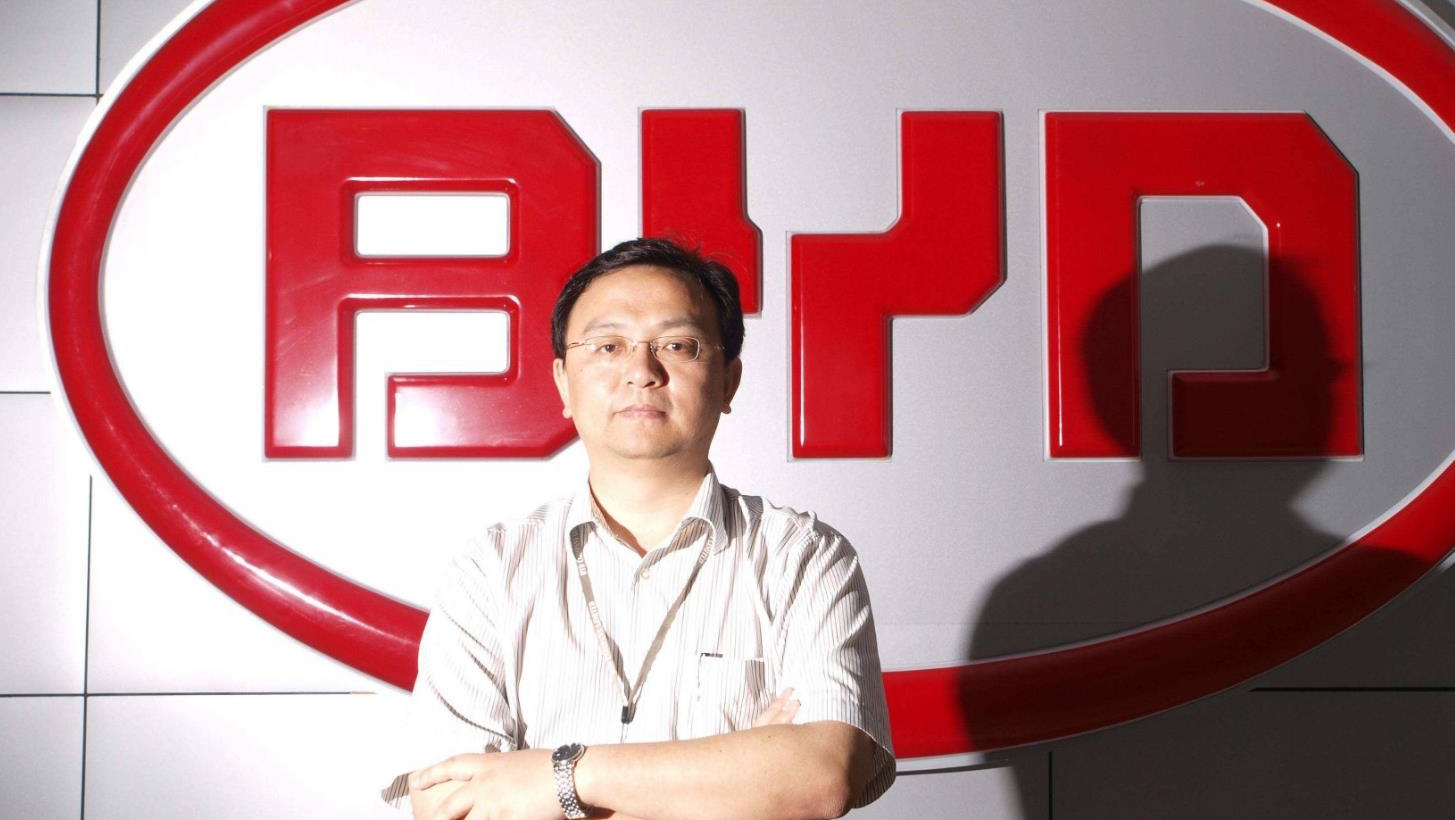
BYD's founder and chairman Wang Chuanfu. Credit: BYD Understand China EV’s Market Real-time notifications when critical EV data is released All important data in one place 2,000,000+ data points Become a member During BYD‘s 2025 annual general meeting held on June 9, 2026, Chairman and President Wang Chuanfu expressed strong confidence in the company’s future, projecting that BYD will achieve the status of the world’s largest automaker by scale within the next five years. Strong overseas momentum Wang highlighted the robust growth of Chinese automakers in international markets, noting that BYD’s products – characterised by competitive pricing, advanced technology, and superior user experience – are currently outperforming many local competitors. While the company initially set an overseas sales target of 1.6 million vehicles for this year, Wang revealed that current trends suggest this figure will be surpassed. Emphasising a strategy of “long-termism,” Wang stressed the importance of localisation to ensure stable and sustainable growth, aiming for win-win outcomes in international markets. Advancing intelligent driving Addressing the future of automotive intelligence, Wang described the vehicle as a form of “embodied intelligence.” With 3.15 million intelligent driving-equipped vehicles already on the road globally, BYD is accumulating data at a rate of 200 million km per day. This dataset serves as a foundation for the company’s next-level autonomous driving capabilities. Wang predicted that L3 and L4 autonomous driving technologies will reach the market sooner than expected. He confirmed that BYD is fully prepared across chips, algorithms, and data ecosystems. “Once the regulations are in place, BYD will quickly take off,” Wang stated, noting that the company has already established training centres in Europe, South America, Southeast Asia, and the Middle East to support this rollout. Technology-Driven Premium Strategy In response to shareholder concerns regarding domestic profit margins and brand image, Wang maintained that BYD’s path to high-end positioning lies in its core technology. He pointed out that in many international markets – such as Australia, Europe, and South America – BYD is already perceived as a premium brand. “Automobiles are transportation tools that involve life safety, we must return to the essence of technology,” Wang said. He added that with a new wave of “stunning” technologies scheduled for release next year, the company expects to resolve challenges related to brand premiumization and per-vehicle profitability. Looking ahead, Wang remains optimistic about the next three to five years. Supported by second-generation blade battery technology, rapid-charging innovations, and upcoming proprietary technologies, he expects BYD to benefit from a “dual-engine” drive of domestic and international growth, ultimately positioning the company to claim the top spot in the global automotive industry by 2030. Editor’s comment BYD’s brand image is indeed very different at home and abroad. In China, because a huge number of low-cost ride-hailing cars are BYDs, and many drivers work such long hours (even sleeping in their cars) that the vehicles end up smelly, it has had a bit of a negative impact on the brand’s reputation.



















 +35 others
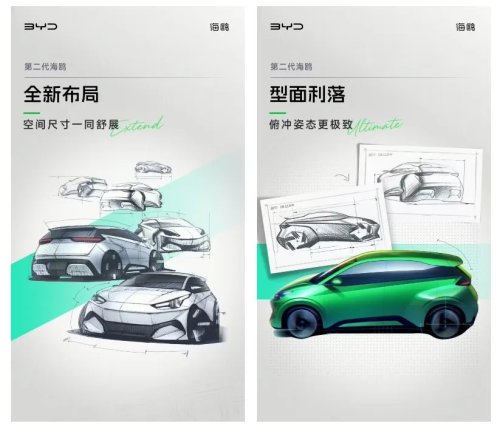
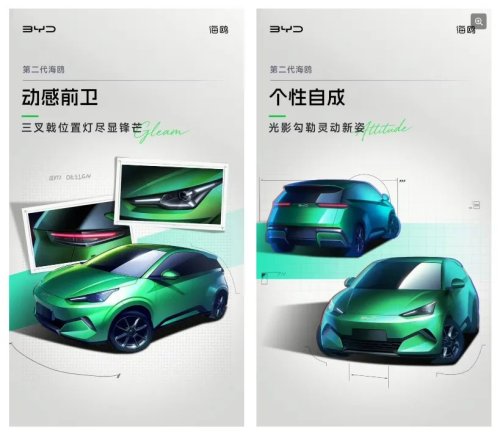
![BYD, BYD Seagull, BYD offers a closer look at the new Seagull EV [Images]](https://cdn.topcarnews.net/thumb/id/aHR0cHM6Ly9pMC53cC5jb20vZWxlY3Ry-ZWsuY28vd3AtY29udGVudC91cGxvYWRz-L3NpdGVzLzMvMjAyNi8wOS9CWUQtbmV3-LVNlYWd1bGwtRVYtdXBkYXRlLmpwZWc_-dz0xNTAwJmFtcDtxdWFsaXR5PTgyJmFt-cDtzdHJpcD1hbGwmYW1wO3NzbD0x/9c0b758dc4a218f611566b2a03c52e8a.jpeg?t=20260926&post_id=64651)
![BYD, BYD Seagull, BYD offers a closer look at the new Seagull EV [Images]](https://cdn.topcarnews.net/thumb/id/aHR0cHM6Ly9lbGVjdHJlay5jby93cC1j-b250ZW50L3VwbG9hZHMvc2l0ZXMvMy8y-MDI2LzA5L0JZRC1uZXctU2VhZ3VsbC1F-Vi0xLmpwZWc_c3RyaXA9aW5mbyZhbXA7-dz03MDA/9f44752c6c4b6208b3a29d7e2ceaf455.jpeg?t=20260926&post_id=64651)
![BYD, BYD Seagull, BYD offers a closer look at the new Seagull EV [Images]](https://cdn.topcarnews.net/thumb/id/aHR0cHM6Ly9lbGVjdHJlay5jby93cC1j-b250ZW50L3VwbG9hZHMvc2l0ZXMvMy8y-MDI2LzA5L0JZRC1uZXctU2VhZ3VsbC1F-Vi0zLmpwZWc_c3RyaXA9aW5mbyZhbXA7-dz03MDA/53e754be2aacba076b7b389ef9413f41.jpeg?t=20260926&post_id=64651)
![BYD, BYD Seagull, BYD offers a closer look at the new Seagull EV [Images]](https://cdn.topcarnews.net/thumb/id/aHR0cHM6Ly9lbGVjdHJlay5jby93cC1j-b250ZW50L3VwbG9hZHMvc2l0ZXMvMy8y-MDI2LzA5L0JZRC1uZXctU2VhZ3VsbC1F-Vi5qcGVnP3N0cmlwPWluZm8mYW1wO3c9-NzAw/3b0cb7f441d090c464769d93120d8543.jpeg?t=20260926&post_id=64651)
![BYD, BYD Seagull, BYD offers a closer look at the new Seagull EV [Images]](https://cdn.topcarnews.net/thumb/id/aHR0cHM6Ly9lbGVjdHJlay5jby93cC1j-b250ZW50L3VwbG9hZHMvc2l0ZXMvMy8y-MDI2LzA5L0JZRC1uZXctU2VhZ3VsbC1F-Vi0yLmpwZWc_c3RyaXA9aW5mbyZhbXA7-dz03MDA/ea2b4ebf38c4e9bf732d179d639b1562.jpeg?t=20260926&post_id=64651)
![BYD, BYD Seagull, BYD offers a closer look at the new Seagull EV [Images]](https://cdn.topcarnews.net/thumb/id/aHR0cHM6Ly9lbGVjdHJlay5jby93cC1j-b250ZW50L3VwbG9hZHMvc2l0ZXMvMy8y-MDI2LzA3L0JZRC1TZWFndWxsLUVWLXVw-ZGF0ZS0zLmpwZWc_c3RyaXA9aW5mbyZh-bXA7dz0xNDAw/02a0f7b5011767092a1ea11a79495fc7.jpeg?t=20260926&post_id=64651)
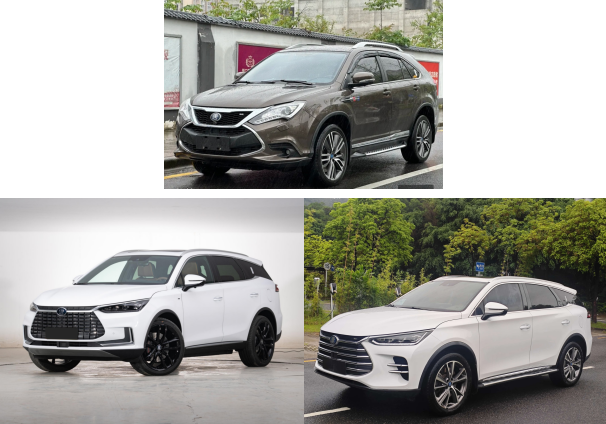

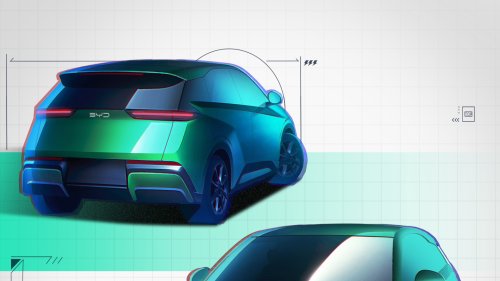
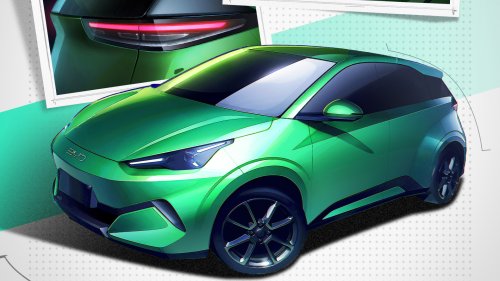
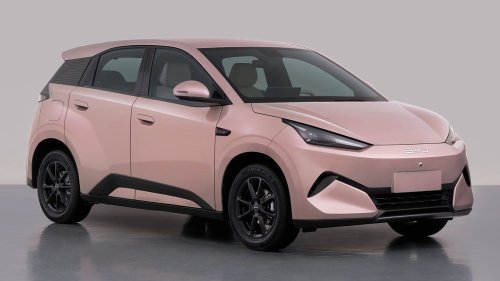
![BYD, BYD's $10,000 EV has a big sibling on the way: First look [Images]](https://cdn.topcarnews.net/thumb/id/aHR0cHM6Ly9pMC53cC5jb20vZWxlY3Ry-ZWsuY28vd3AtY29udGVudC91cGxvYWRz-L3NpdGVzLzMvMjAyNi8wOS9CWUQtR3Jl-YXQtU2VhZ3VsbC1FVi1maXJzdC1sb29r-LmpwZWc_dz0xNTAwJmFtcDtxdWFsaXR5-PTgyJmFtcDtzdHJpcD1hbGwmYW1wO3Nz-bD0x/4dd4fa96cdf12559891b44c0ae18cc65.jpeg?t=20260926&post_id=64341)
![BYD, BYD's $10,000 EV has a big sibling on the way: First look [Images]](https://cdn.topcarnews.net/thumb/id/aHR0cHM6Ly9lbGVjdHJlay5jby93cC1j-b250ZW50L3VwbG9hZHMvc2l0ZXMvMy8y-MDI2LzA3L0JZRC1TZWFndWxsLUVWLWxv-bmdlci5qcGVnP3N0cmlwPWluZm8mYW1w-O3c9MTQwMA/a412dc5ddf85cc7d169d4bcc3fdd7798.jpeg?t=20260926&post_id=64341)
![BYD, BYD's $10,000 EV has a big sibling on the way: First look [Images]](https://cdn.topcarnews.net/thumb/id/aHR0cHM6Ly9lbGVjdHJlay5jby93cC1j-b250ZW50L3VwbG9hZHMvc2l0ZXMvMy8y-MDI2LzA3L0JZRC1TZWFndWxsLUVWLXVw-ZGF0ZS5qcGVnP3N0cmlwPWluZm8mYW1w-O3c9MTQwMA/fecda1af96dbaf70d574ec2f9e5deb7a.jpeg?t=20260926&post_id=64341)
![BYD, BYD's $10,000 EV has a big sibling on the way: First look [Images]](https://cdn.topcarnews.net/thumb/id/aHR0cHM6Ly9lbGVjdHJlay5jby93cC1j-b250ZW50L3VwbG9hZHMvc2l0ZXMvMy8y-MDI2LzA3L0JZRC1TZWFndWxsLUVWLXVw-ZGF0ZS0xLmpwZWc_c3RyaXA9aW5mbyZh-bXA7dz0xNDAw/8dbbcf9dde61eec3ff01de1121cdaaf5.jpeg?t=20260926&post_id=64341)
![BYD, BYD's $10,000 EV has a big sibling on the way: First look [Images]](https://cdn.topcarnews.net/thumb/id/aHR0cHM6Ly9lbGVjdHJlay5jby93cC1j-b250ZW50L3VwbG9hZHMvc2l0ZXMvMy8y-MDI2LzA3L0JZRC1TZWFndWxsLUVWLXVw-ZGF0ZS0yLmpwZWc_c3RyaXA9aW5mbyZh-bXA7dz0xNDAw/5aa4369f36f3e45cef0b6dd83ae6128a.jpeg?t=20260926&post_id=64341)
![BYD, BYD's $10,000 EV has a big sibling on the way: First look [Images]](https://cdn.topcarnews.net/thumb/id/aHR0cHM6Ly9lbGVjdHJlay5jby93cC1j-b250ZW50L3VwbG9hZHMvc2l0ZXMvMy8y-MDI2LzA3L0JZRC1TZWFndWxsLUVWLXVw-ZGF0ZS0zLmpwZWc_c3RyaXA9aW5mbyZh-bXA7dz0xNDAw/02a0f7b5011767092a1ea11a79495fc7.jpeg?t=20260926&post_id=64341)