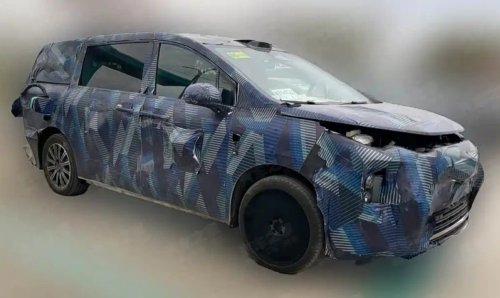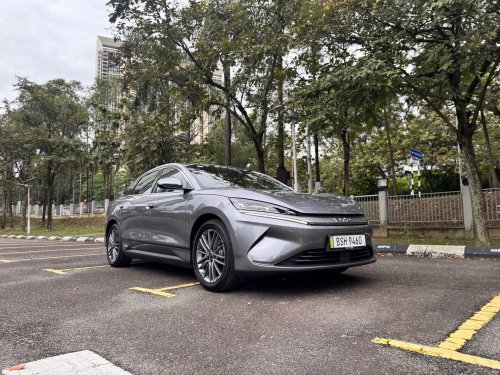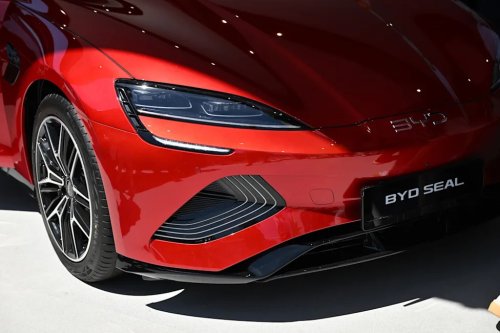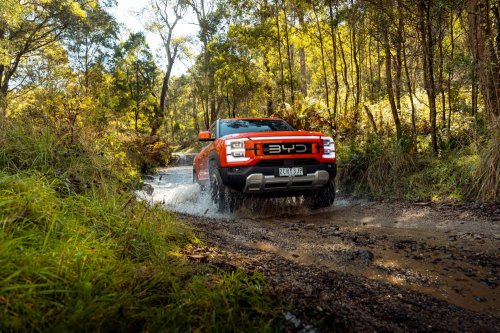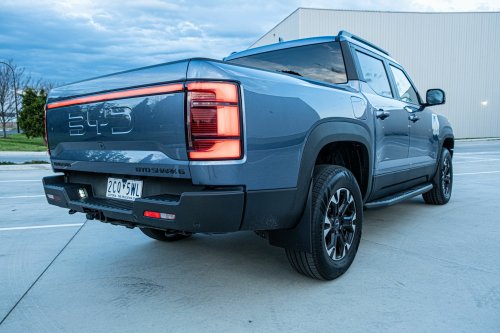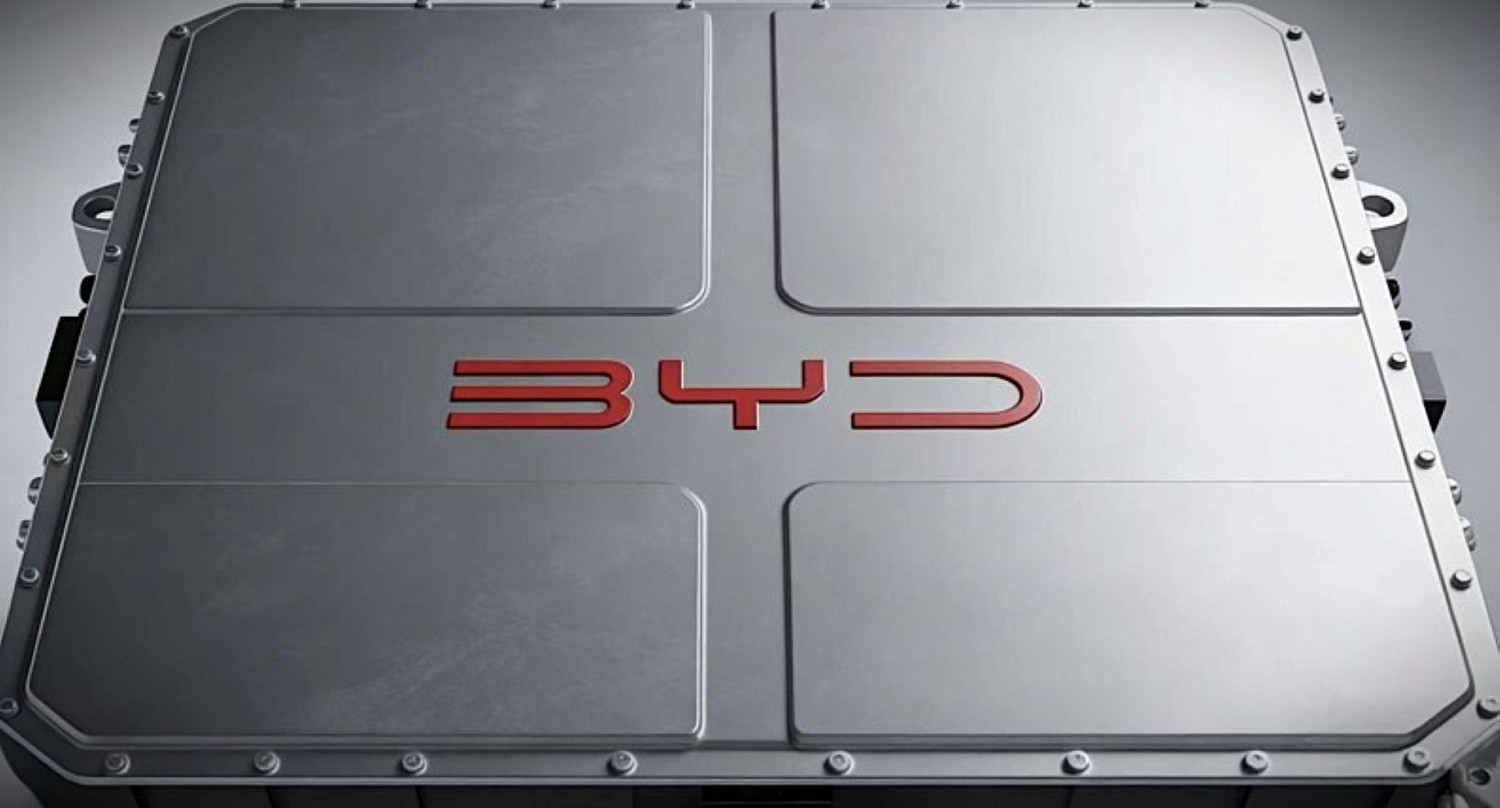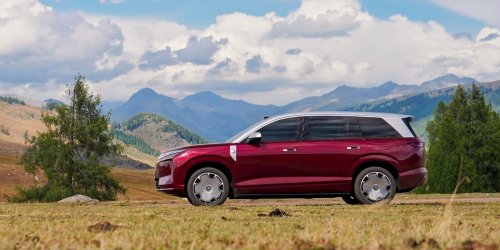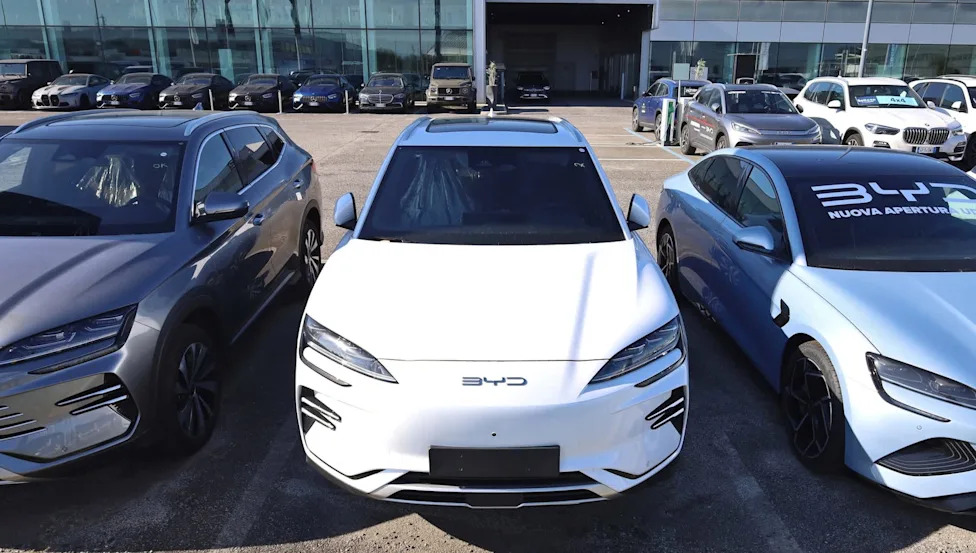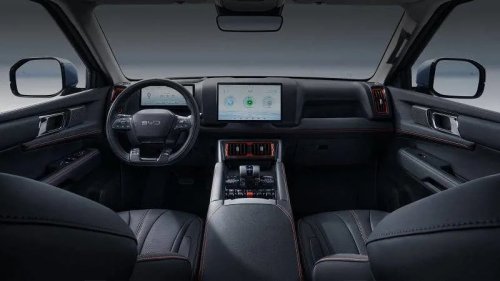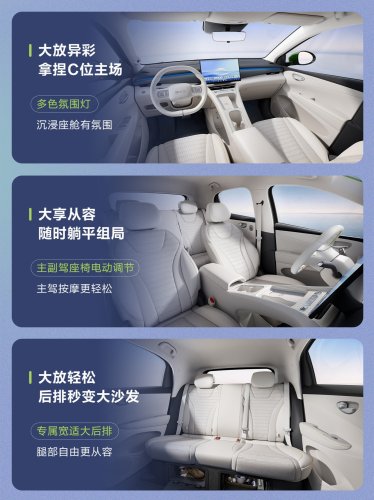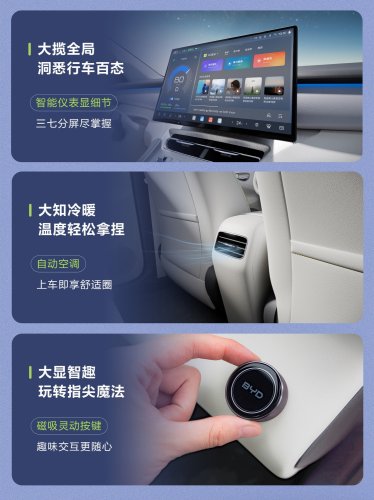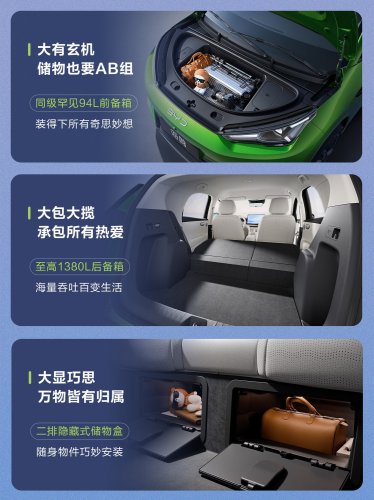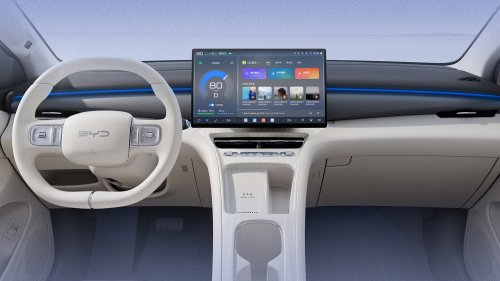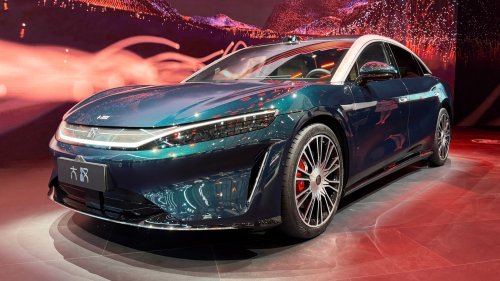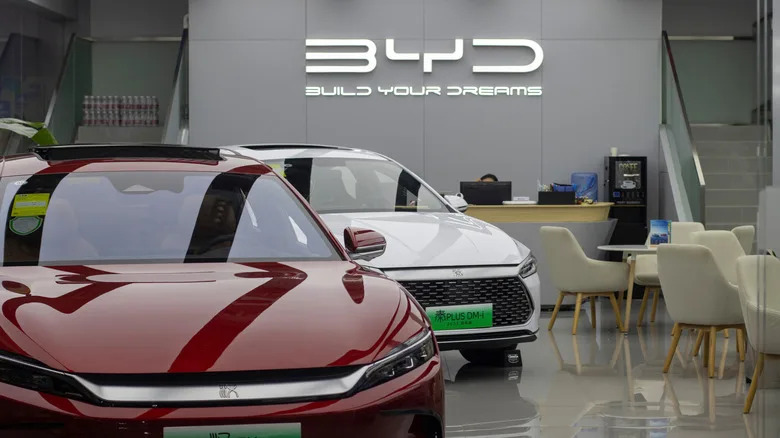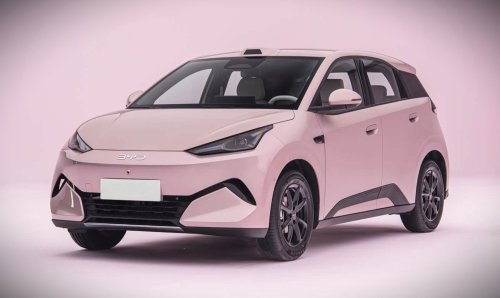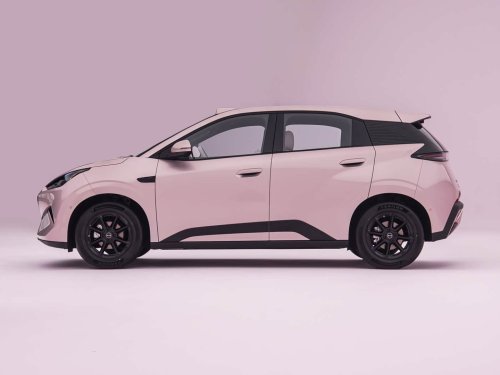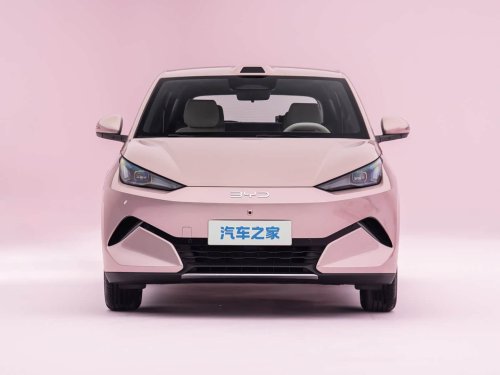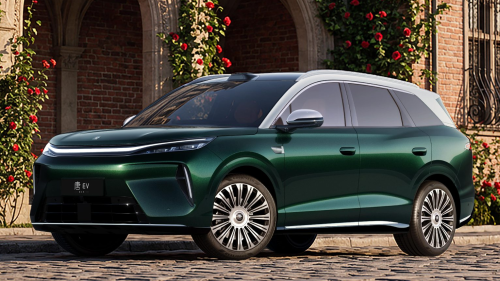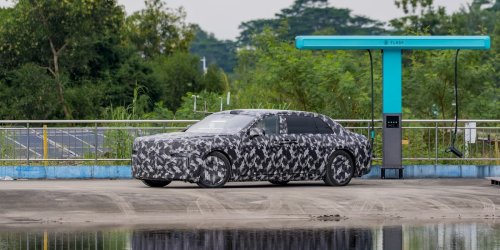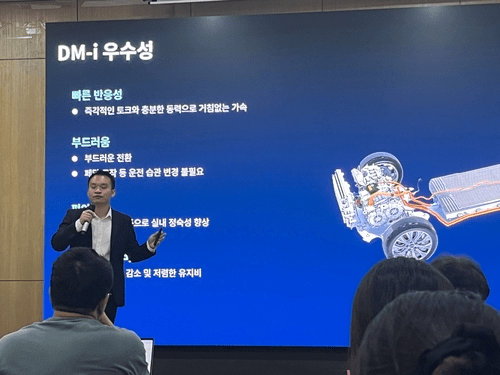
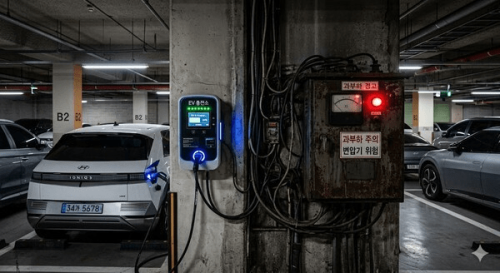
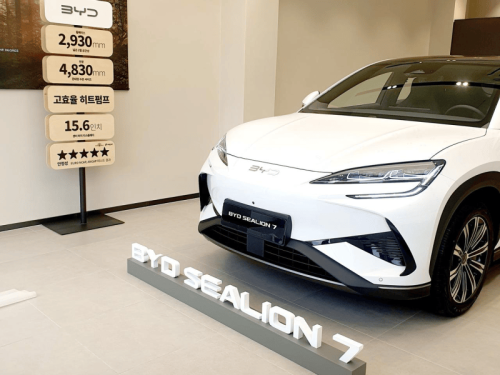

















BYD unveiled the Sealion 6 DM-i plug-in hybrid SUV at the 2026 Busan International Mobility Show, opening preorders simultaneously in South Korea. The launch marks BYD’s first plug-in hybrid model in the Korean market. It also expands the company’s local lineup from battery electric vehicles to a dual powertrain strategy combining EVs, plug-in hybrids. BYD Sealion 6 DM-i The front-wheel-drive variant starts at 37.5M won ($24.3K). The Sealion 6 DM-i features BYD’s fifth-generation DM-i Super Hybrid system, pairing the EHS hybrid system with the Xiaoyun 1.5T engine, an 18.3-kWh Blade Battery. The vehicle delivers up to 70 km of electric-only range. It also supports 18-kW DC fast charging, 3.3-kW vehicle-to-load (V2L) power output. Compared with BYD’s existing EV lineup in Korea, the Sealion 6 DM-i targets families with longer-distance travel needs. It combines electric driving characteristics with extended driving range, lower charging anxiety, offering Korean consumers another electrified option. BYD Korea had already introduced its DM-i technology to local media during a technical briefing in Seoul on June 17, confirming plans to launch plug-in hybrid models in the country. BYD DM-i technology briefing in Seoul. Market conditions also favor broader powertrain choices. According to the Korea Automobile Importers & Distributors Association (KAIDA), imported passenger-car registrations reached 29,860 units in May 2026, up 5.9% year on year. Battery electric vehicles accounted for 48.6% of registrations. Hybrid vehicles represented 40.4%. Together, the two categories made up nearly 90% of Korea’s imported passenger-car market, reflecting a shift from pure EV adoption toward multiple electrification technologies. Conventional hybrids still dominate Korea’s hybrid segment. Hyundai, Kia currently offer relatively limited plug-in hybrid portfolios. Existing PHEV models generally provide shorter electric range, lower charging efficiency. Housing patterns further strengthen the case for plug-in hybrids. Most Korean residents live in high-rise apartment complexes. Restrictions involving electricity infrastructure, fire regulations, homeowner approvals make private charger installation difficult. The limitations have caused some consumers to hesitate before purchasing fully electric vehicles. A private charging post in an underground parking lot in South Korea. Against this backdrop, the Sealion 6 DM-i offers electric driving without relying entirely on charging infrastructure, making it attractive to consumers seeking longer-distance capability. BYD’s brand awareness has also continued to improve in South Korea. Following the launches of the Sealion 7, Atto 3, Seal, Dolphin, the company has built stronger recognition among younger consumers. On Korean social media platforms, many young users increasingly associate BYD with China’s cutting-edge new-energy technology, helping boost online engagement, brand visibility. The momentum translated into sales earlier this year. BYD entered South Korea’s top three imported passenger-car brands for the first time in April after registering more than 2K new vehicles. Monthly registrations exceeded the combined sales of Japan’s three largest brands, marking the strongest performance ever achieved by a Chinese automaker in Korea. Registrations moderated in May as deliveries normalized. BYD registered 1,032 vehicles during the month, down nearly 50% from April, slipping to seventh place among imported brands. The Sealion 7 remained the company’s core product, contributing 655 registrations, more than 60% of total monthly volume. BYD Sealion 7 The addition of the Sealion 6 DM-i broadens BYD’s addressable customer base. The model targets consumers unable to install home chargers, drivers concerned about long-distance range, buyers preferring hybrid powertrains. The expanded lineup could help BYD reach its 2026 sales target of 10K vehicles in South Korea, representing roughly 64% growth from 6,107 units sold in 2025.