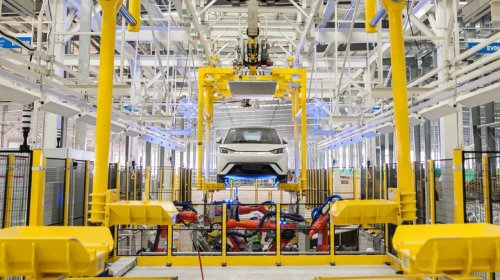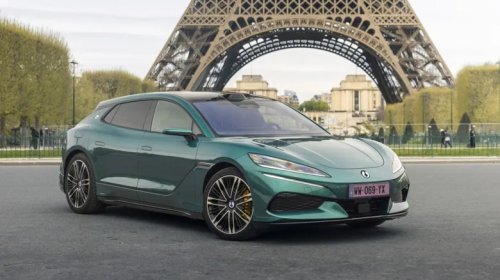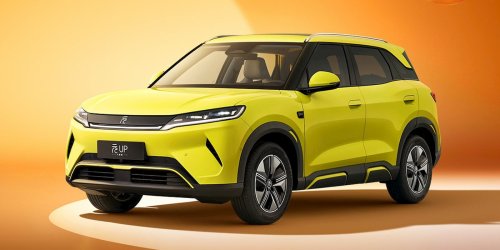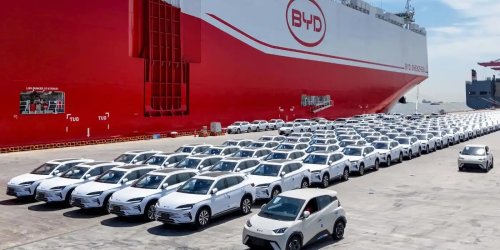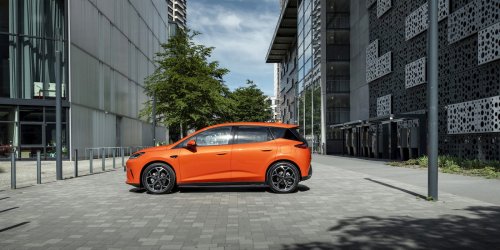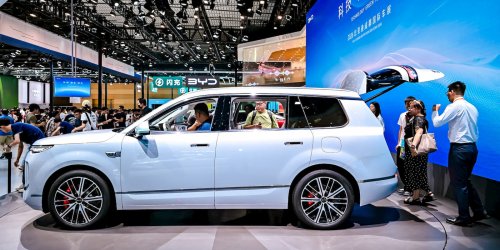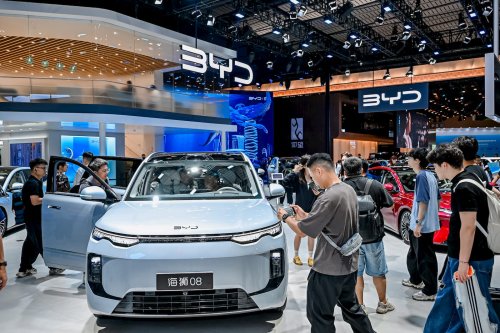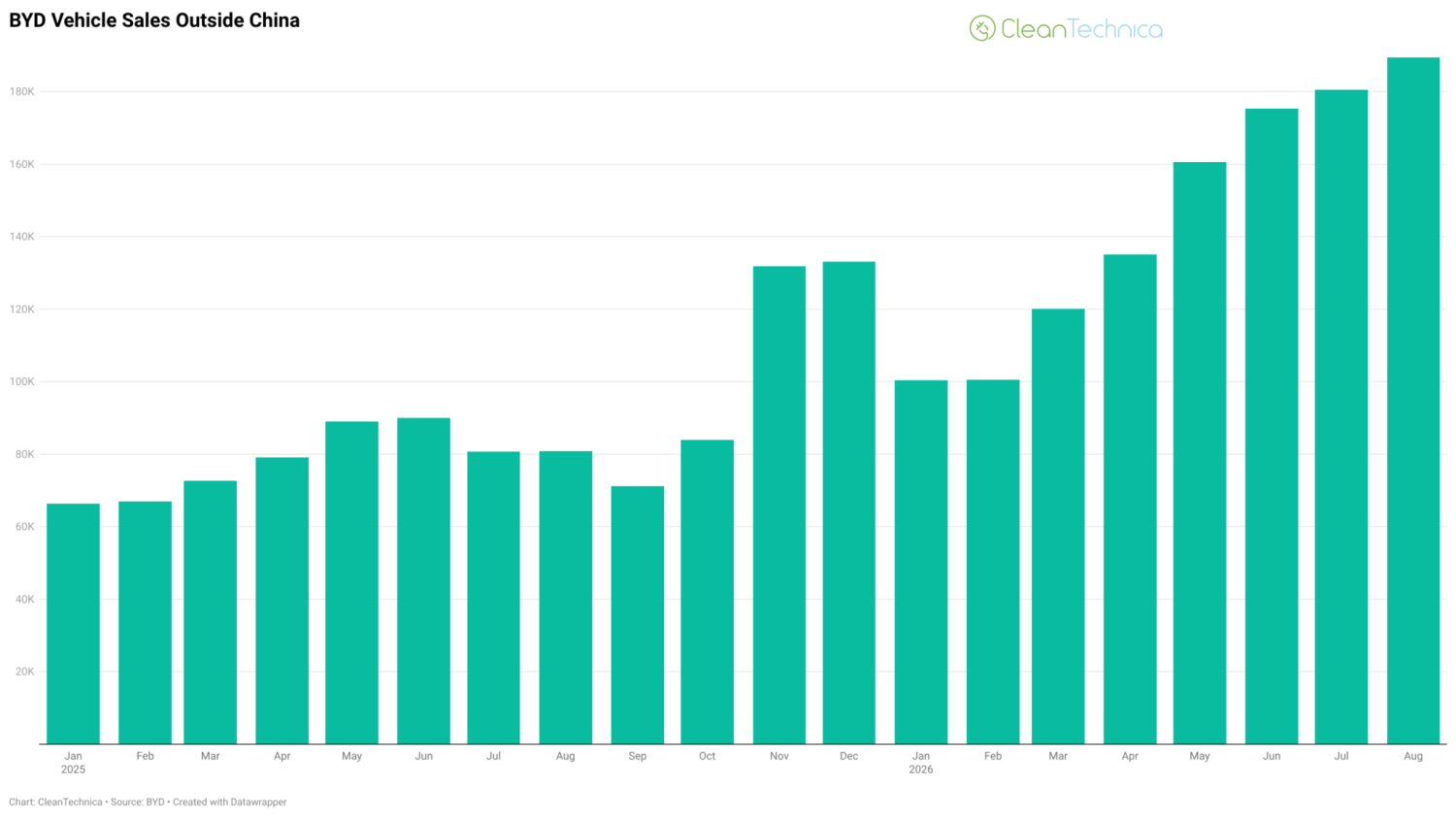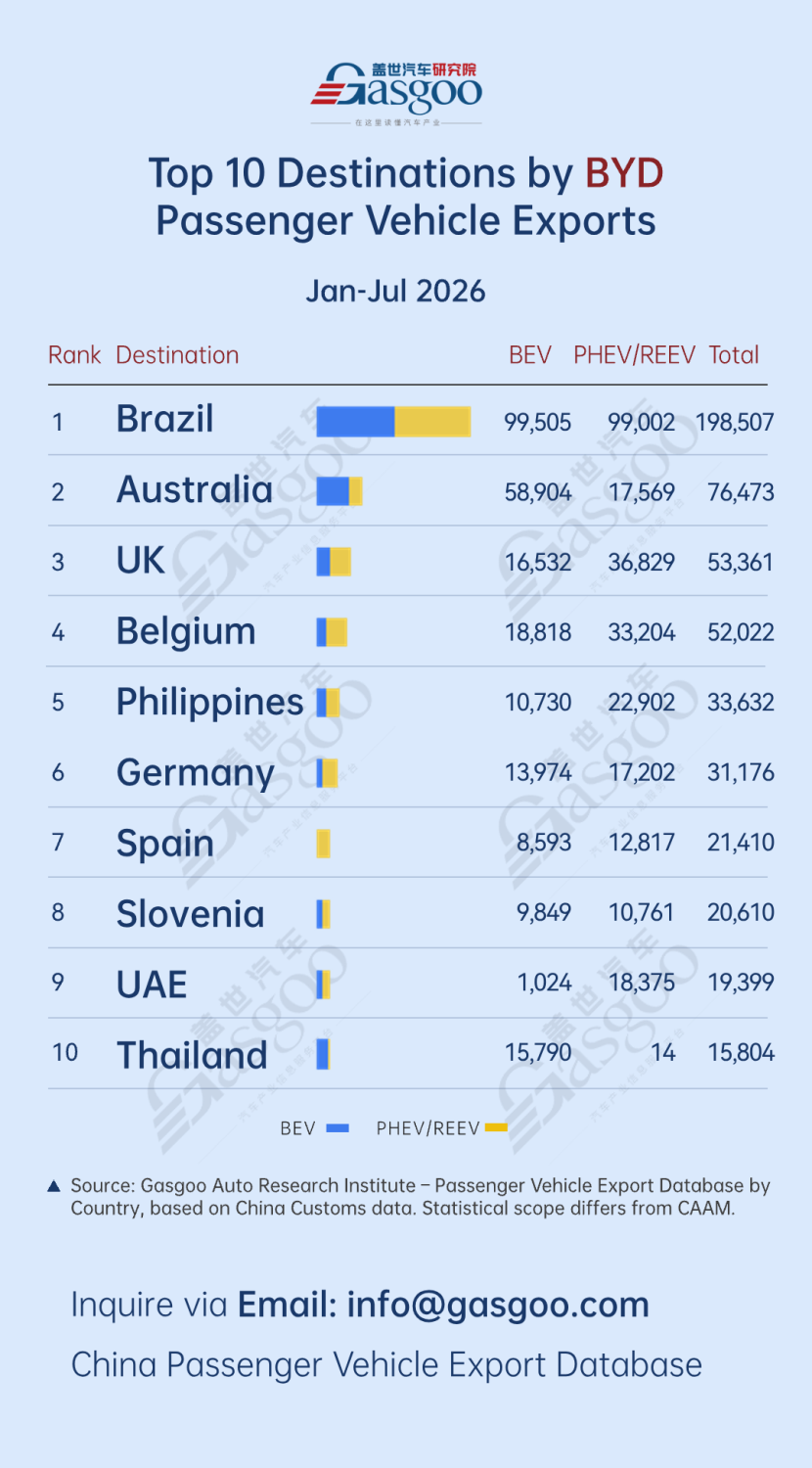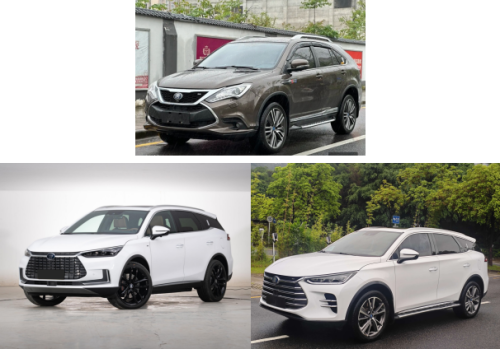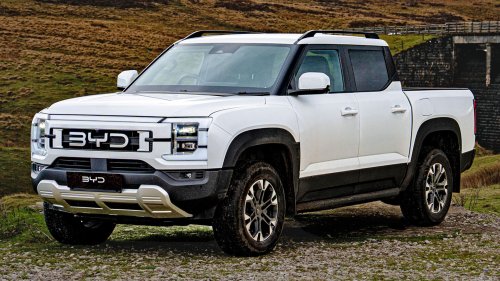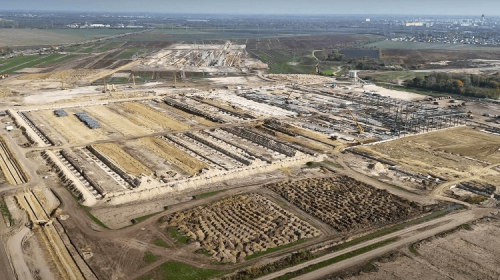
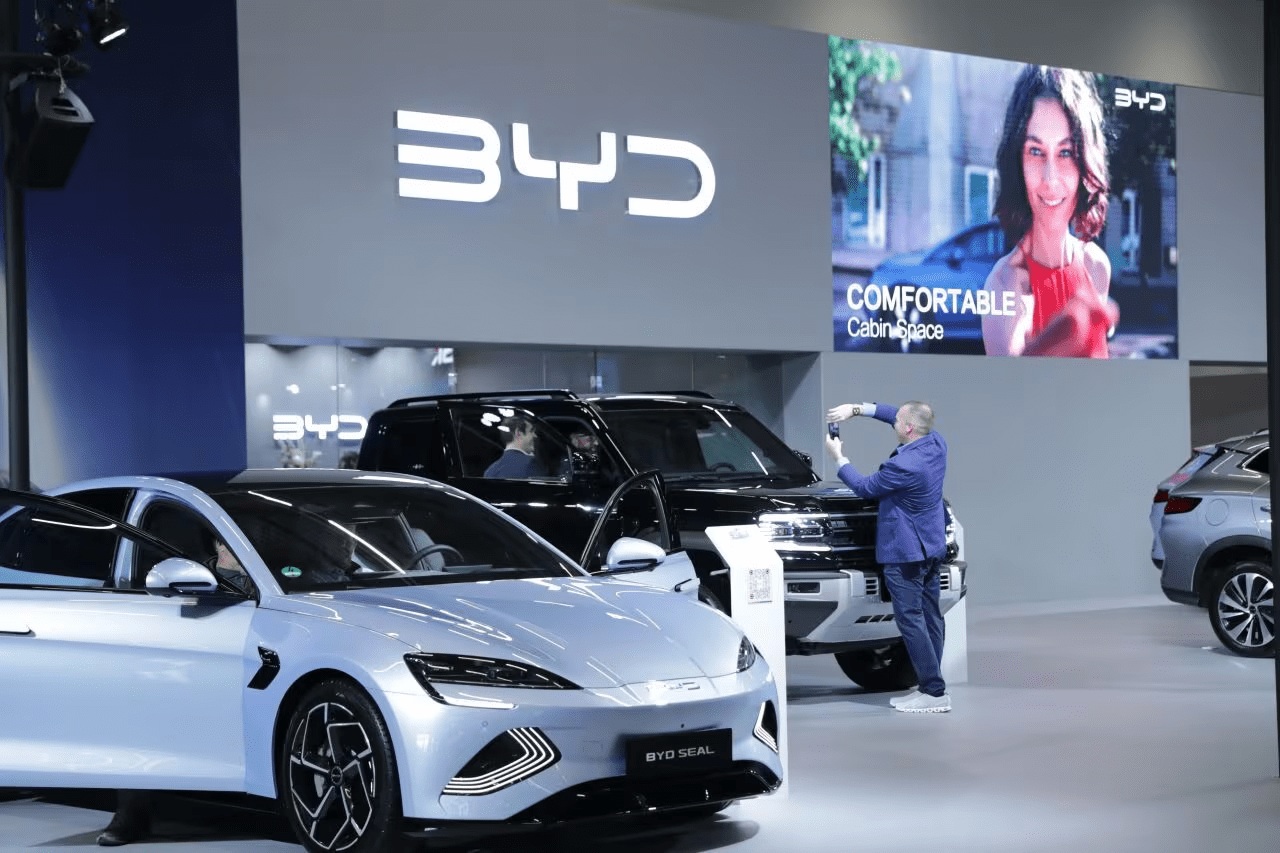
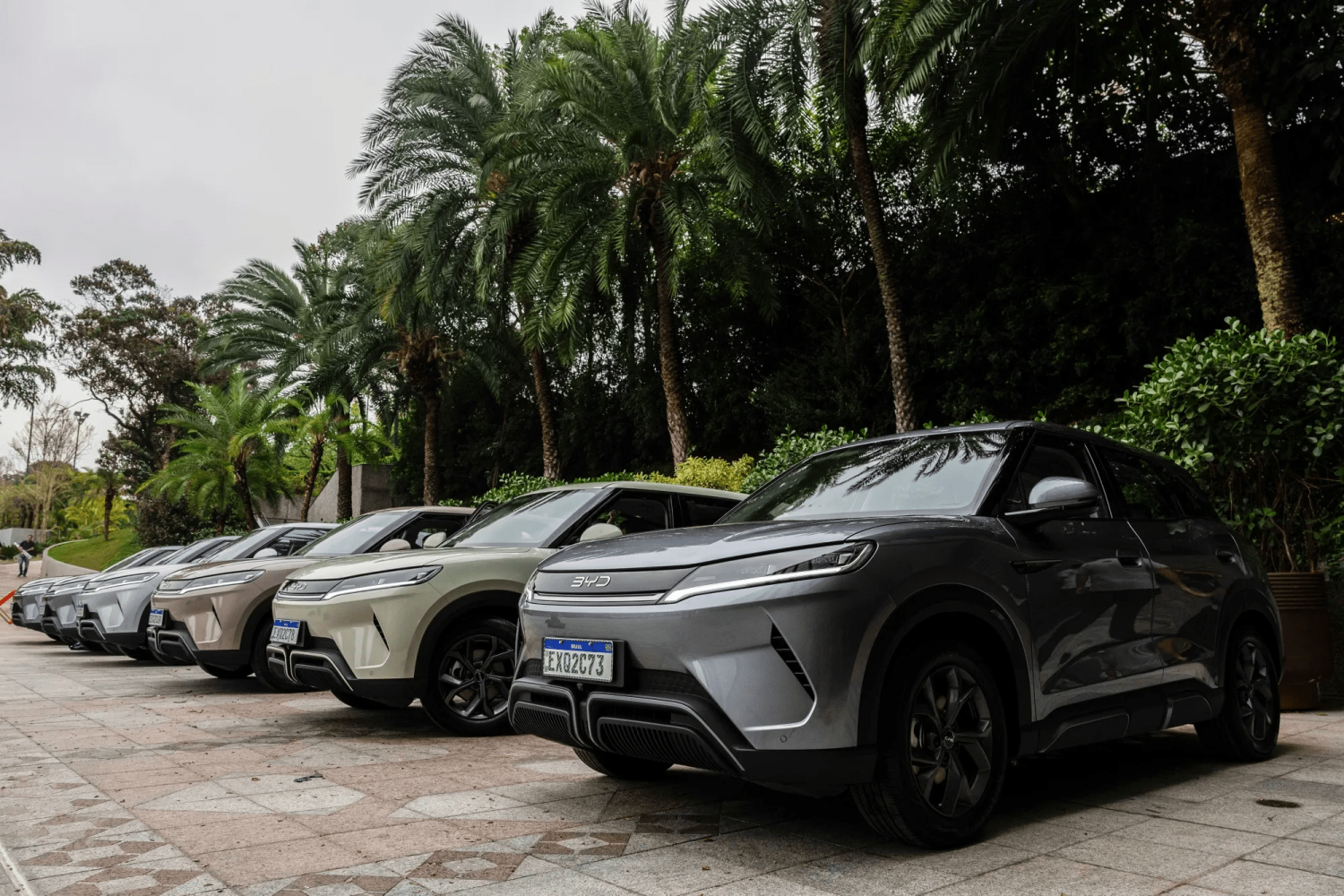



















BYD’s Executive Vice President Stella Li made it clear: “Joint ventures won’t work.” According to a Bloomberg report, Stella Li, Executive Vice President of BYD, recently revealed that the company is actively considering building a manufacturing plant in Canada and is open to acquiring traditional automakers from Europe, the U.S., and Japan. BYD’s interest in the Canadian market is no coincidence. Li made it clear that the company is studying the Canadian market to assess the feasibility of building a plant, emphasizing its desire to “own and operate such a facility” and explicitly ruling out joint ventures as a viable option. BYD Executive Vice President Stella Li Notably, Canada has recently adjusted its policy towards Chinese-made electric vehicles. In January, Canada agreed to exempt up to 49,000 Chinese-made electric vehicles annually from the 100% tariff imposed since 2024. This policy shift opens a window for Chinese automakers like BYD to enter the North American market. If a Canadian plant materializes, it would not only circumvent high tariffs but could also serve as a springboard to reach the U.S. market. Regarding further acquisition plans, Li stated that BYD is open to acquiring established automakers from Europe, the U.S., and Japan. “We are open to all opportunities,” she said. “While there are no deals close to being finalized at the moment, the company is evaluating potential acquisition assets.” Although Li did not mention any specific potential targets, such a move would not be without precedent. Geely’s successful acquisition of Volvo Cars over a decade ago set a precedent for overseas mergers and acquisitions by Chinese automakers. It is worth noting that in February, reports emerged suggesting that both BYD and Geely had been shortlisted for the final acquisition of the Nissan-Mercedes joint venture plant in central Mexico, which has an annual production capacity of approximately 230,000 vehicles. Leveraging the USMCA trade agreement, this plant could serve the North American market, providing a crucial foothold for Chinese automakers to bypass trade barriers and establish localized production. Market analysts suggest that a successful acquisition strategy could bring triple benefits to BYD: gaining brand recognition and distribution networks in mature markets, absorbing the manufacturing and engineering expertise of traditional automakers, and quickly overcoming local production barriers in certain countries. BYD models in Brazil Beyond the Canadian plant plan, BYD is accelerating its global production capacity planning. For instance, in the European market, it is stepping up construction of its first European passenger vehicle hub in Hungary and considering a second project in Turkey. Meanwhile, its plant in Indonesia is expected to begin production in the first quarter of 2026, with an annual capacity of 150,000 vehicles. According to its plans, BYD aims to increase its overseas sales target to 1.3 million vehicles in 2026, representing a growth of approximately 24% compared to its 2025 overseas sales (which are projected to exceed 1 million vehicles for the first time).