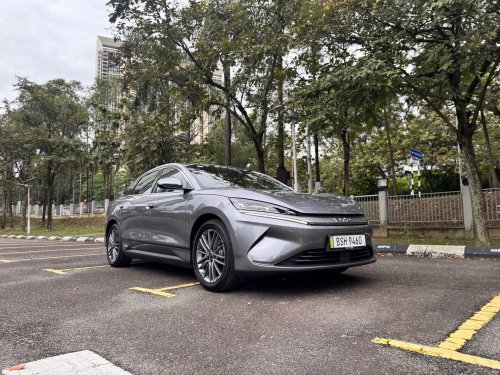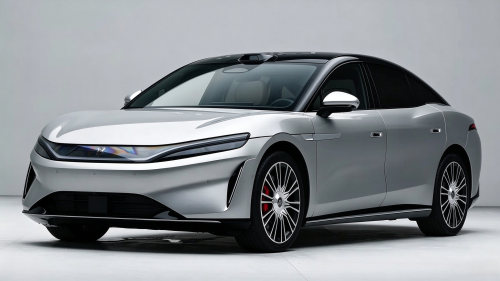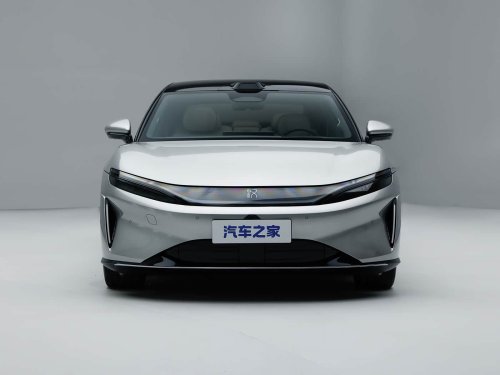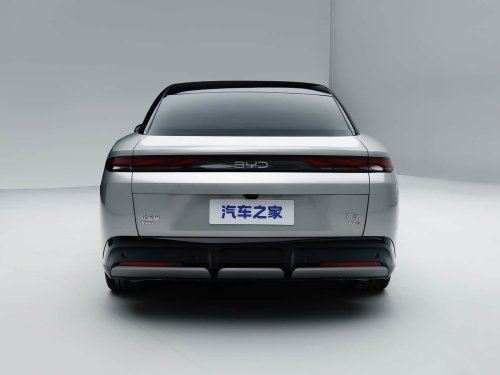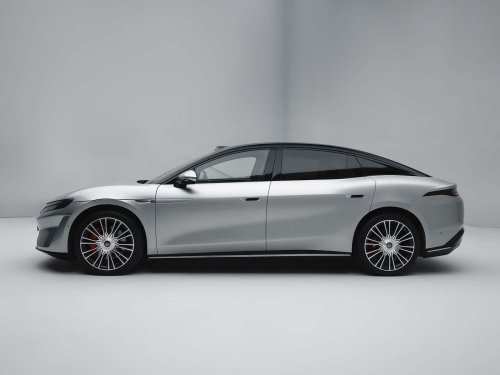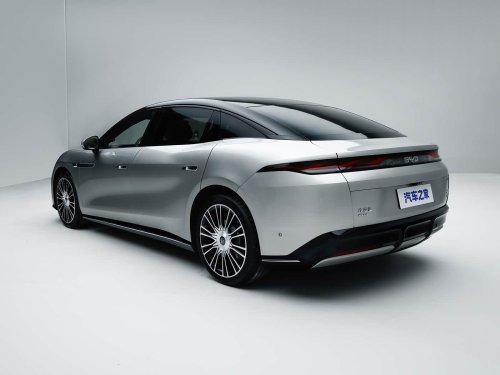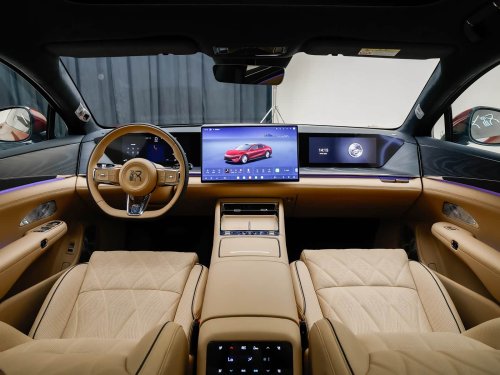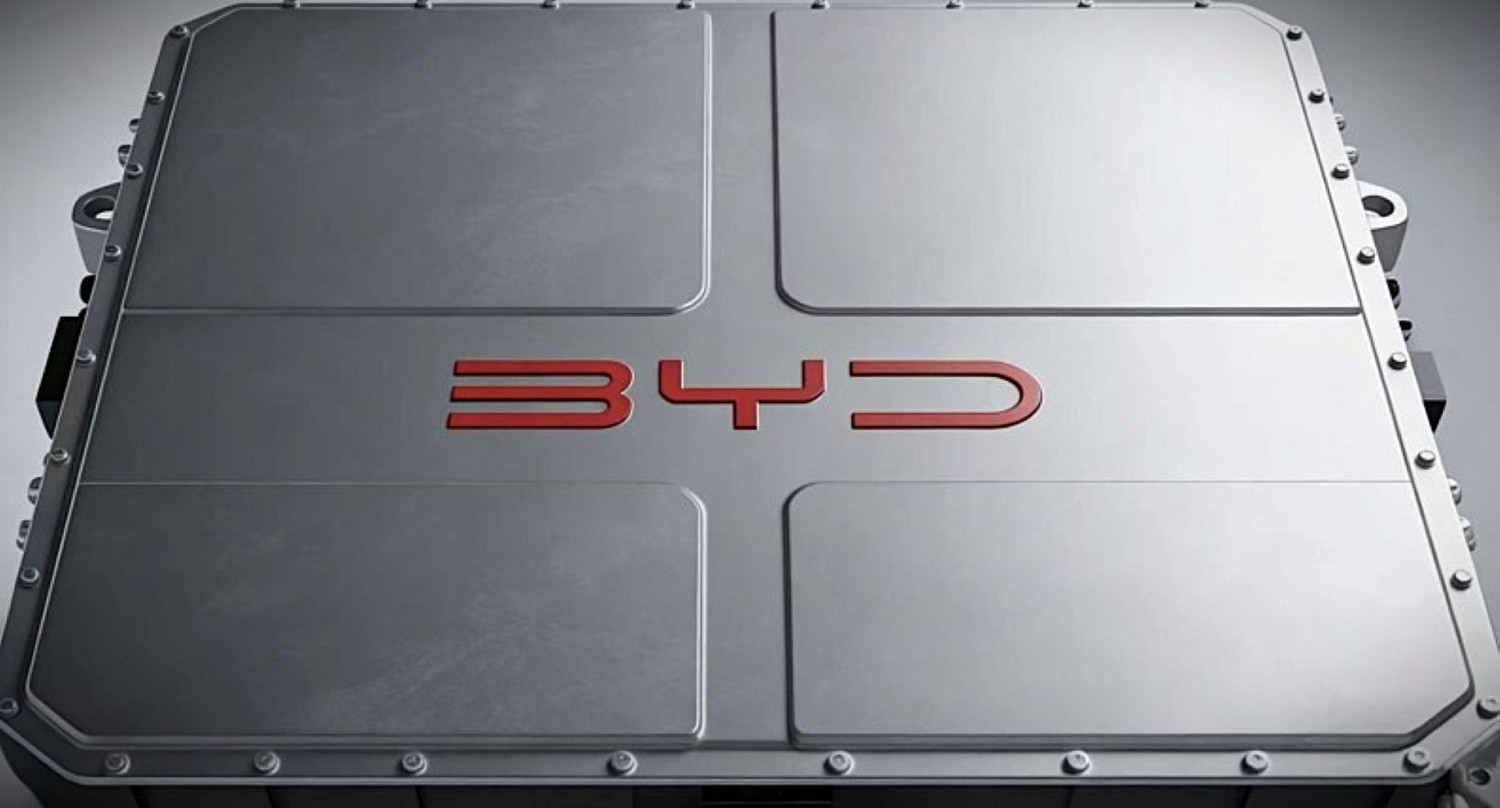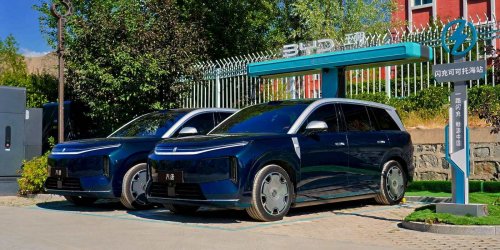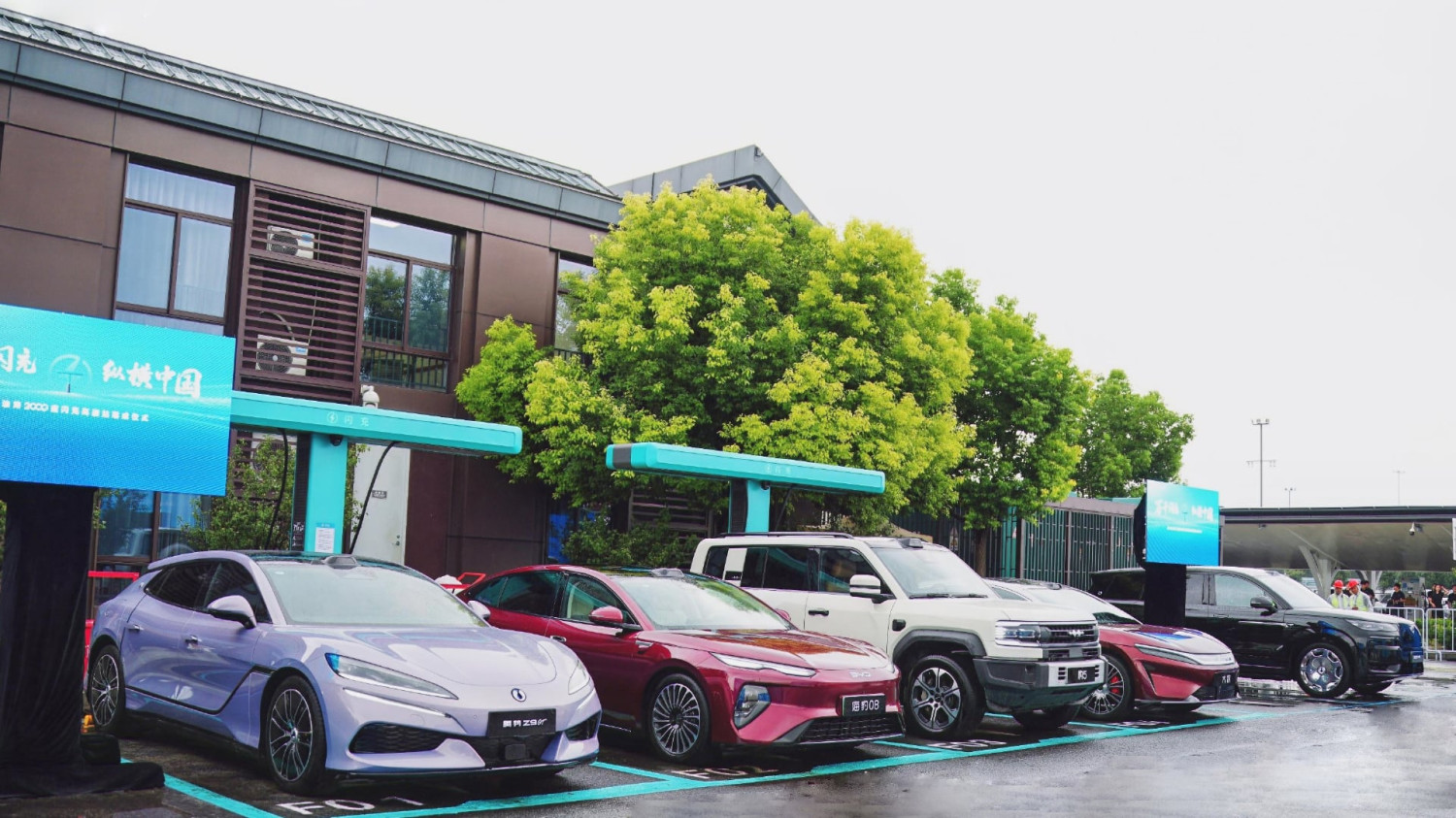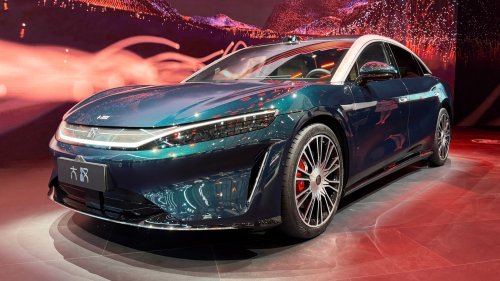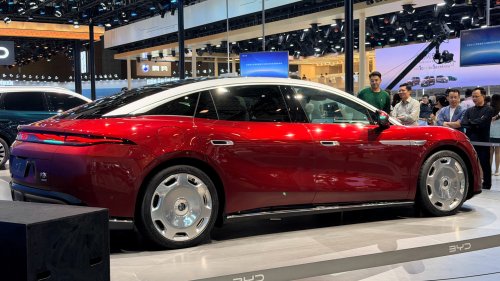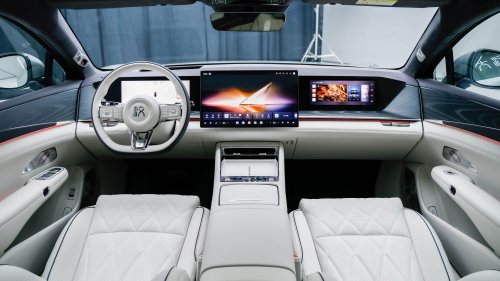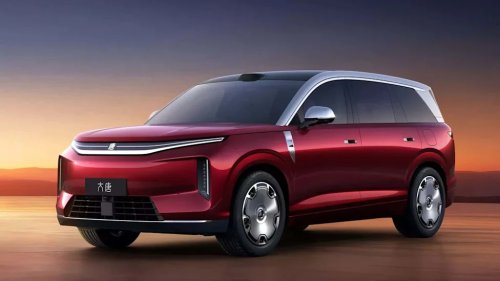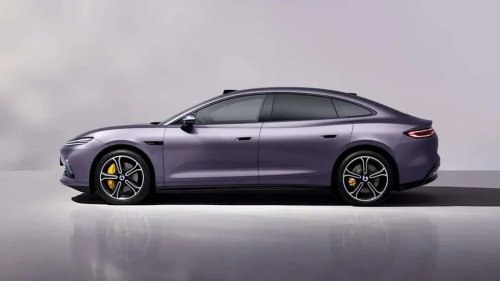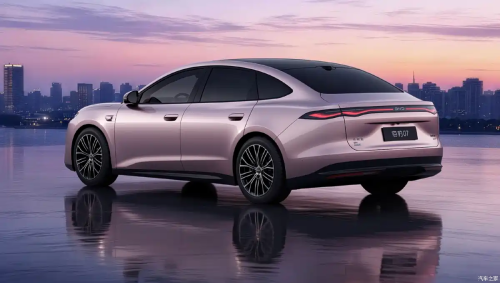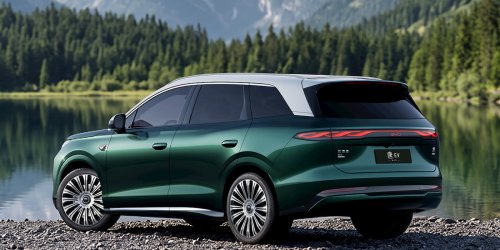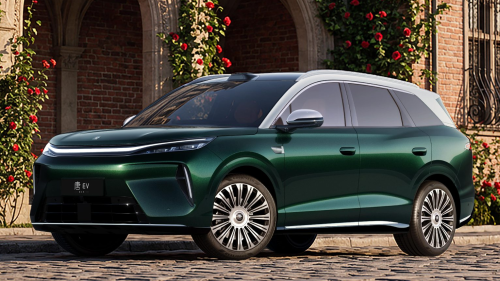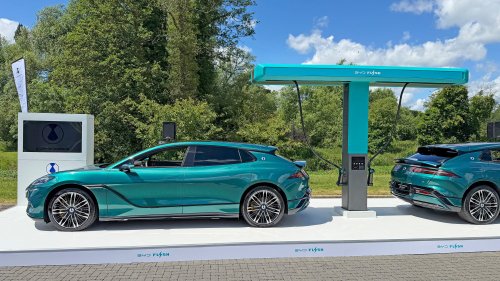
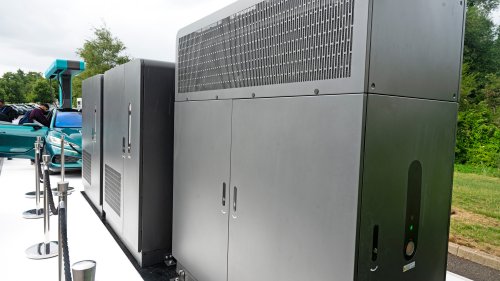

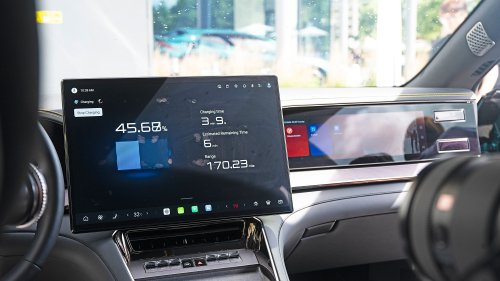



















15The holy grail of EVs – recharging as quick as filling a petrol car – is a step closer, with BYD undertaking the first ever Flash Charging demonstration in the UK. Auto Express was present at BYD’s Uxbridge headquarters to witness a Z9GT, the launch car for its premium Denza range, recharge its huge, 122kWh battery from 10 to 97 per cent full in eight minutes and 58 seconds. Even more significantly, BYD is targeting a 50 pence per kWh unit cost for drivers of its cars, slashing around 30p off chargepoint operators’ (CPOs) current rate. The Chinese EV and battery giant is also promising to roll out 300 Flash Chargers in the British Isles by the end of 2027, at its dealers, refuelling stations and retail outlets. We’ve spoken exclusively to the executive planning the network, Diego Pareschi, to bring you this definitive guide to BYD’s Flash Charging. BYD – which rose to prominence as a battery maker and claims to file 52 patents a week – has developed T-shaped Flash Chargers, which can deliver up to 1,500kW (1.5-megawatts) – three-to-four times the current ultrarapid charging gold standard – through a single CCS connector. This mega-charging is enabled by two on-site storage batteries, each capable of harvesting two megawatts, so four megawatts in total. This storage solution is crucial given the huge UK backlog to get high-power grid connections: BYD claims the big batteries can be charged by a modest 200kW connection, overnight when demand is low and energy is cheapest, ready for the electricity to be utilised the next day. BYD’s Flash Charging sales pitch is ‘Ready in 5, Full in 9, Cold Add 3’. In five minutes, the Z9GT should charge from 10 to 70 per cent: in the live demonstration, the posh Denza came up just short at 66 per cent full, though its 249-mile projected range would cover the distance from London to Newcastle-Upon-Tyne. The car was 97 per cent full within nine minutes, for a 363-mile range. Freezing temperatures can drag out typical EV refuelling way past 60-minutes, but at –30C, BYD reckons Flash Charging only adds a further three to get from 20 to 97 per cent. That’s because of the second critical component alongside the chargers – BYD’s next-gen batteries, whose chemistry is less vulnerable to extreme temperatures. BYD’s first ‘blade’ battery was launched in 2020, and its name comes from its horizontal, lithium iron phosphate cells packaged across the battery like razor blades. The Blade 2.0 introduces ‘high speed channels’ for the lithium-ions, smoothing their passage through the ground-breaking electrolyte from cathode to anode. “Moving very efficiently in a very smooth way generates less heat, and heat is the number one enemy of charging fast,” said Pareschi. “If the system doesn't overheat, you can inject much more energy [to recharge].” The second-gen blade battery powers three Denza models – the Z9GT, D9 MPV and B5 SUV – launching in the UK in 2026. The first two come with a choice of pure electric or plug-in hybrid powertrains, the SUV is only available with petrol/electric power. BYD sees Flash Charging as a USP to help Denza attract premium EV buyers, with Porsche’s Taycan an obvious rival to the Z9GT. Denza owners should get 18-months of free Flash Charging when they purchase a car. But the Blade battery 2.0 is beginning to power BYD cars in China too, with the replacement Atto 3 already on sale with the new battery. Expect these batteries to be widely adopted by new BYDs coming to the UK market. 15Unlike the Tesla Supercharger network in its infancy, the Flash Charging network will not be exclusive to BYD and Denza owners: “[regulators compel] networks to be open for everyone,” Pareschi told Auto Express. “This is good, because our overall mission is to enable the transition to clean-air technologies. But we will incentivize the use of stations for Flash Charging-compatible vehicles.” There are a number of levers BYD could pull to stop slow-charging EVs hampering throughput. They are likely to face higher rates, with Denza and BYD drivers getting the cheapest price. All cars will probably face a 10-minute maximum charge time. This will also help anyone queuing to understand how long it will take to get on a charger, although BYD’s built-in navigation may also include a reserve function. The user experience is claimed to be seamless, with owners signing in to an app downloaded in the car which will trigger the charge and handle automatic payments. All owners need to do is slide the cable along the overhead bar, and plug the CCS connector into the car for the magic to start. 15BYD’s vision is to have its initial 300 UK chargers ideally spaced about 50km (31 miles) apart. Theoretically the simplest to install will be at BYD and Denza retailers. UK country manager Bono Ge reckons up to 40 of the company’s 144 retailers already have the requisite power supply boxed off; they have been asked to begin the planning permission process. All Denza retailers will have one, as BYD thinks a Flash Charging demonstration will help close deals. BYD is also in discussion with chargepoint operators, to form partnerships where it can upgrade obsolete charger connections. But Ge admitted it’s “a challenge to get a commercial agreement with the CPOs”. “If we set up the charger on their site, they charge 79p and I charge 50p, they will kill me, right? We will probably offer a special rate for the BYD customers, then we need to match their price for the non-BYD customers.” Pareschi said BYD was looking at multiple arrangements, including paying rent. But CPOs, who are struggling to make money with their massive investment costs, may like the idea of Flash Chargers attracting EV drivers to their sites – and picking up the overflow if the T-chargers are busy. BYD will definitely look to muscle its way into motorway services, which will necessitate doing a deal with Gridserve. 15The third location target is retail, such as supermarkets. InstaVolt has nurtured its network by partnering with the likes of McDonalds and Starbucks – and BYD is set to follow suit. BYD knows relying on new grid connections would be a massive bottleneck. “We will try to keep [those] to as few as possible, because it could easily add two years,” Pareschi told us. “We will focus on existing grid connections and upgrading them, and an alternative is to put in more [battery] storage.” So what’s the budget for the roll-out of 3,000 charging stations across Europe? “It’s a really significant amount of money, the biggest investment in charging infrastructure ever done in Europe,” replied the Italian engineer, who spearheaded charger development at tech company ABB before joining BYD. Bono Ge estimates each charger install will cost from £500,000 to £1-million, depending on the scope of individual projects. The first of Europe’s 3,000 Flash Chargers is due to kick off the roll-out in Italy in mid-June. Making the switch to the EV world? Our dealer network has 1,000s of great value new cars in stock and available now right across the UK. Find your new car…