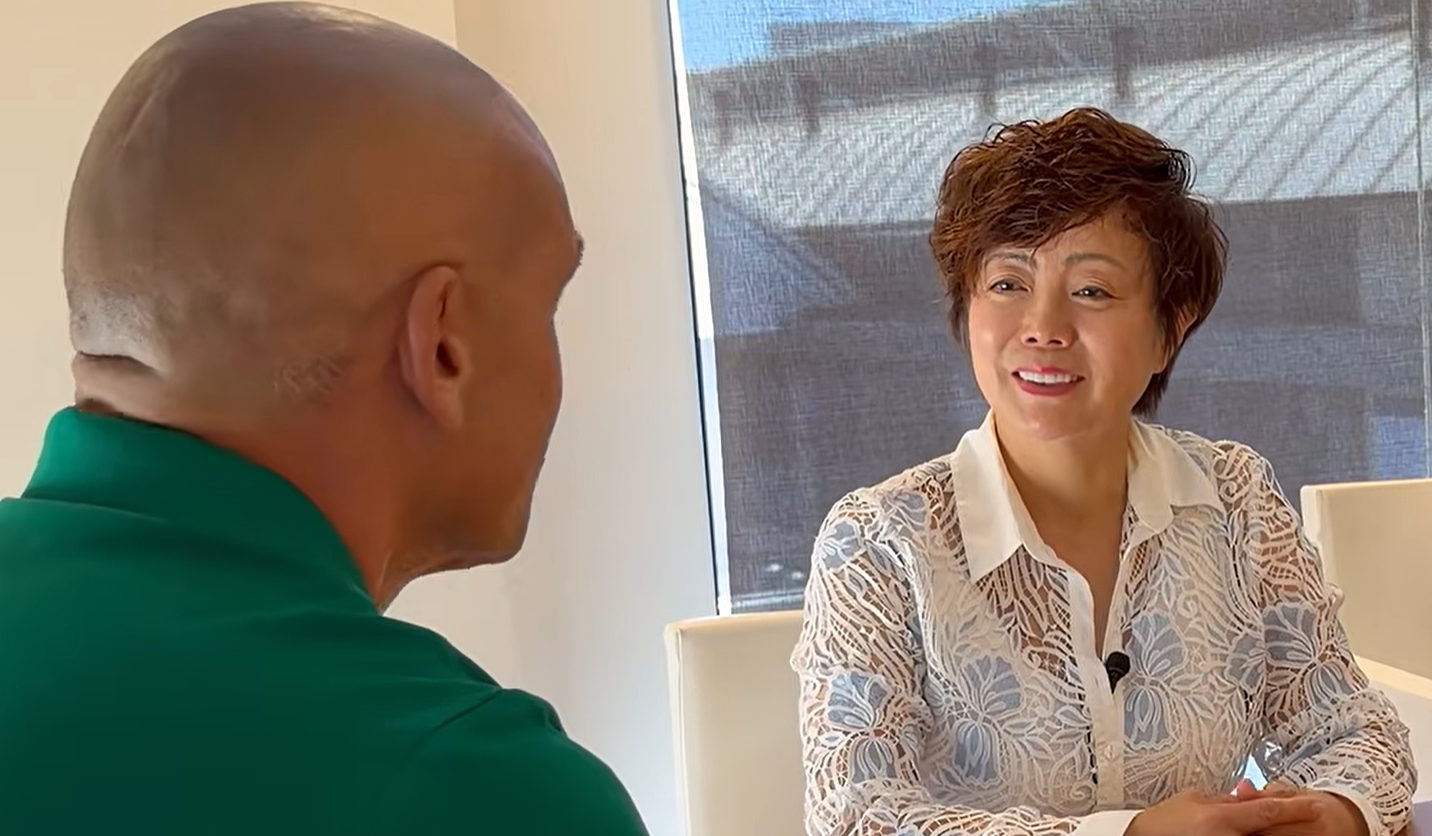
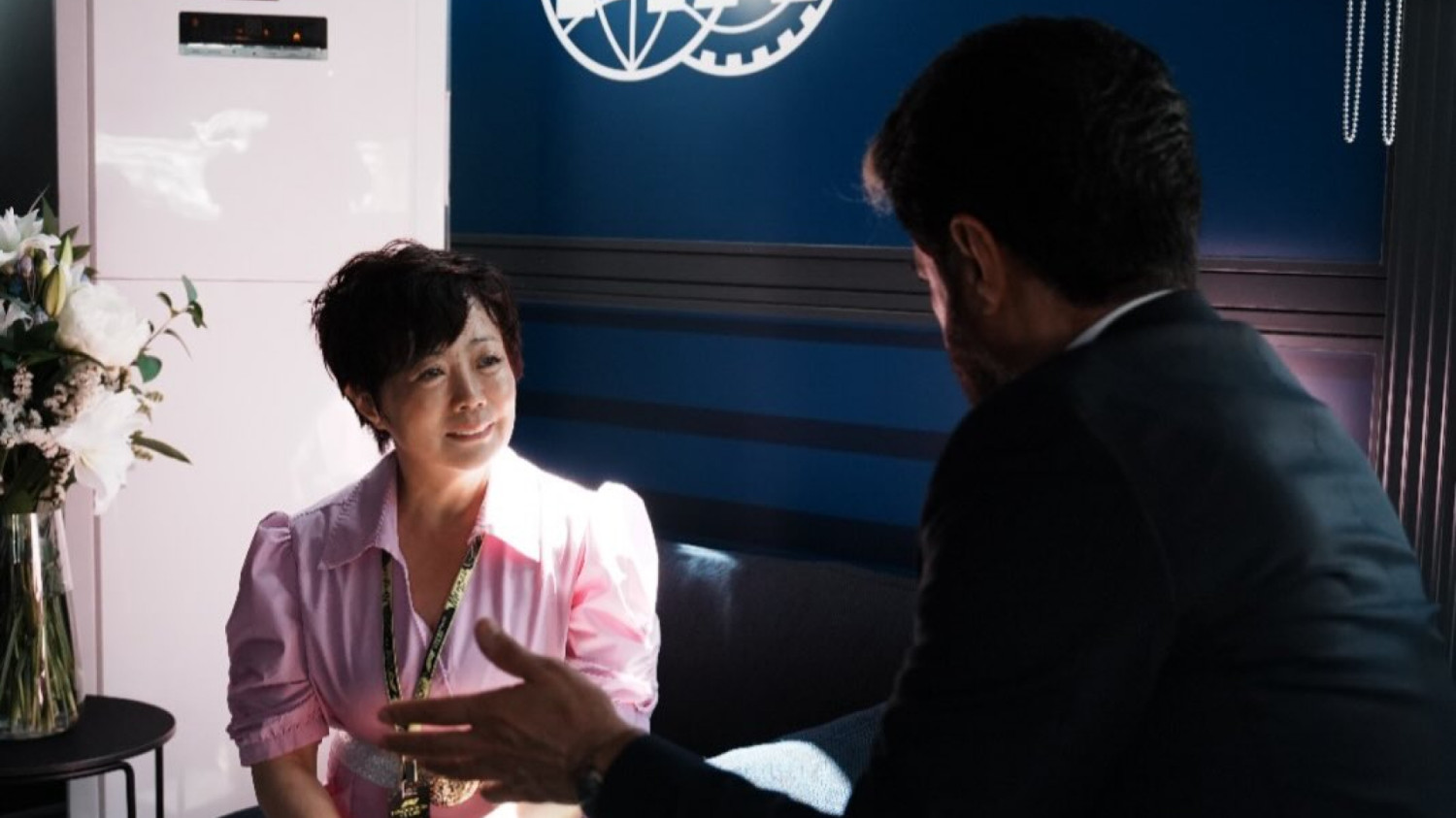



















BYD's F1 entry makes headlines again Understand China EV’s Market Real-time notifications when critical EV data is released All important data in one place 2,000,000+ data points Become a member BYD F1 entry makes headlines after the company’s Executive Vice President Stella Li had a talk with F1 Group CEO Stefano Domenicali and FIA President Mohamed Ben-Sulayem during the Monaco Grand Prix. The photo of the meeting was publicly shared online. Stella Li held a meeting with Stefano Domenicali on June 5 and with Ben-Sulayem the following day. The FIA President shared a picture from the meeting on his personal social media account. It seems to be the second time Stella Li has met with the two high-ranking officials. In an interview with PlanetF1, BYD VP shared that the company is “very serious about exploring the future and technology, and understands what BYD has.” FIA President Mohamed Ben-Sulayem meets Stella Li in Monaco. Credit: Mohamed Ben-Sulayem In late December 2025, Stella Li met with the FIA President at the Abu Dhabi Grand Prix. Later in March 2026, reports surfaced that BYD was assessing the possibility of entering F1 and the World Endurance Championship (WEC), making headlines. In April, BYD confirmed it is weighing a potential role in F1 as Stella Li confirmed she met with Stefano Domenicali in Shanghai. It was previously rumored that BYD could be among the companies that want to acquire a portion of the 24% shares in the Alpine Formula 1 team alongside Mercedes-Benz. It was also shared that BYD could team up with Christian Horner, who is seeking a return to the role of team principal after leaving Red Bull Racing. Stella Li also met with Christian at the Cannes Film Festival. Editor’s comment BYD’s potential inclusion in F1 has become a topic for 2026. However, the company’s actual prospects in motorsport are still unknown. Furthermore, F1’s development vector conflicts with BYD’s values. After all, the current hybrid cars with powerful electric motors are planned to be replaced by gasoline-powered V8 engines with minimal electric components by 2031. In this case, the participation of a manufacturer focused on the NEV segment seems illogical.