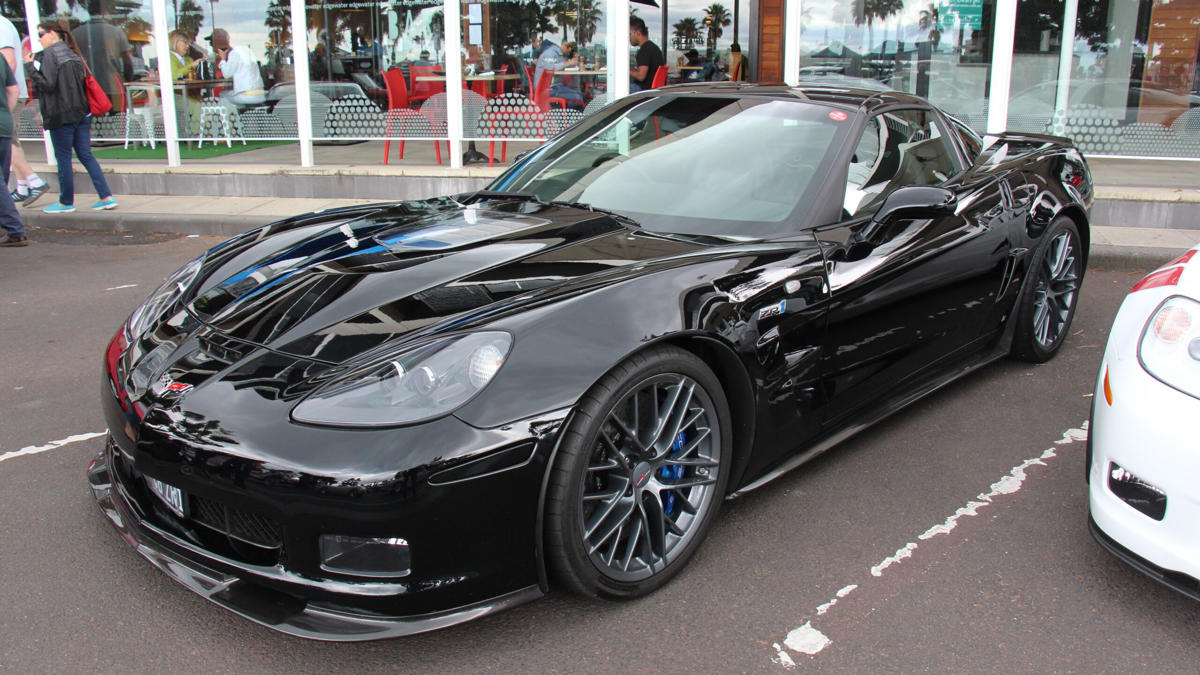



















Built for precision, the 2009 Corvette ZR1 delivered supercar-level performanceThe 2009 Chevrolet Corvette ZR1 arrived as proof that an American sports car could run with the quickest exotics of its era while keeping a manual gearbox and a front-mounted V8. With a supercharged engine, lightweight hardware and obsessive tuning, it turned the familiar C6 shape into a genuine high-performance benchmark. More than a decade later, it still reads like a specification sheet drawn up to embarrass cars that cost far more. Looking back at that model year shows how aggressively Chevrolet pushed the Corvette formula toward supercar territory without abandoning daily usability. It also helps explain why collectors and track-day drivers still chase clean examples and why the ZR1’s influence is evident in later generations of America’s sports car. From sports car to supercharged flagship The ZR1 name had appeared before, yet the 2009 car turned it into something far more extreme. Built on the C6 platform, it started with the already capable aluminum chassis and then layered on a supercharged 6.2‑liter V8, massive carbon-ceramic brakes and a carefully honed aero package. Chevrolet treated it as a halo project, giving it hardware that went well beyond the standard Corvette and even the Z06. At the heart of the transformation sat the LS9, a hand-assembled V8 that used an Eaton supercharger to deliver factory-rated output that pushed the Corvette into territory typically reserved for Italian and German exotics. According to detailed ZR1 specifications, this engine came paired exclusively with a 6‑speed manual transmission and a rear-wheel-drive layout, staying true to traditional Corvette character while generating performance figures that rivaled contemporary supercars. Chevrolet matched the powertrain with serious supporting hardware. The ZR1 received a unique suspension tune with Magnetic Selective Ride Control, lightweight wheels wrapped in ultra-high-performance tires, and a body fitted with carbon fiber components such as the hood and front splitter. The result was a car that looked familiar at a glance but felt like a completely different machine from behind the wheel. Numbers that embarrassed exotics On paper, the 2009 ZR1 delivered the kind of numbers that forced the rest of the industry to pay attention. Factory figures and independent testing aligned around a sub‑4‑second sprint to 60 mph, quarter-mile times in the 11‑second range and a top speed that crept past 200 mph. Those metrics placed it squarely in the supercar conversation even before price entered the discussion. Performance was not just about straight-line thrust. The chassis, brakes and aero allowed the ZR1 to post lap times that challenged track-focused rivals. Carbon-ceramic rotors, rarely seen on American road cars at the time, provided repeated high-speed stops with minimal fade. The Michelin Pilot Sport tires and adaptive dampers helped the car find grip on circuits while still delivering tolerable ride quality on public roads. That dual personality made the ZR1 particularly disruptive. Owners could drive to a circuit, run sessions at speeds that once required a stripped-out track car, then cruise home with working air conditioning and a full infotainment system. The car effectively compressed two roles into one package, a trait that still shapes how enthusiasts compare it with newer high-performance models. Design cues that signaled intent Visually, the 2009 ZR1 broadcast its capabilities without resorting to exaggerated styling. The most distinctive element was the clear polycarbonate window in the hood that revealed the top of the LS9’s intercooler cover. That detail, combined with the raised carbon-fiber hood itself, made the engine the star of the exterior design. Other cues included a deeper front splitter, side skirts and a rear spoiler that all contributed real aerodynamic benefit. Wider wheels filled the arches, and blue-painted brake calipers hinted at the carbon-ceramic hardware hiding behind the spokes. Subtle ZR1 badges completed the package, signaling to informed observers that this was more than a standard C6. The lineage of Corvette special editions helps explain how Chevrolet arrived at this mix of aggression and restraint. Earlier projects such as the Corvette Z51 show previewed how aero add-ons, wheel upgrades and performance packages could be integrated without overwhelming the base shape. The ZR1 took that philosophy to its logical extreme, focusing on functional changes that also elevated the car’s presence. How the ZR1 reset Corvette expectations Before the ZR1, even high-output Corvettes were often framed as value alternatives to European machinery rather than true peers. The 2009 flagship shifted that conversation. Its performance figures, braking capability and high-speed stability forced comparisons with the best from brands that had long dominated the supercar category. Price played a major role in how disruptive that shift felt. The ZR1 undercut many rivals while delivering similar or better acceleration and top speed. That value equation helped redefine what buyers expected from a Corvette. It also set a benchmark for later generations, which would be judged against the standard the ZR1 established for power, technology and track performance. The car’s mix of raw output and everyday usability influenced how enthusiasts evaluated other American performance models. Muscle cars with big horsepower but less sophisticated chassis tuning suddenly looked one-dimensional. The ZR1 showed that an American V8 coupe could combine brute force with serious engineering, and that expectation has lingered in the market ever since. Collector interest and today’s market Time has been kind to the 2009 ZR1. Limited production, distinctive hardware and its status as the top C6 have helped it become a sought-after modern classic. Low-mileage examples in original condition attract particular attention from collectors and drivers who want a car that still feels modern but carries analog character. Recent auction listings highlight that demand. One example is a 4,900‑mile ZR1 offered with minimal modifications and detailed documentation. Cars like this, with low odometer readings and clean histories, illustrate how some buyers treated the ZR1 as an investment from the beginning. Others have used them as intended on road and track, which only increases the relative rarity of pristine survivors. Values reflect both nostalgia and objective performance. The car’s ability to run with newer machinery keeps it relevant for drivers who want speed without the layers of electronic intervention that define many current supercars. At the same time, its place in Corvette history as a turning point model gives it appeal to brand loyalists building long-term collections. Where the ZR1 sits among used Corvettes The broader used Corvette market provides context for how the 2009 ZR1 is perceived today. Buyers cross-shop it against other generations and trims, weighing outright performance against cost, reliability and day-to-day livability. Guides aimed at used shoppers often highlight the C7 generation as a sweet spot for modern features and strong performance, with some recommending that budget-conscious enthusiasts look for a C7 bargain rather than stretching for an earlier halo car. Reliability discussions also shape those decisions. Analyses of long-term ownership trends frequently point to specific Corvette model years that have earned reputations for durability and lower running costs. Lists of the most reliable Corvettes tend to emphasize trims and years with simpler hardware, while acknowledging that high-output variants like the ZR1 can bring higher maintenance demands, particularly around specialized components such as carbon-ceramic brakes and supercharger systems. Within that landscape, the 2009 ZR1 occupies a niche. It is not the most affordable way into Corvette ownership, nor is it the easiest to run as a daily driver. Instead, it appeals to buyers who prioritize performance and historical significance over absolute practicality. They accept higher parts costs and more complex maintenance in exchange for a car that still feels special every time the engine fires. Engineering choices that still resonate Several technical decisions that defined the 2009 ZR1 continue to influence high-performance car design. The use of carbon-ceramic brakes on a relatively attainable model demonstrated that such hardware could move beyond ultra-rare exotics. The pairing of a supercharged V8 with adaptive dampers and advanced traction control showed how power could be managed without stripping away driver engagement. Chevrolet’s approach to weight management also stands out. Rather than simply adding power, engineers focused on keeping mass in check through aluminum structures and carbon fiber body panels. That strategy improved not only acceleration but also braking and cornering, contributing to the car’s balanced feel despite its front-engine layout. The decision to retain a manual transmission at the top of the range now looks prescient. As automatic and dual-clutch gearboxes have come to dominate the supercar segment, the ZR1’s three-pedal setup has gained additional appeal among enthusiasts who value direct control over absolute shift speed. That detail alone helps the car feel more connected and analog than many newer rivals. How enthusiasts use the ZR1 today Owners of 2009 ZR1s tend to split into two broad camps. Some treat the car as a collectible, preserving mileage and originality. Others continue to use it as a high-performance tool, taking advantage of its capability on track days and long highway runs. Both approaches are supported by the car’s underlying design. On track, the combination of power, braking and chassis tuning allows skilled drivers to run lap times that still challenge modern sports cars. Aftermarket support makes it possible to tailor suspension settings, brake pads and cooling systems for repeated circuit use. The core hardware provides a strong foundation, which is why many track-focused owners start with a ZR1 rather than modifying a standard C6 from scratch. For those who drive mainly on the street, the car’s comfort surprises people accustomed to the idea that extreme performance must come with harsh ride quality. Magnetic dampers, supportive seats and usable cargo space make it plausible as a weekend road-trip car. That versatility continues to differentiate it from stripped-out track specials and cramped mid-engine exotics. Legacy in the Corvette family The impact of the 2009 ZR1 on later Corvettes is clear. Subsequent high-performance variants drew on its template of combining extreme power with advanced materials and electronics. The idea that the top Corvette should rival or exceed contemporary supercars became an expectation rather than an aspiration. The car also helped cement the notion that Chevrolet could build a halo model that appealed to both traditional V8 enthusiasts and buyers cross-shopping European brands. That broadened audience gave the company confidence to pursue more radical layouts and technologies in later generations while still referencing the ZR1’s achievements as a benchmark. Within enthusiast culture, the 2009 ZR1 holds a special place as a bridge between classic and modern eras. It carries the analog feel of a front-engine, rear-drive, manual-transmission sports car, yet its performance aligns with far newer machinery. That combination ensures it remains part of conversations about the greatest Corvettes and about how American engineering reshaped expectations for attainable supercar-level performance. More from Fast Lane Only Unboxing the WWII Jeep in a Crate 15 rare Chevys collectors are quietly buying 10 underrated V8s still worth hunting down Police notice this before you even roll window down *Research for this article included AI assistance, with all final content reviewed by human editors.